
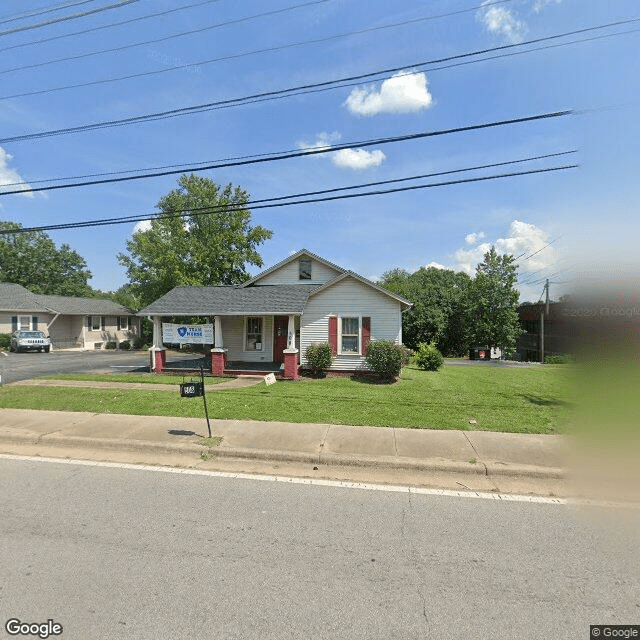
508 Piney Forest Rd, Danville, VA 24540
To contact a resident: (866) 576-7479
For more information about senior living options: (866) 208-4318
Overall Review of Care Advantage of Danville, VA
Pros
 Renae Doss is excellent.
- Renae Doss knows her clients' needs and helps with them.
- Renae Doss is kind and understanding.
- Renae Doss encourages clients to do their physical therapy exercises and helps when needed.
- Care Advantage is lucky to have Renae Doss.
- Desire Knight is a great caregiver.
- Desire Knight goes above and beyond for her clients.
- Desire Knight is kind, caring and respectful.
- Desire Knight is unique among caregivers.
- Paula Weakland is a wonderful caregiver.
- Paula Weakland is very attentive.
- Paula Weakland performs her job exceptionally well.
Review
Care Advantage of Danville, VA is best suited for seniors who want highly personalized, in-home assistance and rehabilitation support rather than a traditional assisted-living setting. The reviews depict a small army of deeply committed caregivers who tailor care around individual routines, weaving rehab guidance into daily life. Renae Doss is recognized for knowing needs and guiding therapy with patience; Desire Knight is described as going above and beyond with kindness and respect; Paula Weakland is praised for attentiveness and reliability; Frances Townes is noted as a dependable helper who ensures nothing is overlooked; Kristopher Walker receives frequent commendations for dependable daily support. The office presence is emphasized as accessible, and home health services are portrayed as reliable. For families seeking to preserve independence while receiving hands-on support at home, this agency offers a practical, compassionate pathway that makes aging in place feel manageable rather than isolating.
However, not every situation aligns with an in-home model, no matter how strong the personnel. For seniors who require 24/7 supervision, rapid escalation of medical concerns, or the built-in social and activity framework of a facility, alternatives should be considered. Traditional assisted living or skilled nursing facilities provide continuous nursing coverage, structured daily activities, and immediate on-site monitoring that a home-health arrangement cannot perfectly replicate. If constant monitoring is essential or if a resident has highly complex medical needs demanding immediate, on-site clinical decisions, a facility-based setting or a more comprehensive continuum of care may be the safer choice. Families should also weigh caregiver continuity and the desire for a single, consistent care leader, factors that can influence daily stability and peace of mind.
The strengths in Care Advantage’s service center on people and reliability. The caregivers cited, Renae Doss, Desire Knight, Paula Weakland, Frances Townes, and Kristopher Walker, emerge as core assets: skilled, present, and genuinely invested in daily progress and comfort. The ability to coordinate rehab visits, deliver personal care, and maintain a practical plan underscores a system designed to minimize friction during transitions from hospital to home or during ongoing recovery. Office accessibility compounds this value, providing reassurance when schedules shift or new needs arise. In practice, that blend of personal touch and dependable logistics translates into tangible gains: renewed mobility, steadier daily routines, and preserved dignity for clients aging in place. These are not abstract promises but observable outcomes reflected in consistent, commendable caregiver performance.
Where the model shows its limits, the reality of home-based care becomes apparent. The strongest care stories hinge on individual aides, which means variability can creep in if different caregivers rotate in consistently. While the agency earns praise for standout team members, continuity of staffing remains a real consideration; families should explicitly inquire about caregiver assignment patterns and how changes are communicated. In-home care cannot fully replace the social immersion and on-site medical responsiveness of a community setting, particularly for seniors seeking regular group activities or around-the-clock clinical oversight. Prospective clients are wise to verify the scope of services included in the plan, the emergency protocols after hours, and how rehab and mobility supports are scheduled. These are practical gaps that, if anticipated, do not derail the overall value but do shape daily life.
From a decision-making standpoint, the upside of Care Advantage overwhelmingly supports choosing in-home care when the priority is autonomy coupled with attentive, capable support. The documented caregiver dedication translates into meaningful improvements in function, confidence, and daily independence, while the office team’s reliability reduces the stress of coordinating multiple moving parts. For families navigating cancer care, post-hospital rehab, or progressive mobility challenges, the combination of intimate attention and pragmatic support is especially compelling. The caveats, caregiver consistency and the inherent limits of home care, are standard trade-offs rather than unique flaws, manageable through clear expectations, a stable caregiver roster, and a well-defined care plan. Those willing to structure care around the home environment will often find a smoother, more dignified aging-in-place experience than a facility-first approach.
The practical next steps center on aligning needs with capability. Begin with an honest appraisal of medical complexity, daily schedule flexibility, and the value placed on rehabilitation within the home. Engage the agency with a concrete plan: request a care coordinator to outline a typical daily routine, confirm which caregivers are available for ongoing assignments, and obtain a clear picture of a weekly rehab and personal-care cadence. Consider a short-term arrangement to test fit, and insist on transparent pricing, coverage details, and what happens if a preferred caregiver is unavailable. The testimonials illustrate a pattern of compassionate, capable caregivers who also collaborate closely with families, a combination that reduces stress and supports steady recovery. For seniors who prize privacy, independence, and consistent hands-on help at home, Care Advantage of Danville stands out as a practical, dependable choice. Those whose priorities include a built-in social ecosystem, around-the-clock supervision, or specialized memory care may prefer alternatives anchored in a traditional facility setting.








 Comprehensive Exploration of Living Wills and Other Advance Directives
 A Detailed Exploration of Living Wills and Advance Directives
 Comprehensive Guide to Medicare Coverage for Hospice Care