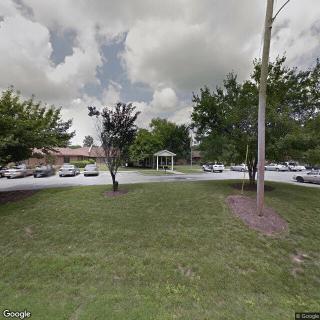
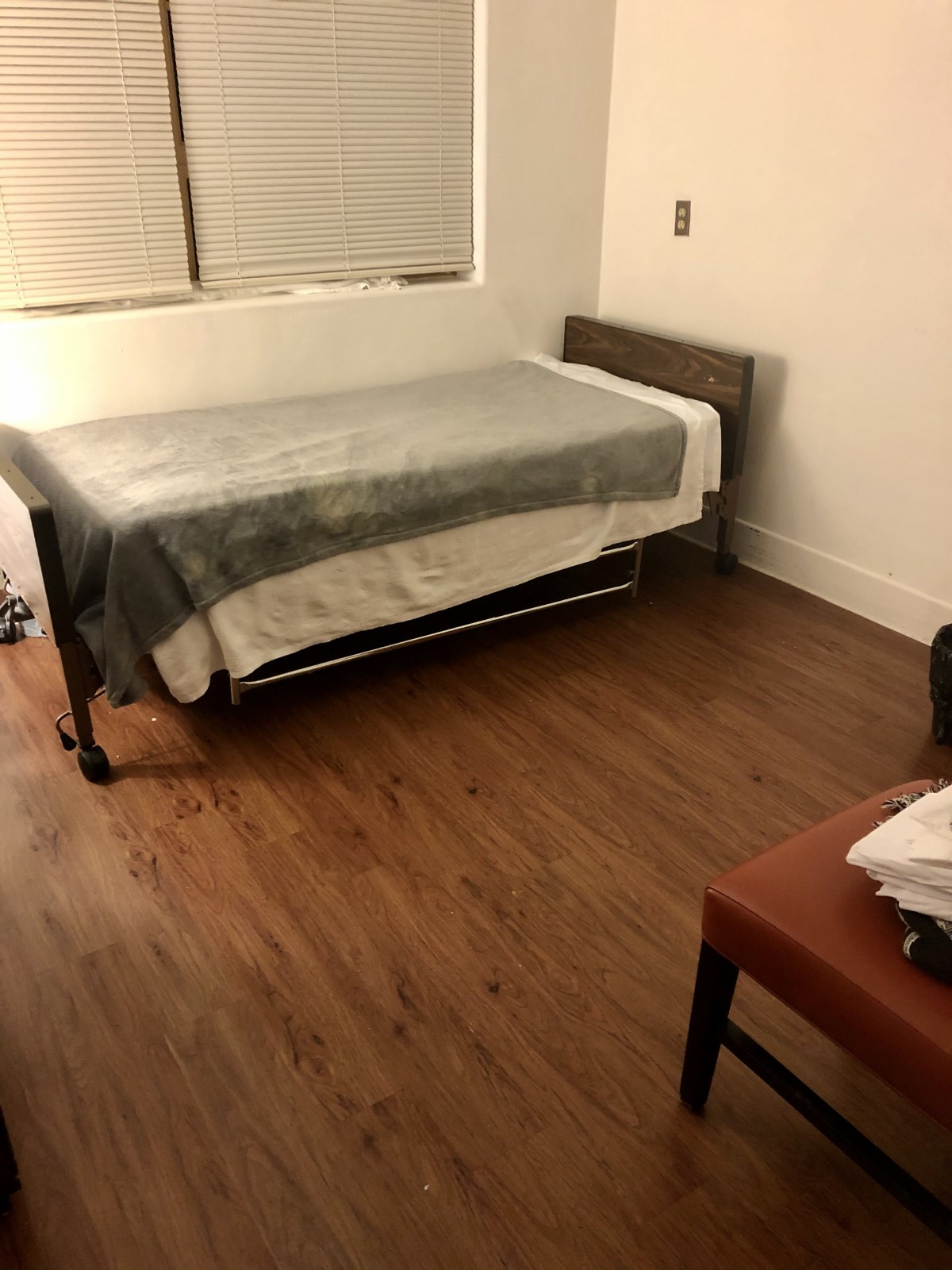
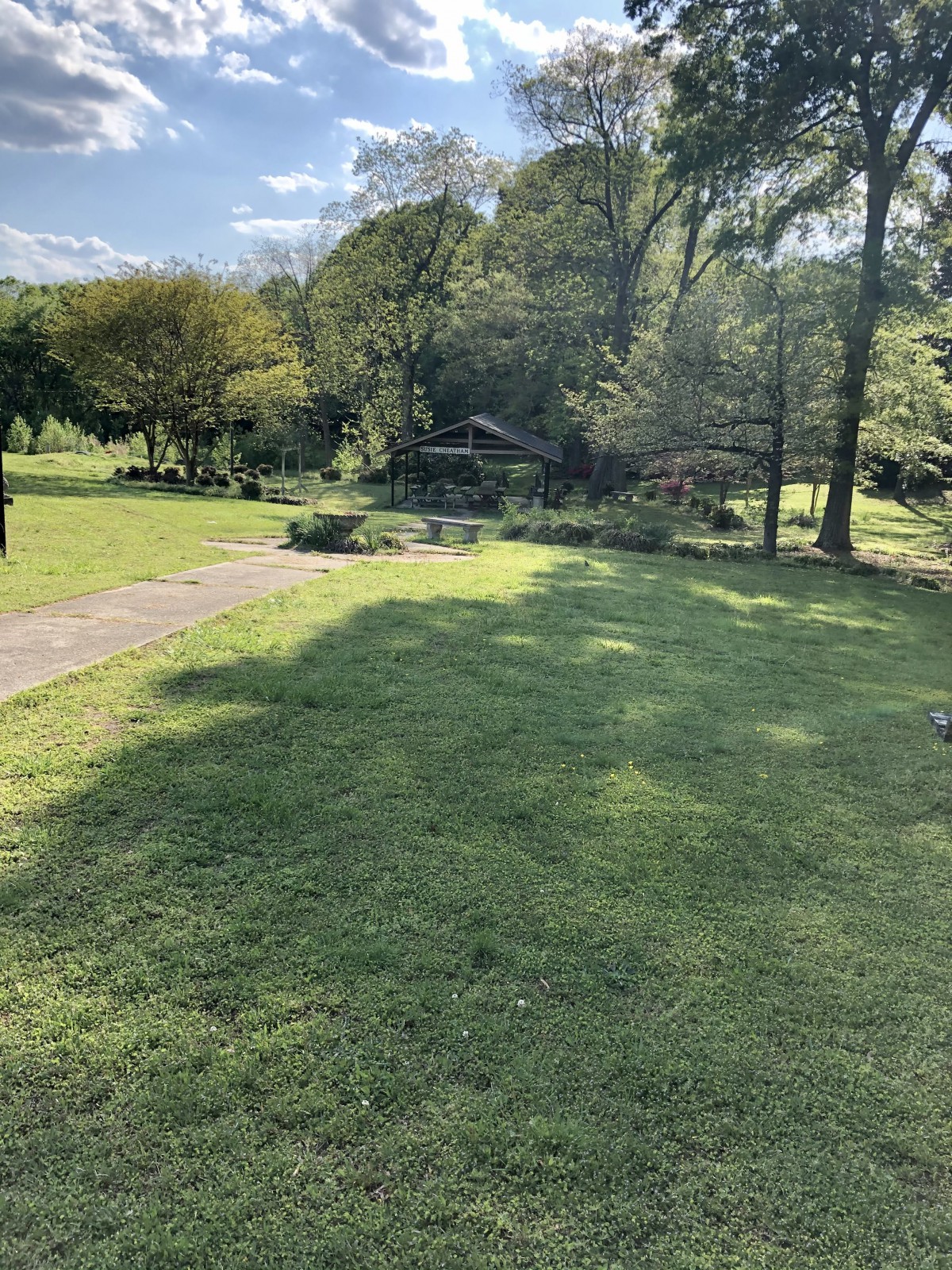
Toney Rest Home in Oxford, NC

Save

  • Interior

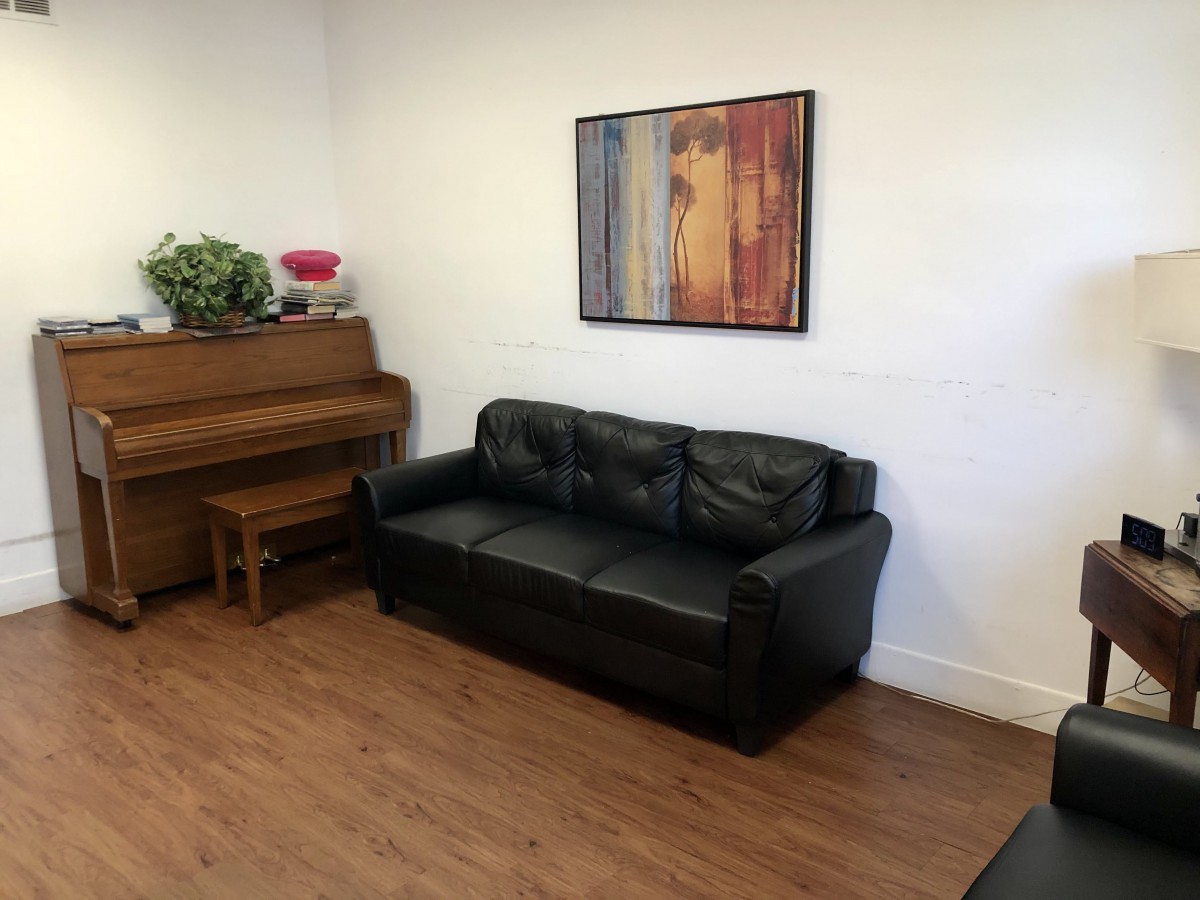
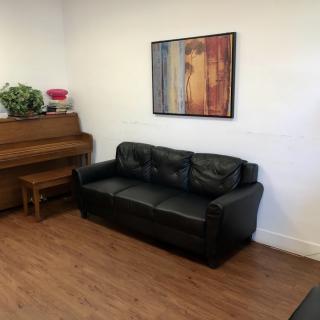
    A cozy living room with a black leather sofa, a wooden piano, and colorful artwork on the wall.
  • Outdoors

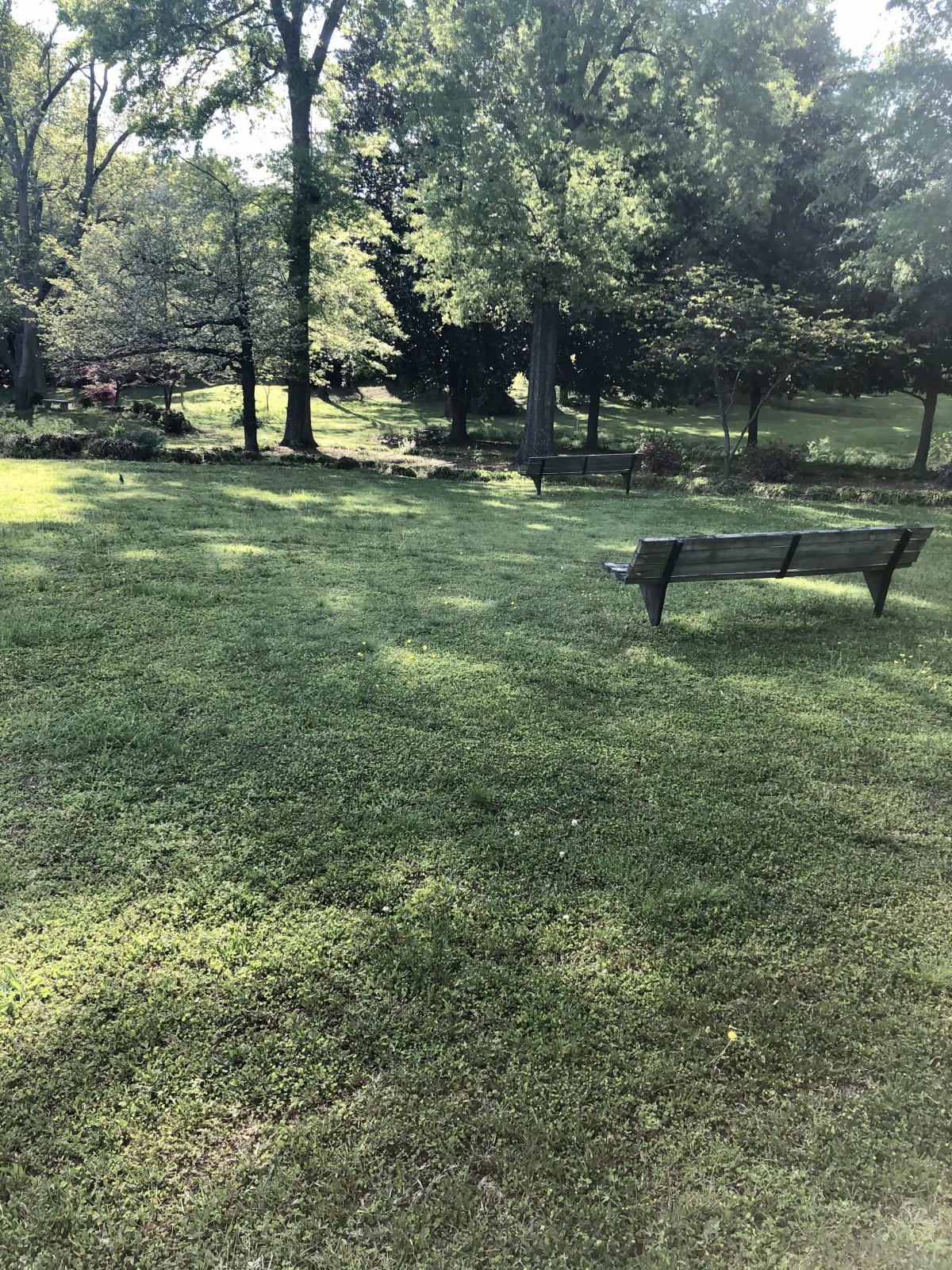
    A serene park scene featuring a lone bench amidst green grass and tall trees.
  • Decor

    A festive living room with a decorated Christmas tree and a sofa piled high with colorful wrapped presents.
  • Living Room

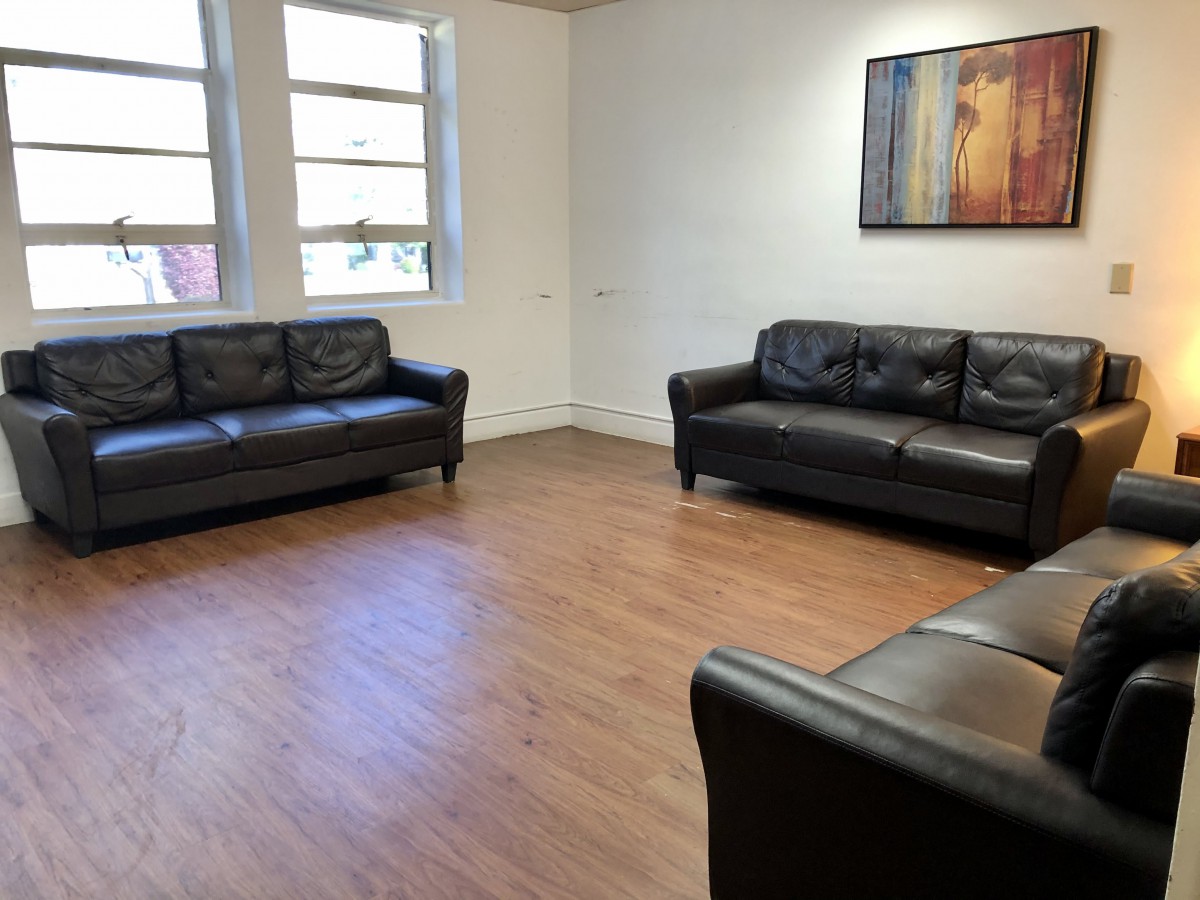
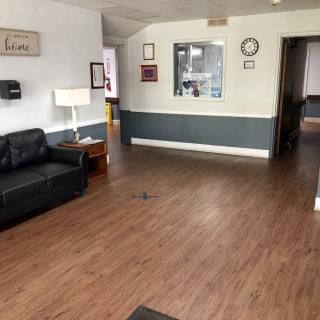
    A minimalist living room with leather sofas and wooden flooring.
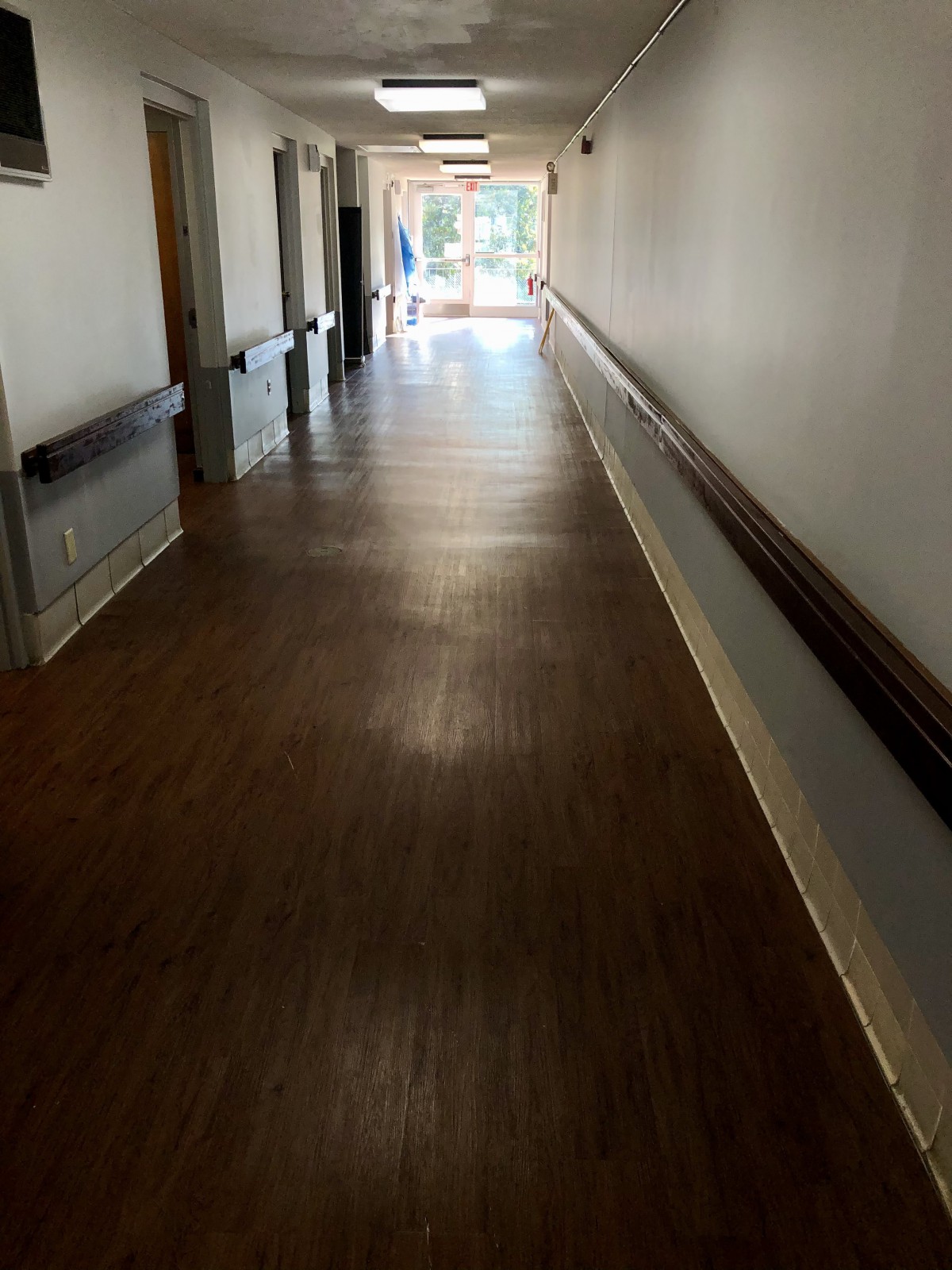
  • Building

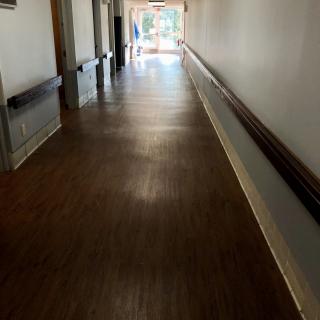
    An empty hallway with wooden flooring and handrails on the walls.
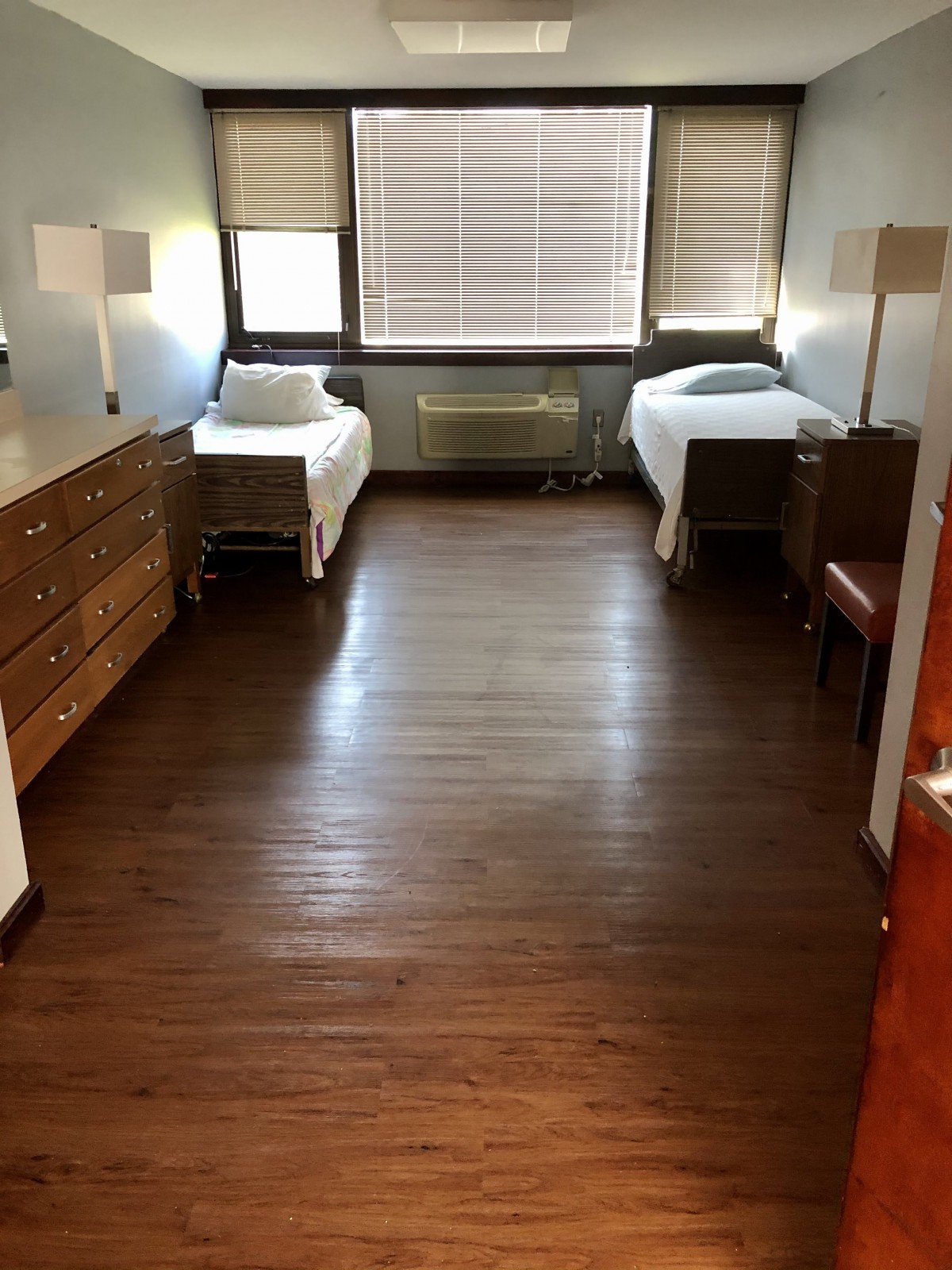
  • Bedroom

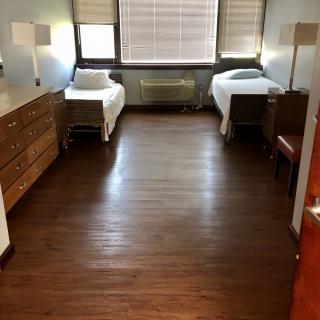
    A minimalist dorm room with twin beds, wooden flooring, and simple furnishings.
  • Trees

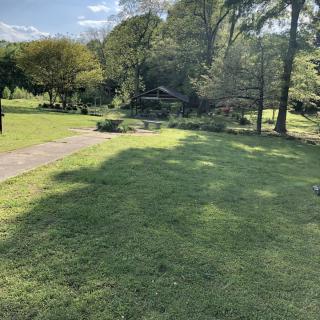
    A serene garden landscape with a grassy area, trees, and a pathway on a sunny day.
  • Dining

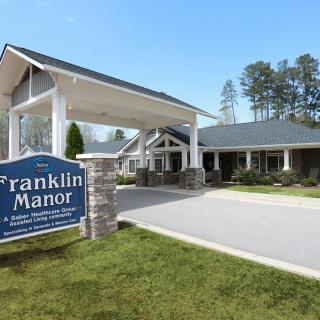
    A restaurant with a brick sign and green awning, surrounded by neatly trimmed bushes.
  • Landscaping

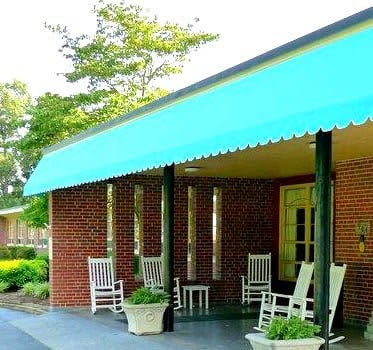
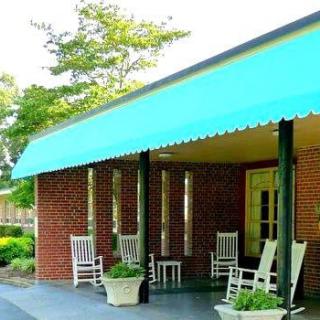
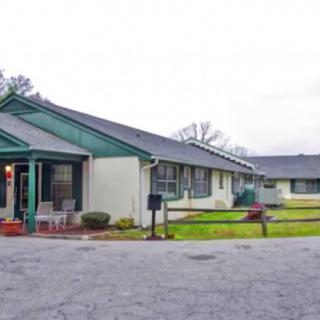
    A cozy porch with a blue awning, featuring rocking chairs and potted plants.
  • Wall Art

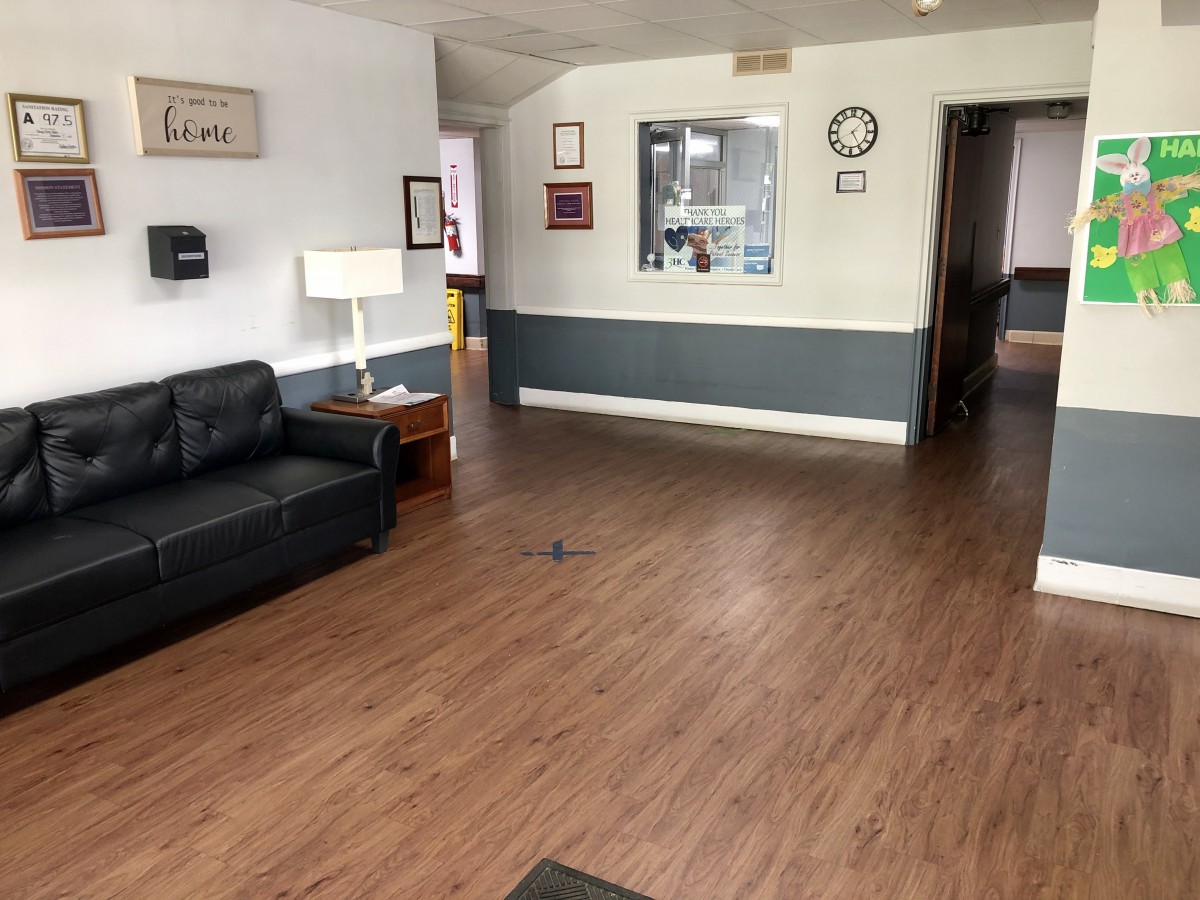
    A cozy waiting room with a black sofa, wooden flooring, and wall decor.
  • Window Blinds

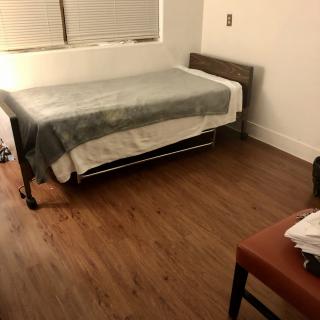
    A simple and minimalist bedroom with a single bed and wooden flooring.

Toney Rest Home in Oxford, NC

904 Raleigh St, Oxford, NC 27565

For more information about senior living options: (844) 490-3973

3.6 from 20 reviews
5 stars
8
4 stars
6
3 stars
1
2 stars
0
1 stars
5

Assisted Living Memory Care

Toney Rest Home Costs & Pricing

Toney Rest Home offers a range of residential options at competitive prices when compared to both Vance County and the broader North Carolina area. For individuals seeking semi-private accommodations, Toney Rest Home charges $2,400 per month, significantly lower than the county average of $3,465 and well below the state average of $3,584. This trend continues with their one-bedroom units, priced between $3,015 and $3,500; these costs are more favorable than Vance County's average of $2,714 while remaining competitive against North Carolina's higher state average of $4,055. Additionally, the two-bedroom option at Toney Rest Home is offered at $3,380 - again undercutting the local county rate of $3,485 and the state's overall pricing for similar accommodations at $4,245. Overall, Toney Rest Home represents a cost-effective choice for those looking for quality care without compromising on comfort or financial stability.

Floor plansToney Rest HomeVance CountyNorth Carolina
Semi-Private$2,400$3,465$3,584
1 Bedroom$3,015 to $3,500$2,714$4,055
2 Bedrooms$3,380$3,485$4,245

What level of care are you interested in?

Assisted Living

Memory Care

Independent Living

Skilled Nursing Facility

Continuing Care Retirement Community (CCRC)CCRC

Other


Request a tour at Toney Rest Home

    Overall Review of Toney Rest Home

    Pros

    • pro The staff at Toney Rest Home are great and provide excellent care.
    • pro The staff are courteous and caring, and the facility is clean and well maintained.
    • pro Toney Rest Home feels like family because the staff truly cares about residents and meets their needs.
    • pro The staff are awesome, caring, and loving, and families are welcomed with warmth and care.
    • pro The caretakers are friendly and the administrator is amazing.
    • pro The facility is clean and well-kept, with safety and caring staff that make it a good value.
    • pro The staff are highly dedicated, patient, and attentive to each resident's engagement and well-being.
    • pro Visitors note that the staff help residents feel comfortable and are receptive to family involvement.

    Cons

    • pro The facility was awful, and no one would want to send a loved one there.
    • pro The urine smell was overwhelming at the entrance.
    • pro The rooms were filthy with roaches and beds often lacked sheets.
    • pro The administration was cold and uncaring.
    • pro There were wet diapers on the bathroom floor and rolls of wet toilet paper on the bathtub floor.
    • pro The staff were lazy and talked about everyone's business.
    • pro The facility is not suitable for dementia patients.
    • pro Some reviewers concluded the facility should be shut down.

    Review

    This community is best suited for families seeking an affordable, homey assisted-living option in Oxford where staff presence and personal attention matter most. It works well for residents who thrive in a small, community-oriented setting, where caregivers know the names, routines, and preferences of the people living there. The emphasis is on safety, warmth, and everyday connection rather than showroom amenities or flashy interiors. Those who want highly structured dementia programming, cutting-edge facility design, or high-end services should consider alternatives. For a resident who values a familiar, family-like atmosphere and predictable, attentive care, this is a compelling choice; for someone requiring intensive medical oversight or sophisticated memory-care protocols, it may fall short.

    The core strengths come from the staff, who are consistently described as caring, courteous, and engaged. Families report notable warmth, genuine concern for residents, and strong communication with relatives. The facility is kept clean and orderly, and residents often show increased participation in activities and social moments when visitors are present. Several reviews highlight an administrator who facilitates a supportive, respectful environment, reinforcing the sense that this is a place where care aligns with compassion. For families prioritizing steady human connection, these elements translate into meaningful daily life and a reassuring sense of dependable oversight.

    Another clear advantage is the home-like culture combined with practical affordability. The setting may lack modern polish, but it delivers safety and dependable staffing at a price point that many families find accessible. The consistent portrayal of residents engaging in board games, TV time, and group activities in a relaxed, familiar space contributes to a feeling that residents are not simply housed but known and involved. In short, the value proposition rests on reliable caregiving and daily opportunities for social interaction, rather than on luxury features or cutting-edge programming.

    Yet the experience is not uniform, and several significant caveats surface in the feedback. A few families describe disquieting issues, including strong odors and, in one case, severe sanitation concerns, with roaches and beds without fresh sheets cited as red flags. There are mentions of rooms moving multiple times for individual residents, which can disrupt a sense of stability. A handful of reviews point to inconsistent activity schedules and limited dining options, with some feeling the overall atmosphere or management style at times dismissive or less responsive. Notably, one reviewer explicitly cautions that this may not be suitable for dementia patients, underscoring the need to match program offerings to specific cognitive and behavioral needs.

    The upshot is that the pros can substantially offset the cons for many families, but only when expectations align with reality. The strongest offset comes from the evident care ethic: staff who know residents, a clean, safe environment, and clear lines of communication with families. These factors often translate into improved well-being for residents and peace of mind for relatives, particularly in cases where medical complexity is not extreme and social engagement matters most. However, the variability in experiences means potential residents should approach with a critical eye: request recent references, tour during different times of day, and probe specifically about dementia programming, activity consistency, and real-time responses to concerns.

    Bottom line: Toney Rest Home can be a solid fit for families seeking an affordable, family-centered environment with attentive, personable staff and a community feel. It excels when caregiving and companionship are the primary priorities and when residents do not require top-tier amenities or specialized memory-care infrastructure. For families prioritizing modern d?cor, flawless sanitation records, or rigorous, specialized dementia programming, alternatives should be explored. Prospective reviewers should visit with a concrete checklist: observe daily routines, assess meal quality and consistency of activities, verify room stability, and speak candidly with current families about how concerns are addressed. This approach will reveal whether the strengths align with the resident's needs and the family's expectations.

    Features

    Types of Care

    • Assisted Living Assisted LivingAssisted living facilities provide crucial support and care for seniors who may need help with daily tasks such as medication management, bathing, and meal preparation. These communities offer a safe and comfortable environment where seniors can maintain their independence while receiving the assistance they need to thrive in their golden years.
    • Memory Care Memory CareMemory care is crucial for seniors as it provides specialized support and services for individuals with dementia or Alzheimer's disease. These programs offer a safe and secure environment where residents receive personalized care, cognitive stimulation, and help with daily activities. Memory care helps seniors maintain their independence, quality of life, and dignity while also providing peace of mind for their families.

    Amenities

    • Activities off-site Activities off-siteEngaging in off-site activities is crucial for seniors to maintain social connections, stay active, and stimulate their minds. It promotes overall well-being and helps combat feelings of isolation and loneliness.
    • Activities on-site Activities on-siteActivities on-site are important for seniors because they provide opportunities for socialization, mental stimulation, physical activity, and overall well-being. Engaging in activities can help seniors stay active, maintain their independence, and improve their quality of life.
    • Air-conditioning Air-conditioningAir conditioning is important for seniors as they are more vulnerable to heat-related illnesses and may have underlying health conditions that make it difficult for them to regulate their body temperature. It helps to keep them comfortable, safe, and healthy in hot weather.
    • Bath tubs Bath tubsBath tubs are important for seniors because they provide a safe and relaxing way to bathe, helping to prevent slips and falls while promoting independence and overall well-being.
    • Beautician on-site Beautician on-siteHaving a beautician on-site at a senior living community is important for seniors as it allows them to easily access grooming and personal care services, boosting their self-esteem and overall well-being. It also provides convenience and helps seniors maintain their sense of independence and personal style.
    • Cable or satellite TV Cable or satellite TVCable or satellite TV is important for seniors because it provides entertainment, news, and companionship, helping to combat loneliness and boredom. It also offers a wide range of programming options tailored to different interests and preferences.
    • Devotional services off-site Devotional services off-siteDevotional services off-site are important for seniors as they provide spiritual nourishment, social engagement, and a sense of community outside of the senior living facility. This can enhance overall well-being and help combat feelings of isolation and loneliness often experienced by older adults.
    • Devotional services on-site Devotional services on-siteDevotional services on-site provide seniors with spiritual support and a sense of community, as well as an opportunity for reflection and guidance during their senior living experience. This can promote emotional well-being and connection to others, leading to a more fulfilling and enriching lifestyle in their later years.
    • Ground floor units Ground floor unitsGround floor units are important for seniors because they provide easy accessibility, reduced risk of falls and injuries, and convenience for those with mobility issues. Seniors can avoid climbing stairs or using elevators, making daily tasks and activities more manageable and enjoyable.
    • Handicap accessible Handicap accessible"Handicap accessible" amenities are crucial for seniors to ensure they can easily navigate and access facilities, services, and activities without barriers or limitations due to physical impairments. This promotes independence, safety, and inclusivity for seniors in senior living communities.
    • Indoor common areas Indoor common areasIndoor common areas are crucial for seniors as they provide a space for socialization, recreation, and community engagement, promoting overall well-being and reducing feelings of isolation and loneliness.
    • Outdoor common areas Outdoor common areasOutdoor common areas are important for seniors as they provide a space for socialization, physical activity, and relaxation. Being outside in nature can improve mood and overall well-being, while also encouraging movement and engagement with others. These spaces can help combat feelings of isolation and promote a sense of community among residents.
    • Respite or short term stays offered Respite or short term stays offeredRespite or short term stays provide seniors with a temporary solution when their regular caregiver is unavailable, offering them the opportunity to receive additional care and support during times of need, while also giving caregivers a chance to rest and recharge.
    • Wi-Fi/high-speed internet available Wi-Fi/high-speed internet availableWi-Fi/high-speed internet is important for seniors to stay connected with loved ones, access online resources, and participate in virtual activities to combat feelings of loneliness and isolation. It also allows them to easily manage healthcare needs, access entertainment, and engage in lifelong learning opportunities.

    Care Services

    • Ambulatory care Ambulatory care"Ambulatory care services provide essential medical support and treatment to seniors without requiring hospitalization, allowing them to maintain their independence and quality of life while managing chronic conditions or receiving routine medical care."
    • Diabetic care Diabetic careDiabetic care is crucial for seniors as they are more susceptible to developing diabetes due to aging and other health conditions. Proper management of diabetes can help prevent complications such as heart disease, vision loss, and nerve damage, improving the overall quality of life for seniors in senior living communities.
    • Incontinence care Incontinence careIncontinence care is essential for seniors to maintain their dignity, hygiene, and overall quality of life. By addressing incontinence issues promptly and effectively, seniors can enjoy a sense of independence and comfort in their daily activities.
    • Medication management Medication managementMedication management is crucial for seniors to ensure they are taking the right medications at the correct dosages and times. This helps prevent adverse drug interactions, reduces the risk of medication errors, and promotes overall health and well-being. Proactive management also allows for adjustments as needed based on changing health conditions or new prescriptions.

    Dining

    • Low / no sodium Low / no sodiumLow/no sodium options are important for seniors because excessive sodium intake can lead to high blood pressure, heart disease, and other health issues commonly experienced by older adults. By choosing low/no sodium foods, seniors can better manage their health and reduce their risk of developing these conditions.
    • Meals provided Meals provided"Meals provided" are crucial for seniors in assisted living communities as it ensures they have access to nutritious, balanced meals without the stress of meal planning and preparation. This can help promote overall health and well-being for seniors who may have limited mobility or cognitive abilities.
    • No Sugar No SugarNo sugar diets are important for seniors because they can help prevent or manage chronic conditions such as diabetes, heart disease, and obesity. Sugar can also contribute to cognitive decline and inflammation in the body, so reducing sugar intake can lead to overall improved health and well-being in older adults.
    • Room service Room serviceRoom service is important for seniors in a senior living community because it provides convenience and allows them to have their meals delivered directly to their room. This can be especially beneficial for seniors who may have mobility issues or difficulty accessing the dining area. Room service ensures that seniors are able to receive nutritious meals without having to navigate through the facility, allowing them to maintain their independence and overall well-being.

    Activities

    • Activities off-site Activities off-siteEngaging in off-site activities is crucial for seniors to maintain social connections, stay active, and stimulate their minds. It promotes overall well-being and helps combat feelings of isolation and loneliness.
    • Activities on-site Activities on-siteActivities on-site are important for seniors because they provide opportunities for socialization, mental stimulation, physical activity, and overall well-being. Engaging in activities can help seniors stay active, maintain their independence, and improve their quality of life.
    • Art classes Art classesArt classes are important for seniors because they provide a creative outlet, improve cognitive function, reduce stress and anxiety, promote socialization, and enhance overall well-being and quality of life.
    • BBQs or picnics BBQs or picnicsBBQs or picnics provide seniors with social interaction, enjoyment of the outdoors, and a sense of community, contributing to their overall well-being and quality of life.
    • Catholic services Catholic servicesCatholic services are important for seniors because they provide spiritual support, a sense of community, and opportunities for social interaction that can enhance overall well-being and quality of life in their later years.
    • Day trips and outings Day trips and outingsDay trips and outings are important for seniors as they provide opportunities for socialization, mental stimulation, physical activity, and a break from daily routines. These experiences can enhance overall well-being and quality of life for older adults living in senior communities.
    • Devotional activities offsite Devotional activities offsiteDevotional activities offsite are important for seniors because they provide social engagement, spiritual growth, and a sense of community outside of their living environment. This can improve overall well-being, mental health, and combat feelings of isolation or loneliness.
    • Devotional activities on-site Devotional activities on-siteDevotional activities on-site provide seniors with a sense of community, spiritual fulfillment, and emotional support, promoting overall well-being and a positive sense of purpose in their lives.
    • Gardening club Gardening clubGardening clubs are important for seniors because they provide a sense of community, promote physical activity and mental well-being, and offer opportunities for socialization and connection with nature. Gardening can also improve cognitive function and overall quality of life for seniors.
    • Holiday parties Holiday partiesHoliday parties are important for seniors because they provide opportunities for socialization, community involvement, and mental stimulation. These festive events offer a sense of belonging and connection during a time that can be lonely for many older adults. Additionally, participating in holiday celebrations can boost mood and overall well-being for seniors living in senior living communities.
    • Light therapy programs Light therapy programsLight therapy programs are important for seniors because they can help improve mood, regulate sleep patterns, and reduce symptoms of depression and anxiety. Exposure to natural light can also have positive effects on cognitive function and overall well-being in older adults.

    • Protestant services Protestant servicesProtestant services are important for seniors because they provide spiritual nourishment, community support, and a sense of belonging. These services can help seniors connect with others who share their faith, find comfort and guidance in times of need, and maintain a sense of purpose and fulfillment in their later years.

    Description

    The Toney Rest Home in Oxford, NC is an assisted living community that specializes in memory care. Our dedicated staff is committed to providing personalized care for individuals with Alzheimer's disease and other forms of dementia.

    At Toney Rest Home, we offer a range of amenities designed to enhance the quality of life for our residents. Our spacious and comfortable living areas are equipped with air-conditioning to ensure a pleasant and cozy environment. Residents can enjoy cable or satellite TV in their rooms, as well as Wi-Fi/high-speed internet throughout the facility. We also have beautiful outdoor common areas where residents can relax and socialize with friends and family.

    Our care services focus on meeting the unique needs of individuals with memory impairment. Our trained staff provides diabetic care, assisting residents with managing their medication and monitoring their blood sugar levels. We also offer incontinence care for those who require assistance in this area.

    Meals at Toney Rest Home are provided, and we accommodate special dietary needs such as no sugar options. Our experienced kitchen staff prepares delicious and nutritious meals that cater to individual preferences and dietary restrictions. For added convenience, room service is available.

    Engaging activities are an integral part of life at Toney Rest Home. Residents can participate in a variety of on-site activities, including art classes, gardening club, holiday parties, and light therapy programs. We also organize day trips and outings so that residents can explore the local community and enjoy new experiences.

    In addition to on-site devotional services, we also offer off-site devotional activities for those who wish to attend religious services outside the community.

    At Toney Rest Home, we strive to create a warm and welcoming environment where individuals with memory impairment feel safe, supported, and engaged. Whether it's through our exceptional care services or our diverse range of amenities and activities, we are dedicated to enhancing the overall well-being of our residents.

    Nearby Places of Interest

    This part of Oxford, North Carolina offers a variety of amenities that cater to the needs of seniors. With multiple physician offices and pharmacies in close proximity, residents will have easy access to healthcare services. The presence of several places of worship provides opportunities for spiritual reflection and community engagement. Additionally, there are a few dining options ranging from fast food to local breweries, catering to different preferences. The abundance of parks nearby offer recreational opportunities for outdoor activities and relaxation. Lastly, the availability of cafes like Back Alley Coffee Roasters and Panera Bread provide cozy spots for socializing and enjoying a cup of coffee. Overall, this area provides a balanced mix of healthcare facilities, recreational spaces, dining options, and social environments suitable for senior living.

    Physicians

    • Rural Health Group (10.2 miles)
    • Stovall Medical Center (10.2 miles)
    • Clarksville Family Practice (22 miles)
    • Duke Primary Care Wake Forest (23.3 miles)
    • Rural Health Group (23.6 miles)
    • Wake Specialty Physicians Women's Center (24 miles)
    • Duke Primary Care Heritage Pediatrics (24.3 miles)

    Places of Worship

    • Philadelphia Church (14.1 miles)
    • Jonathan Creek Baptist Church (16.4 miles)
    • St Catherine of Siena Catholic Church (22.6 miles)

    Restaurants

    • McDonald's (18.6 miles)
    • Char Grill (20.6 miles)
    • Buggs Island Brewing Company (22 miles)
    • McDonald's (22.3 miles)

    Pharmacies

    • Clarksville Community Pharmacy (21 miles)
    • CVS Pharmacy (21.6 miles)
    • Walgreens (22.4 miles)
    • CVS Pharmacy (22.5 miles)
    • Target Pharmacy (22.6 miles)
    • Walgreens (24.1 miles)

    Parks

    • E. Carroll Joyner Park (21.3 miles)
    • County Line State Park (21.4 miles)
    • Occoneechee State Park (22.4 miles)
    • North Bend Park and Campground (24.6 miles)

    Cafes

    • Back Alley Coffee Roasters (22.7 miles)
    • Panera Bread (23.2 miles)

    Frequently Asked Questions

    How much does it cost to live at Toney Rest Home in Oxford, NC?
    Where is Toney Rest Home?
    Does Toney Rest Home provide care for residents with dementia or Alzheimer's disease?
    What photos are available for Toney Rest Home in Oxford, North Carolina?

    Nearby Communities

    • Summit Communities

      Summit Communities

      Oxford, NC


      pro Restaurant-style dining with transportation and robust wellness and activity options.

    • Whitmore Retirement Ctr

      Whitmore Retirement Ctr

      Oxford, NC

      4.7 from 3 reviews
       

      pro Friendly, responsive staff and reliable three-meal dining create a welcoming community.

    • S & J Family Care Home

      S & J Family Care Home

      Oxford, NC

      5 from 1 review
       

      pro Small, personalized, home-like care.

    • Londyn's Bridge

      Londyn's Bridge

      Oxford, NC

       
      $4,529 to $5,887 / month

      pro Premium amenities with comprehensive care (24/7 supervision, diabetes-friendly dining, transportation to appointments, daily activities).

    • Davis Family Care Home

      Davis Family Care Home

      Oxford, NC


      pro Small, home-like setting with personalized, 24/7 supervision and ADL support.

    • Maxim Healthcare

      Maxim Healthcare

      Oxford, NC


      pro On-site parking and attractive exterior with landscaping.

    • Pelican Health Henderson

      Pelican Health Henderson

      Henderson, NC

      3.7 from 42 reviews
       

      pro Caring staff and excellent care for residents.

    • Franklin Manor Assisted Living Center

      Franklin Manor Assisted Living Center

      Youngsville, NC

      3.6 from 74 reviews
      $5,500 to $6,500 / month

      pro Caring staff with engaging activities in clean, comfortable rooms.

    • Louisburg Manor

      Louisburg Manor

      Louisburg, NC

      3 from 11 reviews
       

      pro Warm, home-like atmosphere with attentive staff and on-site services.

    Related Resources

    • dementia careA Holistic Dementia Care Guide: Effective Strategies for Memory Support

      The guide on holistic dementia care outlines the complexity of dementia and stresses the need for individualized caregiver strategies that include medical treatment, psychological support, and environmental adaptations, while emphasizing early detection, various therapeutic options, and caregiver support to enhance quality of life and maintain dignity.

    • dementia careMemory Care Pathways: A Holistic Guide to Dementia Support

      "Memory Care Pathways: A Holistic Guide to Dementia Support" outlines the complexities of dementia and its various types, emphasizing early detection, patient-centered care strategies, caregiver support, and long-term care options while addressing legal and financial considerations to enhance the quality of life for individuals with dementia and their families.

    • sundown syndromeComprehending Evening Confusion in Dementia: Causes, Manifestations, and Support
      Sundown syndrome, or sundowning, is a phenomenon in dementia patients characterized by increased confusion and agitation during late afternoon and evening, influenced by factors like disrupted circadian rhythms and fatigue. Effective caregiver strategies include establishing routines and managing environmental light while addressing caregiver stress through support services.


    Get Pricing Ask A Question Schedule A Tour Contact Senior Advisor