For more information about senior living options: (866) 208-4318
4.3 from 52 reviews
5 stars
42
4 stars
0
3 stars
0
2 stars
2
1 stars
8
Seasons at The Woodview Costs & Pricing
Seasons at The Woodview offers competitive pricing for its various room types, particularly when compared to the broader landscape of Pittsylvania County and Virginia. For a studio, the monthly cost is set at $4,125, which positions it slightly above the county average of $4,088 but remains lower than the state average of $4,436. The semi-private room option aligns with the county's pricing at $5,190; however, it stands in stark contrast to Virginia's average of just $3,991. Meanwhile, private rooms at The Woodview are priced at $5,400 - higher than both the county average of $4,683 and the state figure of $4,684. Overall, while Seasons at The Woodview reflects some variance from local and state benchmarks, it maintains a focus on providing quality accommodations that consider both comfort and community standards.
Floor plans
Seasons at The Woodview
Pittsylvania County
Virginia
Studio
$4,125
$4,088
$4,436
Semi-Private
$5,190
$5,190
$3,991
Private
$5,400
$4,683
$4,684
Overall Review of Seasons at The Woodview
common24 reviews mention this
Staff are described as caring
Residents and families most often praise the staff’s kindness and attentiveness.
Many reviews describe nurses and CNAs as kind, compassionate, and patient, with staff that treats residents with dignity and respect. Several also mention helpful, professional office support and communication that puts families at ease. Even among the more critical reviews, concerns focus more on care execution and responsiveness than on friendliness.
common8 reviews mention this
Care feels clean and well kept
A recurring theme is that the building and environment feel clean and welcoming.
Multiple reviews say the facility is clean and well maintained, describing a supportive, safe environment. Some families also connect cleanliness with feeling confident about their loved one’s care. A small number of negative reviews raise other issues, but they don’t center on cleanliness as the main problem.
common2 reviews mention this
Meals are typically quite good
Residents mention that meals are typically quite good.
In the reviews that discuss day-to-day dining, families say the meals are typically quite good. This aligns with the community’s dining support for special dietary needs, which is reflected in what they offer. Overall, dining shows up less often than staffing and cleanliness, but the feedback it does get is positive.
common2 reviews mention this
Activities department stands out
Families mention a strong activities program.
At least a couple of reviews highlight the activities department and describe it as a positive part of life at the community. Residents and families also reference the broader scheduling of daily activities, not just occasional events. Other reviews focus more on care and staff, so activities are a smaller but clear strength.
caveat3 reviews mention this
Some concerns about staffing and follow-through
A few reviews raise concerns about staffing levels and care follow-through.
Some residents and families note staffing shortages and suggest that patience and communication are important. Others describe breakdowns in addressing needs or delivering expected updates, including issues around getting attention at the right time and using updated information. These concerns are not described by most reviewers, but they do recur in enough accounts to be worth weighing.
How we summarize
Counts show how many written reviews mention each theme; a review can touch several themes, and only frequently mentioned themes are displayed.
Features
Housing
216 resident community capacity
Types of Care
Memory Care
Skilled Nursing Facility
Amenities
Activities off-site
Activities on-site
Air-conditioning
Beautician on-site
Beauty salon
Cable or satellite TV
Computer center
Devotional services on-site
Dining room
Fitness room
Fully furnished
Gaming room
Garden
Housekeeping services
Indoor common areas
Kitchenette
Move-in coordination
Outdoor common areas
Outdoor space
Private
Private bathrooms
Respite or short term stays offered
Restaurant-style dining
Small library
Telephone
Wellness center
Wheelchair accessible showers
Wi-Fi/high-speed internet available
Transportation
Community operated transportation
Transportation arrangement
Transportation arrangement (non-medical)
Transportation to doctors appointments
Care Services
12-16 hour nursing
24-hour call system
24-hour supervision
Activities of daily living assistance
Assistance with bathing
Assistance with dressing
Assistance with transfers
Diabetes diet
Diabetic care
High acuity care
Meal preparation and service
Medication management
Mental wellness program
Special dietary restrictions
Dining
Diabetes diet
Meals provided
Special dietary restrictions
Activities
Activities off-site
Activities on-site
Community-sponsored activities
Concierge services
Devotional activities on-site
Fitness programs
Planned day trips
Resident-run activities
Scheduled daily activities
Nearby Places of Interest
Restaurants
Italian Delight Family Restaurant (0.2 miles)
Burger King (0.2 miles)
Long John Silver's (0.3 miles)
McDonald's (0.3 miles)
Huddle House (0.3 miles)
Papa John's Pizza (0.4 miles)
The Tailgator Sports Grill (0.5 miles)
Physicians
Godocs (0.2 miles)
Sentara Southern Virginia Orthopedics (1.4 miles)
Halifax Heart Center (1.4 miles)
Southern Medical Associates PC (1.4 miles)
Halifax Urology Associates (1.4 miles)
Fernando Gomez-Rivera M.D. (1.4 miles)
Jacqueline Fogarty M.D. (1.4 miles)
Pharmacies
Walgreens (0.2 miles)
CVS Pharmacy (0.3 miles)
Halifax Pharmacy (0.5 miles)
Walmart Pharmacy (0.7 miles)
Hospitals
HRH Ambulatory Surgery (1.5 miles)
Halifax Regional Hospital (1.5 miles)
Places of Worship
Ebenezer Cme Church (1.6 miles)
A.D.B. Ministries (1.7 miles)
Dan River Baptist Association (1.8 miles)
Lykes, Carl D (1.8 miles)
Mayfield Apostolic (2.1 miles)
Halifax United Methodist Church Parsonage (2.1 miles)
Seasons at The Woodview offers competitive pricing for its various room types, particularly when compared to the broader landscape of Pittsylvania County and Virginia. For a studio, the monthly cost is set at $4,125, which positions it slightly above the county average of $4,088 but remains lower than the state average of $4,436. The semi-private room option aligns with the county's pricing at $5,190; however, it stands in stark contrast to Virginia's average of just $3,991. Meanwhile, private rooms at The Woodview are priced at $5,400 - higher than both the county average of $4,683 and the state figure of $4,684. Overall, while Seasons at The Woodview reflects some variance from local and state benchmarks, it maintains a focus on providing quality accommodations that consider both comfort and community standards.
The range of features at Seasons at The Woodview is designed to create a supportive environment tailored to the unique needs of residents experiencing dementia or Alzheimer's disease. With 24-hour supervision, caregivers are always available to ensure safety and provide immediate assistance when needed. Help with activities of daily living, such as bathing and dressing, not only aids in personal hygiene but also fosters dignity and self-esteem. Assistance with transfers ensures mobility and comfort while minimizing the risk of falls. Thoughtfully prepared meals cater to dietary requirements, promoting nutrition while encouraging social interaction during mealtimes. Medication management alleviates concerns about adherence to prescribed treatment regimens, ensuring that residents receive their necessary medications on time. Lastly, the mental wellness program engages residents cognitively and emotionally through structured activities tailored to their interests and abilities, providing meaningful engagement that can enhance cognitive function and overall well-being.
Nearby Communities
Commonwealth Senior Living at South Boston
South Boston, VA
4.7 from 108 reviews
$4,050 to $6,000 / month
Dedicated staff with engaging activities in a clean, homelike setting.
Twin Oaks Convalescent Home
South Boston, VA
4.1 from 7 reviews
Warm community with extensive nearby healthcare and amenities.
Care Advantage of South Boston, VA
South Boston, VA
4.3 from 28 reviews
Compassionate care with easy access to healthcare, amenities, dining, and worship.
Sekpeh's Adult Home
Halifax, VA
Proximity to medical services (pharmacies, physicians, hospitals) and nearby amenities.
Chastain Home For Gentlewomen
Halifax, VA
Small, intimate 9-resident home with 24/7 supervision and comprehensive ADL support.
Boston Commons Ltd
South Boston, VA
3.7 from 3 reviews
Clean, livable environment with friendly staff, high-quality meals, engaging activities, and a pet-friendly policy.
Care Advantage of Danville, VA
Danville, VA
5 from 11 reviews
Loving, caring managers and standout sitters; consistently supportive during tough times.
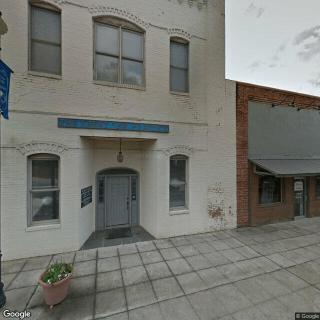
The article compares assisted living and skilled nursing facilities, detailing their differing levels of assistance, medical support, cost structures, and day-to-day experiences. It emphasizes that assisted living is for those needing help with daily activities while maintaining independence, whereas skilled nursing facilities provide intensive medical care with 24-hour staff supervision.
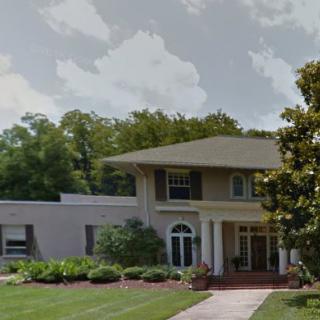
Vibrant Senior Living emphasizes active senior living communities that promote independence and engagement through diverse amenities and activities, fostering wellness and social interaction among older adults. These communities range from independent to assisted living, with a focus on personal growth, family involvement, financial planning, and leveraging technology to enhance residents' experiences.
Assisted living provides moderate support for seniors seeking independence, while memory care offers specialized support for individuals with dementia or cognitive impairments through structured routines and trained staff. Key differences include care approaches, environment security measures, staff training levels, activity types, and cost considerations.
Get PricingAsk A QuestionSchedule A TourContact Senior Advisor
By clicking submit, you agree to our Partner's Terms of Use. You
also consent to receive calls and texts, which may be autodialed, from our Partner. Your consent is not a condition to
using our Partner's service. Please visit our Partner's Privacy Policy for information about their privacy practices.

 216 resident community capacity
 Memory Care
 Skilled Nursing Facility
 Activities off-site
 Air-conditioning
 Beautician on-site
 Cable or satellite TV
 Computer center
 Devotional services on-site
 Dining room
 Fitness room
 Fully furnished
 Gaming room
 Garden
 Housekeeping services
 Indoor common areas
 Kitchenette
 Move-in coordination
 Outdoor common areas
 Private
 Private bathrooms
 Respite or short term stays offered
 Restaurant-style dining
 Small library
 Telephone
 Wellness center
 Wheelchair accessible showers
 Wi-Fi/high-speed internet available
 Community operated transportation
 12-16 hour nursing
 24-hour call system
 Assistance with bathing
 Assistance with dressing
 Assistance with transfers
 Diabetes diet
 Diabetic care
 High acuity care
 Medication management
 Mental wellness program
 Special dietary restrictions
 Concierge services
 Planned day trips
 Dedicated staff with engaging activities in a clean, homelike setting.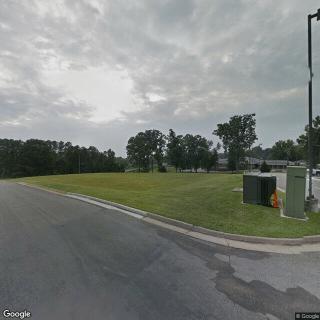


 Exploring the Contrasts Between Assisted Living and Skilled Nursing
 Vibrant Senior Living: A Comprehensive Guide for Active Older Adults
 Assisted Living and Memory Care: Understanding Their Core Differences