Rose Hill Health and Rehab offers competitive pricing for its services, particularly when compared to the broader market in Clarke County and Virginia. The monthly cost for a semi-private room at Rose Hill stands at $5,160, which significantly exceeds the county's average of $3,987 and the state's average of $3,991. On the other hand, the private room rate at Rose Hill is priced at $5,310, aligning perfectly with the county's costs but notably surpassing Virginia's average of $4,684. These figures suggest that while Rose Hill provides quality care that justifies its higher rates, prospective residents and their families might consider evaluating these expenses against the comprehensive services provided to assess overall value.
Floor plans
Rose Hill Health And Rehab
Clarke County
Virginia
Semi-Private
$5,160
$3,987
$3,991
Private
$5,310
$5,310
$4,684
Skilled Nursing Facilities with a similar price nearby
Residents and families repeatedly describe staff as caring, attentive, and helpful.
Many reviews emphasize staff members who listen, respond to needs, and treat residents with respect. Several comments mention social workers and admission staff taking time to explain next steps, guide families, and stay available with questions. A smaller set of reviews is dissatisfied, describing rudeness, short staffing, or poor follow-through on care, but the positive tone is much more common across the reviews.
common28 reviews mention this
Clean facility is a frequent theme
A clean, well-kept facility shows up often in what families notice.
Multiple reviews praise the building as clean, orderly, and well managed, including housekeeping and how the facility looks and smells. That said, there are also reviews that describe serious cleanliness problems, including dirty rooms, urine smells, or unclean restrooms. With both viewpoints present, the cleanliness theme reads as inconsistent: many families were satisfied, while a noticeable minority were not.
differentiator10 reviews mention this
24/7-style support shows up
Reviews and the care offering both point to ongoing, around-the-clock support.
Some reviews specifically mention around-the-clock care and credit nursing and caregivers for helping with daily needs and rehab recovery. The community also offers a 24-hour call system and 24-hour supervision, alongside nursing coverage during the day. A few negative reviews mention gaps such as call bell delays or missed medication administration, which contrasts with the more supportive accounts.
differentiator12 reviews mention this
Rehab and therapies earn praise
Therapy and rehab experiences are repeatedly described as a high point.
Several reviews highlight physical therapy and occupational therapy as strong, with residents or family members describing meaningful progress and support during short stays or post-hospital recovery. Some families also connect therapy outcomes with smoother transitions, including the rehab planning and discharge support they felt during the stay. In contrast, a few negative reviews say therapy was inadequate or that residents didn’t receive the care they expected.
caveat11 reviews mention this
Food is a mixed spot
Dining quality is inconsistent across reviews.
Some reviews say the food was good and even note accommodating special diets. Others explicitly criticize meal quality or say it wasn’t the best, even while balancing that complaint with praise for staff and therapies. The community offers restaurant-style dining and supports special dietary restrictions and diabetes diets, but residents’ day-to-day experiences with meals still vary.
caveat5 reviews mention this
Costs appear higher for some options
Some families raise billing and pricing concerns alongside care feedback.
A few reviews mention billing surprises or a co-pay that wasn’t explained thoroughly. Pricing information also shows that semi-private pricing is above both county and state benchmarks, while private pricing is slightly below the county benchmark but above the state benchmark. Taken together, families may want to confirm total expectations early, especially if you’re comparing private vs. semi-private options.
How we summarize
Counts show how many written reviews mention each theme; a review can touch several themes, and only frequently mentioned themes are displayed.
Features
Housing
120 resident community capacity
Types of Care
Skilled Nursing Facility
Pets
Cats allowed
Dogs allowed
Amenities
Air-conditioning
Beauty salon
Cable or satellite TV
Computer center
Dining room
Fitness room
Fully furnished
Gaming room
Garden
Housekeeping services
Kitchenette
Move-in coordination
Outdoor space
Private
Private bathrooms
Restaurant-style dining
Small library
Telephone
Wellness center
Wi-Fi/high-speed internet available
Transportation
Community operated transportation
Transportation arrangement
Transportation arrangement (non-medical)
Transportation to doctors appointments
Care Services
12-16 hour nursing
24-hour call system
24-hour supervision
Activities of daily living assistance
Assistance with bathing
Assistance with dressing
Assistance with transfers
Diabetes diet
Meal preparation and service
Medication management
Mental wellness program
Special dietary restrictions
Dining
Diabetes diet
Special dietary restrictions
Activities
Community-sponsored activities
Concierge services
Fitness programs
Planned day trips
Resident-run activities
Scheduled daily activities
Nearby Places of Interest
Physicians
Berryville Medical Associates (0.3 miles)
Loudoun Community Midwives (0.3 miles)
Loudoun Pediatric Associates (0.3 miles)
Kathryn Lee Steuer (0.3 miles)
Berryville Medical Associates, PLC Care Clinic (0.6 miles)
Berryville Pediatrics - Loudoun Pediatric Association (1.1 miles)
Rose Hill Health and Rehab offers competitive pricing for its services, particularly when compared to the broader market in Clarke County and Virginia. The monthly cost for a semi-private room at Rose Hill stands at $5,160, which significantly exceeds the county's average of $3,987 and the state's average of $3,991. On the other hand, the private room rate at Rose Hill is priced at $5,310, aligning perfectly with the county's costs but notably surpassing Virginia's average of $4,684. These figures suggest that while Rose Hill provides quality care that justifies its higher rates, prospective residents and their families might consider evaluating these expenses against the comprehensive services provided to assess overall value.
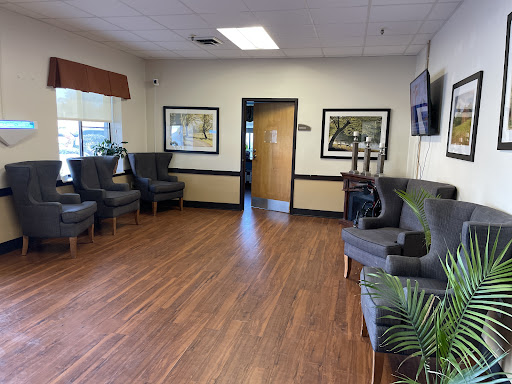
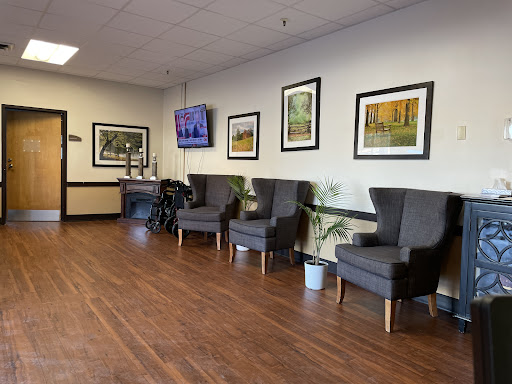
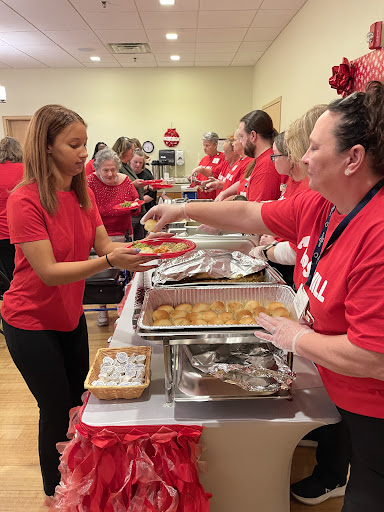
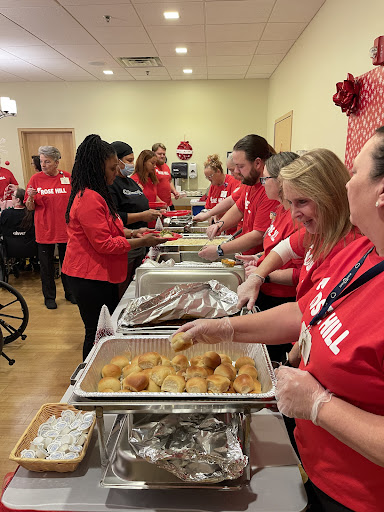
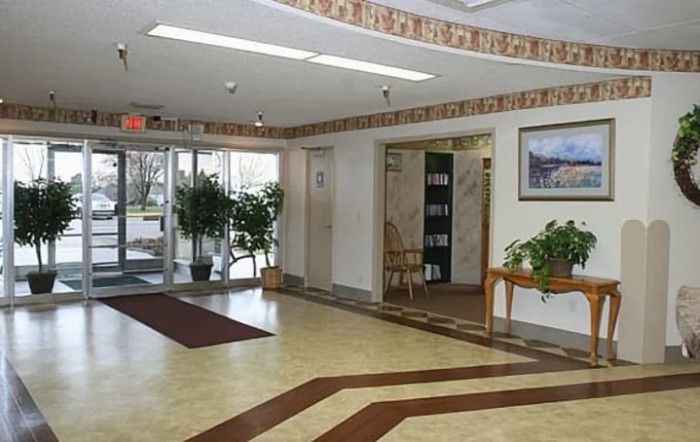
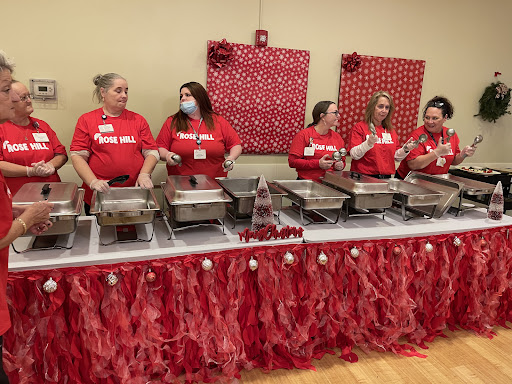
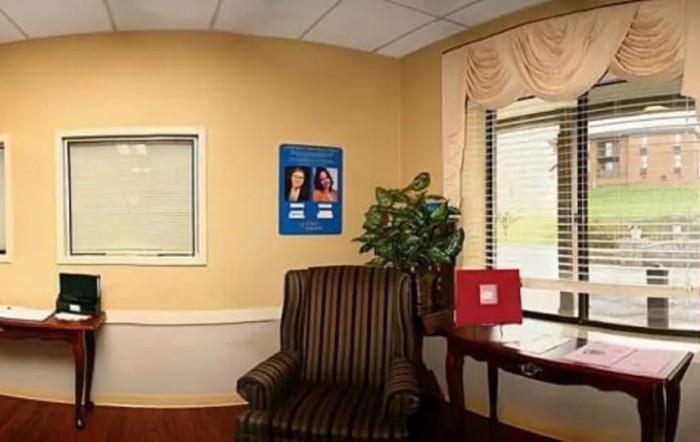
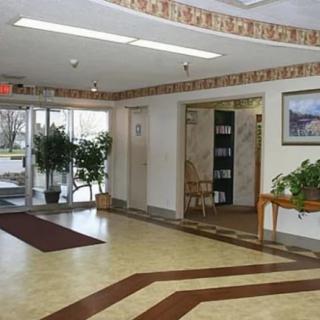
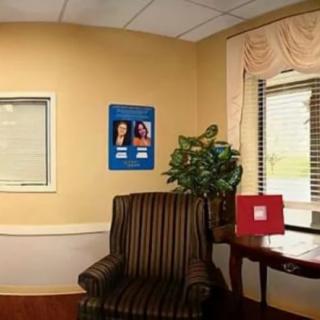
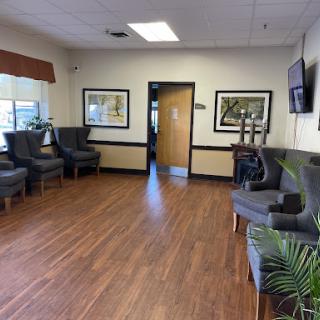
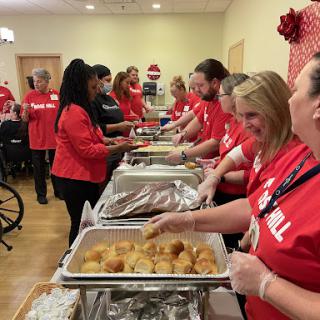
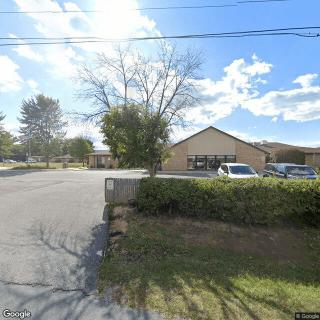
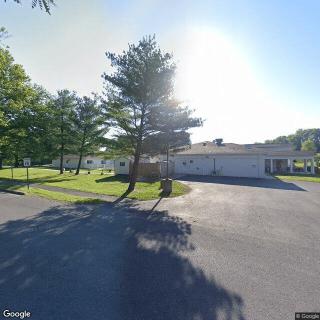
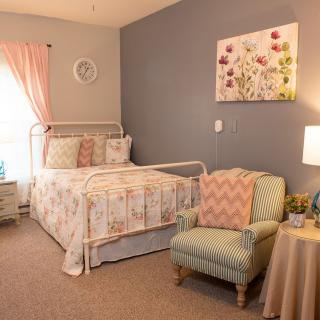
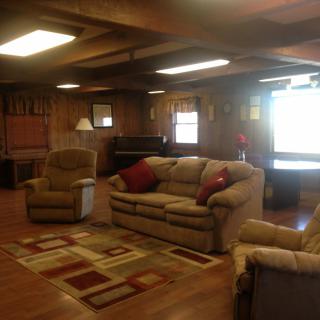
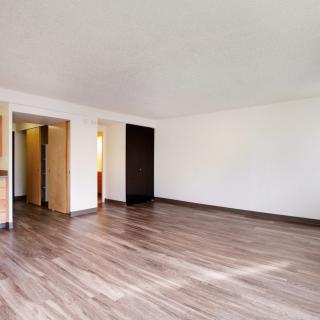
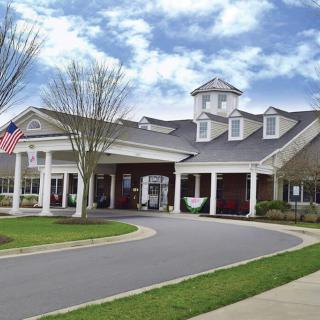
Rose Hill Health And Rehab on seniors.fyi includes 13 photos including images showing dining, interior, decor, windows, seating area, plant, healthcare, waiting area, and more.
Nearby Communities
The Retreat at Berryville
Berryville, VA
4.3 from 52 reviews
$4,300 to $6,250 / month
Clean, modern facility with friendly staff and engaging activities.
Godfrey House
Berryville, VA
3.7 from 6 reviews
$2,500 to $2,800 / month
Exceptional care with outstanding staff and administration.
Commonwealth Senior Living at Berryville
Berryville, VA
4.4 from 118 reviews
$4,050 to $5,640 / month
Caring, friendly staff; clean facility with engaging activities.
The Retreat At Berryville
Berryville, VA
4.3 from 20 reviews
Specialized memory care with 24/7 supervision and diverse amenities (salon, fitness room, computer center, dining).
Green Valley Commons
Winchester, VA
3.8 from 19 reviews
$3,500 to $4,500 / month
Compassionate staff with high-quality end-of-life care.
Caregiving for an aging parent entails emotional and financial responsibilities accompanied by significant tax implications, including potential benefits from claiming them as dependents and deductions for medical expenses and caregiving costs. Caregivers must understand eligibility requirements, maintain thorough documentation, and consider consulting a tax professional to navigate these complexities effectively.
Low-impact exercises are vital for seniors as they promote health, independence, and social interaction while reducing joint strain. These adaptable activities, guided by healthcare professionals, enhance strength, flexibility, and emotional well-being.
The guide details the tax deductibility of in-home healthcare expenses according to IRS guidelines, differentiating between medically necessary services and non-medical assistance, while emphasizing the need for proper documentation and itemization requirements. It also highlights state-level variations, the importance of record-keeping, and encourages seeking professional tax help to understand evolving regulations.
Get PricingAsk A QuestionSchedule A TourContact Senior Advisor
By clicking submit, you agree to our Partner's Terms of Use. You
also consent to receive calls and texts, which may be autodialed, from our Partner. Your consent is not a condition to
using our Partner's service. Please visit our Partner's Privacy Policy for information about their privacy practices.












 120 resident community capacity
 Skilled Nursing Facility
 Cats allowed
 Dogs allowed
 Air-conditioning
 Beauty salon
 Cable or satellite TV
 Computer center
 Dining room
 Fitness room
 Fully furnished
 Gaming room
 Garden
 Housekeeping services
 Kitchenette
 Move-in coordination
 Outdoor space
 Private
 Private bathrooms
 Restaurant-style dining
 Small library
 Telephone
 Wellness center
 Wi-Fi/high-speed internet available
 Community operated transportation
 12-16 hour nursing
 24-hour call system
 Activities of daily living assistance
 Assistance with bathing
 Assistance with dressing
 Assistance with transfers
 Diabetes diet
 Medication management
 Mental wellness program
 Special dietary restrictions
 Concierge services
 Planned day trips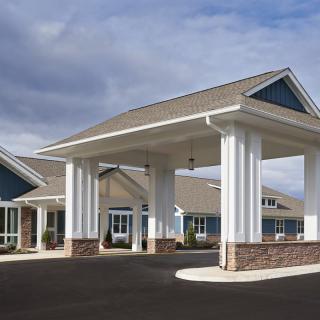
 Clean, modern facility with friendly staff and engaging activities.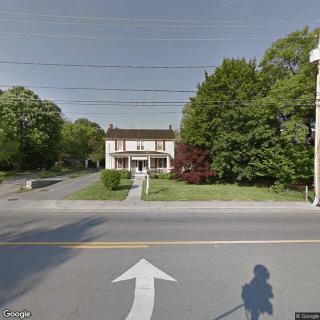


 Navigating the Tax Landscape of Caregiving: Credits, Deductions, and Beyond
 Highly Beneficial Low-Impact Exercises for Senior Living Residents
 Is In-Home Healthcare Tax Deductible? Your Comprehensive Guide