
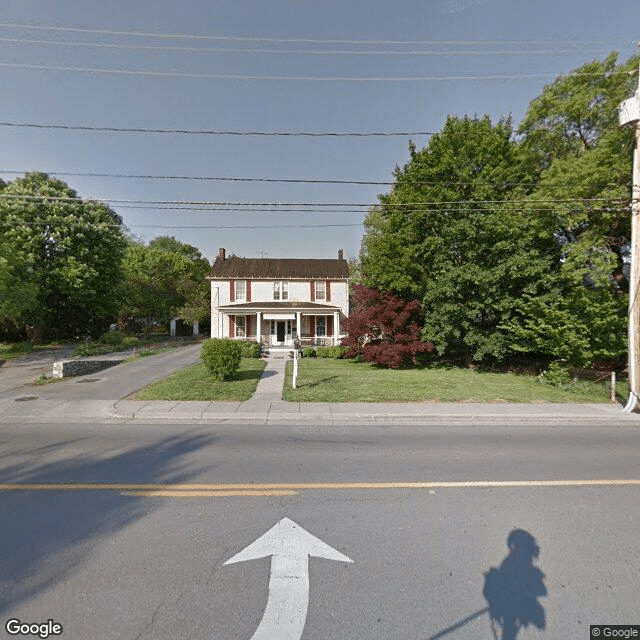
210 West Main Street, Berryville, VA 22611
For more information about senior living options: (866) 208-4318
Godfrey House Costs & Pricing
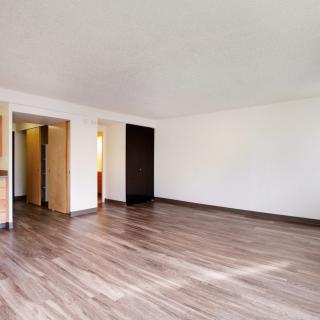
Godfrey House offers competitive pricing for its residential options, particularly when compared to both Clarke County and the broader state of Virginia. For those considering semi-private accommodations, Godfrey House charges $2,500 per month, significantly lower than Clarke County's average of $3,987 and Virginia's average of $3,991. Similarly, the studio option at Godfrey House is priced at $2,800, which again presents a more affordable choice compared to Clarke County's $3,808 and Virginia's $4,436. These attractive monthly rates make Godfrey House an appealing option for individuals seeking quality care without the steep financial burden often associated with similar facilities in the area.
| Floor plans | Godfrey House | Clarke County | Virginia |
|---|---|---|---|
| Semi-Private | $2,500 | $3,987 | $3,991 |
| Studio | $2,800 | $3,808 | $4,436 |
Assisted Living communities with a similar price nearby
-
from +$450 / mo

Woodland Assisted Living
$2,950 to $4,950 / month21.5 miles away -
About the same

Royal Haven Front Royal
$2,500 to $2,800 / month20.5 miles away -
from -$100 / mo
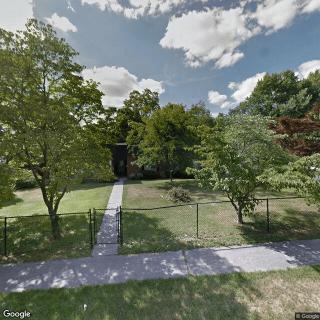
Royal Haven Winchester
$2,400 to $3,200 / month10.3 miles away
Overall Review of Godfrey House
Pros
 The care is exceptional and the staff and administration are excellent.
- The care is very good.
Cons
 The facility is too small; mom would want more interaction than 18 residents.
Review
Godfrey House in Berryville is best suited for families seeking an intimate, high-touch assisted living where care quality and staff oversight are the core strengths. The community operates on a small, predictable footprint, and residents benefit from caregivers who know their routines, preferences, and medical needs well. The administration is repeatedly described as excellent, with care that is attentive, responsive, and well-coordinated with any outside providers. For families prioritizing safety, consistency, and personalized attention over a bustling campus atmosphere, Godfrey House delivers with a rare level of accessibility and hands-on oversight that helps reduce the ambiguity that can accompany larger settings.
Those who may want to consider alternatives are those who prize breadth of social opportunities and a more expansive program calendar. With only about 18 residents, social circles naturally stay compact, and opportunities for large-group activities or spontaneous interactions are inherently limited. If a resident thrives on a busy social life, frequent group outings, and the vibrancy of a larger resident community, the intimate scale can feel insufficient. In practice, this environment favors deeper one-on-one connections and steadier roommate and staff routines, qualities that work beautifully for some, but not for others who measure value by volume of engagement and variety.
The strongest pro, the exceptional quality of care and the excellence of staff and administration, largely offsets the most salient drawback. A small after-hours crisis is less likely to go unaddressed, and caregivers can track subtle changes in health or mood with a steady hand. Residents benefit from consistent faces, fewer shifts of unfamiliar aides, and a governance culture that emphasizes dependable, person-centered care. When a resident needs timely assistance, medication management, or careful coordination with clinicians, these strengths translate into tangible peace of mind for families and a sense of security for the individual.
However, the same tight footprint that supports personalized attention also constrains social stimulation and program variety. Residents may encounter a slower pace of activity development and a narrower slate of events than what larger communities routinely offer. For a senior who views daily engagement as a core value, whether through group classes, intergenerational activities, or frequent social excursions, the small size can feel limiting. Families should weigh the emotional and psychological benefits of strong caregiver relationships against the potential frustration of fewer peers and fewer chances for casual, ongoing interactions.
Practically, this recommendation hinges on a careful visit with a focused checklist. Seek clarity on staff-to-resident ratios across day and night shifts, and ask how turnover is managed to preserve consistency in care. Review the care-planning process: how often are plans updated, who approves changes, and how are family members kept in the loop? Inquire about the activity calendar, resident-led initiatives, and opportunities for personalized programming that align with individual hobbies. Confirm transportation arrangements for appointments or outings and explore respite or short-term stay options to test compatibility before a longer commitment.
In sum, Godfrey House represents a compelling choice for families prioritizing superior care, attentiveness, and orderly operation within a small community. The exceptional care and capable administration create a foundation of trust that is hard to match in larger settings. If social breadth, abundant group programming, and a bustling resident life are non-negotiables, the decision should lean toward alternatives with more residents and wider activity options. For those who value a calm, closely supported environment where staff know residents by name and respond with efficiency, Godfrey House stands up as a strong, sensible fit.
 22 resident community capacity
 Assisted Living
 Activities off-site
 Bath tubs
 Beauty salon
 Cable or satellite TV
 Devotional services off-site
 Dining room
 Fully furnished
 Garden
 Housekeeping services
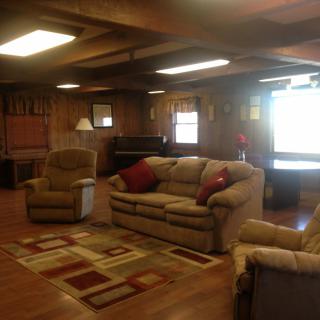
 Indoor common areas
 Kitchenette
 Move-in coordination
 Outdoor space
 Restaurant-style dining
 Small library
 Telephone
 Wheelchair accessible showers
 Wi-Fi/high-speed internet available
 24-hour call system
 Ambulatory care
 Assistance with bathing
 Assistance with dressing
 Assistance with transfers
 Diabetes diet
 Diabetic care
 Medication management
 Mental wellness program
 Special dietary restrictions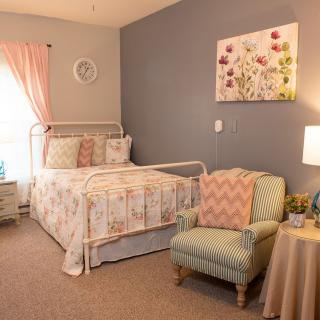






 Medicare Coverage for Assisted Living: An In-Depth Exploration
 Choosing the Right Senior Care: A Detailed Exploration of Assisted Living and Nursing Homes
 Understanding the True Cost of Assisted Living in 2025: A Comprehensive Guide