
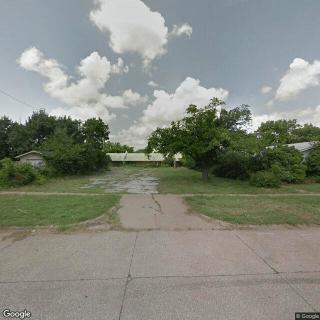
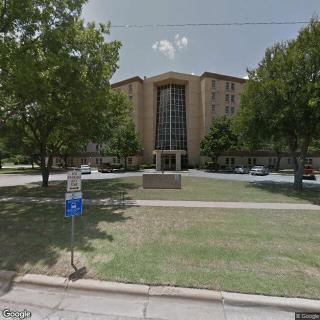
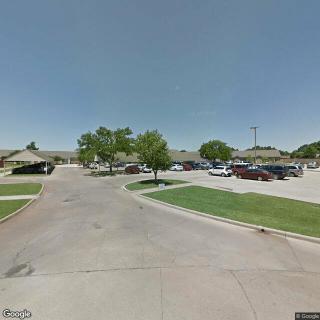
1101 Grace Street, Wichita Falls, TX 76301
For more information about senior living options: (866) 208-4318
Overall Review of Promise Skilled Nursing Facility Of Wichita Falls
Pros
 The staff are very detail-oriented and attentive to each patient's needs.
- They remain calm and collected in crises and handle what is needed.
- They are very good at what they do.
- It is one of the best skilled nursing facilities in Wichita Falls.
Cons
 These facilities are an embarrassment to healthcare.
- The facility is extremely unprofessional and ill-mannered, extending to its administration.
- This patient has a deadly infection and these facilities discharged a patient home with no care at home for the patient or family member to help.
- This patient was medicated incorrectly and these so-called professionals in this facility do not care about their patients.
- This is a completely unsafe and unprofessional place to place a family member.
- There is no Respiratory Therapist on site for ventilator patients; the Respiratory Therapist from the LTAC side has to cover both facilities, which is a terrible situation.
- The facility is dirty.
- The doctor is horrible, though the staff is polite.
- Poor nursing care; the facility is very run down.
- This place is not trustworthy for any family member.
Review
Promise Skilled Nursing Facility of Wichita Falls is best suited for families that prize steady, detail-oriented daily care and staff who remain calm and purposeful when emergencies arise. The strongest impression from the more favorable observations is that caregivers attend closely to each resident’s needs and act with composure in crises, providing a sense of reliable oversight in ordinary days. For relatively stable residents who require skilled nursing oversight and dependable routine support, the facility can feel consistently manageable. Those with higher medical complexity, frequent acute issues, or demanding safety standards and pristine environmental conditions should proceed with caution and compare other options before deciding.
Alternatives are worth considering for families prioritising safety, sanitation, and robust on-site therapy. Several reviews describe discharge missteps, inadequate post-acute planning, and even mis-medication, painting a pattern of care lapses that create real risk. Facilities with on-site respiratory therapists and clearer care-transition protocols may offer more reliable oversight for residents with respiratory needs or ventilator support. If a clean, well-maintained environment with private rooms and predictable meal service ranks highly on the decision checklist, it makes sense to compare Promise against other Wichita Falls SNFs or nearby facilities that publish solid quality metrics and have documented infection-control histories.
On balance, the reported positives matter and can offset some concerns, but not all. The praise for attention to detail and the ability to stay composed in emergencies demonstrates a level of professional competency that reduces risk during critical moments. These strengths help when daily tasks are delicate or uncertain, and they can support families during transitions to higher levels of care. However, these perceived strengths do not neutralize larger safety and environmental shortcomings highlighted by reviewers. When medical issues arise, questions about oversight, teamwork, and response speed quickly become decisive factors, and the favorable crisis management snapshot loses some of its reassuring impact.
Major safety and quality red flags surface in multiple accounts. A recurrent theme describes the facility as dirty or poorly maintained, with rooms that lack private bathrooms and limited monitoring. A particularly alarming claim involved discharging a patient after a deadly infection without arranging home-care support, a failure that undermines trust and signals weak discharge planning. Additional feedback critiques physician performance and overall professionalism, suggesting inconsistent medical oversight. Taken together, these issues cast doubt on the reliability of care for residents with infections, post-operative needs, or fragile health. They represent substantive risks that families should weigh against any perceived daily attentiveness.
Operational gaps compound the risk profile. The absence of on-site respiratory therapy means ventilator-dependent residents rely on external coordination, which can introduce delays in critical care. Nutritional logistics appear off-kilter, with reports of meals arriving late and limited attention to dining routines. The physical environment is described as outdated and crowded, reducing privacy and comfort for residents who already face vulnerability. In short, while certain caregivers may perform well in routine tasks, the overall system shows gaps in staffing coverage, clinical governance, and facility upkeep that collectively threaten recovery, safety, and dignity.
Families evaluating Promise should foreground safety, cleanliness, and consistent clinical oversight. If staying in the mix, demand direct answers about on-site therapy availability, medication administration practices, infection-control history, recent state inspections, and concrete plans to upgrade rooms and common areas. Arrange tours that reveal daytime routines, dining consistency, and how staff communicate changes in resident condition. Speak with current residents and their families to gauge day-to-day reality. The community is best for those who can accept variability in environmental quality in exchange for crisis-ready care and attentive daily support. For others, stronger options with proven safety records and reliable discharge planning may be the smarter, less uncertain choice.
 72 resident community capacity
 Skilled Nursing Facility
 Air-conditioning
 Beauty salon
 Cable or satellite TV
 Computer center
 Dining room
 Fitness room
 Fully furnished
 Gaming room
 Garden
 Housekeeping services
 Kitchenette
 Move-in coordination
 Outdoor space
 Private bathrooms
 Restaurant-style dining
 Small library
 Telephone
 Wellness center
 Wi-Fi/high-speed internet available
 Sheppard AFB Wichita Falls Municipal (6 miles away)
 Community operated transportation
 12-16 hour nursing
 24-hour call system
 Activities of daily living assistance
 Assistance with bathing
 Assistance with dressing
 Assistance with transfers
 Diabetes diet
 Medication management
 Mental wellness program
 Special dietary restrictions
 Concierge services
 Planned day trips


 Engaging Brain Games and Innovative Apps to Keep Senior Minds Active
 Effective Strategies for Keeping Seniors' Minds Active: A Deep Dive into Brain Games and Apps
 In-Depth Look at the VA Aid and Attendance Program