For more information about senior living options: (866) 208-4318
4.5 from 70 reviews
5 stars
47
4 stars
15
3 stars
4
2 stars
1
1 stars
3
Rolling Meadows Independent Living Costs & Pricing
Rolling Meadows Independent Living offers competitive pricing for its residents compared to the broader market in Wichita County and Texas. For a studio apartment, the monthly cost is $2,659, which is significantly lower than both the county average of $3,421 and the state average of $3,758. Similarly, the 1-bedroom option at Rolling Meadows is priced at $2,759, providing a notable savings against the county's rate of $3,716 and closely aligning with the state's average. The 2-bedroom units are available for $2,859, again proving more affordable compared to Wichita County's average of $4,475 and Texas' statewide figure of $4,215. Overall, Rolling Meadows presents an attractive value proposition for those seeking independent living arrangements in a supportive community atmosphere while maintaining a commitment to affordability.
Floor plans
Rolling Meadows Independent Living
Wichita County
Texas
Studio
$2,659
$3,421
$3,758
1 Bedroom
$2,759
$3,716
$3,761
2 Bedrooms
$2,859
$4,475
$4,215
Independent Living communities with a similar price nearby
Overall Review of Rolling Meadows Independent Living
common16 reviews mention this
Staff feels genuinely caring
Residents and families consistently describe staff as friendly and genuinely caring.
A large share of reviews focus on staff interactions—people describe friendliness, professionalism, and staff taking time to help visitors and residents feel comfortable. Even when a review is sharply critical overall, it still singles out the nurses and aides for the care they provided during a difficult situation. Another common thread is that caregivers and families feel supported because the staff gets to know the people living there.
common5 reviews mention this
Clean, well-kept facility
Reviews repeatedly mention a clean, well-maintained environment.
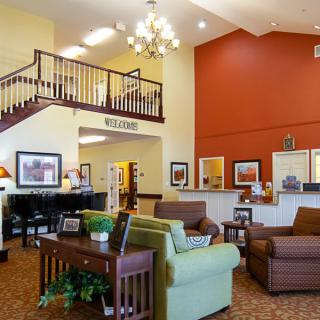
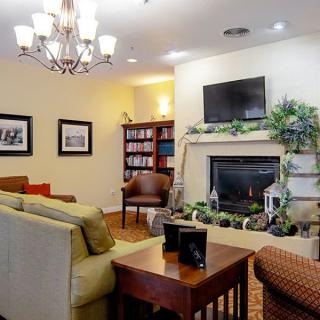
Several residents and visitors describe the community as very clean and neat, with well-kept common areas and grounds. Others comment on maintenance and overall appearance, saying it feels cared for. One review also notes attractive landscaping and secure, pleasant outdoor spaces, reinforcing the same impression.
common4 reviews mention this
Dining is a frequent discussion
Dining draws both praise and at least one specific critique in reviews.
Multiple reviews talk about food in a straightforward way—one family highlights a Thanksgiving dinner with multiple family members, and another says the food is great. A separate review specifically mentions that the food could be better, which is the main negative about meals. The community also offers restaurant-style dining and room service, plus meals and guest meals.
common2 reviews mention this
Plenty of activities and programs
Residents describe regular activities and additional programs.
A couple of reviews mention activities and extra programs as part of daily life, including both organized events and things residents can join. This matches what the community offers, including on-site and off-site activities, live musical performances, trivia games, and holiday and birthday events.
caveat2 reviews mention this
Cost is a recurring concern
Some reviews call out the community as expensive.
A recurring negative theme is pricing, with reviewers describing it as expensive and hard to justify. While one review frames the concern as being costly for its exclusivity, the other is more general about expense. Pricing is also presented across unit types in a way that is below both county and state benchmarks.
How we summarize
Counts show how many written reviews mention each theme; a review can touch several themes, and only frequently mentioned themes are displayed.
Features
Types of Care
Independent Living
Pets
Cats allowed
Dogs allowed
Amenities
Activities off-site
Activities on-site
Air-conditioning
Bath tubs
Beautician on-site
Devotional services on-site
Fireplaces
Full kitchen
Ground floor units
Indoor common areas
Outdoor common areas
Swimming pool / hot tub
Transportation
Sheppard AFB Wichita Falls Municipal (8 miles away)
Care Services
Medication management
Dining
Guest meals
Meals provided
Restaurant style dining
Room service
Activities
Activities off-site
Activities on-site
Birthday parties
Devotional activities on-site
Happy hour
Holiday parties
Live musical performances
Trivia games
Water aerobics
Wii bowling
Nearby Places of Interest
This area of Wichita Falls, Texas, offers a variety of dining options ranging from Cheddar's Scratch Kitchen to local favorites like Carino's Italian. Additionally, residents have convenient access to several physicians' offices and pharmacies for their healthcare needs. The proximity to places of worship such as Our Lady Queen Of Peace Church and Park Place Christian Church may also provide a sense of community and spiritual support. For entertainment, there are theaters like AMC and Cinemark 14 nearby, as well as cafes including Frank & Joe's Coffee House for social gatherings. The presence of Hamilton Park just a short drive away offers opportunities for outdoor recreation and relaxation. Overall, this area provides a mix of amenities that could cater to the needs of seniors looking for a comfortable and accessible neighborhood in which to live.
Rolling Meadows Independent Living offers competitive pricing for its residents compared to the broader market in Wichita County and Texas. For a studio apartment, the monthly cost is $2,659, which is significantly lower than both the county average of $3,421 and the state average of $3,758. Similarly, the 1-bedroom option at Rolling Meadows is priced at $2,759, providing a notable savings against the county's rate of $3,716 and closely aligning with the state's average. The 2-bedroom units are available for $2,859, again proving more affordable compared to Wichita County's average of $4,475 and Texas' statewide figure of $4,215. Overall, Rolling Meadows presents an attractive value proposition for those seeking independent living arrangements in a supportive community atmosphere while maintaining a commitment to affordability.
The overview of blood pressure management for seniors emphasizes the importance of monitoring and interpreting blood pressure readings, noting that normal ranges can vary due to age-related factors and individual health conditions. It highlights tailored guidelines for systolic and diastolic levels, the necessity of early detection and consistent management to prevent serious health complications, and advocates for personalized care strategies that incorporate lifestyle changes and medication adherence.
Dogs can greatly improve the lives of older adults by offering emotional support and encouraging physical activity, with factors such as size, temperament, and grooming needs being crucial in selecting a suitable breed. Senior dogs often make ideal companions for this demographic, promoting social connections and requiring care routines that align with seniors' capabilities.
The guide on blood pressure charts for older adults stresses the importance of understanding normal and high blood pressure readings influenced by age, genetics, and lifestyle, while emphasizing regular monitoring and lifestyle modifications to prevent serious health issues. It provides insights into blood pressure categories, dietary recommendations, medication considerations, and the role of caregivers in supporting healthy habits.
Get PricingAsk A QuestionSchedule A TourContact Senior Advisor
By clicking submit, you agree to our Partner's Terms of Use. You
also consent to receive calls and texts, which may be autodialed, from our Partner. Your consent is not a condition to
using our Partner's service. Please visit our Partner's Privacy Policy for information about their privacy practices.

 Independent Living
 Cats allowed
 Dogs allowed
 Activities off-site
 Air-conditioning
 Bath tubs
 Beautician on-site
 Devotional services on-site
 Fireplaces
 Full kitchen
 Ground floor units
 Indoor common areas
 Outdoor common areas
 Swimming pool / hot tub
 Sheppard AFB Wichita Falls Municipal (8 miles away)
 Medication management
 Guest meals
 Birthday parties
 Happy hour
 Live musical performances
 Trivia games
 Wii bowling
 Excellent memory care with professional staff and robust on-site amenities.
 Comprehensive Look at Senior Blood Pressure Charts: Normal and Elevated Levels by Age
 Top Canine Companions for Older Adults
 Comprehensive Guide to Blood Pressure Charts for Older Adults: Understanding Normal and High Readings by Age