
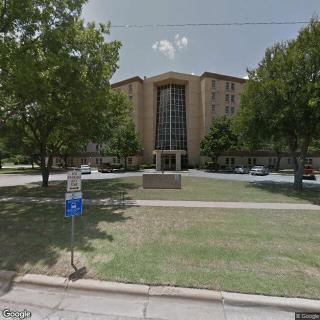
1501 7Th Street, Wichita Falls, TX 76301
For more information about senior living options: (866) 208-4318
Overall Review of Courtyard Gardens
Pros
 The staff has been there a long time and brings a lot of experience to resident care.
- A resident’s mom has been there for several months and just loves it.
- The facility is a nice, small, independently owned nursing facility.
- The workers are amazing and bright, bringing life back into the residents’ souls.
- The care given to patients is appreciated, and the place is described as a loving environment.
Cons
 It is closed.
- People seem to pass away after admission, and families are advised not to place their loved ones there.
- The workplace is unsafe; residents are allowed to verbally and physically abuse staff, and reporting issues yields no action.
- The facility is far from deserving a good rating; reviewers feel it deserves far less than one star.
- People should not live there unless there are no other options.
- The facility suffers from understaffing, poor pay, and indifference toward residents.
- Staff are described as lazy, with administrators doing nothing about issues, and medications not reliably administered.
Review
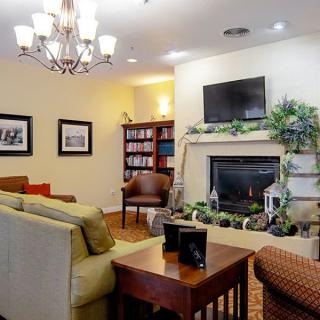
Courtyard Gardens in Wichita Falls is best suited for families that have few viable options in the Texoma region and still want a small, home-like setting with long-tenured staff. The facility operates as an intimate, independently owned operation where residents and families encounter familiar faces from shift to shift. In such a context, some relatives report genuine warmth, steady routines, and caregivers who remember preferences and histories. The upside is a sense of continuity that can matter deeply for seniors who resist larger, impersonal campuses. Yet this attractive niche is inseparable from fragility: the same intimacy that helps certain residents can coexist with fragile systems that crumble under pressure. This is the core reality families must weigh when considering Courtyard Gardens.
Potential alternatives should be seriously considered for residents with substantial medical complexity, dementia with agitation, high fall risk, or needs for regular, hands-on nursing care. Reviews repeatedly flag serious concerns about understaffing, inconsistent medication administration, and limited daily activities. There are reports of neglect and of staff and administrative responses that feel ineffective when problems are raised. The combination of a small footprint and lean staffing can leave critical care gaps, posing outsized risk for a resident who cannot advocate for themselves. Families should not assume a “homey” feel automatically translates into reliable clinical care; for many, safer, better-staffed options exist elsewhere.
On the upside, the presence of long-serving staff and a few clearly dedicated caregivers can translate into moments of real connection. When the right aides show up, residents can benefit from personal attention, conversation, and a sense of dignity that comes from being remembered. The positive anecdotes about a few staff members who bring life back to a resident’s day are persuasive to families who prioritize relational care over glossy marketing. Still, these bright spots are fragile: they depend on turnover patterns that appear inconsistent with a facility at risk for closing or restructuring. The contrast between heartfelt care from a handful of workers and systemic shortcomings creates a difficult, uneven care experience for most residents.
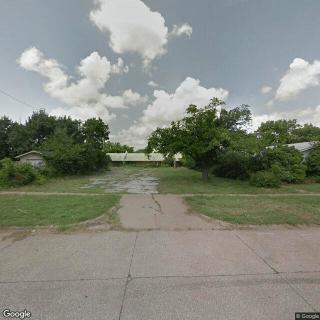
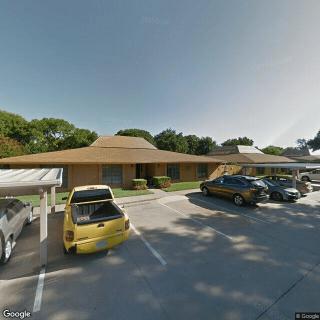
Nuanced red flags anchor the negative picture. Some reviews depict a facility that feels shabby and under-resourced, with reports of inadequate monitoring, delayed care, and questions about medication timing. Allegations of abuse or fear of retaliation when concerns are raised point to a troubling management climate. The presence of infrequent activities, especially for non-smokers or residents who need meaningful engagement, compounds the risk of isolation. Additional operational concerns, questions about licensing, the administrator’s involvement across multiple facilities, and a sense that money and control trump resident welfare, further undermine confidence in the place as a stable long-term home. The “it is closed” signal casts a shadow over ongoing safety and continuity of care.
For families willing to explore Courtyard Gardens, the prudent path is through due diligence. Demand current, transparent staffing data, including exact nurse and aide ratios across shifts. Request permission to speak with direct caregivers in a private setting and to observe a routine day and a night shift. Review the latest state licensing reports and any recent corrective action plans. Confirm the facility’s status, whether it is actually operating, its occupancy trajectory, and the scope of rehab or skilled services offered. See if there is an active administrator with accountability across the campus or if governance is fragmented. Finally, compare with nearby options that offer stronger staffing, richer activity programming, and cleaner, more modern accommodations.
In the end, Courtyard Gardens is not a primary recommendation for families seeking reliable medical oversight and a vibrant, well-maintained environment. It may fit only for ultra-select cases where families have the capacity to supervise closely, demand accountability, and accept a highly personalized but unstable care milieu. For most seniors requiring consistent, safe care and predictable quality, alternatives with transparent staffing, steady administration, and robust daily programming will deliver more reliable peace of mind. The decision should come with a clear plan for ongoing oversight, with a readiness to relocate if care quality dips or safety becomes a concern. Concrete next steps: tour, verify, compare, and prioritize facilities with proven staffing stability and clean inspection histories.
 109 resident community capacity
 Skilled Nursing Facility
 Air-conditioning
 Beauty salon
 Cable or satellite TV
 Computer center
 Dining room
 Fitness room
 Fully furnished
 Gaming room
 Garden
 Housekeeping services
 Kitchenette
 Move-in coordination
 Outdoor space
 Private bathrooms
 Restaurant-style dining
 Small library
 Telephone
 Wellness center
 Wi-Fi/high-speed internet available
 Sheppard AFB Wichita Falls Municipal (6 miles away)
 Community operated transportation
 12-16 hour nursing
 24-hour call system
 Activities of daily living assistance
 Assistance with bathing
 Assistance with dressing
 Assistance with transfers
 Diabetes diet
 Medication management
 Mental wellness program
 Special dietary restrictions
 Concierge services
 Planned day trips


 Comprehensive Exploration of Living Wills and Other Advance Directives
 A Detailed Exploration of Living Wills and Advance Directives
 Comprehensive Guide to Medicare Coverage for Hospice Care