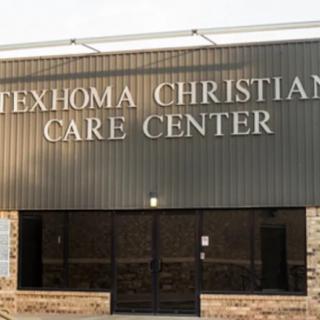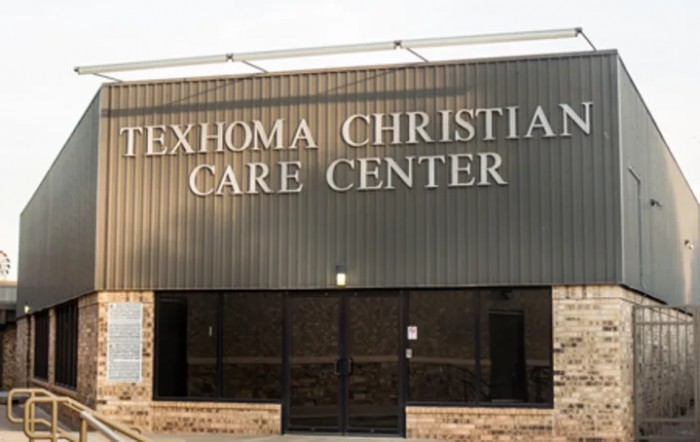
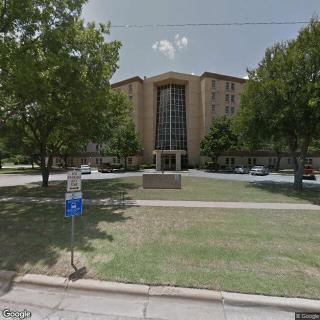
300 Loop 11, Wichita Falls, TX 76306
For more information about senior living options: (866) 208-4318
Overall Review of Texhoma Christian Care Center
Pros
 Texhoma's staff truly care about their residents and make them feel at home.
- The staff are great.
- The staff care for patients under daily stress, and the new facility is very nice.
- The facility cares for residents like family.
- It offers a full calendar of activities, including bingo and dominoes, plus daily devotionals.
- Three different family members received very good care, with issues addressed quickly.
- Rehab care is very good, with friendly and helpful nurses.
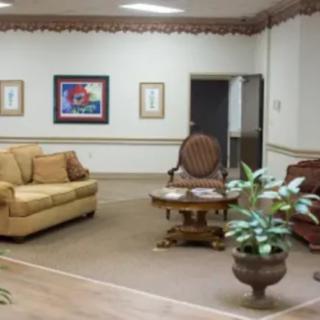
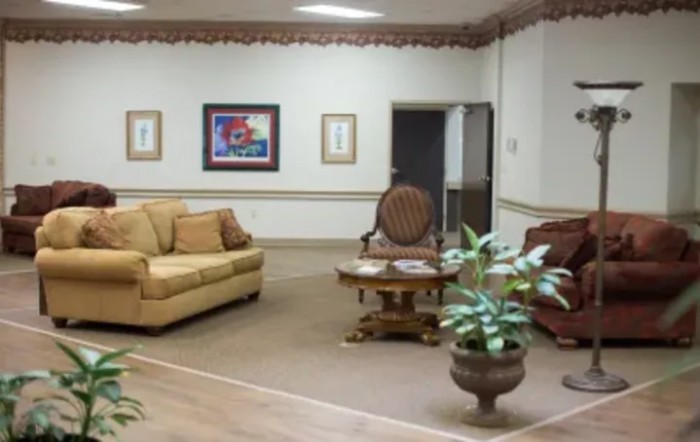
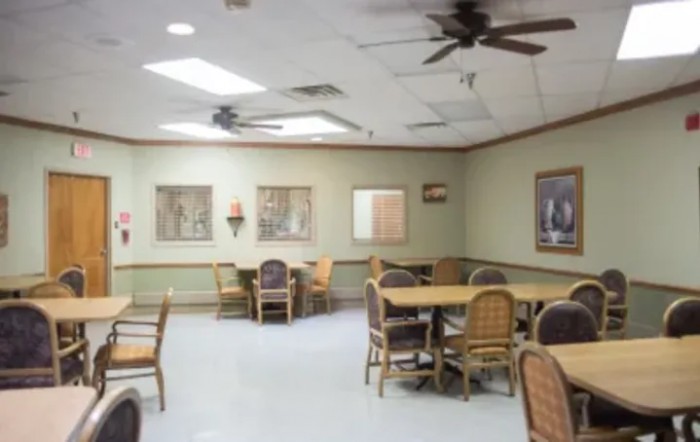
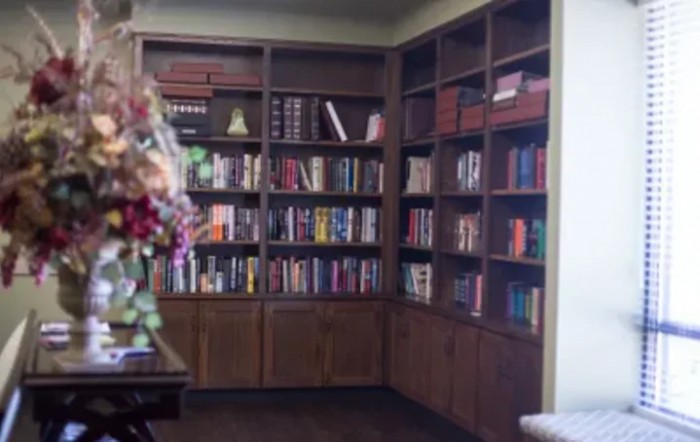
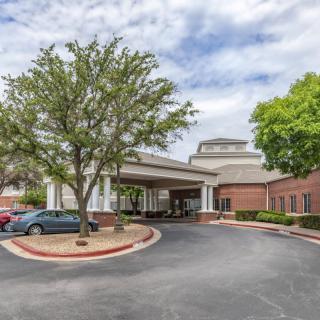
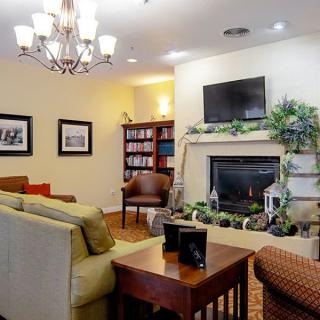
- The Texhoma Christian Care Center is a brand-new community with extensive amenities, including a movie theater, computer room, game room, and spaces for relatives to visit.
- The facility is clean, caring, and supportive of families during transitions, with ample rehabilitation areas and great food.
Cons
 The facility is described as a horror house, with warnings not to place a loved one there due to alleged neglect and safety issues.
 - There are alleged integrity issues with a physical therapist and a lack of supervision that could lead to patient neglect.
- Some staff are said to be too busy to assist families, and the decor is criticized as hospital-like rather than homey.
- Items, including an iPod, are reported stolen from a resident's room with no investigation.
- The center is deemed unsuitable for residents who are fully dependent, suggesting it should be avoided for full-time care.
- Promises to arrange drug insurance were not kept, taking months to resolve.
- A grandmother was reportedly not cleaned properly, and staff allegedly said she was more work than they were willing to put in.
Review
Texhoma Christian Care Center is best suited for families seeking a faith-centered, home-like environment that blends rehabilitative care with social and spiritual programming. It works well for residents who can engage with a structured activity calendar, appreciate daily devotionals, and benefit from staff who take time to know them personally. The facility’s newer construction, cottage-style living options, and on-site amenities foster a sense of belonging within a guided setting. However, it is less ideal for those needing constant, hands-on supervision or for families unable to stay actively involved, given repeated concerns about staffing pressures and safety oversight.
The strongest positives lie in the staff’s apparent commitment and the resident-centered approach many reviewers describe. Caregivers are frequently praised for kindness, personal attention, and turning the place into a “home away from home.” Rehab services receive particular notice for effectiveness after strokes, supported by friendly nurses and a collaborative therapy environment. The Christian orientation, with devotional routines and regular activities like bingo and dominoes, helps residents stay connected to a meaningful routine. The appeal of a bright, modern facility with abundant amenities, movie theater, game rooms, and community spaces, adds to the sense of a fresh, dignified living environment.
Yet significant red flags recur in several accounts. Allegations of neglect and safety lapses surface repeatedly, including concerns about overmedication, insufficient supervision, and residents found distressed or unsafe in common areas. Some families describe feeling driven to stay overnight to ensure safety, undermining the expectation of reliable round-the-clock care. Administrative gaps show up in practical matters such as delays getting dentures replaced, slow processing of drug-insurance enrollment, and even instances of valuables going missing with little accountability. Taken together, these reports erode trust and demand a level of vigilance and proactive management that goes beyond ordinary family involvement.
Despite these concerns, the documented strengths show how the positives can be meaningful if safety and administrative performance are prioritized. A sincere caregiving culture, open lines of communication when feasible, and a solid rehab program can yields tangible improvements in residents’ daily lives and recovery trajectories for families who stay actively engaged. The new facility and its wide array of activities provide a strong foundation for social engagement and mental stimulation, especially when caregivers are unburdened by chronic under-resourcing. In short, the environment has real potential to deliver quality outcomes, provided that safety, supervision, and administrative responsiveness keep pace with the caregiving on the floor.
Considering the mixed picture, alternatives deserve serious consideration for residents who require full-time, predictable assistance or for families unable to maintain ongoing oversight. Those prioritizing unambiguous safety, consistent coordination with physicians, or a home-like ambience without hospital-like aesthetics may find better alignment elsewhere. Prospective residents should conduct thorough on-site tours focusing on staffing patterns, incident histories, and the exact processes for medication management and housekeeping. Ask to review the logs of safety incidents, check how quickly issues are resolved, and confirm with administration how peak times are staffed. The right fit exists, but the match depends on robust safety systems and dependable communication as non-negotiable standards.
 367 resident community capacity
 Skilled Nursing Facility
 Air-conditioning
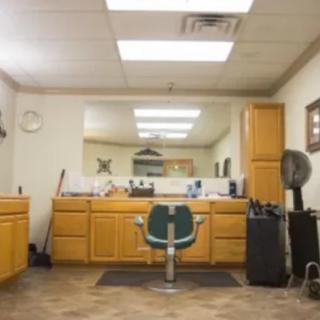
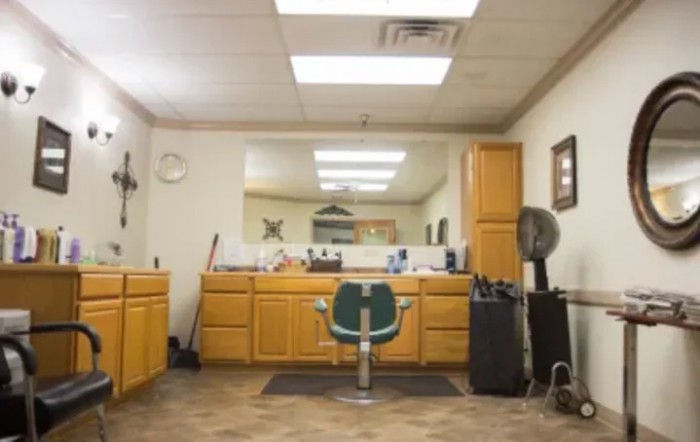
 Beauty salon
 Cable or satellite TV
 Computer center
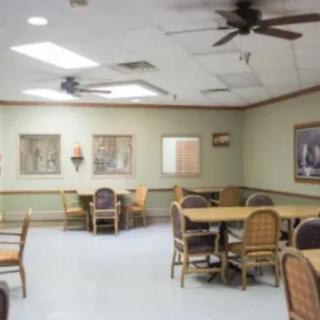
 Dining room
 Fitness room
 Fully furnished
 Gaming room
 Garden
 Housekeeping services
 Kitchenette
 Move-in coordination
 Outdoor space
 Private bathrooms
 Restaurant-style dining
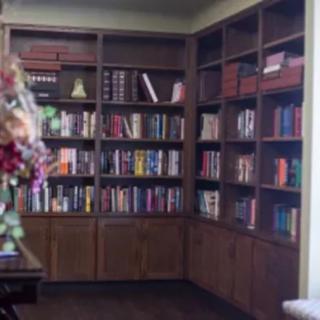
 Small library
 Telephone
 Wellness center
 Wi-Fi/high-speed internet available
 Sheppard AFB Wichita Falls Municipal (6 miles away)
 Community operated transportation
 12-16 hour nursing
 24-hour call system
 Activities of daily living assistance
 Assistance with bathing
 Assistance with dressing
 Assistance with transfers
 Diabetes diet
 Medication management
 Mental wellness program
 Special dietary restrictions
 Concierge services
 Planned day trips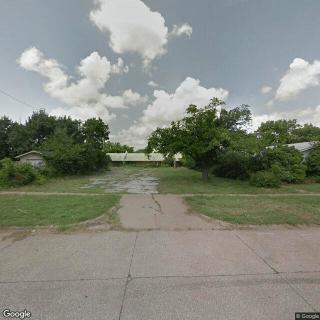


 Comprehensive Insights into Palliative Home Care: What It Is and What to Expect
 Skilled Nursing Facilities vs. Nursing Homes: Making Sense of the Differences
 A Detailed Examination of Nursing Home Costs Across the U.S.