910 Midwestern Parkway, Wichita Falls, TX 76302
For more information about senior living options: (866) 208-4318
Overall Review of Senior Care Health & Rehabilitation Center - Wichita Falls
Pros
 The facility has an exceptional group of healthcare workers who provide outstanding care for loved ones.
- The rehab staff was excellent and genuinely cared about residents.
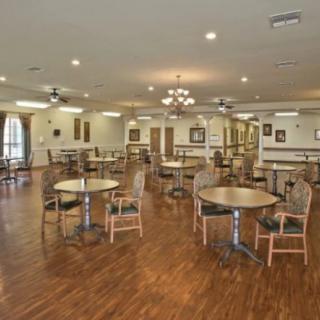
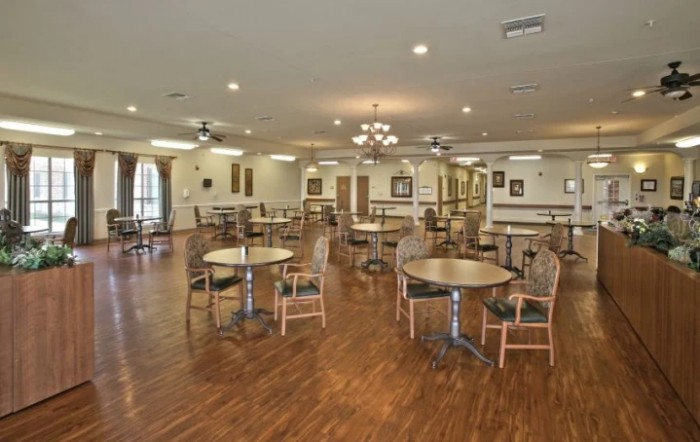
- The dining room is bright and welcoming, and meals are tasty and served hot.
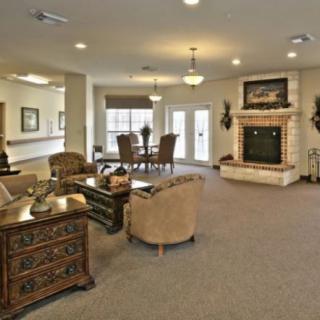
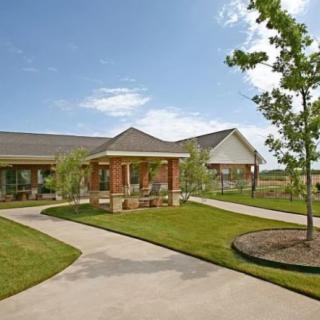
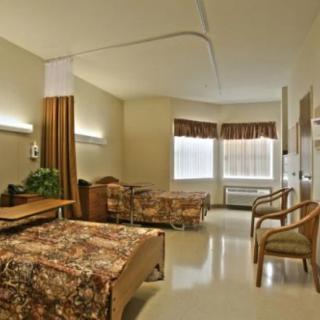
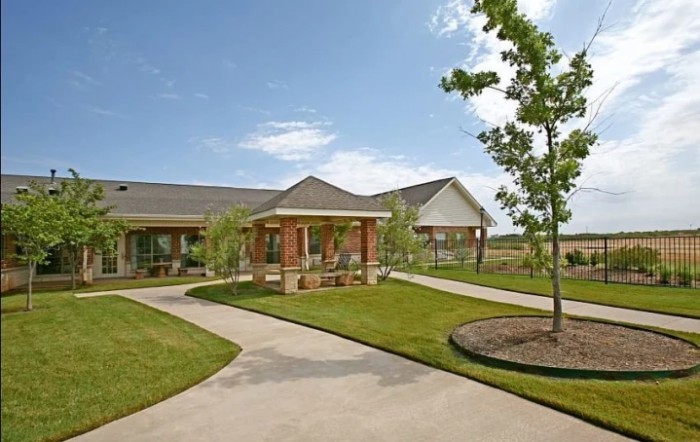
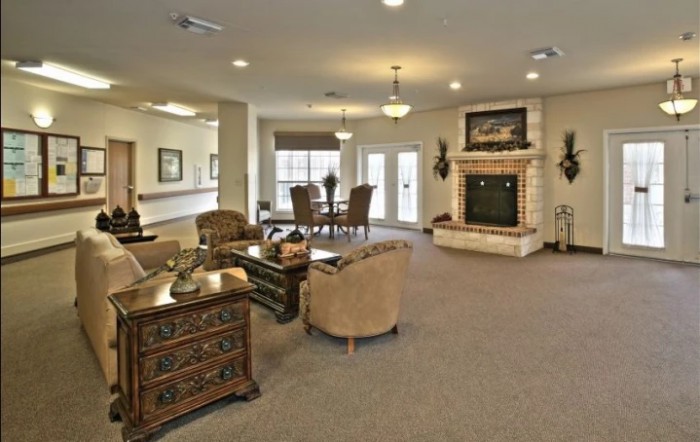
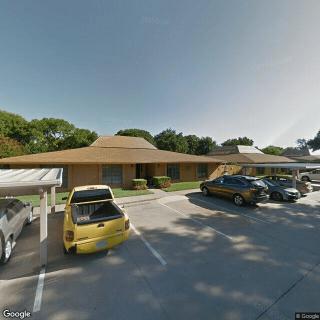
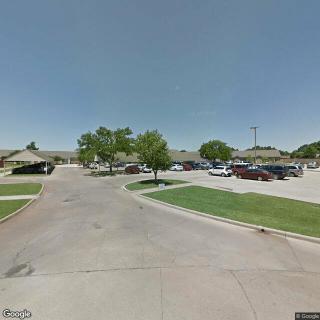
- The facility is beautiful, well maintained, and always clean.
- The staff are friendly, personable, and truly caring.
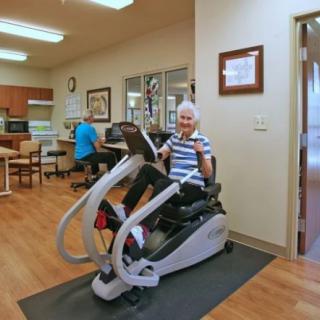
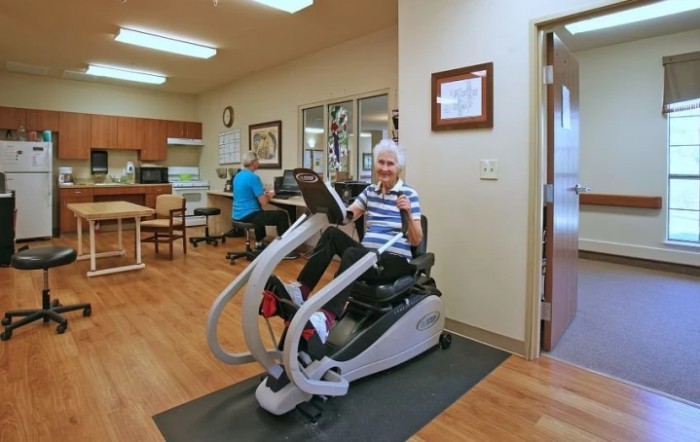
- The therapy department is skilled, encouraging, and effective.
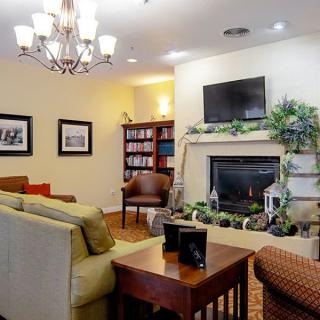
- The atmosphere is warm and home-like, with residents encouraged and supported.
- Staff accommodate eating with family members, making visits more comfortable.
- An attending physician is available and promptly addresses medical concerns.
Cons
 The care was substandard, with medicines not delivered on time and a fall-risk roommate who fell during the night.
- Staff did not consistently respond to call bells, leaving the resident to struggle for help.
- Communication with the center was inconsistent and often unhelpful, with questions being passed around or ignored.
- The food quality was inconsistent and sometimes unappetizing or cold.
- Some staff members were undertrained, uncaring, or only there for a paycheck.
- Medication administration errors harmed residents, including improper giving of pills and mouth/throat injuries.
- Administrative issues and lack of care led families to remove loved ones and avoid referrals.
- Personal items, like eyeglasses, were mishandled or misplaced, even after a loved one’s death.
Review
This community is best suited for families prioritizing skilled rehabilitation and an engaging, home-like atmosphere where therapy teams, nurses, and aides can drive meaningful progress. The center’s strongest appeal lies in its rehabilitation program: dedicated therapists, hands-on encouragement, and a setting that supports social interaction and daily activity. When care is managed well, residents often benefit from attentive nursing staff, regular doctor visits, and a livelier dining and communal experience. The building itself frequently earns praise for being clean, well maintained, and visually welcoming, with attractive common areas and the option to dine with loved ones, which can make a difficult transition easier.
Those considering alternatives should know who may want to look elsewhere. Families demanding consistently flawless day-to-day operations, especially reliable medication administration, prompt call-bell response, and unwavering safety oversight, may find the experience uneven. A pattern of communication gaps, delayed or disputed medications, and occasional reports of unresponsiveness or staff inconsistencies can undermine trust, particularly for residents with complex needs or limited mobility. Out-of-town families or those unable to supervise closely may worry about sustained oversight, given reports of fluctuating staff engagement and management challenges. For long-term care where steady, transparent administration matters most, evaluating other options is prudent.
The strongest positives, exceptional rehab staff, caring nurses, and a generally welcoming environment, do provide real value. When therapy teams are consistently engaged, residents see steady progress, and families repeatedly highlight the warmth and attentiveness of those on the floor. The ability to receive regular physician attention and timely responses to health concerns reinforces confidence in medical oversight. Cleanliness, pleasant common spaces, and the option to participate in meals with loved ones contribute to a sense of normalcy and reassurance. In scenarios where rehab and daily social stimulation are central goals, these benefits can substantially offset some organizational shortcomings.
Yet the most troubling notes center on safety and reliability concerns. Repeated complaints about call bells going unanswered, delayed medications, and staff variability point to systemic gaps in staffing and accountability. Instances of miscommunication, incidents affecting resident safety, and even errors with personal items or dentures underscore the risk when frontline staffing is stretched. Billing and administrative friction, unexpected charges, unreturned calls, and reports of management turnover, further complicate a decision for families seeking predictability. The spectrum of experiences is broad, and a few highly negative reports cannot be dismissed.
For families actively evaluating this center, a disciplined due diligence plan is essential. Tour with a careful eye on staffing patterns during different shifts, request to meet the rehab director and charge nurse, and observe a therapy session to gauge engagement and expertise. Insist on seeing current medication management protocols, the on-site pharmacy setup, and a clear process for addressing med discrepancies. Ask for recent resident care plans, daily communication routines with families, and a transparent incident-reporting framework. Clarify visitation policies, meal accommodations, and the facility’s approach to pursuing consistent safety and quality improvements. Collect contact references from recent families with experiences similar to the resident’s needs.
Bottom line: for families whose priorities are robust rehabilitation outcomes, a warm campus environment, and active family involvement, this center can deliver solid results when operations run smoothly. However, significant questions remain for those who require unwavering consistency, flawless medication handling, and consistently responsive care. If choosing this community, approach it as a partnership, demand clear expectations, establish measurable safety and communication benchmarks, and plan for close family oversight. For many, exploring alternatives with stronger, steadier care practices may be the prudent path, especially when long-term reliability and transparent accountability are non-negotiable.
 144 resident community capacity
 Skilled Nursing Facility
 Air-conditioning
 Beauty salon
 Cable or satellite TV
 Computer center
 Dining room
 Fitness room
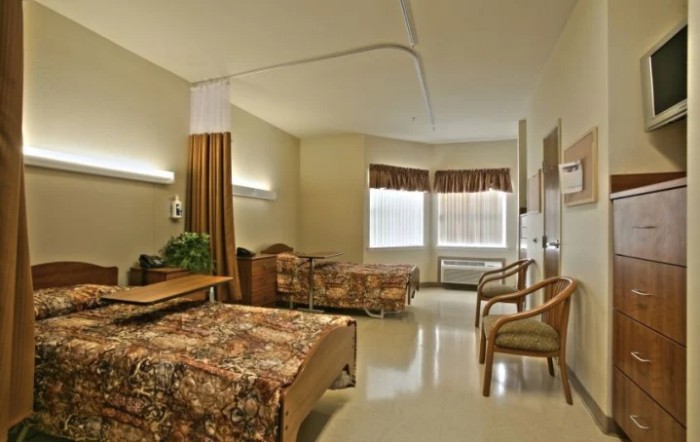
 Fully furnished
 Gaming room
 Garden
 Housekeeping services
 Kitchenette
 Move-in coordination
 Outdoor space
 Private bathrooms
 Restaurant-style dining
 Small library
 Telephone
 Wellness center
 Wi-Fi/high-speed internet available
 Sheppard AFB Wichita Falls Municipal (8 miles away)
 Community operated transportation
 12-16 hour nursing
 24-hour call system
 Activities of daily living assistance
 Assistance with bathing
 Assistance with dressing
 Assistance with transfers
 Diabetes diet
 Medication management
 Mental wellness program
 Special dietary restrictions
 Concierge services
 Planned day trips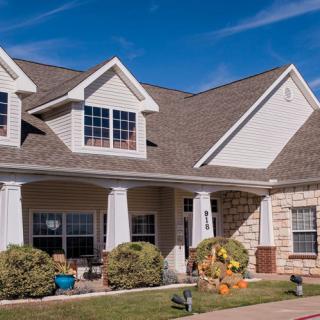



 Managing Nursing Home Expenses After Medicare Coverage Ends
 Is a Geriatric Care Manager the Right Choice for Your Family?
 Compassionate Conversations: How to Comfort Someone Who Is Grieving