Focused Care Of Waxahachie

Save

Focused Care Of Waxahachie

1413 West Main Street, Waxahachie, TX 75165

For more information about senior living options: (844) 490-3973

3.7 from 65 reviews
5 stars
39
4 stars
6
3 stars
1
2 stars
0
1 stars
19

Skilled Nursing Facility

What level of care are you interested in?

Assisted Living

Memory Care

Independent Living

Skilled Nursing Facility

Continuing Care Retirement Community (CCRC)CCRC

Other


Request a tour at Focused Care Of Waxahachie

    Overall Review of Focused Care Of Waxahachie

    Pros

    • pro The Administrator is caring and receptive, with a heart for all those he serves.
    • pro Focused Care Waxahachie is described as a caring little jewel in the nursing home world.
    • pro A reviewer notes that family involvement helps Focused Care get the job done right.
    • pro The mother-in-law receives wonderful care at the facility.
    • pro The facility is consistently clean on visits, with staff who are friendly to residents and families.
    • pro The staff are kind and helpful, with Jay singled out as the best.
    • pro The therapy department is great, contributing to a quick and speedy recovery.
    • pro The leadership team is amazing, with renovations underway and looking fantastic.
    • pro Reviewers praise Focused Care Waxahachie for servant leadership and a clear vision for the future.
    • pro The facility hosts engaging events, such as a Valentine Prom, showing staff care for residents.
    • pro The service is described as having great customer service and communication.
    • pro The place is recommended for short or long term care.

    Cons

    • pro A stepfather reportedly waited six hours to be changed, and staff laughed when family asked for a TV remote.
    • pro The trash can was kept full, with food on the floor and a large urine puddle left in the room.
    • pro The facility's air conditioning often did not work, and windows barely opened, circulating only hot air.
    • pro A resident had not received a real shower for about a month, and clothes left for him were not worn.
    • pro Antibiotics were reportedly not given as prescribed.
    • pro A call light was often ignored, leaving residents to suffer without timely assistance.
    • pro The DON was criticized for poor communication and for favoring older staff over newer staff, who were overworked.
    • pro Personal items such as a scooter were stolen from a resident, with little explanation and police involvement.
    • pro A staff member was described as rude and unprofessional, and hung up on a family member during a call.
    • pro A resident was left in urine for hours, placed on a portable toilet for over an hour without blankets, leading to a hospital visit.
    • pro A grandmother reportedly died after discharge due to neglect and inadequate care.

    Review

    Focused Care Waxahachie, Texas appears in the hearts and conversations of families in sharply contrasted ways. Across the spectrum of reviews, the facility is described as a place of genuine care and strong leadership by some, and as a source of distress and alarm by others. In one set of reflections, an administrator named Dan is framed as the kind of accessible, compassionate leader who makes problems feel solvable - someone you can call when something needs fixing, and a reason many families would recommend the home for both short-term and long-term stays. This perspective emphasizes a culture of responsiveness, warmth, and personal attention from the top down, with praise for a warm, patient-centered approach that focuses on the wellbeing of residents.

    Another cluster of remarks highlights Focused Care Waxahachie as a "caring little jewel" in the nursing home world. A mother of a resident described a motherly, communicative atmosphere where meaningful dialogue with staff translates into real, practical care. The emphasis here is on partnership with families: the better families communicate and stay involved, the more effectively the staff seem to work. Positive anecdotes frequently mention clean facilities, friendly staff, and moments that show staff going above and beyond - such as hosting events like Valentine Prom and creating opportunities for interaction that visibly brighten residents' days. In these accounts, leadership and staff are portrayed as cohesive and mission-driven, with several testimonials praising a servant-leadership mindset and ongoing renovations that reflect a commitment to improvement.

    Yet the narrative around Focused Care Waxahachie is not singularly glowing. A substantial portion of the reviews chronicles deeply troubling experiences that raise questions about safety, basic hygiene, and timely care. One reviewer recounts a six-hour wait for basic assistance, a dismayed response to a family's request for a TV remote, a full trash can, food on the floor, and a urine odor in a room that had not been addressed. Allegations extend to systemic issues: nonfunctional air conditioning, the lack of showers for weeks, clothes left behind without help in donning them, and antibiotics not being administered as prescribed. In another blow, a resident with tremors and a history of multiple amputations was reportedly neglected, with a call light ignored and a lack of timely response, which culminated in a hospitalization that the family attributed to neglect.

    Several reviews detail explicit and highly troubling incidents that have left families searching for accountability. A mother described her mother-in-law receiving wonderful care on some visits, yet another reviewer reported that personal belongings, such as a scooter, were stolen, with little clarity on what happened. There are accounts of prolonged delays in addressing basic needs, inconsistent grooming and care, and a sense of disorganization that undermines trust. Some reviewers describe the place as having a disjointed atmosphere, with lines of communication that fail at crucial moments and staff who appear overwhelmed or indifferent to urgent human needs. The tone of these accounts ranges from frustration to outright alarm, with calls for state oversight and a demand that the facility reexamine its practices and culture.

    Communication and staff dynamics emerge as a central thread in the more negative stories. One reviewer mentions a director of nursing who "doesn't know how to speak to her staff" and a culture in which rules are invented or inconsistently applied. The contrast between veteran staff and new hires is cited as a source of tension, with some reports suggesting an overwork of newer staff to shield the older team while creating an untenable environment for those new to the job. The human impact of this friction is laid bare in comments about patients who are left waiting, nurses who seem to be in the background during crises, and a general sense that care is not as attentive or coordinated as it should be. Encounters with admissions staff also left a sour taste for some families: a particular staff member was described as rude and overbearing, and there were even claims of rude behavior escalating into confrontations, including instances where phone calls were abruptly disconnected or improperly handled.

    In more extreme cases, reviewers recount experiences that they characterize as neglectful and dehumanizing. Descriptions of patients lying in their own urine, needing portable toilets that were left in place for hours, and a general sense of irritability among staff when asked for basic comfort measures depict a facility struggling to meet even the most fundamental standards of care. Reports of medication timing miscommunications, failed or incomplete medical documentation, and a lack of transparency regarding procedures have intensified concerns about supervision, accountability, and the day-to-day reality inside the building. Some families specifically called for interventions from health authorities, noting a need for a complete overhaul of personnel and procedures to restore safety and dignity to residents.

    Amid the turmoil, there are still voices of cautious optimism. A reviewer described the management as showing strong servant leadership, with clear visions for the future and a sense of community impact that makes them believe the facility can do well going forward. Others mentioned consistent, patient-friendly care from certain staff members, a clean facility with a warm, welcoming atmosphere on visits, and the existence of engaging activities that contribute to residents' quality of life. The presence of dedicated performers like "Jay" and consistent praise for the facility's therapy department speak to pockets of excellence that persist even as broader concerns are raised. For some families, the facility's capacity for care is real and meaningful, especially when the staff and leadership demonstrate a true commitment to residents and their families.

    In sum, Focused Care Waxahachie presents a complex portrait. On the one hand, there are strong affirmations of compassionate leadership, genuine warmth, clean surroundings, and meaningful engagement that improve the daily lives of residents and reassure families who commit to staying involved. On the other hand, a substantial body of reviews documents serious lapses in care, communication, and safety that cannot be ignored. Issues cited range from delays in basic needs to allegations of neglect, mismanagement, and dysfunction in hospital-to-community transitions. The facility's story, as told by these voices, is one of hopeful leadership and genuine intent tempered by alarming gaps in execution. For families weighing their options, the message is clear: the care experience can be exceptional when relationships are collaborative and attentive, but it can also deteriorate rapidly when communication falters, accountability wanes, and basic care standards are not consistently upheld. The call from the community, in essence, is for steadfast leadership, rigorous staffing, and a renewed commitment to safety, respect, and dignity for every resident.

    Features

    Housing

    • 152 resident community capacity 152 resident community capacity

    Types of Care

    • Skilled Nursing Facility Skilled Nursing FacilitySkilled Nursing Facilities are crucial for seniors as they provide round-the-clock medical care, rehabilitation services, and assistance with daily activities. These facilities ensure that seniors receive the specialized care they need to maintain their health and well-being as they age.

    Amenities

    • Air-conditioning Air-conditioningAir conditioning is important for seniors as they are more vulnerable to heat-related illnesses and may have underlying health conditions that make it difficult for them to regulate their body temperature. It helps to keep them comfortable, safe, and healthy in hot weather.
    • Beauty salon Beauty salonBeauty salons are important for seniors because they provide a space for them to feel pampered, socialize, and maintain their personal grooming and hygiene. Regular visits to a beauty salon can help boost seniors' self-esteem and overall well-being.
    • Cable or satellite TV Cable or satellite TVCable or satellite TV is important for seniors because it provides entertainment, news, and companionship, helping to combat loneliness and boredom. It also offers a wide range of programming options tailored to different interests and preferences.
    • Computer center Computer centerA computer center is essential for seniors as it provides access to technology, communication tools, and resources that can enhance their daily lives. It allows them to stay connected with loved ones, engage in online activities, and learn new skills, ultimately promoting socialization and mental stimulation.
    • Dining room Dining roomDining rooms are important for seniors as they provide a space for socialization, connection, and nutritious meals. They offer opportunities for residents to bond over shared meals, foster a sense of community, and promote healthy eating habits. Dining rooms also ensure that seniors have access to well-balanced meals tailored to their dietary needs and preferences.
    • Fitness room Fitness roomHaving a fitness room in a senior living community is essential for seniors to stay active, maintain their physical health, and improve their overall well-being. Regular exercise can help prevent falls, reduce the risk of chronic diseases, and promote mental sharpness. It also provides social opportunities for residents to connect with others and enjoy a sense of community.
    • Fully furnished Fully furnishedFully furnished senior living communities are important for seniors because they provide convenience, comfort, and a hassle-free moving experience. Seniors can easily settle into their new living space without the stress of having to buy and move furniture. This allows them to focus on enjoying their new home and community.
    • Gaming room Gaming roomGaming rooms are important for seniors as they provide a fun and engaging environment for socializing, cognitive stimulation, and physical activity. Games can improve memory, problem-solving skills, and overall mental well-being while fostering friendships and reducing feelings of isolation.
    • Garden GardenGardens are important for seniors as they provide a peaceful and therapeutic environment for relaxation, physical activity, and socialization. Being in nature has been shown to reduce stress, improve mood, and promote overall well-being. Gardens also offer opportunities for seniors to engage in gardening activities, which can improve mobility, flexibility, and cognitive function. Additionally, gardens create a sense of community and connection with others who share a passion for plants and outdoor spaces.
    • Housekeeping services Housekeeping servicesHousekeeping services are important for seniors because they help maintain a clean and safe living environment, promote independence, and reduce the risk of accidents or illnesses. Additionally, having assistance with household chores can alleviate physical strain and allow seniors to focus on other aspects of their well-being.
    • Kitchenette KitchenetteKitchenettes are important for seniors living in senior living communities because they provide the convenience and independence of being able to prepare simple meals and snacks in the comfort of their own living space. This can help promote a sense of autonomy and well-being for seniors, allowing them to maintain some level of control over their dietary choices and daily routines.
    • Move-in coordination Move-in coordinationMove-in coordination is important for seniors because it helps ease the transition into their new living environment. It ensures that all logistics, such as packing, organizing movers, and setting up utilities are taken care of, allowing seniors to focus on settling in and adjusting to their new home. Having a smooth move-in process can alleviate stress and anxiety, making the transition smoother and more enjoyable for seniors.
    • Outdoor space Outdoor spaceOutdoor spaces are important for seniors as they provide opportunities for physical activity, social interaction, exposure to natural light and fresh air, and a sense of connection to nature. Having access to outdoor spaces can improve overall well-being and quality of life for older adults living in senior communities.
    • Private bathrooms Private bathroomsPrivate bathrooms are important for seniors in senior living communities because they provide independence, dignity, and comfort. Having a private bathroom allows seniors to maintain their personal hygiene routines without the need for assistance, promoting a sense of autonomy and privacy. Additionally, private bathrooms help prevent the spread of infections and provide a safe and clean environment for seniors to navigate safely.
    • Restaurant-style dining Restaurant-style diningRestaurant-style dining is important for seniors because it allows them to enjoy delicious, nutritious meals in a social and upscale setting. This enhances their dining experience, promotes healthy eating habits, and fosters socialization with fellow residents, ultimately contributing to their overall well-being and quality of life.
    • Small library Small librarySmall libraries are important for seniors as they provide access to a variety of reading materials, including books, newspapers, and magazines. This can help stimulate their minds, keep them engaged, and provide a sense of community through book clubs and other social activities. Additionally, reading has been shown to improve cognitive function and overall mental well-being in older adults.
    • Telephone TelephoneTelephones are important for seniors as they provide a lifeline for communication with loved ones, emergency services, and healthcare providers. They offer a sense of security and independence, enabling seniors to stay connected and access assistance when needed.
    • Wellness center Wellness centerWellness centers are important for seniors because they offer a variety of programs and services that promote physical, mental, and emotional well-being. These centers provide opportunities for exercise, socialization, education, and relaxation, helping seniors maintain their overall health and quality of life.
    • Wi-Fi/high-speed internet available Wi-Fi/high-speed internet availableWi-Fi/high-speed internet is important for seniors to stay connected with loved ones, access online resources, and participate in virtual activities to combat feelings of loneliness and isolation. It also allows them to easily manage healthcare needs, access entertainment, and engage in lifelong learning opportunities.

    Transportation

    • Community operated transportation Community operated transportationCommunity operated transportation is crucial for seniors as it provides them with the means to access essential services, social activities, and medical appointments. It allows seniors to maintain their independence and quality of life by ensuring they can participate in activities outside of their homes. Additionally, community-operated transportation services offer a safe and reliable way for seniors to travel without having to rely on family or friends for assistance.
    • Transportation arrangement Transportation arrangementTransportation arrangements are crucial for seniors as they may face challenges with driving, mobility, or access to public transportation. Having reliable transportation services ensures that seniors can easily attend appointments, social activities, and maintain their independence and quality of life.
    • Transportation arrangement (non-medical) Transportation arrangement (non-medical)Transportation arrangements are essential for seniors as they provide access to essential services, activities, and social interactions outside the home. This service helps maintain independence, mobility, and overall well-being for seniors who may have limited transportation options.
    • Transportation to doctors appointments Transportation to doctors appointmentsTransportation to doctors appointments is crucial for seniors as it ensures they have access to necessary medical care and support, promoting their health and well-being. It allows them to receive timely treatment, monitor existing conditions, and address any new health concerns efficiently. Additionally, transportation services can help seniors maintain their independence and quality of life by enabling them to stay connected with their healthcare providers.

    Care Services

    • 12-16 hour nursing 12-16 hour nursing12-16 hour nursing care is crucial for seniors in order to ensure around-the-clock monitoring, timely medication administration, and prompt response to any health concerns or emergencies. This level of care helps to promote the overall well-being and safety of seniors living in senior living communities.
    • 24-hour call system 24-hour call system24-hour call systems are important for seniors because they provide peace of mind and immediate assistance in case of emergencies. This technology ensures that help is always available, promoting safety and security for elderly individuals living alone or in assisted living facilities.
    • 24-hour supervision 24-hour supervision24-hour supervision is important for seniors to ensure their safety, well-being, and access to immediate assistance in case of emergencies or health issues. This constant support provides peace of mind for both seniors and their loved ones, allowing them to age in place with dignity and security.
    • Activities of daily living assistance Activities of daily living assistanceActivities of daily living assistance are important for seniors because they provide essential support with tasks such as eating, bathing, dressing, and mobility. This assistance helps seniors maintain their independence, dignity, and overall quality of life as they age.
    • Assistance with bathing Assistance with bathingAssistance with bathing is crucial for seniors as it helps maintain personal hygiene, prevents infections, and ensures their overall well-being and comfort. It also provides a sense of dignity and independence for seniors who may struggle with this task on their own.
    • Assistance with dressing Assistance with dressingAssistance with dressing is important for seniors because it helps maintain their independence, promotes personal hygiene, prevents accidents and injuries, and improves overall quality of life. This service ensures that seniors can continue to dress comfortably and confidently, despite any physical limitations they may have.
    • Assistance with transfers Assistance with transfersAssistance with transfers is crucial for seniors as it helps prevent falls and injuries, maintains their independence, and ensures they can safely navigate their living environment. It also provides peace of mind for both seniors and their loved ones.
    • Diabetes diet Diabetes dietA diabetes diet is crucial for seniors as it helps manage blood sugar levels, reduce risks of complications, and improve overall health and well-being. By following a balanced and nutritious diet tailored to their specific needs, seniors can better control their diabetes and enhance their quality of life.
    • Meal preparation and service Meal preparation and serviceMeal preparation and service are crucial for seniors as they may have limited mobility or energy to cook nutritious meals. Having access to healthy and convenient food options can ensure they are getting the proper nutrition needed to maintain their overall health and well-being.
    • Medication management Medication managementMedication management is crucial for seniors to ensure they are taking the right medications at the correct dosages and times. This helps prevent adverse drug interactions, reduces the risk of medication errors, and promotes overall health and well-being. Proactive management also allows for adjustments as needed based on changing health conditions or new prescriptions.
    • Mental wellness program Mental wellness programMental wellness programs are essential for seniors as they promote cognitive stimulation, emotional support, and social engagement. These programs help prevent isolation, depression, and cognitive decline, ultimately enhancing the overall quality of life for older adults.
    • Special dietary restrictions Special dietary restrictionsSpecial dietary restrictions are important for seniors because age-related changes in metabolism and health conditions can make it difficult for their bodies to process certain foods. By following a diet tailored to their specific needs, seniors can maintain their overall health and well-being, manage chronic conditions, and reduce the risk of complications such as malnutrition or food interactions with medications.

    Dining

    • Diabetes diet Diabetes dietA diabetes diet is crucial for seniors as it helps manage blood sugar levels, reduce risks of complications, and improve overall health and well-being. By following a balanced and nutritious diet tailored to their specific needs, seniors can better control their diabetes and enhance their quality of life.
    • Special dietary restrictions Special dietary restrictionsSpecial dietary restrictions are important for seniors because age-related changes in metabolism and health conditions can make it difficult for their bodies to process certain foods. By following a diet tailored to their specific needs, seniors can maintain their overall health and well-being, manage chronic conditions, and reduce the risk of complications such as malnutrition or food interactions with medications.

    Activities

    • Community-sponsored activities Community-sponsored activitiesCommunity-sponsored activities are important for seniors as they provide opportunities for social interaction, mental stimulation, and physical activity. These activities can help improve overall well-being, combat loneliness and isolation, and promote a sense of belonging and purpose among older adults.
    • Concierge services Concierge servicesConcierge services are essential for seniors as they provide assistance with daily tasks and errands, enhance their quality of life by offering convenience and personalized care, and promote a sense of safety and security.
    • Fitness programs Fitness programsFitness programs are crucial for seniors as they help improve strength, flexibility, balance, and overall well-being. Staying active can reduce the risk of chronic diseases, improve mental health, and enhance quality of life in older adults.
    • Planned day trips Planned day tripsPlanned day trips are important for seniors because they offer opportunities for socialization, mental stimulation, and physical activity. They provide a change of scenery and help seniors stay engaged and connected to their community, promoting overall well-being and quality of life.
    • Resident-run activities Resident-run activitiesResident-run activities are important for seniors as they encourage social interaction, creativity, and a sense of autonomy. These activities empower seniors to stay engaged and active in their community while fostering meaningful connections with their peers.
    • Scheduled daily activities Scheduled daily activitiesScheduled daily activities are important for seniors because they provide structure, socialization, mental stimulation, and physical activity. Engaging in regular activities can improve overall well-being and quality of life for seniors living in a community setting.

    Description

    Focused Care Of Waxahachie is an assisted living community located in Waxahachie, TX. Our community provides a comfortable and enriching environment for seniors who require assistance with daily activities.

    Our residents enjoy a variety of amenities that enhance their quality of life. We have a beauty salon on-site, allowing residents to indulge in some pampering and grooming services. They can also relax and enjoy their favorite TV shows with cable or satellite TV in their private rooms. Community-operated transportation is available for outings and appointments, ensuring our residents remain connected to the outside world.

    For those who love technology, we have a computer center with Wi-Fi/high-speed internet access. Our dining room offers restaurant-style dining, where residents can savor delicious meals prepared by our dedicated staff. We also have a kitchenette available for those who prefer to cook their own meals.

    Our community fosters an active lifestyle with various recreational spaces. Residents can exercise in our fitness room or engage in friendly competition in our gaming room. Our outdoor space allows them to relax amidst nature and soak up the sunshine. For those who enjoy reading, we have a small library filled with books to cater to different interests.

    We provide comprehensive care services to meet the individual needs of each resident. With our 24-hour call system and supervision, help is always available whenever it is needed. Our dedicated caregivers assist with activities of daily living, including bathing, dressing, and transfers. Medication management ensures that medications are taken as prescribed.

    We prioritize the mental wellness of our residents through our mental wellness program. Special dietary restrictions are accommodated, including diabetes diets and other specific dietary needs.

    As part of our commitment to providing a holistic living experience, we offer transportation arrangements for non-medical purposes such as shopping trips or social outings. We also arrange transportation for doctor's appointments to ensure that healthcare needs are met promptly.

    At Focused Care Of Waxahachie, we strive to create a vibrant and engaging community for our residents. Our concierge services cater to their specific needs, and we offer fitness programs and scheduled daily activities to keep them active and entertained. Planned day trips and resident-run activities provide opportunities for socialization and exploration.

    Our location is conveniently situated near various amenities, including cafes, parks, pharmacies, physicians' offices, restaurants, places of worship, theaters, and hospitals. This ensures that our residents have easy access to essential services outside of our community.

    Come and experience the warm and inviting atmosphere at Focused Care Of Waxahachie. Our dedicated staff is ready to provide the care and support needed for a fulfilling life in assisted living.

    Nearby Places of Interest

    Physicians

    • Kare Family Clinic (0.1 miles)
    • Family Practice Association (0.1 miles)
    • Southwest Regional Orthopedics and Sports Medicine (0.1 miles)
    • Texas Oncology-Waxahachie (0.2 miles)
    • Waxahachie Surgical Specialist (0.2 miles)
    • Allergy and Asthma Center of Waxahachie (0.2 miles)
    • Child & Family Guidance Center (0.2 miles)

    Pharmacies

    • The Prescription Shop (0.1 miles)
    • Genoa-QOL Healthcare Co. (0.2 miles)
    • CVS Pharmacy (1 miles)
    • Walgreens (1.2 miles)
    • Trinity Pharmacy (1.2 miles)
    • H-E-B Pharmacy (1.7 miles)
    • Walgreens (8.4 miles)

    Hospitals

    • Baylor Surgery Center at Waxahachie (0.2 miles)
    • Baylor Medical Center At Waxahachie (2.1 miles)
    • Texas Surgical Speclsts (2.3 miles)

    Restaurants

    • Hilltop Lanes (0.8 miles)
    • Atkins Seafood (1 miles)
    • Oma's Jiffy Burger (1.1 miles)
    • Taco Casa (1.1 miles)
    • Prime 115 (1.2 miles)
    • Two Amigos Taqueria (1.2 miles)
    • College Street Pub (1.2 miles)

    Places of Worship

    • University Church (1.2 miles)
    • Fullfilled Outreach Ministries (1.2 miles)
    • Southern Baptist Convention (1.7 miles)
    • Straight Way Non-Denominational Church (2.3 miles)
    • Southern Baptist Convention (2.6 miles)
    • Asamblea Betesda (3.3 miles)
    • North TX District Assemblies Of God (7.4 miles)

    Cafes

    • The Dessert Spot (1.3 miles)
    • Country Cafe (1.5 miles)
    • Starbucks (1.9 miles)
    • Panera Bread (2.2 miles)

    Theaters

    • Showbiz Cinemas 12 (2.8 miles)

    Parks

    • Matthew’s Park (3.4 miles)

    Transportation

    • Mid-Way Regional Airport (JWY) (4.9 miles)
    • U-Haul (7.2 miles)
    • U-Haul Neighborhood Dealer (8.4 miles)

    Frequently Asked Questions

    Where is Focused Care Of Waxahachie?
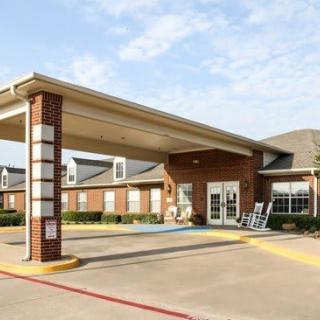
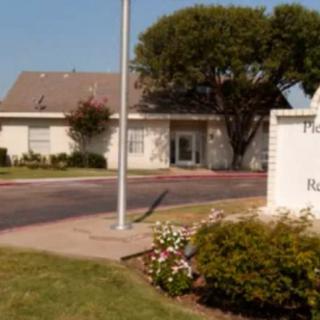
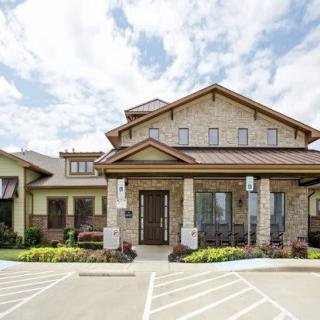
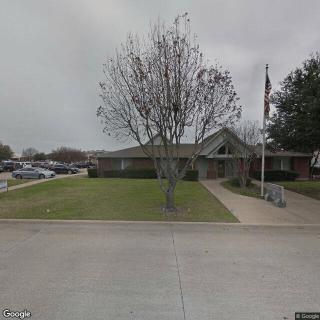
    What photos are available for Focused Care Of Waxahachie in Waxahachie, Texas?

    Nearby Communities

    Related Resources

    • palliative care at homeExploring Palliative Care in the Home: A Comprehensive Overview

      Palliative care enhances the quality of life for seriously ill patients by providing comprehensive support at home through a multidisciplinary team, addressing various needs and prioritizing comfort over curative treatments. While it offers personalized care and involves family in decision-making, challenges like caregiver stress and logistical issues persist, with growing demand prompting advancements in technology and healthcare policies to improve access.

    • palliative care at homeComprehensive Insights into Palliative Home Care: What It Is and What to Expect

      Palliative home care focuses on improving the quality of life for individuals with serious illnesses by providing comfort, symptom management, and emotional support in their own homes. This approach includes personalized care plans, regular assessments, and resources for family caregivers, all while prioritizing person-centered treatment that aligns with patients' goals.

    • skilled nursing facility vs nursing homeSkilled Nursing Facilities vs. Nursing Homes: Making Sense of the Differences

      Skilled nursing facilities (SNFs) provide high-level medical care and rehabilitation for short-term recovery, typically covered by Medicare after hospitalization, while nursing homes focus on ongoing custodial care for chronic conditions, mainly funded by Medicaid or private payments. The staffing and regulatory structures differ significantly between the two, necessitating clarity for families in choosing appropriate long-term care options.


    Get Pricing Ask A Question Schedule A Tour Contact Senior Advisor