Pleasant Manor Health & Rehabilitation Center

Save

Pleasant Manor Health & Rehabilitation Center

3650 South Ih 35 E, Waxahachie, TX 75165

For more information about senior living options: (844) 490-3973

4.2 from 100 reviews
5 stars
77
4 stars
4
3 stars
0
2 stars
2
1 stars
17

Skilled Nursing Facility

What level of care are you interested in?

Assisted Living

Memory Care

Independent Living

Skilled Nursing Facility

Continuing Care Retirement Community (CCRC)CCRC

Other


Request a tour at Pleasant Manor Health & Rehabilitation Center

    Overall Review of Pleasant Manor Health & Rehabilitation Center

    Pros

    • pro The staff at Pleasant Manor are consistently exceptional and caring.
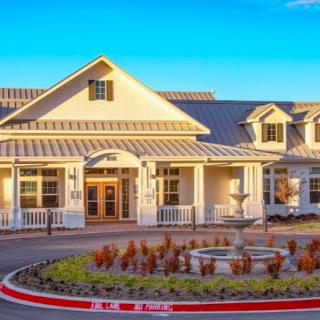
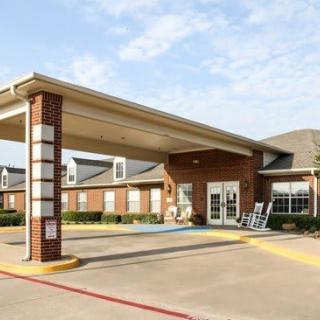
    • pro The facility is clean, welcoming, and well-maintained.
    • pro The care and rehab services are described as incredible.
    • pro Isaac (the director) treats every resident like family and is responsive to problems.
    • pro The therapy team is highly skilled and genuinely compassionate.
    • pro Nurse Jennifer is repeatedly praised for being amazing, attentive, and compassionate.
    • pro The leadership and administration are dedicated, making Pleasant Manor a great place to be.
    • pro Families express gratitude for the staff's patience, dignity, and willingness to go above and beyond.
    • pro The housekeeping staff are easy to contact and help keep the home sanitary.
    • pro Residents are happy, activities are fun, and meals look tasty.

    Cons

    • pro One reviewer gave zero stars, calling the facility "terrible" and saying the place itself was awful, despite some floor staff being friendly; they urged the leadership to be ashamed.
    • pro Another reviewer said they yelled for help for two hours and ultimately had to call 911 to be removed from the facility.
    • pro A reviewer alleged the memory-care unit denied their husband water and medication after a fall, refused pain medication without verbal confirmation, and claimed staff were too busy on their phones and didn't care for patients.
    • pro A reviewer cautioned others, saying "Do NOT go here," describing neglect and unsafe conditions that led to leaving the facility.

    Review

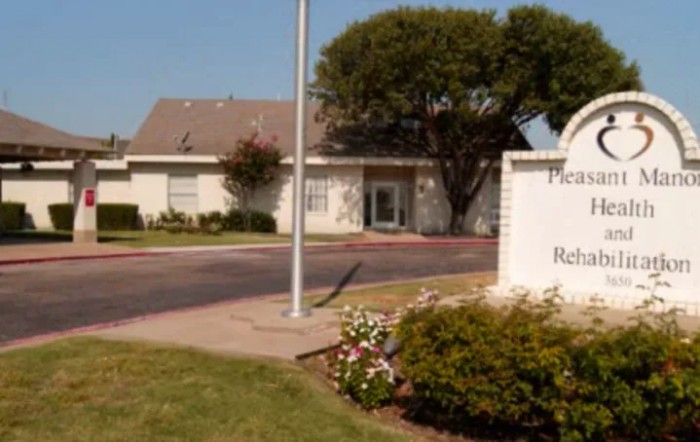
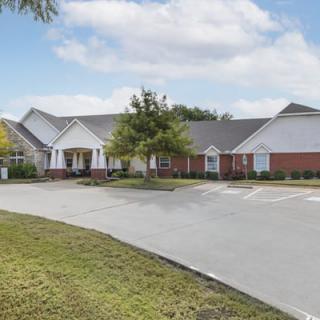
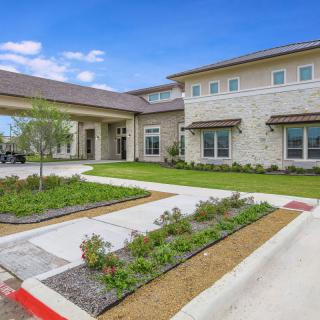
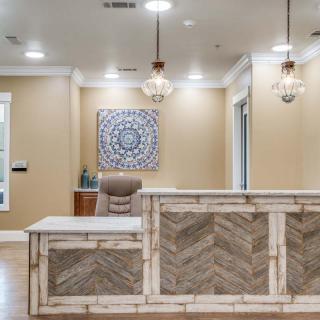
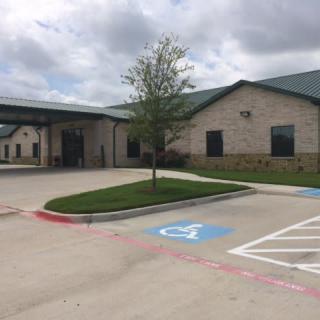
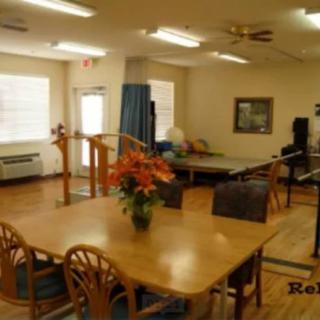
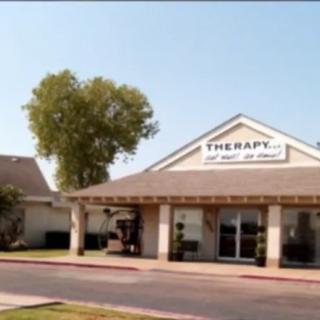
    Pleasant Manor Nursing Home and Rehabilitation in Waxahachie, Texas, emerges in these voices as a place where kindness and competence intersect with a strong dedication to residents' well-being. The majority of reviews describe a welcoming, clean, and well-maintained environment where both the atmosphere and the team feel centered on quality care. Families repeatedly note that the facility looks and feels pleasant, with odor-free spaces and a calm, put-together setting that makes visitors and residents feel at ease from the moment they arrive. The sense of warmth is reinforced by stories of staff who are not only professional but genuinely caring, often going above and beyond to ensure residents feel respected and comfortable.

    A central thread throughout the positive feedback is the performance of the staff, from nursing to administrative leadership. Reviewers consistently highlight the nurses and frontline caregivers as patient, kind, and responsive. In particular, many recounted how staff handled challenging conditions with dignity and compassion, including Lewy body dementia and other difficult behaviors, without losing patience or empathy. The administrator and leadership team receive frequent praise for fostering an environment where residents are treated like family, and where families feel heard and supported during trying times. The director Isaac is repeatedly described as responsive and attentive, with residents and families appreciating the accessibility and care he demonstrates.

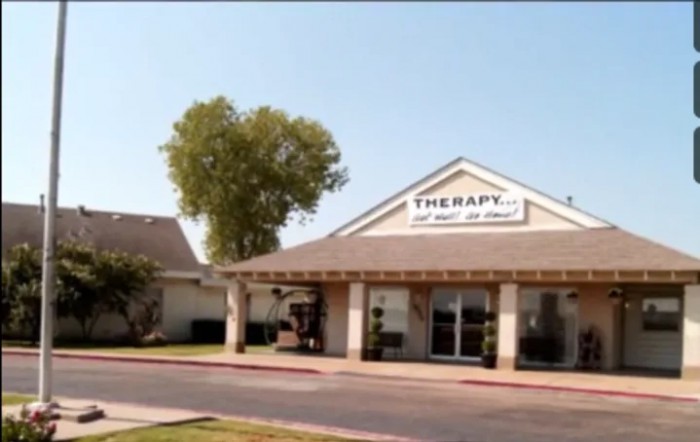
    The nursing and therapy teams receive numerous specific commendations. Nurse Jennifer stands out in several accounts for listening carefully, explaining things clearly, and making patients feel cared for. Additional staff named for special attention include Sahara, Cindy, Henrietta, Pam, Nurses Ashley, Gloria, Sharon, and Darryle, all recognized for going beyond ordinary expectations. The therapy department is frequently credited with restoring function and confidence; therapists Suzanne, Keelan, and Megan are highlighted for their skill and compassion, helping a loved one regain mobility and independence. Housekeeping and support staff, too, are thanked by families for their steady reliability - Mary, Brenda, and Cira are repeatedly noted for being easy to reach and for keeping the home sanitary and orderly. The overall sentiment is that Pleasant Manor operates as a cohesive team where every role contributes to a safe, nurturing environment.

    Families also celebrate individual acts of generosity and personal connections that deepen trust. Several reviewers emphasized how the leadership team has worked to improve the facility, and how administrators and frontline staff alike are focused on maintaining a high standard of care. There are heartfelt endorsements from relatives who express relief and gratitude for the opportunity to spend meaningful time with loved ones during holidays, or for the way staff created spaces and moments that honored family ties and memories. Specific stories about the therapy team's dedication, the wound care team's effectiveness, and the general sense that residents receive consistent updates and explanations about their care illustrate a culture that prizes openness and accountability.

    Yet, not every experience aligns with the majority of praise. A troubling subset of reviews is clear and emphatic: warnings against the facility. One reviewer asserts that no one should post zero stars, but nonetheless assigns it, describing the place as terrible and comparing it unfavorably with a "nice, pleasant odor free facility." This account claims that, despite friendly floor staff, there are serious concerns about the overall quality and management, with calls for accountability directed at the CEO, CFO, and the parent company. Another review echoes a similarly negative situation, recounting a grievous failure to provide timely care and asserting that the facility's leadership should be ashamed of neglect. These voices underscore a fundamental truth about long-term care: experiences can be highly variable, and a good day's care depends on consistent staffing, effective communication, and timely response to needs.

    There is also a particularly stark memory-care critique embedded in the mix: a resident's family describes a frightening experience in which pain medication and necessary water were withheld under disputed conditions. The reviewer characterizes the memory-care unit as the worst they have seen, lamenting that the patient's needs were not met promptly due to policies surrounding verbal requests and perceived noncompliance. This report stands in contrast to the many affectionate narratives about compassionate care, reminding readers that accountability, advocacy, and vigilant oversight are essential in any facility. It also highlights the importance of clear, compassionate protocols for memory care to prevent situations where vulnerable residents may feel unheard or unsafe.

    Taken together, the collection of reviews paints a nuanced portrait of Pleasant Manor. On balance, it appears to be a facility where many residents and families experience high-quality, person-centered care delivered by a capable, empathetic team. The leadership and administrative staff are often cited as a driving force behind improvements, and the therapy, nursing, and housekeeping teams receive frequent commendations for their dedication and professionalism. However, the presence of serious negative experiences - ranging from perceived neglect to critical critiques of memory-care practices - serves as a potent reminder that even well-regarded facilities must continuously strive for transparency, consistency, and unwavering attention to patient rights and needs. For families considering Pleasant Manor, the message is clear: there is much to commend, but it remains essential to visit, ask detailed questions about care plans, and ensure that your loved one's specific needs are met with timely, respectful, and compassionate responses.

    Features

    Housing

    • 132 resident community capacity 132 resident community capacity

    Types of Care

    • Skilled Nursing Facility Skilled Nursing FacilitySkilled Nursing Facilities are crucial for seniors as they provide round-the-clock medical care, rehabilitation services, and assistance with daily activities. These facilities ensure that seniors receive the specialized care they need to maintain their health and well-being as they age.

    Amenities

    • Air-conditioning Air-conditioningAir conditioning is important for seniors as they are more vulnerable to heat-related illnesses and may have underlying health conditions that make it difficult for them to regulate their body temperature. It helps to keep them comfortable, safe, and healthy in hot weather.
    • Beauty salon Beauty salonBeauty salons are important for seniors because they provide a space for them to feel pampered, socialize, and maintain their personal grooming and hygiene. Regular visits to a beauty salon can help boost seniors' self-esteem and overall well-being.
    • Cable or satellite TV Cable or satellite TVCable or satellite TV is important for seniors because it provides entertainment, news, and companionship, helping to combat loneliness and boredom. It also offers a wide range of programming options tailored to different interests and preferences.
    • Computer center Computer centerA computer center is essential for seniors as it provides access to technology, communication tools, and resources that can enhance their daily lives. It allows them to stay connected with loved ones, engage in online activities, and learn new skills, ultimately promoting socialization and mental stimulation.
    • Dining room Dining roomDining rooms are important for seniors as they provide a space for socialization, connection, and nutritious meals. They offer opportunities for residents to bond over shared meals, foster a sense of community, and promote healthy eating habits. Dining rooms also ensure that seniors have access to well-balanced meals tailored to their dietary needs and preferences.
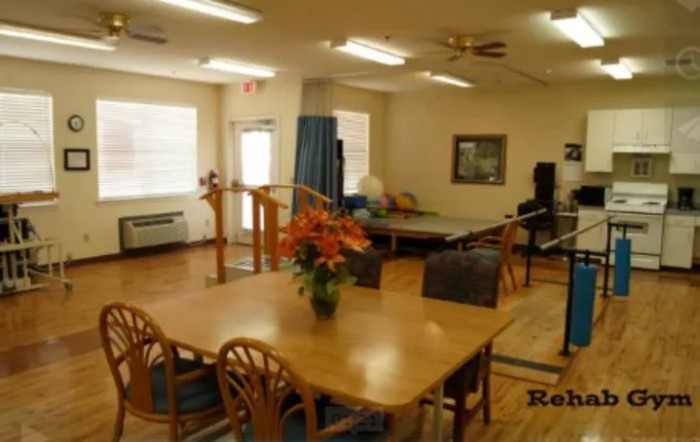
    • Fitness room Fitness roomHaving a fitness room in a senior living community is essential for seniors to stay active, maintain their physical health, and improve their overall well-being. Regular exercise can help prevent falls, reduce the risk of chronic diseases, and promote mental sharpness. It also provides social opportunities for residents to connect with others and enjoy a sense of community.
    • Fully furnished Fully furnishedFully furnished senior living communities are important for seniors because they provide convenience, comfort, and a hassle-free moving experience. Seniors can easily settle into their new living space without the stress of having to buy and move furniture. This allows them to focus on enjoying their new home and community.
    • Gaming room Gaming roomGaming rooms are important for seniors as they provide a fun and engaging environment for socializing, cognitive stimulation, and physical activity. Games can improve memory, problem-solving skills, and overall mental well-being while fostering friendships and reducing feelings of isolation.
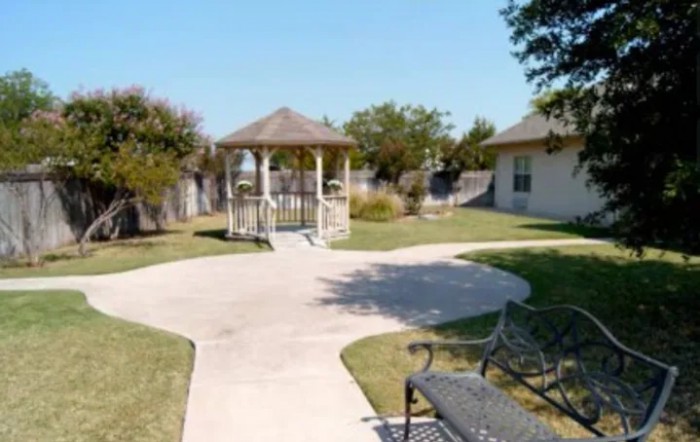
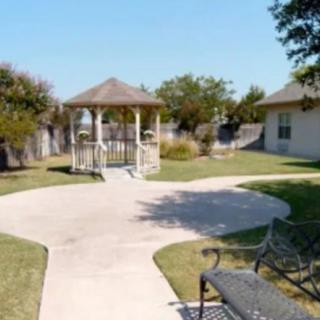
    • Garden GardenGardens are important for seniors as they provide a peaceful and therapeutic environment for relaxation, physical activity, and socialization. Being in nature has been shown to reduce stress, improve mood, and promote overall well-being. Gardens also offer opportunities for seniors to engage in gardening activities, which can improve mobility, flexibility, and cognitive function. Additionally, gardens create a sense of community and connection with others who share a passion for plants and outdoor spaces.
    • Housekeeping services Housekeeping servicesHousekeeping services are important for seniors because they help maintain a clean and safe living environment, promote independence, and reduce the risk of accidents or illnesses. Additionally, having assistance with household chores can alleviate physical strain and allow seniors to focus on other aspects of their well-being.
    • Kitchenette KitchenetteKitchenettes are important for seniors living in senior living communities because they provide the convenience and independence of being able to prepare simple meals and snacks in the comfort of their own living space. This can help promote a sense of autonomy and well-being for seniors, allowing them to maintain some level of control over their dietary choices and daily routines.
    • Move-in coordination Move-in coordinationMove-in coordination is important for seniors because it helps ease the transition into their new living environment. It ensures that all logistics, such as packing, organizing movers, and setting up utilities are taken care of, allowing seniors to focus on settling in and adjusting to their new home. Having a smooth move-in process can alleviate stress and anxiety, making the transition smoother and more enjoyable for seniors.
    • Outdoor space Outdoor spaceOutdoor spaces are important for seniors as they provide opportunities for physical activity, social interaction, exposure to natural light and fresh air, and a sense of connection to nature. Having access to outdoor spaces can improve overall well-being and quality of life for older adults living in senior communities.
    • Private bathrooms Private bathroomsPrivate bathrooms are important for seniors in senior living communities because they provide independence, dignity, and comfort. Having a private bathroom allows seniors to maintain their personal hygiene routines without the need for assistance, promoting a sense of autonomy and privacy. Additionally, private bathrooms help prevent the spread of infections and provide a safe and clean environment for seniors to navigate safely.
    • Restaurant-style dining Restaurant-style diningRestaurant-style dining is important for seniors because it allows them to enjoy delicious, nutritious meals in a social and upscale setting. This enhances their dining experience, promotes healthy eating habits, and fosters socialization with fellow residents, ultimately contributing to their overall well-being and quality of life.
    • Small library Small librarySmall libraries are important for seniors as they provide access to a variety of reading materials, including books, newspapers, and magazines. This can help stimulate their minds, keep them engaged, and provide a sense of community through book clubs and other social activities. Additionally, reading has been shown to improve cognitive function and overall mental well-being in older adults.
    • Telephone TelephoneTelephones are important for seniors as they provide a lifeline for communication with loved ones, emergency services, and healthcare providers. They offer a sense of security and independence, enabling seniors to stay connected and access assistance when needed.
    • Wellness center Wellness centerWellness centers are important for seniors because they offer a variety of programs and services that promote physical, mental, and emotional well-being. These centers provide opportunities for exercise, socialization, education, and relaxation, helping seniors maintain their overall health and quality of life.
    • Wi-Fi/high-speed internet available Wi-Fi/high-speed internet availableWi-Fi/high-speed internet is important for seniors to stay connected with loved ones, access online resources, and participate in virtual activities to combat feelings of loneliness and isolation. It also allows them to easily manage healthcare needs, access entertainment, and engage in lifelong learning opportunities.

    Transportation

    • Community operated transportation Community operated transportationCommunity operated transportation is crucial for seniors as it provides them with the means to access essential services, social activities, and medical appointments. It allows seniors to maintain their independence and quality of life by ensuring they can participate in activities outside of their homes. Additionally, community-operated transportation services offer a safe and reliable way for seniors to travel without having to rely on family or friends for assistance.
    • Transportation arrangement Transportation arrangementTransportation arrangements are crucial for seniors as they may face challenges with driving, mobility, or access to public transportation. Having reliable transportation services ensures that seniors can easily attend appointments, social activities, and maintain their independence and quality of life.
    • Transportation arrangement (non-medical) Transportation arrangement (non-medical)Transportation arrangements are essential for seniors as they provide access to essential services, activities, and social interactions outside the home. This service helps maintain independence, mobility, and overall well-being for seniors who may have limited transportation options.
    • Transportation to doctors appointments Transportation to doctors appointmentsTransportation to doctors appointments is crucial for seniors as it ensures they have access to necessary medical care and support, promoting their health and well-being. It allows them to receive timely treatment, monitor existing conditions, and address any new health concerns efficiently. Additionally, transportation services can help seniors maintain their independence and quality of life by enabling them to stay connected with their healthcare providers.

    Care Services

    • 12-16 hour nursing 12-16 hour nursing12-16 hour nursing care is crucial for seniors in order to ensure around-the-clock monitoring, timely medication administration, and prompt response to any health concerns or emergencies. This level of care helps to promote the overall well-being and safety of seniors living in senior living communities.
    • 24-hour call system 24-hour call system24-hour call systems are important for seniors because they provide peace of mind and immediate assistance in case of emergencies. This technology ensures that help is always available, promoting safety and security for elderly individuals living alone or in assisted living facilities.
    • 24-hour supervision 24-hour supervision24-hour supervision is important for seniors to ensure their safety, well-being, and access to immediate assistance in case of emergencies or health issues. This constant support provides peace of mind for both seniors and their loved ones, allowing them to age in place with dignity and security.
    • Activities of daily living assistance Activities of daily living assistanceActivities of daily living assistance are important for seniors because they provide essential support with tasks such as eating, bathing, dressing, and mobility. This assistance helps seniors maintain their independence, dignity, and overall quality of life as they age.
    • Assistance with bathing Assistance with bathingAssistance with bathing is crucial for seniors as it helps maintain personal hygiene, prevents infections, and ensures their overall well-being and comfort. It also provides a sense of dignity and independence for seniors who may struggle with this task on their own.
    • Assistance with dressing Assistance with dressingAssistance with dressing is important for seniors because it helps maintain their independence, promotes personal hygiene, prevents accidents and injuries, and improves overall quality of life. This service ensures that seniors can continue to dress comfortably and confidently, despite any physical limitations they may have.
    • Assistance with transfers Assistance with transfersAssistance with transfers is crucial for seniors as it helps prevent falls and injuries, maintains their independence, and ensures they can safely navigate their living environment. It also provides peace of mind for both seniors and their loved ones.
    • Diabetes diet Diabetes dietA diabetes diet is crucial for seniors as it helps manage blood sugar levels, reduce risks of complications, and improve overall health and well-being. By following a balanced and nutritious diet tailored to their specific needs, seniors can better control their diabetes and enhance their quality of life.
    • Meal preparation and service Meal preparation and serviceMeal preparation and service are crucial for seniors as they may have limited mobility or energy to cook nutritious meals. Having access to healthy and convenient food options can ensure they are getting the proper nutrition needed to maintain their overall health and well-being.
    • Medication management Medication managementMedication management is crucial for seniors to ensure they are taking the right medications at the correct dosages and times. This helps prevent adverse drug interactions, reduces the risk of medication errors, and promotes overall health and well-being. Proactive management also allows for adjustments as needed based on changing health conditions or new prescriptions.
    • Mental wellness program Mental wellness programMental wellness programs are essential for seniors as they promote cognitive stimulation, emotional support, and social engagement. These programs help prevent isolation, depression, and cognitive decline, ultimately enhancing the overall quality of life for older adults.
    • Special dietary restrictions Special dietary restrictionsSpecial dietary restrictions are important for seniors because age-related changes in metabolism and health conditions can make it difficult for their bodies to process certain foods. By following a diet tailored to their specific needs, seniors can maintain their overall health and well-being, manage chronic conditions, and reduce the risk of complications such as malnutrition or food interactions with medications.

    Dining

    • Diabetes diet Diabetes dietA diabetes diet is crucial for seniors as it helps manage blood sugar levels, reduce risks of complications, and improve overall health and well-being. By following a balanced and nutritious diet tailored to their specific needs, seniors can better control their diabetes and enhance their quality of life.
    • Special dietary restrictions Special dietary restrictionsSpecial dietary restrictions are important for seniors because age-related changes in metabolism and health conditions can make it difficult for their bodies to process certain foods. By following a diet tailored to their specific needs, seniors can maintain their overall health and well-being, manage chronic conditions, and reduce the risk of complications such as malnutrition or food interactions with medications.

    Activities

    • Community-sponsored activities Community-sponsored activitiesCommunity-sponsored activities are important for seniors as they provide opportunities for social interaction, mental stimulation, and physical activity. These activities can help improve overall well-being, combat loneliness and isolation, and promote a sense of belonging and purpose among older adults.
    • Concierge services Concierge servicesConcierge services are essential for seniors as they provide assistance with daily tasks and errands, enhance their quality of life by offering convenience and personalized care, and promote a sense of safety and security.
    • Fitness programs Fitness programsFitness programs are crucial for seniors as they help improve strength, flexibility, balance, and overall well-being. Staying active can reduce the risk of chronic diseases, improve mental health, and enhance quality of life in older adults.
    • Planned day trips Planned day tripsPlanned day trips are important for seniors because they offer opportunities for socialization, mental stimulation, and physical activity. They provide a change of scenery and help seniors stay engaged and connected to their community, promoting overall well-being and quality of life.
    • Resident-run activities Resident-run activitiesResident-run activities are important for seniors as they encourage social interaction, creativity, and a sense of autonomy. These activities empower seniors to stay engaged and active in their community while fostering meaningful connections with their peers.
    • Scheduled daily activities Scheduled daily activitiesScheduled daily activities are important for seniors because they provide structure, socialization, mental stimulation, and physical activity. Engaging in regular activities can improve overall well-being and quality of life for seniors living in a community setting.

    Description

    Pleasant Manor Health & Rehabilitation Center in Waxahachie, TX is a vibrant and comfortable assisted living community that offers a wide range of amenities and care services to meet the needs of its residents. Our goal is to provide a welcoming and home-like environment where seniors can enjoy their golden years.

    In terms of amenities, residents have access to various facilities such as a beauty salon, computer center, gaming room, fitness room, and small library. We also offer outdoor spaces and gardens for those who want to soak in the natural surroundings. With Wi-Fi/high-speed internet available throughout the community, staying connected with loved ones and keeping up with social media is a breeze.

    When it comes to care services, our dedicated staff is available 24 hours a day to ensure the safety and well-being of our residents. We provide assistance with activities of daily living like bathing, dressing, and transfers. Our team also provides medication management and follows special dietary restrictions including diabetes diets. Transportation arrangements (both medical and non-medical) are available for doctor's appointments or other errands.

    At Pleasant Manor Health & Rehabilitation Center, we believe in promoting an active lifestyle for our residents. We offer scheduled daily activities as well as fitness programs to keep both the mind and body active. Concierge services are available for any additional assistance or requests. Our community also organizes planned day trips for those who love exploring new places.

    Convenience is an important aspect of our location. With several cafes, parks, pharmacies, physicians' offices, restaurants, places of worship, theaters nearby along with three hospitals located just a short distance away from our facility; our residents have easy access to essential services.

    Overall, Pleasant Manor Health & Rehabilitation Center provides a warm and caring environment where seniors can enjoy their retirement years while receiving the support they need.

    Nearby Places of Interest

    Places of Worship

    • Southern Baptist Convention (0.2 miles)
    • Southern Baptist Convention (0.8 miles)
    • Fullfilled Outreach Ministries (0.9 miles)
    • Straight Way Non-Denominational Church (1.8 miles)
    • University Church (2.9 miles)
    • Asamblea Betesda (4.5 miles)
    • North TX District Assemblies Of God (6.6 miles)

    Restaurants

    • Sonic Drive-In (0.4 miles)
    • Two Amigos Taqueria (1.2 miles)
    • Prime 115 (1.3 miles)
    • Oma's Jiffy Burger (1.3 miles)
    • College Street Pub (1.4 miles)
    • Atkins Seafood (1.4 miles)
    • Ugly Heifer Grill (1.7 miles)

    Cafes

    • Country Cafe (0.7 miles)
    • The Dessert Spot (1.3 miles)
    • Starbucks (3.4 miles)
    • Panera Bread (3.8 miles)

    Physicians

    • APN Behavioral Healthcare (1.3 miles)
    • Donaldson Wellness Center (1.6 miles)
    • Child & Family Guidance Center (1.7 miles)
    • Allergy and Asthma Center of Waxahachie (1.7 miles)
    • Texas Oncology-Waxahachie (1.7 miles)
    • Waxahachie Surgical Specialist (1.7 miles)
    • Kare Family Clinic (1.8 miles)

    Pharmacies

    • Trinity Pharmacy (1.3 miles)
    • Genoa-QOL Healthcare Co. (1.7 miles)
    • The Prescription Shop (1.8 miles)
    • CVS Pharmacy (1.8 miles)
    • Walgreens (2.2 miles)
    • H-E-B Pharmacy (3.1 miles)
    • Walgreens (9.8 miles)

    Hospitals

    • Baylor Surgery Center at Waxahachie (2 miles)
    • Baylor Medical Center At Waxahachie (3.9 miles)
    • Texas Surgical Speclsts (4.1 miles)

    Theaters

    • Showbiz Cinemas 12 (3.3 miles)

    Parks

    • Matthew’s Park (4.4 miles)

    Transportation

    • U-Haul (6.1 miles)
    • Mid-Way Regional Airport (JWY) (6.5 miles)
    • U-Haul Neighborhood Dealer (7.3 miles)

    Frequently Asked Questions

    Where is Pleasant Manor Health & Rehabilitation Center?
    What photos are available for Pleasant Manor Health & Rehabilitation Center in Waxahachie, Texas?

    Nearby Communities

    Related Resources

    • how much does 24/7 in home care cost per monthUnderstanding the Full Cost of 24/7 In-Home Care: A Detailed Overview

      The guide outlines the rising costs of 24/7 in-home care, ranging from $10,000 to over $20,000 monthly, driven by factors such as location and caregiver qualifications. It discusses the limited coverage by Medicare and private insurance, potential Medicaid support, and the emotional and living condition considerations influencing families' decisions on care arrangements.

    • home health nurseExploring the World of Home Health Nurses: Qualifications, Roles, and Hiring Tips

      Home health nursing is an expanding field where licensed professionals provide specialized medical care in patients' homes, addressing the needs of an aging population through personalized services like assessments and medication management. Effective collaboration with healthcare teams, cultural sensitivity, and quality assurance measures are essential for fostering trust and ensuring positive patient outcomes.

    • does medicare cover home health careNavigating Medicare Coverage for In-Home Care Services
      Medicare covers in-home health care services, which are medical and provided by licensed professionals under a physician's supervision, whereas non-medical personal assistance is generally not covered unless part of a broader skilled care plan. Eligibility for benefits depends on being homebound and needing intermittent skilled services from a Medicare-certified agency, with specific coverage limitations and additional resources available for navigating options.


    Get Pricing Ask A Question Schedule A Tour Contact Senior Advisor