






The Resort at Texas City

Save

  • Interior

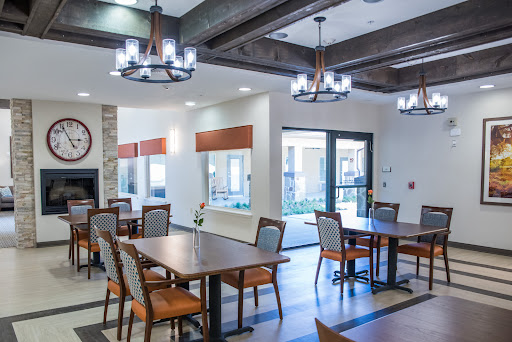
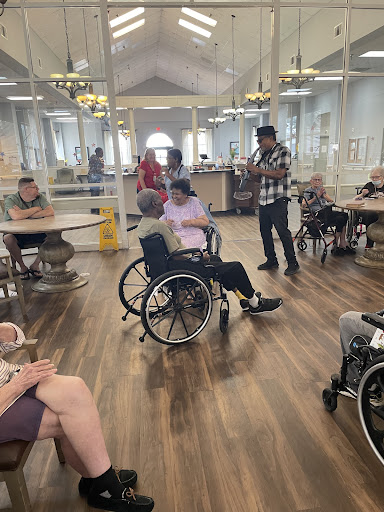
    A spacious and modern dining area featuring elegant chandeliers, tables, and chairs arranged for patrons.
  • Outdoors

    A caregiver assists a person in a wheelchair along a path in a park.
  • Decor

    Cozy cafe interior with classic decor and signage.
  • Living Room

    A cozy living room with a sofa, armchair, coffee table, and lamp.
  • Building

    A modern architectural building with a distinctive entrance and green roof.
  • Workspace

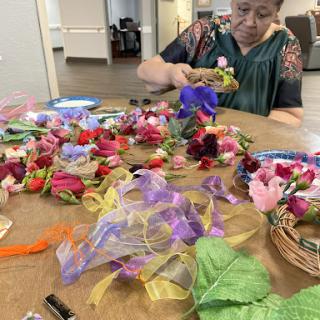
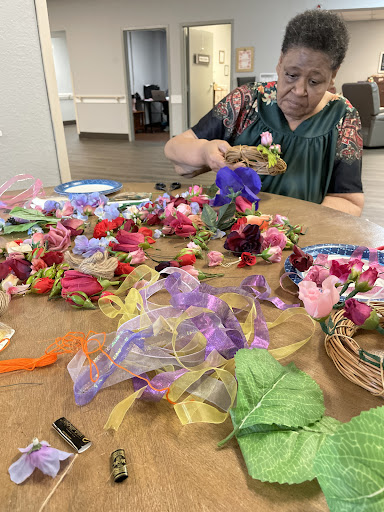
    A creative workspace filled with colorful artificial flowers and ribbons, showcasing a crafting activity.

The Resort at Texas City

1720 N Logan St, Texas City, TX 77590

For more information about senior living options: (844) 490-3973

3.3 from 16 reviews
5 stars
7
4 stars
2
3 stars
0
2 stars
2
1 stars
5

Skilled Nursing Facility

What level of care are you interested in?

Assisted Living

Memory Care

Independent Living

Skilled Nursing Facility

Continuing Care Retirement Community (CCRC)CCRC

Other


Request a tour at The Resort at Texas City

    Overall Review of The Resort at Texas City

    Pros

    • pro Aides are excellent.
    • pro The rooms are nice.
    • pro CNAs are really helpful, especially Rose.
    • pro Versi is a wonderful nurse with a good bedside manner.
    • pro The DON is caring and compassionate.
    • pro Nursing staff is friendly.
    • pro The staff seemed to be pretty pleasant.
    • pro The facility is very clean.
    • pro The food is pretty good.

    Cons

    • pro The facility is not a good place for loved ones.
    • pro Nurses sit at the nurses' station talking on the phone.
    • pro CNAs hide and do not answer lights, do not check on residents, do not give them water, and do not change them when they are wet.
    • pro The facility does not provide therapy to residents who need it.
    • pro Nurses and management are described as incompetent; the staff needs training.
    • pro Food is barely edible and is served cold.
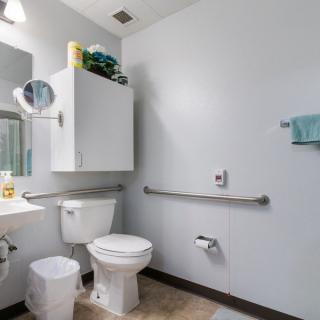
    • pro Rooms have too much furniture and bathrooms lack adequate shelf space.
    • pro Salads are hard to get and there is no fresh fruit; weekends are a disaster.
    • pro Toilets do not work properly.

    Review

    Gulf Health Care Center elicits a wide range of experiences from families and patients, with many accounts highlighting strong positives in some areas while voicing serious concerns in others. On one end of the spectrum, there are repeated compliments about the dedicated aides and the effectiveness of therapy, and there are pockets of praise for individual staff members who demonstrate compassion, good bedside manner, and reliable support. On the other end, numerous reviews describe systemic problems - staffing shortfalls, inconsistent care, and management shortfalls - that can profoundly affect a resident's daily life and overall well-being.

    Several reviews praise the role of the aides as a bright spot in an otherwise mixed picture. The aides are often described as "excellent" or "really helpful," with specific appreciation for individuals like Rose who provide dependable assistance. Families and residents frequently point to the friendly, personable nature of the aides and to the caretaking they receive during routine tasks. These positive experiences are reinforced by remarks about the nursing and therapy teams in some entries, where patients note improvements in mobility or wound healing after therapy sessions. In particular, therapists are credited with restoring range of motion in arms or shoulders, and some residents report significant functional gains after rehabilitation, sometimes accompanied by praise for the DON (Director of Nursing) who is described as caring and compassionate in the comfort and management of care.

    Amid the praise for therapy and direct care, however, there are persistent criticisms that target how care is organized and delivered on a day-to-day basis. A recurring theme is that many nurses and supervisory staff appear to be in a constant hurry, rushing through tasks and multitasking in ways that some residents feel leads to shortcuts and missed needs. Several accounts describe residents who are not promptly attended to, who do not receive necessary assistance when lights are on or when they request help, or who go long periods without requested basic care such as water, assistance with hygiene, or timely changes when soiled. The same voices often point to a disconnect between shifts and to concerns that critical information is not communicated effectively across staff members, which can leave families in the dark about changes in condition or care plans. There are even pointed descriptions of staff who are perceived as overwhelmed or inadequately trained, particularly in handling patients with higher needs or complex conditions.

    The facility's environment and daily living conditions also receive mixed feedback. Some reviewers describe a clean, well-maintained setting that feels safe and sanitary, with some noting that the rooms, though not plush, are comfortable and the overall look of the place has improved with new furniture and updated appliances. Others, however, comment on the physical layout and furnishings, noting that the space can feel cluttered with too much furniture and that double-occupancy rooms may contribute to a sense of confinement or moodiness. There are observations about practical inconveniences in the bathroom and shower areas - missing shelves, the lack of a soap dish, or the need for additional hooks - along with a few complaints about accessibility and the overall patient environment. A few residents explicitly highlight a strong smell of urine in certain settings, while others emphasize how clean and odor-free the facility can be, underscoring a variable experience that seems to depend on shifts, rooms, and particular staff.

    Food and nutrition emerge as another area of divided experience. Several reviews describe meals that fall short - cold food, limited fresh fruit, salads unavailable on weekends, and specific critiques of preparation and presentation, such as fish served with a lemon wedge or bowls placed in a way that causes food to cool quickly. Yet other voices celebrate the dining experience, noting that the food can be enjoyable and that the menus include inventive options or specialties that residents appreciate. The inconsistency appears to be a common thread here: some residents enjoy meals and feel satisfied, while others are disappointed by quality and preparation, especially during weekends or in certain dietary situations.

    Communication with families and transparency from administration are themes that frequently surface. Some reviewers express relief at responsive, compassionate leadership and a willingness to engage with families; others describe a lack of timely communication, particularly around emergencies or transfers to hospital care. A few accounts commend changes made by the facility, such as fresh furniture or updated decor, and they highlight a generally positive impression of management in some cases. Yet the same broad set of accounts includes strong critiques that management is at best poor and that the overall organizational culture can feel chaotic, rushed, and prone to overlooking the nuanced needs of individual residents.

    Overall, Gulf Health Care Center appears to be a place of contrasts. For some residents, it offers meaningful therapeutic recovery, competent and compassionate aides, and a clean, reasonably well-maintained environment. For others, it represents a struggle with inconsistent care, slow responses to basic needs, and management challenges that complicate even routine daily life. The common thread across these narratives is that the quality of experience at this facility is heavily dependent on the particular staff on duty, the specifics of the resident's needs, and the ability of family members to advocate and stay engaged with care plans. Families considering this facility would be advised to visit frequently, observe staffing dynamics during different shifts, and discuss care coordination and communication clearly with administration to understand how the center supports both mobility and daily living needs over time.

    Features

    Housing

    • 135 resident community capacity 135 resident community capacity

    Types of Care

    • Skilled Nursing Facility Skilled Nursing FacilitySkilled Nursing Facilities are crucial for seniors as they provide round-the-clock medical care, rehabilitation services, and assistance with daily activities. These facilities ensure that seniors receive the specialized care they need to maintain their health and well-being as they age.

    Amenities

    • Air-conditioning Air-conditioningAir conditioning is important for seniors as they are more vulnerable to heat-related illnesses and may have underlying health conditions that make it difficult for them to regulate their body temperature. It helps to keep them comfortable, safe, and healthy in hot weather.
    • Beauty salon Beauty salonBeauty salons are important for seniors because they provide a space for them to feel pampered, socialize, and maintain their personal grooming and hygiene. Regular visits to a beauty salon can help boost seniors' self-esteem and overall well-being.
    • Cable or satellite TV Cable or satellite TVCable or satellite TV is important for seniors because it provides entertainment, news, and companionship, helping to combat loneliness and boredom. It also offers a wide range of programming options tailored to different interests and preferences.
    • Computer center Computer centerA computer center is essential for seniors as it provides access to technology, communication tools, and resources that can enhance their daily lives. It allows them to stay connected with loved ones, engage in online activities, and learn new skills, ultimately promoting socialization and mental stimulation.
    • Dining room Dining roomDining rooms are important for seniors as they provide a space for socialization, connection, and nutritious meals. They offer opportunities for residents to bond over shared meals, foster a sense of community, and promote healthy eating habits. Dining rooms also ensure that seniors have access to well-balanced meals tailored to their dietary needs and preferences.
    • Fitness room Fitness roomHaving a fitness room in a senior living community is essential for seniors to stay active, maintain their physical health, and improve their overall well-being. Regular exercise can help prevent falls, reduce the risk of chronic diseases, and promote mental sharpness. It also provides social opportunities for residents to connect with others and enjoy a sense of community.
    • Fully furnished Fully furnishedFully furnished senior living communities are important for seniors because they provide convenience, comfort, and a hassle-free moving experience. Seniors can easily settle into their new living space without the stress of having to buy and move furniture. This allows them to focus on enjoying their new home and community.
    • Gaming room Gaming roomGaming rooms are important for seniors as they provide a fun and engaging environment for socializing, cognitive stimulation, and physical activity. Games can improve memory, problem-solving skills, and overall mental well-being while fostering friendships and reducing feelings of isolation.
    • Garden GardenGardens are important for seniors as they provide a peaceful and therapeutic environment for relaxation, physical activity, and socialization. Being in nature has been shown to reduce stress, improve mood, and promote overall well-being. Gardens also offer opportunities for seniors to engage in gardening activities, which can improve mobility, flexibility, and cognitive function. Additionally, gardens create a sense of community and connection with others who share a passion for plants and outdoor spaces.
    • Housekeeping services Housekeeping servicesHousekeeping services are important for seniors because they help maintain a clean and safe living environment, promote independence, and reduce the risk of accidents or illnesses. Additionally, having assistance with household chores can alleviate physical strain and allow seniors to focus on other aspects of their well-being.
    • Kitchenette KitchenetteKitchenettes are important for seniors living in senior living communities because they provide the convenience and independence of being able to prepare simple meals and snacks in the comfort of their own living space. This can help promote a sense of autonomy and well-being for seniors, allowing them to maintain some level of control over their dietary choices and daily routines.
    • Move-in coordination Move-in coordinationMove-in coordination is important for seniors because it helps ease the transition into their new living environment. It ensures that all logistics, such as packing, organizing movers, and setting up utilities are taken care of, allowing seniors to focus on settling in and adjusting to their new home. Having a smooth move-in process can alleviate stress and anxiety, making the transition smoother and more enjoyable for seniors.
    • Outdoor space Outdoor spaceOutdoor spaces are important for seniors as they provide opportunities for physical activity, social interaction, exposure to natural light and fresh air, and a sense of connection to nature. Having access to outdoor spaces can improve overall well-being and quality of life for older adults living in senior communities.
    • Private bathrooms Private bathroomsPrivate bathrooms are important for seniors in senior living communities because they provide independence, dignity, and comfort. Having a private bathroom allows seniors to maintain their personal hygiene routines without the need for assistance, promoting a sense of autonomy and privacy. Additionally, private bathrooms help prevent the spread of infections and provide a safe and clean environment for seniors to navigate safely.
    • Restaurant-style dining Restaurant-style diningRestaurant-style dining is important for seniors because it allows them to enjoy delicious, nutritious meals in a social and upscale setting. This enhances their dining experience, promotes healthy eating habits, and fosters socialization with fellow residents, ultimately contributing to their overall well-being and quality of life.
    • Small library Small librarySmall libraries are important for seniors as they provide access to a variety of reading materials, including books, newspapers, and magazines. This can help stimulate their minds, keep them engaged, and provide a sense of community through book clubs and other social activities. Additionally, reading has been shown to improve cognitive function and overall mental well-being in older adults.
    • Telephone TelephoneTelephones are important for seniors as they provide a lifeline for communication with loved ones, emergency services, and healthcare providers. They offer a sense of security and independence, enabling seniors to stay connected and access assistance when needed.
    • Wellness center Wellness centerWellness centers are important for seniors because they offer a variety of programs and services that promote physical, mental, and emotional well-being. These centers provide opportunities for exercise, socialization, education, and relaxation, helping seniors maintain their overall health and quality of life.
    • Wi-Fi/high-speed internet available Wi-Fi/high-speed internet availableWi-Fi/high-speed internet is important for seniors to stay connected with loved ones, access online resources, and participate in virtual activities to combat feelings of loneliness and isolation. It also allows them to easily manage healthcare needs, access entertainment, and engage in lifelong learning opportunities.

    Transportation

    • Community operated transportation Community operated transportationCommunity operated transportation is crucial for seniors as it provides them with the means to access essential services, social activities, and medical appointments. It allows seniors to maintain their independence and quality of life by ensuring they can participate in activities outside of their homes. Additionally, community-operated transportation services offer a safe and reliable way for seniors to travel without having to rely on family or friends for assistance.
    • Transportation arrangement Transportation arrangementTransportation arrangements are crucial for seniors as they may face challenges with driving, mobility, or access to public transportation. Having reliable transportation services ensures that seniors can easily attend appointments, social activities, and maintain their independence and quality of life.
    • Transportation arrangement (non-medical) Transportation arrangement (non-medical)Transportation arrangements are essential for seniors as they provide access to essential services, activities, and social interactions outside the home. This service helps maintain independence, mobility, and overall well-being for seniors who may have limited transportation options.
    • Transportation to doctors appointments Transportation to doctors appointmentsTransportation to doctors appointments is crucial for seniors as it ensures they have access to necessary medical care and support, promoting their health and well-being. It allows them to receive timely treatment, monitor existing conditions, and address any new health concerns efficiently. Additionally, transportation services can help seniors maintain their independence and quality of life by enabling them to stay connected with their healthcare providers.

    Care Services

    • 12-16 hour nursing 12-16 hour nursing12-16 hour nursing care is crucial for seniors in order to ensure around-the-clock monitoring, timely medication administration, and prompt response to any health concerns or emergencies. This level of care helps to promote the overall well-being and safety of seniors living in senior living communities.
    • 24-hour call system 24-hour call system24-hour call systems are important for seniors because they provide peace of mind and immediate assistance in case of emergencies. This technology ensures that help is always available, promoting safety and security for elderly individuals living alone or in assisted living facilities.
    • 24-hour supervision 24-hour supervision24-hour supervision is important for seniors to ensure their safety, well-being, and access to immediate assistance in case of emergencies or health issues. This constant support provides peace of mind for both seniors and their loved ones, allowing them to age in place with dignity and security.
    • Activities of daily living assistance Activities of daily living assistanceActivities of daily living assistance are important for seniors because they provide essential support with tasks such as eating, bathing, dressing, and mobility. This assistance helps seniors maintain their independence, dignity, and overall quality of life as they age.
    • Assistance with bathing Assistance with bathingAssistance with bathing is crucial for seniors as it helps maintain personal hygiene, prevents infections, and ensures their overall well-being and comfort. It also provides a sense of dignity and independence for seniors who may struggle with this task on their own.
    • Assistance with dressing Assistance with dressingAssistance with dressing is important for seniors because it helps maintain their independence, promotes personal hygiene, prevents accidents and injuries, and improves overall quality of life. This service ensures that seniors can continue to dress comfortably and confidently, despite any physical limitations they may have.
    • Assistance with transfers Assistance with transfersAssistance with transfers is crucial for seniors as it helps prevent falls and injuries, maintains their independence, and ensures they can safely navigate their living environment. It also provides peace of mind for both seniors and their loved ones.
    • Diabetes diet Diabetes dietA diabetes diet is crucial for seniors as it helps manage blood sugar levels, reduce risks of complications, and improve overall health and well-being. By following a balanced and nutritious diet tailored to their specific needs, seniors can better control their diabetes and enhance their quality of life.
    • Meal preparation and service Meal preparation and serviceMeal preparation and service are crucial for seniors as they may have limited mobility or energy to cook nutritious meals. Having access to healthy and convenient food options can ensure they are getting the proper nutrition needed to maintain their overall health and well-being.
    • Medication management Medication managementMedication management is crucial for seniors to ensure they are taking the right medications at the correct dosages and times. This helps prevent adverse drug interactions, reduces the risk of medication errors, and promotes overall health and well-being. Proactive management also allows for adjustments as needed based on changing health conditions or new prescriptions.
    • Mental wellness program Mental wellness programMental wellness programs are essential for seniors as they promote cognitive stimulation, emotional support, and social engagement. These programs help prevent isolation, depression, and cognitive decline, ultimately enhancing the overall quality of life for older adults.
    • Special dietary restrictions Special dietary restrictionsSpecial dietary restrictions are important for seniors because age-related changes in metabolism and health conditions can make it difficult for their bodies to process certain foods. By following a diet tailored to their specific needs, seniors can maintain their overall health and well-being, manage chronic conditions, and reduce the risk of complications such as malnutrition or food interactions with medications.

    Dining

    • Diabetes diet Diabetes dietA diabetes diet is crucial for seniors as it helps manage blood sugar levels, reduce risks of complications, and improve overall health and well-being. By following a balanced and nutritious diet tailored to their specific needs, seniors can better control their diabetes and enhance their quality of life.
    • Special dietary restrictions Special dietary restrictionsSpecial dietary restrictions are important for seniors because age-related changes in metabolism and health conditions can make it difficult for their bodies to process certain foods. By following a diet tailored to their specific needs, seniors can maintain their overall health and well-being, manage chronic conditions, and reduce the risk of complications such as malnutrition or food interactions with medications.

    Activities

    • Community-sponsored activities Community-sponsored activitiesCommunity-sponsored activities are important for seniors as they provide opportunities for social interaction, mental stimulation, and physical activity. These activities can help improve overall well-being, combat loneliness and isolation, and promote a sense of belonging and purpose among older adults.
    • Concierge services Concierge servicesConcierge services are essential for seniors as they provide assistance with daily tasks and errands, enhance their quality of life by offering convenience and personalized care, and promote a sense of safety and security.
    • Fitness programs Fitness programsFitness programs are crucial for seniors as they help improve strength, flexibility, balance, and overall well-being. Staying active can reduce the risk of chronic diseases, improve mental health, and enhance quality of life in older adults.
    • Planned day trips Planned day tripsPlanned day trips are important for seniors because they offer opportunities for socialization, mental stimulation, and physical activity. They provide a change of scenery and help seniors stay engaged and connected to their community, promoting overall well-being and quality of life.
    • Resident-run activities Resident-run activitiesResident-run activities are important for seniors as they encourage social interaction, creativity, and a sense of autonomy. These activities empower seniors to stay engaged and active in their community while fostering meaningful connections with their peers.
    • Scheduled daily activities Scheduled daily activitiesScheduled daily activities are important for seniors because they provide structure, socialization, mental stimulation, and physical activity. Engaging in regular activities can improve overall well-being and quality of life for seniors living in a community setting.

    Description

    The Resort at Texas City is an assisted living community located in the charming city of Texas City, TX. Situated near various amenities, this community provides convenience and easy access to essential services for its residents.

    Nature enthusiasts will appreciate the presence of a nearby park, providing opportunities for leisurely walks, outdoor activities, and picnics surrounded by lush greenery. This allows residents to enjoy the natural beauty and tranquility that Texas City has to offer.

    For individuals requiring pharmaceutical services, there are four pharmacies in close proximity to The Resort at Texas City. Residents can easily access medication and other healthcare supplies, ensuring their medical needs are met efficiently.

    With nine physicians nearby, the community offers convenient access to medical professionals who specialize in various fields. This enables residents to receive high-quality healthcare services without having to travel long distances.

    Residents of The Resort at Texas City can also indulge in culinary delights with six restaurants located nearby. These dining options cater to various preferences and ensure that residents have a variety of choices when it comes to satisfying their taste buds.

    In terms of healthcare facilities, there is a hospital conveniently situated near the community. This proximity ensures that residents can readily access emergency medical care if ever needed, providing peace of mind for both residents and their families.

    Overall, The Resort at Texas City offers a comfortable and convenient lifestyle for its assisted living community members. Its location near parks, pharmacies, physicians, restaurants, and hospitals ensures that residents have all their needs met within close reach while enjoying the comforts of a serene environment.

    Nearby Places of Interest

    Hospitals

    • Gulf Health Care Center-Texas City (0 miles)
    • A1 Medical Imaging Open MRI of Texas City (5.2 miles)
    • Dva Renal Healthcare Incgam (9.6 miles)

    Restaurants

    • Bahama Buck's (0.5 miles)
    • Rosario's Flying Pizza (1 miles)
    • McDonald's (4.3 miles)
    • Sonic Drive-In (4.8 miles)
    • Topwater Grill (4.9 miles)
    • Kelley's Country Cookin (4.9 miles)
    • Olive Garden (5.8 miles)

    Physicians

    • Wright Thomas E III DDS (0.5 miles)
    • Orthopedic Clinic of Galveston County Associates (3.4 miles)
    • Mainland Medical Center (3.5 miles)
    • Dr Acharya Cardiologist (3.6 miles)
    • Mainland Surgical Associates (3.6 miles)
    • Mainland Pulmonary Associates (3.6 miles)
    • Mainland Primary Care Physicians (3.6 miles)

    Pharmacies

    • CVS Pharmacy (0.7 miles)
    • Walgreens (0.9 miles)
    • Hart Pharmacy (3 miles)
    • Comprehensive Pharmacy (3.6 miles)
    • CVS Pharmacy (9.3 miles)
    • CVS Pharmacy (9.5 miles)
    • Walgreens (9.8 miles)

    Parks

    • Highland Bayou Park (4.5 miles)
    • Tiki Island Park (7.5 miles)
    • Galveston Island Palms (9.5 miles)
    • Hometown Heroes Park (10.6 miles)

    Places of Worship

    • First Baptist Church Of Texas City (5.6 miles)

    Cafes

    • Shipley Do-Nuts (9.5 miles)
    • Starbucks (9.8 miles)
    • Red Light Coffee Roasters (10.3 miles)
    • Sugar Bean Coffee and Cream (10.3 miles)
    • Starbucks (10.4 miles)
    • MOD Coffeehouse (10.6 miles)

    Frequently Asked Questions

    Where is The Resort at Texas City?
    What photos are available for The Resort at Texas City in Texas City, Texas?

    Nearby Communities

    • The Phoenix Post - Acute Care

      The Phoenix Post - Acute Care

      Texas City, TX

      4.4 from 94 reviews
       

      pro 24/7 supervision and nursing with ADL support, plus restaurant-style dining and extensive on-site amenities.

    • Oceanview Healthcare and Rehabilitation

      Oceanview Healthcare and Rehabilitation

      Texas City, TX

      3.6 from 7 reviews
      $4,340 to $6,510 / month

      pro Attentive staff, personalized care, and a clean, inviting environment.

    • The Mildred House

      The Mildred House

      La Marque, TX

      3 from 2 reviews
       

      pro Small, intimate setting with 24-hour supervision and full daily living support.

    • Sunny & Saima Assisted Living Homes

      Sunny & Saima Assisted Living Homes

      La Marque, TX

      4.7 from 3 reviews
      $8,500 / month

      pro Private room with all-inclusive amenities (meals, housekeeping, activities, and transportation).

    • Laurel House

      Laurel House

      La Marque, TX

      4.2 from 5 reviews
       

      pro Comprehensive care with meals and healthcare coordination in a furnished, home?like setting.

    • Doll House Enterprise

      Doll House Enterprise

      La Marque, TX

      5 from 8 reviews
       

      pro Small, home-like setting with personalized care and ADL support.

    • Sodalis Texas City

      Sodalis Texas City

      Texas City, TX

      4.7 from 118 reviews
      $2,900 to $5,600 / month

      pro Warm, friendly staff in a clean, engaging community with regular activities.

    • Bayou Pines Care Center

      Bayou Pines Care Center

      La Marque, TX

      4 from 40 reviews
       

      pro Visually appealing facility with an inviting environment.

    • Cascades at Galveston

      Cascades at Galveston

      Galveston, TX

      3.5 from 46 reviews
       

      pro Caring, attentive staff and compassionate interactions.

    Related Resources

    • what happens when medicare stops paying for nursing home careManaging Nursing Home Expenses After Medicare Coverage Ends

      Medicare provides limited coverage for skilled nursing home care, covering full benefits for the first 20 days and partial benefits up to 100 days under certain conditions, after which families must explore alternative funding options like Medicaid or long-term care insurance to manage potentially high costs. Proactive planning is essential to navigate the complexities of financing ongoing care once Medicare coverage ends.

    • geriatric care managerIs a Geriatric Care Manager the Right Choice for Your Family?

      Geriatric care managers create personalized care plans for older adults, addressing their medical, social, financial, and psychological needs while coordinating services and advocating for their well-being. They help families navigate caregiving challenges but may be hindered by high costs and a shortage of qualified professionals.

    • what to say to someone who is grievingCompassionate Conversations: How to Comfort Someone Who Is Grieving
      The article highlights the importance of empathy and open communication when comforting someone who is grieving, noting that grief is unique to each individual and emphasizing the need for sincere expressions of condolence, active listening, and ongoing support. It also addresses cultural differences in mourning practices and encourages tailored approaches to provide effective comfort.


    Get Pricing Ask A Question Schedule A Tour Contact Senior Advisor