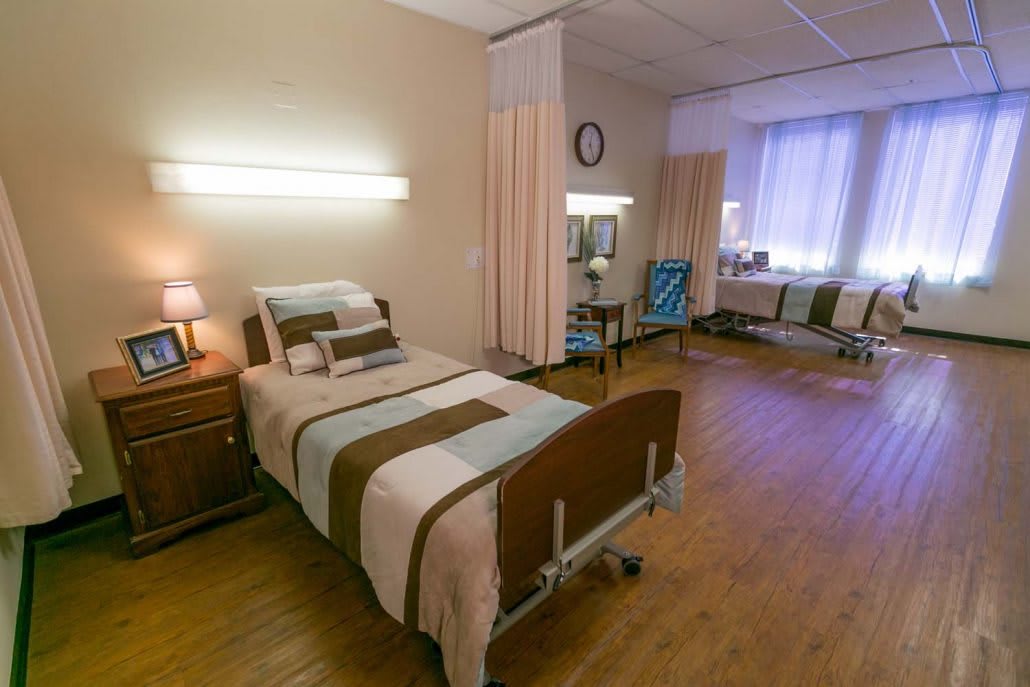
519 9th Ave N, Texas City, TX 77590
To contact a resident: (409) 949-9499
For more information about senior living options: (866) 208-4318
Oceanview Healthcare and Rehabilitation Costs & Pricing
Oceanview Healthcare and Rehabilitation offers semi-private rooms at a monthly rate of $4,340, which is higher than the average costs in both Galveston County ($3,715) and across Texas ($3,680). For those seeking more privacy, private rooms at Oceanview are priced at $6,510, significantly above Galveston County's average of $4,761 and the state average of $4,096. This pricing reflects Oceanview's commitment to providing specialized care and a high standard of living conditions for residents, positioning it as a premium option within the local market.
| Floor plans | Oceanview Healthcare and Rehabilitation | Galveston County | Texas |
|---|---|---|---|
| Semi-Private | $4,340 | $3,715 | $3,680 |
| Private | $6,510 | $4,761 | $4,096 |
Skilled Nursing Facilities with a similar price nearby
-
from -$740 / mo

The Rio At Mainland Center
$3,600 to $4,998 / month5.2 miles away -
from -$630 / mo
The Medical Resort At Bay Area
$3,710 / month23.2 miles away
Overall Review of Oceanview Healthcare and Rehabilitation
Pros
 The staff here are very attentive to her mother.
- They know everyone by name, which says a lot.
- The facility is kept immaculate.
- The grounds are pretty.
- She enjoys the daily activities.
- Everyone has been so helpful here.
- They would recommend this community.
- It is an awesome place with caring and attentive staff.
Cons
 The Texas City nursing home constantly reeked of urine.
- Elevators barely function and are frequently shut down altogether.
- Some days the food is not so good.
- They felt an alarm on the door was needed because after five, someone is at the desk.
Review
Oceanview Healthcare and Rehabilitation in Texas City is best suited for seniors who value personal attention, a clean environment, and an active social routine more than premium amenities. The community earns trust through staff who are described as genuinely attentive, with residents and their families noting that personnel know each person by name. For families prioritizing consistent human connection, transparent care, and a well-kept campus, Oceanview can feel both reassuring and homey. The grounds are pleasing, and the daily activities appear to be a central draw, offering opportunities for engagement that many residents rely on to stay connected and oriented.
That clarity about fit should be balanced with a clear sense of who may want to consider alternatives. Individuals who insist on consistently high-quality meals every day, or who require flawless, trouble-free elevator access, will encounter greater risk here. One recurring critique highlights odor concerns that can affect comfort and perceived hygiene, suggesting odor-sensitive residents or those with dementia-related behaviors might struggle. Families with residents who need robust mobility support or who rely on predictable, uniform service levels may prefer facilities with stronger track records in those areas. Even with strong staff engagement, these realities can tilt the balance toward other options that offer more consistent infrastructure and dining outcomes.
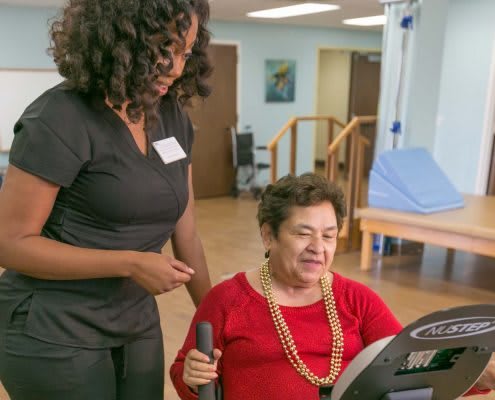
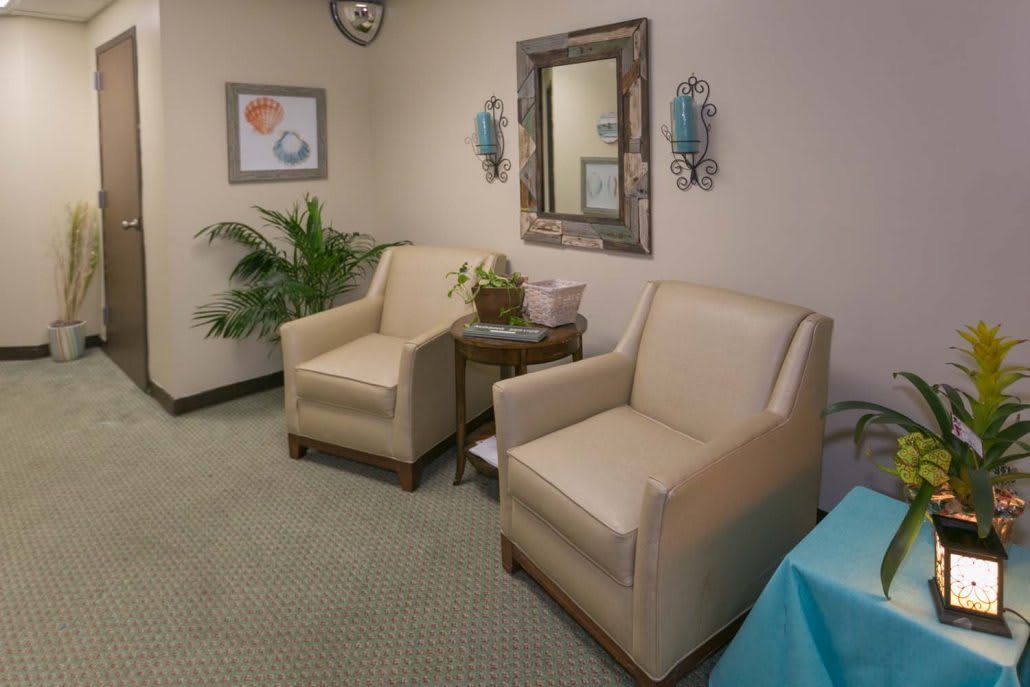
The strongest positives, attentive, personable staff; a facility that keeps residents known by name; and a visible emphasis on cleanliness, are meaningful in daily life and care planning. When staff are readily engaged and responsive, the sense of security improves, and minor concerns tend to be resolved quickly. The presence of daily programming and social activities supports routines and meaningful interaction, which can reduce isolation and improve mood for many residents. A tidy, well-maintained setting also lowers stress for families visiting and for residents transitioning from home, creating an environment where basic comfort and safety are readily apparent.
On the flip side, several substantive cons temper the overall appeal. Inconsistent food quality means meals may delight some days and disappoint others, which matters for residents who depend on predictable nourishment and dietary compliance. Elevator reliability is another recurring fault point; when mobility or transfer assistance depends on functioning equipment, frequent malfunctions become a real obstacle and safety risk. Odor issues and a sense that certain operational gaps persist after hours also weigh on experience, potentially eroding comfort for residents who are sensitive to environmental conditions or who value a consistently calm, odor-neutral setting. Taken together, these drawbacks are not trivial, especially for residents with higher mobility needs or stricter dining expectations.
Given these dynamics, a practical decision approach emerges. Oceanview makes sense for families seeking a warm, person-centered environment with strong staff availability and daily engagement opportunities, provided that mobility needs are modest and the resident can tolerate some variation in dining quality and environmental conditions. Before deciding, prospective families should schedule direct observations: experience a meal, assess elevator usage during a brief mobility task, and observe how staff respond to concerns in real time. Asking for a trial stay or short-term respite can illuminate how well the routine and routines match the resident’s preferences before committing to longer-term residency.
In the end, Oceanview stands out for its people and its cleanliness, delivering a reassuring level of daily companionship and practical care. It is a viable option for residents who prioritize relationships and engagement over flawless infrastructure. For those whose essential criteria include consistently excellent meals, unwavering elevator reliability, and stringent odor control, it is prudent to compare with alternatives that demonstrate stronger performance in those domains. The decision should hinge on aligning the resident’s daily needs and comfort thresholds with the facility’s demonstrated strengths, while acknowledging the concrete gaps that could affect long-term happiness and safety.
 Skilled Nursing Facility
 Activities off-site
 Air-conditioning
 Beautician on-site
 Indoor common areas
 Outdoor common areas
 Private
 Wi-Fi/high-speed internet available
 Visiting chaplain or priest



 8 Essential Assistive Devices for Older Adults
 Navigating the Financial Road to Nursing Home Care: In-Depth Guidance and Resources
 Supportive Employee Benefits That Help Caregivers Attain Better Work-Life Harmony