

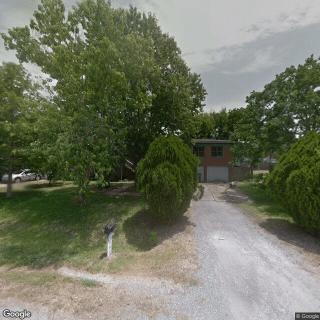
1109 Holly, La Marque, TX 77568
For more information about senior living options: (866) 208-4318
Overall Review of Laurel House
Pros
 The staff was very nice.
- The house was super clean.
- The patients seemed very happy there.
- These people are nice.
Cons
 They do not treat their patients right.
- There is never food in the house to feed the patients.
Review
Laurel House in La Marque is best suited for seniors who prize a warm, home-like atmosphere, a staff that greets residents with genuine kindness, and a facility that shows meticulous cleanliness day in and day out. This community shines as a practical choice for families seeking reassurance on daily living basics: respectful interaction, consistent housekeeping, and a cheerful mood among residents. It is well aligned with those who want a calm, dependable environment where the resident’s contentment and social comfort are visible strengths. Those whose priority is strict clinical oversight, structured care plans, or guaranteed meal provision should recognize that Laurel House may not meet every expectation in those areas.
Families should explicitly consider alternatives if the resident requires regular, proactive medical management or comprehensive meal service. The footprint of Laurel House’s appeal rests on its hospitality and cleanliness rather than on intensive clinical programming. For seniors who need consistent, on-site nutrition and a robust care protocol, where meals are routinely provided and care decisions are tightly monitored, the absence of those features could become a meaningful shortfall. In short, Laurel House works for comfort-focused living rather than for residents who demand high-touch medical support or meal security.
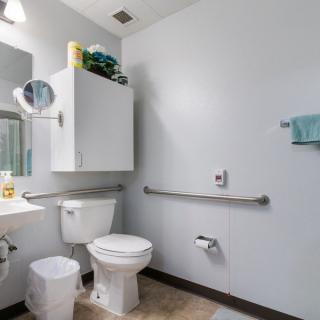
The strongest positives come through in caregiver warmth and the living environment. The staff is described as very nice, and the home itself is reported to be super clean. When residents are perceived as happy and engaged, that daily emotional tone can be a decisive factor for families wrestling with transition stress. A well-kept, orderly setting reduces anxiety for residents and reduces burdens on families who worry about basic daily routines. In practical terms, this translates into smoother mornings, easier navigation of the living space, and a lower risk of discomfort that can accompany clutter or neglect. These factors collectively create a reliable baseline of quality that matters week to week.
Yet the downsides can’t be ignored. The most concerning notes point to how residents are treated and the absence of consistent meals. One reviewer questions whether residents receive appropriate care, signaling potential gaps in attentiveness or responsiveness during daily operation. Another critique highlights a chronic lack of food in the house to feed the patients, raising red flags about meal planning, dietary oversight, and hunger management. Taken together, these concerns imply that while the environment is inviting, the care delivery and sustenance framework may be insufficient for residents with higher nutritional or clinical needs. Those warnings deserve serious weight in decision-making.
How the positives stack up against the negatives depends on the resident’s profile. For a relatively self-sufficient elder who values social interaction, a clean home, and friendly, approachable caregivers, Laurel House’s strengths can compensate for a lighter clinical footprint. The aesthetic and social warmth reduce caregiver burden by supporting routine, companionship, and predictable daily rhythms. However, for a resident who requires frequent assistance, timely response to care recitations, or guaranteed meals and dietary management, the cons quickly outweigh the pros. In practical terms, this facility will feel like a good fit when safety, comfort, and mood are the priority, but a red flag should rise if medical oversight or guaranteed nutrition is non-negotiable.
The bottom line is clear. Laurel House serves as a solid option for households prioritizing a pleasant, clean, and friendly daily living experience with attentive staff. It is not, however, a universal solution for all levels of care. Families with residents who need steady clinical monitoring, consistent meal provisioning, and more formal care coordination should look at alternatives that deliver stronger medical and dietary infrastructures. Before committing, arrange a focused visit with questions about meal policies, staff responsiveness, and the care plan process. Confirm how meals are provided, whether residents may go without, and what contingency steps exist if appetite or dietary needs change. If those safeguards align with the resident’s needs, Laurel House becomes a prudent, compassionate choice; if not, move decisively to options that place nutrition and clinical oversight at the forefront.
 13 resident community capacity
 Assisted Living
 Board and Care Home
 Cable or satellite TV
 Dining room
 Fully furnished
 Garden
 Housekeeping services
 Move-in coordination
 Outdoor space
 Telephone
 Wi-Fi/high-speed internet available
 24-hour supervision
 Activities of daily living assistance
 Assistance with bathing
 Assistance with dressing
 Assistance with transfers
 Diabetes diet
 Meal preparation and service
 Medication management
 Special dietary restrictions
 Transportation arrangement (medical)
 Transportation to doctors appointments




 Understanding the True Cost of Assisted Living in 2025: A Comprehensive Guide
 Understanding Medicaid Coverage for Assisted Living: A Comprehensive Guide
 How and When Medicaid May Cover Assisted Living Costs