San Antonio Residence And Rehabilitation Center in San Antonio, TX

7703 Briaridge, San Antonio, TX 78230

For more information about senior living options: (844) 490-3973

3.7 from 73 reviews
5 stars
45
4 stars
5
3 stars
1
2 stars
1
1 stars
21

Skilled Nursing Facility

Overall Review of San Antonio Residence And Rehabilitation Center

Pros

  • pro There is always a great atmosphere and professionalism at The Lev.
  • pro The staff are kind and caring toward residents.
  • pro The care provided is thorough, from medical management to daily living assistance.
  • pro The facility maintains a clean and safe environment for residents.
  • pro Communication with the care team is clear and responsive.
  • pro The staff's consistent, reliable care contributes to a stable, supportive atmosphere.
  • pro The staff are friendly and genuinely care about residents, creating a happy, relaxed vibe.
  • pro Administrative and front-line staff are kind, caring, and responsive.
  • pro Activities are engaging, and residents are starting to participate.
  • pro The facility has strong teamwork and leadership, delivering high-quality care.

Cons

  • pro The facility deserves zero stars and should be avoided.
  • pro This place is a disgrace, it's trash, and the staff neglect patients.
  • pro It can take hours for the staff to respond to call buttons, and on-call doctors can take hours to respond.
  • pro The facility is outdated and dirty, with residents left sitting around the nurses' station.
  • pro The meals are routinely burnt or undercooked, and trays arrive wet.
  • pro Residents are not bathed for days and important requests for help are ignored.
  • pro There have been serious safety issues, including falls and even a death, with severely limited staffing (e.g., only one nurse on duty for many patients).
  • pro The place is understaffed, and reviews warn not to bring loved ones there.

Review

San Antonio Residence and Rehabilitation Center is best suited for families seeking long-term skilled nursing with an emphasis on rehabilitation and medical management, especially for stroke survivors or residents needing ongoing therapy and dialysis. The community earns trust through consistently professional staff, a dignified approach to care, and a workable rhythm that supports both medical needs and daily living. The on-site dialysis capability stands out as a practical, if not essential, asset for residents who require regular treatment. Location near major medical resources adds a meaningful layer of reassurance for families navigating complex care trajectories and transitions to hospice or higher levels of support when needed.

Nevertheless, families should consider alternatives if their priorities include flawless day-to-day operations, airtight safety measures, and consistently responsive caregiving. Several reviews flag long-standing concerns about staffing imbalances, slow call-bell responses, and gaps in basic safety and hygiene practices. Reports of neglect, missed baths, limited assistance with transfers, and even incidents of patient falls underscore a reality where reliability can vary by shift and by individual staff members. For families with loved ones who require highly consistent supervision or who are especially vulnerable to neglect or dehydration, this facility warrants caution and serious due diligence.

The prominent positives - professionalism, clear communication when functioning at its best, engaging rehabilitation programs, and a compassionate, resident-centered atmosphere - often anchor families' trust. Many staff members are described as caring, patient, and attentive, with administrators and CNAs who build genuine relationships with residents and families. Activities and therapy can be frequent enough to support engagement, while the presence of an on-site dialysis clinic and a broad spectrum of medical management options makes the center a practical hub for ongoing treatment. In stressful recovery periods, these strengths can translate into meaningful stability and peace of mind for caregivers.

Yet the strongest counterweight remains consistency and safety. Reviews detail frequent bottlenecks in responsiveness, with some days taking excessive time to answer calls or to obtain timely assistance. Instances of improper hygiene, concerns about bedsores, and worries about falls point to systemic gaps that can undermine trust in even well-meaning teams. The mix of praise and serious caution suggests a facility where personal connections and clinical competence exist alongside uneven execution - the kind of environment that rewards proactive oversight by families and close, ongoing conversations with leadership.

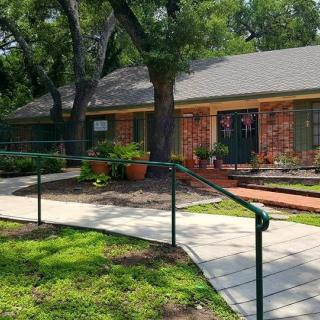
From a practical decision standpoint, prospective residents' families should approach evaluation with a structured plan. Visit at multiple times and days to gauge call-response times and floor coverage; request direct conversations with front-line staff to understand daily routines and safety protocols; review the medication administration process and incident reports to verify transparency and accountability. Inspect the cleanliness of common areas, the integrity of doorways and ramps for wheelchair access, and the condition of safety equipment. Confirm the status of the dialysis unit, rehabilitation staff, and the availability of therapy slots, and ask how transitions to hospice or higher-acuity care are managed.

The bottom line is measured and candid: San Antonio Residence and Rehabilitation Center can be a strong fit for families prioritizing robust rehab services, dignified, relationship-driven care, and practical medical management - provided due diligence is conducted and expectations are aligned with the reality of occasionally uneven day-to-day operations. For those who cannot tolerate slow responses, persistent safety concerns, or inconsistent adherence to basic care standards, alternatives should be explored with vigor. In short, this community offers meaningful strengths for the right resident, but it requires vigilant oversight and a clear plan to address the documented gaps.

Features

Housing

  • 106 resident community capacity 106 resident community capacity

Types of Care

  • Skilled Nursing Facility Skilled Nursing FacilitySkilled Nursing Facilities are crucial for seniors as they provide round-the-clock medical care, rehabilitation services, and assistance with daily activities. These facilities ensure that seniors receive the specialized care they need to maintain their health and well-being as they age.

Amenities

  • Air-conditioning Air-conditioningAir conditioning is important for seniors as they are more vulnerable to heat-related illnesses and may have underlying health conditions that make it difficult for them to regulate their body temperature. It helps to keep them comfortable, safe, and healthy in hot weather.
  • Beauty salon Beauty salonBeauty salons are important for seniors because they provide a space for them to feel pampered, socialize, and maintain their personal grooming and hygiene. Regular visits to a beauty salon can help boost seniors' self-esteem and overall well-being.
  • Cable or satellite TV Cable or satellite TVCable or satellite TV is important for seniors because it provides entertainment, news, and companionship, helping to combat loneliness and boredom. It also offers a wide range of programming options tailored to different interests and preferences.
  • Computer center Computer centerA computer center is essential for seniors as it provides access to technology, communication tools, and resources that can enhance their daily lives. It allows them to stay connected with loved ones, engage in online activities, and learn new skills, ultimately promoting socialization and mental stimulation.
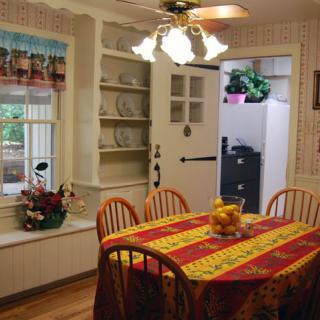
  • Dining room Dining roomDining rooms are important for seniors as they provide a space for socialization, connection, and nutritious meals. They offer opportunities for residents to bond over shared meals, foster a sense of community, and promote healthy eating habits. Dining rooms also ensure that seniors have access to well-balanced meals tailored to their dietary needs and preferences.
  • Fitness room Fitness roomHaving a fitness room in a senior living community is essential for seniors to stay active, maintain their physical health, and improve their overall well-being. Regular exercise can help prevent falls, reduce the risk of chronic diseases, and promote mental sharpness. It also provides social opportunities for residents to connect with others and enjoy a sense of community.
  • Fully furnished Fully furnishedFully furnished senior living communities are important for seniors because they provide convenience, comfort, and a hassle-free moving experience. Seniors can easily settle into their new living space without the stress of having to buy and move furniture. This allows them to focus on enjoying their new home and community.
  • Gaming room Gaming roomGaming rooms are important for seniors as they provide a fun and engaging environment for socializing, cognitive stimulation, and physical activity. Games can improve memory, problem-solving skills, and overall mental well-being while fostering friendships and reducing feelings of isolation.
  • Garden GardenGardens are important for seniors as they provide a peaceful and therapeutic environment for relaxation, physical activity, and socialization. Being in nature has been shown to reduce stress, improve mood, and promote overall well-being. Gardens also offer opportunities for seniors to engage in gardening activities, which can improve mobility, flexibility, and cognitive function. Additionally, gardens create a sense of community and connection with others who share a passion for plants and outdoor spaces.
  • Housekeeping services Housekeeping servicesHousekeeping services are important for seniors because they help maintain a clean and safe living environment, promote independence, and reduce the risk of accidents or illnesses. Additionally, having assistance with household chores can alleviate physical strain and allow seniors to focus on other aspects of their well-being.
  • Kitchenette KitchenetteKitchenettes are important for seniors living in senior living communities because they provide the convenience and independence of being able to prepare simple meals and snacks in the comfort of their own living space. This can help promote a sense of autonomy and well-being for seniors, allowing them to maintain some level of control over their dietary choices and daily routines.
  • Move-in coordination Move-in coordinationMove-in coordination is important for seniors because it helps ease the transition into their new living environment. It ensures that all logistics, such as packing, organizing movers, and setting up utilities are taken care of, allowing seniors to focus on settling in and adjusting to their new home. Having a smooth move-in process can alleviate stress and anxiety, making the transition smoother and more enjoyable for seniors.
  • Outdoor space Outdoor spaceOutdoor spaces are important for seniors as they provide opportunities for physical activity, social interaction, exposure to natural light and fresh air, and a sense of connection to nature. Having access to outdoor spaces can improve overall well-being and quality of life for older adults living in senior communities.
  • Private bathrooms Private bathroomsPrivate bathrooms are important for seniors in senior living communities because they provide independence, dignity, and comfort. Having a private bathroom allows seniors to maintain their personal hygiene routines without the need for assistance, promoting a sense of autonomy and privacy. Additionally, private bathrooms help prevent the spread of infections and provide a safe and clean environment for seniors to navigate safely.
  • Restaurant-style dining Restaurant-style diningRestaurant-style dining is important for seniors because it allows them to enjoy delicious, nutritious meals in a social and upscale setting. This enhances their dining experience, promotes healthy eating habits, and fosters socialization with fellow residents, ultimately contributing to their overall well-being and quality of life.
  • Small library Small librarySmall libraries are important for seniors as they provide access to a variety of reading materials, including books, newspapers, and magazines. This can help stimulate their minds, keep them engaged, and provide a sense of community through book clubs and other social activities. Additionally, reading has been shown to improve cognitive function and overall mental well-being in older adults.
  • Telephone TelephoneTelephones are important for seniors as they provide a lifeline for communication with loved ones, emergency services, and healthcare providers. They offer a sense of security and independence, enabling seniors to stay connected and access assistance when needed.
  • Wellness center Wellness centerWellness centers are important for seniors because they offer a variety of programs and services that promote physical, mental, and emotional well-being. These centers provide opportunities for exercise, socialization, education, and relaxation, helping seniors maintain their overall health and quality of life.
  • Wi-Fi/high-speed internet available Wi-Fi/high-speed internet availableWi-Fi/high-speed internet is important for seniors to stay connected with loved ones, access online resources, and participate in virtual activities to combat feelings of loneliness and isolation. It also allows them to easily manage healthcare needs, access entertainment, and engage in lifelong learning opportunities.

Transportation

  • San Antonio International (5 miles away) San Antonio International (5 miles away)
  • Community operated transportation Community operated transportationCommunity operated transportation is crucial for seniors as it provides them with the means to access essential services, social activities, and medical appointments. It allows seniors to maintain their independence and quality of life by ensuring they can participate in activities outside of their homes. Additionally, community-operated transportation services offer a safe and reliable way for seniors to travel without having to rely on family or friends for assistance.
  • Transportation arrangement Transportation arrangementTransportation arrangements are crucial for seniors as they may face challenges with driving, mobility, or access to public transportation. Having reliable transportation services ensures that seniors can easily attend appointments, social activities, and maintain their independence and quality of life.
  • Transportation arrangement (non-medical) Transportation arrangement (non-medical)Transportation arrangements are essential for seniors as they provide access to essential services, activities, and social interactions outside the home. This service helps maintain independence, mobility, and overall well-being for seniors who may have limited transportation options.
  • Transportation to doctors appointments Transportation to doctors appointmentsTransportation to doctors appointments is crucial for seniors as it ensures they have access to necessary medical care and support, promoting their health and well-being. It allows them to receive timely treatment, monitor existing conditions, and address any new health concerns efficiently. Additionally, transportation services can help seniors maintain their independence and quality of life by enabling them to stay connected with their healthcare providers.

Care Services

  • 12-16 hour nursing 12-16 hour nursing12-16 hour nursing care is crucial for seniors in order to ensure around-the-clock monitoring, timely medication administration, and prompt response to any health concerns or emergencies. This level of care helps to promote the overall well-being and safety of seniors living in senior living communities.
  • 24-hour call system 24-hour call system24-hour call systems are important for seniors because they provide peace of mind and immediate assistance in case of emergencies. This technology ensures that help is always available, promoting safety and security for elderly individuals living alone or in assisted living facilities.
  • 24-hour supervision 24-hour supervision24-hour supervision is important for seniors to ensure their safety, well-being, and access to immediate assistance in case of emergencies or health issues. This constant support provides peace of mind for both seniors and their loved ones, allowing them to age in place with dignity and security.
  • Activities of daily living assistance Activities of daily living assistanceActivities of daily living assistance are important for seniors because they provide essential support with tasks such as eating, bathing, dressing, and mobility. This assistance helps seniors maintain their independence, dignity, and overall quality of life as they age.
  • Assistance with bathing Assistance with bathingAssistance with bathing is crucial for seniors as it helps maintain personal hygiene, prevents infections, and ensures their overall well-being and comfort. It also provides a sense of dignity and independence for seniors who may struggle with this task on their own.
  • Assistance with dressing Assistance with dressingAssistance with dressing is important for seniors because it helps maintain their independence, promotes personal hygiene, prevents accidents and injuries, and improves overall quality of life. This service ensures that seniors can continue to dress comfortably and confidently, despite any physical limitations they may have.
  • Assistance with transfers Assistance with transfersAssistance with transfers is crucial for seniors as it helps prevent falls and injuries, maintains their independence, and ensures they can safely navigate their living environment. It also provides peace of mind for both seniors and their loved ones.
  • Diabetes diet Diabetes dietA diabetes diet is crucial for seniors as it helps manage blood sugar levels, reduce risks of complications, and improve overall health and well-being. By following a balanced and nutritious diet tailored to their specific needs, seniors can better control their diabetes and enhance their quality of life.
  • Meal preparation and service Meal preparation and serviceMeal preparation and service are crucial for seniors as they may have limited mobility or energy to cook nutritious meals. Having access to healthy and convenient food options can ensure they are getting the proper nutrition needed to maintain their overall health and well-being.
  • Medication management Medication managementMedication management is crucial for seniors to ensure they are taking the right medications at the correct dosages and times. This helps prevent adverse drug interactions, reduces the risk of medication errors, and promotes overall health and well-being. Proactive management also allows for adjustments as needed based on changing health conditions or new prescriptions.
  • Mental wellness program Mental wellness programMental wellness programs are essential for seniors as they promote cognitive stimulation, emotional support, and social engagement. These programs help prevent isolation, depression, and cognitive decline, ultimately enhancing the overall quality of life for older adults.
  • Special dietary restrictions Special dietary restrictionsSpecial dietary restrictions are important for seniors because age-related changes in metabolism and health conditions can make it difficult for their bodies to process certain foods. By following a diet tailored to their specific needs, seniors can maintain their overall health and well-being, manage chronic conditions, and reduce the risk of complications such as malnutrition or food interactions with medications.

Dining

  • Diabetes diet Diabetes dietA diabetes diet is crucial for seniors as it helps manage blood sugar levels, reduce risks of complications, and improve overall health and well-being. By following a balanced and nutritious diet tailored to their specific needs, seniors can better control their diabetes and enhance their quality of life.
  • Special dietary restrictions Special dietary restrictionsSpecial dietary restrictions are important for seniors because age-related changes in metabolism and health conditions can make it difficult for their bodies to process certain foods. By following a diet tailored to their specific needs, seniors can maintain their overall health and well-being, manage chronic conditions, and reduce the risk of complications such as malnutrition or food interactions with medications.

Activities

  • Community-sponsored activities Community-sponsored activitiesCommunity-sponsored activities are important for seniors as they provide opportunities for social interaction, mental stimulation, and physical activity. These activities can help improve overall well-being, combat loneliness and isolation, and promote a sense of belonging and purpose among older adults.
  • Concierge services Concierge servicesConcierge services are essential for seniors as they provide assistance with daily tasks and errands, enhance their quality of life by offering convenience and personalized care, and promote a sense of safety and security.
  • Fitness programs Fitness programsFitness programs are crucial for seniors as they help improve strength, flexibility, balance, and overall well-being. Staying active can reduce the risk of chronic diseases, improve mental health, and enhance quality of life in older adults.
  • Planned day trips Planned day tripsPlanned day trips are important for seniors because they offer opportunities for socialization, mental stimulation, and physical activity. They provide a change of scenery and help seniors stay engaged and connected to their community, promoting overall well-being and quality of life.
  • Resident-run activities Resident-run activitiesResident-run activities are important for seniors as they encourage social interaction, creativity, and a sense of autonomy. These activities empower seniors to stay engaged and active in their community while fostering meaningful connections with their peers.
  • Scheduled daily activities Scheduled daily activitiesScheduled daily activities are important for seniors because they provide structure, socialization, mental stimulation, and physical activity. Engaging in regular activities can improve overall well-being and quality of life for seniors living in a community setting.

Description

The San Antonio Residence And Rehabilitation Center in San Antonio, TX is a vibrant assisted living community that offers a wide range of amenities and care services to enhance the residents' quality of life. The community features a beauty salon where residents can pamper themselves, and they can enjoy their favorite shows through cable or satellite TV in their private rooms.

Transportation is made convenient with community-operated transportation and assistance in arranging transportation to doctors' appointments. Residents can also stay connected with loved ones through the computer center and Wi-Fi/high-speed internet available on-site.

Delicious meals are served in the dining room, providing restaurant-style dining experiences for the residents. They can also avail kitchenette facilities if they prefer to prepare their meals independently. Special dietary restrictions are catered to ensure that everyone's nutritional needs are met.

To keep residents active and engaged, there is a fitness room where they can exercise and maintain their physical well-being. Social interactions are encouraged through activities such as gaming rooms, small library, and wellness center offering mental wellness programs.

The community offers various care services, including 24-hour supervision and assistance with activities of daily living such as bathing, dressing, and transfers. Medication management ensures that residents receive their prescribed medications on time.

The San Antonio Residence And Rehabilitation Center boasts its close proximity to cafes, parks, pharmacies, physicians' clinics, restaurants, transportation options, places of worship, theaters, and hospitals nearby. This allows the residents to easily access essential services and enjoy recreational outings.

Overall, this assisted living community provides a comfortable and fulfilling environment for seniors seeking support while maintaining their independence.

Nearby Places of Interest

Physicians

  • Dilley Allergy & Asthma Specialists (0.1 miles)
  • Yesnocovid (1 miles)
  • Gastroenterology Clinic Of San Antonio (1.3 miles)
  • San Antonio Preventive & Diagnostic Medicine (1.3 miles)
  • Methodist Cardiology Clinic of San Antonio-Transitional Clinic (1.4 miles)
  • Parkhurst NuVision - San Antonio Office (1.5 miles)
  • HealthTexas Primary Care Doctors (Wurzbach Clinic) (1.5 miles)

Restaurants

  • Las Palapas (0.2 miles)
  • Hawx Burger Bar & Electro Lounge (1.2 miles)
  • Babe's Old Fashioned Hamburgers (1.3 miles)
  • Chick-Fil-A (1.4 miles)
  • Las Palapas - Castle H (1.5 miles)
  • McDonald's (1.6 miles)
  • Charley's Cheesesteaks (1.6 miles)

Cafes

  • Starbucks (0.2 miles)
  • Starbucks (4.3 miles)

Pharmacies

  • CVS Pharmacy (1 miles)
  • Walgreens (1.7 miles)
  • CVS Pharmacy (1.8 miles)
  • CVS Pharmacy (1.9 miles)
  • Walgreens (2.1 miles)
  • Walgreens (2.6 miles)
  • Walgreens (2.6 miles)

Hospitals

  • Methodist Hospital (1.3 miles)
  • Texsan Heart Hospital (1.3 miles)
  • St Luke's Baptist Hospital (1.5 miles)
  • University Hospital (1.6 miles)
  • University Hospital Sky Tower (1.6 miles)
  • Audie L Murphy Memorial Veterans Hospital (1.8 miles)
  • Audie L. Murphy Memorial VA Hospital (1.8 miles)

Parks

  • Medical Center Volleyball Courts (1.7 miles)
  • Phil Hardberger Dog Park (4 miles)
  • Phil Hardberger Park (4.1 miles)
  • Woodlawn Lake Park (4.3 miles)

Places of Worship

  • St George Episcopal School (2.2 miles)
  • Primera Iglesia Bautista Mexicana-San Antonio (3 miles)
  • St Ann's Catholic Church (4.7 miles)

Theaters

  • Cinemark San Antonio 16 (2.8 miles)
  • Alamo Drafthouse Park North (3 miles)
  • Regal Huebner Oaks & RPX (3.2 miles)

Transportation

  • Landmark Aviation (4.3 miles)
  • Exit 567/Fredericksburg Rd/E (4.5 miles)
  • Southwest Airlines Cargo (4.5 miles)

Frequently Asked Questions

Where is San Antonio Residence And Rehabilitation Center?

Nearby Communities

  • Country Club Village Apartment

    Country Club Village Apartment

    San Antonio, TX


    pro Prime location with extensive nearby amenities (restaurants, parks, healthcare, theaters, places of worship, and transportation).
  • Seraphim Assisted Living Services

    Seraphim Assisted Living Services

    San Antonio, TX

    5 from 1 review
     

    pro Small, intimate setting with personalized ADL care and diabetes-friendly meals.

  • Carol Ann's Home

    Carol Ann's Home

    San Antonio, TX

    4.5 from 13 reviews
     

    pro Homelike setting with furnished rooms, dining area, garden, and 24-hour supervision.

  • Carol Ann's Home - Chambers

    Carol Ann's Home - Chambers

    San Antonio, TX

    4.5 from 26 reviews
    $3,500 to $4,000 / month

    pro Caring staff in a clean, home-like setting.

  • Senior Helpers - San Antonio,  TX

    Senior Helpers - San Antonio, TX

    San Antonio, TX

    3.3 from 7 reviews
     

    pro Initial positive meeting with leadership and stated commitment to care.

  • Right At Home of San Antonio

    Right At Home of San Antonio

    San Antonio, TX

    4.5 from 19 reviews
     

    pro Strong surrounding amenities including healthcare, pharmacies, dining, parks, transportation, worship, and entertainment nearby.

  • Sorrento

    Sorrento

    San Antonio, TX

    4.2 from 140 reviews
     

    pro Strong rehab therapy (PT/OT) and clean, well-equipped facilities.

  • The Gardens of Castle Hills

    The Gardens of Castle Hills

    San Antonio, TX

    4.4 from 110 reviews
    $2,695 to $4,295 / month

    pro Caring staff, warm community, and high-quality dining.

  • The Cottages On Danny Kaye (A)

    The Cottages On Danny Kaye (A)

    San Antonio, TX

    4.2 from 42 reviews
     

    pro Caring, attentive staff in a clean, community-focused setting.

Skilled Nursing Facility in Nearby Cities

Related Resources

  • caregiver burnoutCaring for Those Who Care: Recognizing, Understanding, and Overcoming Caregiver Burnout

    Caregiver burnout is a common issue resulting from the intense physical, emotional, and mental demands of caregiving, leading to symptoms like fatigue and social withdrawal. To prevent burnout, caregivers should recognize early warning signs and implement self-care strategies, seek support, and prioritize their own well-being alongside that of those they care for.

  • caregiver burnoutCaregiver Exhaustion: Recognizing the Signs and Restoring Your Well-Being

    Caregiver exhaustion, or burnout, stems from the relentless demands of caregiving, leading to emotional and physical depletion characterized by stress, frustration, and neglect of personal needs. Addressing this burden is essential to prevent long-term consequences, with early recognition and support being crucial for caregivers to maintain balance and implement self-care.

  • what is hospice care at homeUnderstanding Hospice Care at Home: Comprehensive Services, Key Benefits, and Eligibility

    Hospice care at home provides specialized end-of-life support that focuses on comfort and dignity for individuals with life-limiting illnesses, offering a range of services including medical management, emotional and spiritual support, and logistical assistance tailored to the family's needs. It involves collaboration to create individualized care plans and extends to bereavement support after a loved one's passing.