Carol Ann's Home

Save
Carol Ann's Home Carol Ann's Home

Carol Ann's Home

8005 Chambers Road, San Antonio, TX 78229

For more information about senior living options: (844) 490-3973

4.5 from 13 reviews
5 stars
11
4 stars
0
3 stars
1
2 stars
0
1 stars
1

Assisted Living Board and Care Home

What level of care are you interested in?

Assisted Living

Memory Care

Independent Living

Skilled Nursing Facility

Continuing Care Retirement Community (CCRC)CCRC

Other


Request a tour at Carol Ann's Home

    Overall Review of Carol Ann's Home

    Pros

    • pro Carol Ann's Home took very good care of Mimi until her last breath.
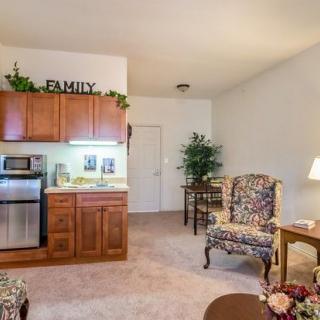
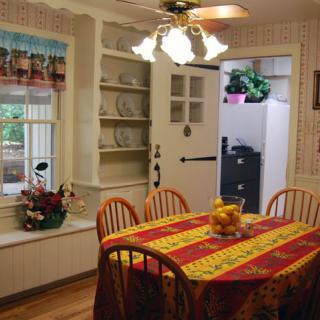
    • pro The home is cozy and homey, reminding visitors of being at family homes.
    • pro Carol Ann is patient and willing to work with families.
    • pro The staff is warm, compassionate, friendly, and helpful.
    • pro The activities keep residents engaged and make them feel at home.
    • pro The homes are small, intimate environments where everyone is treated like family.
    • pro There is a high level of owner involvement in daily operations, a strong staff-to-resident ratio, and low staff turnover.
    • pro Families would strongly recommend Carol Ann's Home for their elderly loved ones.

    Cons

    • pro The management is horrible and lacks empathy.
    • pro Carol Ann is perceived as not knowing what's going on.
    • pro Elizabeth, the manager, is rude and unreliable about returning calls.
    • pro The staff are described as disgusting.
    • pro The facility supposedly has a strong urine smell.

    Review

    For a family navigating the care needs of an aging loved one, the choice of a home can feel anything but simple. Mimi's journey through several nursing homes before landing at Carole Anne's in 2018 was marked by shifts in guardianship after Mimi's oldest daughter passed away. Throughout those changes, Carol Anne's stood out not because it was flashy, but because it offered a patient, cooperative approach to the legal and practical questions that inevitably arise when a family member's care needs evolve. What really set this place apart, in the eyes of the family, was how different it felt from the stereotype of a large facility. Instead of the persistent hum of a large, impersonal complex, Carole Anne's gave the sense of a small, homey space.

    The personal experience during Mimi's final days underscored that sense of home. The staff at Carole Anne's were described as patient, attentive, and genuinely involved in Mimi's comfort and well-being. They didn't rush conversations or dodge questions; they stood with the family as they figured out logistics and guardianship concerns, even as Mimi's health declined. When Mimi ultimately took her last breath there, the family felt that she had been treated with respect and kindness up to the very end. The gratitude expressed for the care Mimi received at Carole Anne's was sincere and measured by the steady, compassionate attention that accompanied every interaction.

    Yet a broader chorus of voices about Carol Ann's Home is not one-note. One post strongly warned prospective families to beware, painting a starkly different picture: management that lacked empathy, a sense that the administrator Carol Ann didn't know what was going on, and a manager named Elizabeth who could be rude and unreliable about returning calls. In that account, the care staff themselves were praised for their niceness, but the overall impression was that the leadership left something to be desired. It's a reminder that experiences within elder care can be strikingly polarized, and that the demeanor of management can color the daily experience even when the front-line staff are doing their best.

    In contrast to that warning, other voices in the same ecosystem offered glowing endorsements. One review simply stated, "I love this place - the staff are very friendly and helpful." It's a succinct testament to a day-to-day experience where warmth and readiness to assist become a defining feature. These comments emphasize that for some families, the environment feels welcoming, approachable, and supportive, allowing residents to settle in with confidence that their needs will be met by people who treat them with courtesy and respect.

    The most emphatic praise comes from those who describe Carol Ann's Home as more than just a facility: a home. Families spoke of a warm, compassionate staff and an atmosphere in which residents feel truly cared for. The sense that the place is not merely a building but a living, breathing home was reinforced by the description of the entire staff as warm and compassionate, and by claims that activities were thoughtfully designed to keep residents engaged. When a home earns the designation of "home," it's usually because staff members know residents well, tailor activities to their abilities, and maintain routines that create comfort and predictability - elements that seem to be repeatedly highlighted in these reviews.

    Another striking thread is the sense of intimate, small-scale care. Reviewers repeatedly described the homes as small, intimate environments where people are treated like family. They pointed to the high level of owner involvement in daily operations, a favorable staff-to-patient ratio, and low staff turnover as indicators of stability and personal attention. In this narrative, the personal touch matters: the owner's hands-on approach, the consistency of caregivers, and the feel of a close-knit community where residents aren't lost in a system, but known and valued. Those details emerge as the practical proof of the "homey" atmosphere that families say makes a real difference in comfort and happiness for their loved ones.

    A thread running through these testimonials is a sense of connection - both to the people who care for Mimi and to the people who operate the home. One reviewer spoke of meeting Carol Ann and being struck by her caring, kind, and genuine nature. The same sentiment is echoed in statements that you can tell the homes are crafted with care and that the environment, from the moment you step inside, feels like a place where someone would want their own parent to live. The consistency of these impressions - careful attention, a welcoming environment, and an earnest investment in the residents' well-being - forms a compelling portrait of what many families seek in a geriatric home.

    Finally, there is a forward-looking note that blends with the gratitude and admiration. Several reviewers expressed a clear preference for Carol Ann's Home when thinking about future placements for their own parents. The repeated emphasis on great care, meaningful activities, and the home-like atmosphere creates a sense of trust and reliability. The message is not just about the present moment of Mimi's care but also about the enduring reputation of a place that many families feel proud to recommend to others who face the difficult task of choosing an elder care arrangement. In the end, Carole Anne's/Carol Ann's Home emerges as a place that feels like a sanctuary to those who have seen both the heart of the staff and the everyday reality of caring for an aging loved one.

    Features

    Housing

    • 15 resident community capacity 15 resident community capacity

    Types of Care

    • Assisted Living Assisted LivingAssisted living facilities provide crucial support and care for seniors who may need help with daily tasks such as medication management, bathing, and meal preparation. These communities offer a safe and comfortable environment where seniors can maintain their independence while receiving the assistance they need to thrive in their golden years.
    • Board and Care Home Board and Care HomeBoard and care homes provide a smaller, more intimate setting for seniors who require assistance with daily tasks but do not need the level of care offered by a nursing home. They offer personalized care, meals, and social activities in a homelike environment, ensuring that seniors receive individualized attention and support in their golden years.

    Amenities

    • Cable or satellite TV Cable or satellite TVCable or satellite TV is important for seniors because it provides entertainment, news, and companionship, helping to combat loneliness and boredom. It also offers a wide range of programming options tailored to different interests and preferences.
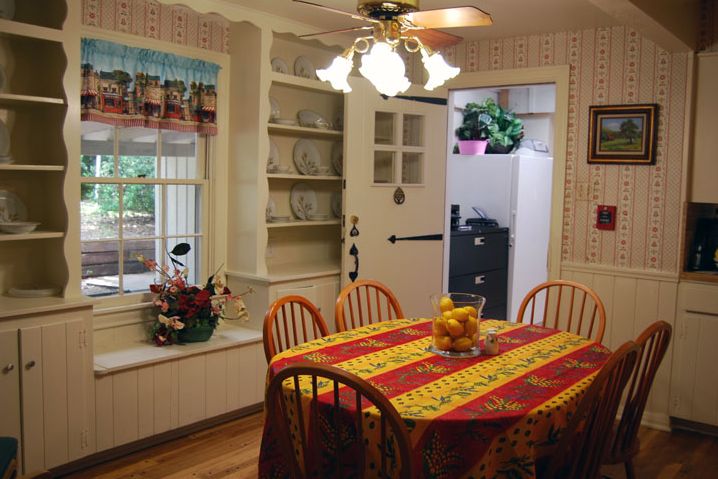
    • Dining room Dining roomDining rooms are important for seniors as they provide a space for socialization, connection, and nutritious meals. They offer opportunities for residents to bond over shared meals, foster a sense of community, and promote healthy eating habits. Dining rooms also ensure that seniors have access to well-balanced meals tailored to their dietary needs and preferences.
    • Fully furnished Fully furnishedFully furnished senior living communities are important for seniors because they provide convenience, comfort, and a hassle-free moving experience. Seniors can easily settle into their new living space without the stress of having to buy and move furniture. This allows them to focus on enjoying their new home and community.
    • Garden GardenGardens are important for seniors as they provide a peaceful and therapeutic environment for relaxation, physical activity, and socialization. Being in nature has been shown to reduce stress, improve mood, and promote overall well-being. Gardens also offer opportunities for seniors to engage in gardening activities, which can improve mobility, flexibility, and cognitive function. Additionally, gardens create a sense of community and connection with others who share a passion for plants and outdoor spaces.
    • Housekeeping services Housekeeping servicesHousekeeping services are important for seniors because they help maintain a clean and safe living environment, promote independence, and reduce the risk of accidents or illnesses. Additionally, having assistance with household chores can alleviate physical strain and allow seniors to focus on other aspects of their well-being.
    • Move-in coordination Move-in coordinationMove-in coordination is important for seniors because it helps ease the transition into their new living environment. It ensures that all logistics, such as packing, organizing movers, and setting up utilities are taken care of, allowing seniors to focus on settling in and adjusting to their new home. Having a smooth move-in process can alleviate stress and anxiety, making the transition smoother and more enjoyable for seniors.
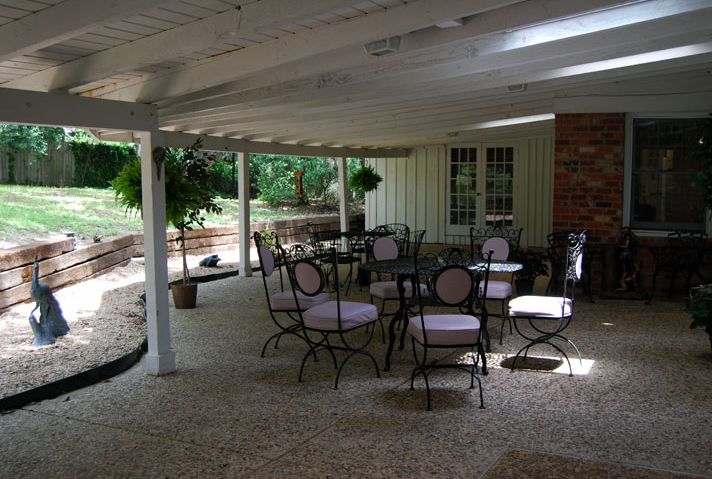
    • Outdoor space Outdoor spaceOutdoor spaces are important for seniors as they provide opportunities for physical activity, social interaction, exposure to natural light and fresh air, and a sense of connection to nature. Having access to outdoor spaces can improve overall well-being and quality of life for older adults living in senior communities.
    • Telephone TelephoneTelephones are important for seniors as they provide a lifeline for communication with loved ones, emergency services, and healthcare providers. They offer a sense of security and independence, enabling seniors to stay connected and access assistance when needed.
    • Wi-Fi/high-speed internet available Wi-Fi/high-speed internet availableWi-Fi/high-speed internet is important for seniors to stay connected with loved ones, access online resources, and participate in virtual activities to combat feelings of loneliness and isolation. It also allows them to easily manage healthcare needs, access entertainment, and engage in lifelong learning opportunities.

    Transportation

    • San Antonio International (6 miles away) San Antonio International (6 miles away)

    Care Services

    • 24-hour supervision 24-hour supervision24-hour supervision is important for seniors to ensure their safety, well-being, and access to immediate assistance in case of emergencies or health issues. This constant support provides peace of mind for both seniors and their loved ones, allowing them to age in place with dignity and security.
    • Activities of daily living assistance Activities of daily living assistanceActivities of daily living assistance are important for seniors because they provide essential support with tasks such as eating, bathing, dressing, and mobility. This assistance helps seniors maintain their independence, dignity, and overall quality of life as they age.
    • Assistance with bathing Assistance with bathingAssistance with bathing is crucial for seniors as it helps maintain personal hygiene, prevents infections, and ensures their overall well-being and comfort. It also provides a sense of dignity and independence for seniors who may struggle with this task on their own.
    • Assistance with dressing Assistance with dressingAssistance with dressing is important for seniors because it helps maintain their independence, promotes personal hygiene, prevents accidents and injuries, and improves overall quality of life. This service ensures that seniors can continue to dress comfortably and confidently, despite any physical limitations they may have.
    • Assistance with transfers Assistance with transfersAssistance with transfers is crucial for seniors as it helps prevent falls and injuries, maintains their independence, and ensures they can safely navigate their living environment. It also provides peace of mind for both seniors and their loved ones.
    • Coordination with health care providers Coordination with health care providersCoordination with health care providers is crucial for seniors to ensure proper medical care, medication management, and overall well-being. This collaboration helps prevent overlapping treatments, track progress more effectively, and provide comprehensive support tailored to individual needs.
    • Diabetes diet Diabetes dietA diabetes diet is crucial for seniors as it helps manage blood sugar levels, reduce risks of complications, and improve overall health and well-being. By following a balanced and nutritious diet tailored to their specific needs, seniors can better control their diabetes and enhance their quality of life.
    • Meal preparation and service Meal preparation and serviceMeal preparation and service are crucial for seniors as they may have limited mobility or energy to cook nutritious meals. Having access to healthy and convenient food options can ensure they are getting the proper nutrition needed to maintain their overall health and well-being.
    • Medication management Medication managementMedication management is crucial for seniors to ensure they are taking the right medications at the correct dosages and times. This helps prevent adverse drug interactions, reduces the risk of medication errors, and promotes overall health and well-being. Proactive management also allows for adjustments as needed based on changing health conditions or new prescriptions.
    • Special dietary restrictions Special dietary restrictionsSpecial dietary restrictions are important for seniors because age-related changes in metabolism and health conditions can make it difficult for their bodies to process certain foods. By following a diet tailored to their specific needs, seniors can maintain their overall health and well-being, manage chronic conditions, and reduce the risk of complications such as malnutrition or food interactions with medications.
    • Transportation arrangement (medical) Transportation arrangement (medical)Transportation arrangements for medical purposes are essential for seniors as they may have difficulty driving themselves to appointments or accessing public transportation. Having reliable and safe transportation options ensures that seniors can receive timely medical care and maintain their health and well-being.
    • Transportation to doctors appointments Transportation to doctors appointmentsTransportation to doctors' appointments is crucial for seniors as it ensures they have access to necessary medical care and support for their health needs. Without reliable transportation, seniors may struggle to attend important appointments, leading to potential delays in treatment and health complications. Providing transportation services helps seniors maintain their overall well-being and quality of life.
    Dining

    • Diabetes diet Diabetes dietA diabetes diet is crucial for seniors as it helps manage blood sugar levels, reduce risks of complications, and improve overall health and well-being. By following a balanced and nutritious diet tailored to their specific needs, seniors can better control their diabetes and enhance their quality of life.
    • Special dietary restrictions Special dietary restrictionsSpecial dietary restrictions are important for seniors because age-related changes in metabolism and health conditions can make it difficult for their bodies to process certain foods. By following a diet tailored to their specific needs, seniors can maintain their overall health and well-being, manage chronic conditions, and reduce the risk of complications such as malnutrition or food interactions with medications.

    Activities

    • Community-sponsored activities Community-sponsored activitiesCommunity-sponsored activities are important for seniors as they provide opportunities for social interaction, mental stimulation, and physical activity. These activities can help improve overall well-being, combat loneliness and isolation, and promote a sense of belonging and purpose among older adults.
    • Scheduled daily activities Scheduled daily activitiesScheduled daily activities are important for seniors because they provide structure, socialization, mental stimulation, and physical activity. Engaging in regular activities can improve overall well-being and quality of life for seniors living in a community setting.

    Description

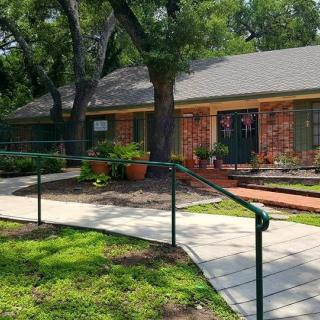
    Carol Ann's Home in San Antonio, TX, is a welcoming and serene board and care home designed to provide a comfortable and supportive living environment for its residents. This charming community offers a range of amenities to enhance daily life, including a cozy dining room where meals are enjoyed, fully furnished accommodations that promote a homelike atmosphere, and beautiful outdoor spaces featuring gardens perfect for relaxation.

    Residents benefit from comprehensive care services tailored to their individual needs. The dedicated staff assists with activities of daily living, such as bathing, dressing, and transfers, ensuring that everyone receives the support they require while maintaining their dignity. Carol Ann's Home also emphasizes health management through medication coordination with healthcare providers and specialized dietary menus, including diabetes-friendly options.

    The community fosters an active lifestyle with scheduled daily activities that encourage social interaction and engagement among residents. With convenient transportation arrangements available for medical appointments, residents can easily access necessary healthcare services.

    Situated in a vibrant neighborhood, Carol Ann's Home is surrounded by numerous amenities including cafes, parks for leisurely strolls or picnics, and an array of restaurants offering diverse dining options. Residents are also within close proximity to pharmacies and physicians' offices, providing peace of mind regarding their health needs.

    Whether enjoying time in the outdoor garden or participating in group activities, residents at Carol Ann's Home experience a fulfilling lifestyle embraced by compassion and care.

    Nearby Places of Interest

    Cafes

    • Starbucks (0.4 miles)
    • Starbucks (5 miles)

    Restaurants

    • Las Palapas (0.6 miles)
    • McDonald's (1.2 miles)
    • Pasha Mediterranean Grill (1.3 miles)
    • Mama Margies Mexican Restaurant (1.4 miles)
    • Sushi Zushi (1.5 miles)
    • Babe's Old Fashioned Hamburgers (1.6 miles)
    • Jason's Deli (1.6 miles)

    Physicians

    • Dilley Allergy & Asthma Specialists (0.6 miles)
    • Gastroenterology Clinic Of San Antonio (0.7 miles)
    • San Antonio Preventive & Diagnostic Medicine (0.7 miles)
    • Methodist Cardiology Clinic of San Antonio-Transitional Clinic (0.7 miles)
    • HealthTexas Primary Care Doctors (Wurzbach Clinic) (0.9 miles)
    • Physicians Plaza II (1 miles)
    • Parkhurst NuVision - San Antonio Office (1.1 miles)

    Hospitals

    • Methodist Hospital (0.7 miles)
    • St Luke's Baptist Hospital (0.8 miles)
    • University Hospital (1 miles)
    • University Hospital Sky Tower (1 miles)
    • Audie L Murphy Memorial Veterans Hospital (1.2 miles)
    • Audie L. Murphy Memorial VA Hospital (1.2 miles)
    • Texsan Heart Hospital (1.7 miles)

    Pharmacies

    • Walgreens (1.1 miles)
    • CVS Pharmacy (1.1 miles)
    • CVS Pharmacy (1.2 miles)
    • CVS Pharmacy (1.6 miles)
    • Walgreens (2 miles)
    • CVS Pharmacy (2.6 miles)
    • Walgreens (2.9 miles)

    Parks

    • Medical Center Volleyball Courts (1.2 miles)
    • Phil Hardberger Dog Park (4.2 miles)
    • Phil Hardberger Park (4.3 miles)
    • Woodlawn Lake Park (4.7 miles)

    Theaters

    • Cinemark San Antonio 16 (2.3 miles)
    • Regal Huebner Oaks & RPX (2.8 miles)
    • Alamo Drafthouse Park North (3.6 miles)

    Places of Worship

    • St George Episcopal School (2.6 miles)
    • Primera Iglesia Bautista Mexicana-San Antonio (3.3 miles)

    Transportation

    • Landmark Aviation (4.9 miles)
    • Exit 567/Fredericksburg Rd/E (4.9 miles)

    Frequently Asked Questions

    Where is Carol Ann's Home?

    Nearby Communities

    Related Resources

    • active senior livingVibrant Senior Living: A Comprehensive Guide for Active Older Adults

      Vibrant Senior Living emphasizes active senior living communities that promote independence and engagement through diverse amenities and activities, fostering wellness and social interaction among older adults. These communities range from independent to assisted living, with a focus on personal growth, family involvement, financial planning, and leveraging technology to enhance residents' experiences.

    • when to move from assisted living to memory careWhen to Transition from Assisted Living to Memory Care: Key Indicators, Steps, and Finding the Right Community

      Transitioning from assisted living to memory care is driven by an individual's cognitive decline and specific needs, requiring careful evaluation of indicators like increased confusion and wandering. The process involves consulting medical professionals, researching suitable communities, considering financial and legal aspects, and ensuring effective communication for personalized care plans.

    • assisted living vs memory careAssisted Living and Memory Care: Understanding Their Core Differences

      Assisted living provides moderate support for seniors seeking independence, while memory care offers specialized support for individuals with dementia or cognitive impairments through structured routines and trained staff. Key differences include care approaches, environment security measures, staff training levels, activity types, and cost considerations.


    Get Pricing Ask A Question Schedule A Tour Contact Senior Advisor