Bridgemoor Of San Antonio

6035 Eckhert Road, San Antonio, TX 78229

For more information about senior living options: (844) 490-3973

2.7 from 29 reviews
5 stars
9
4 stars
3
3 stars
2
2 stars
1
1 stars
14

Skilled Nursing Facility

Overall Review of Bridgemoor Of San Antonio

Pros

  • pro Bridgemoor Care took good care of a patient after a stroke.
  • pro The facility is new, modern, and has a welcoming feel.
  • pro The staff were helpful, friendly, and compassionate.
  • pro The food was excellent.
  • pro Thanks to the great care and physical therapy, the patient was able to get back on her feet and go home in a week.
  • pro Naomi was very helpful in providing information and arranging transportation.
  • pro A reviewer would definitely choose Bridgemoor Transitional Care again for rehab, praising the excellent care and compassionate caregivers.

Cons

  • pro They report the phone line disconnects every single time they try to reach their father or his nurse.
  • pro They describe the overall internal communication as bad and say the facility feels more like a business than a place of care.
  • pro They claim the facility is not equipped to manage cognitive decline or sundowning.
  • pro They note a $35 charge for medical release records with no prior communication from the hospital.
  • pro They recount a patient being left exposed (shirt on, no bottoms, soaking wet diaper) and staff not checking on patients.
  • pro They describe CNAs as rude and unwilling to help, contributing to falls.
  • pro They allege a nurse threw their mother onto the bed during a transfer, indicating unsafe handling.
  • pro They state staff did not relay information about falls or injuries to family and would not answer questions.
  • pro They claim a patient was moved to a Covid unit without clear justification or symptoms, showing poor decision-making and accountability.
  • pro They describe infections after surgery leading to additional procedures, with a lack of accountability for those actions.
  • pro They say therapy was not properly delivered (e.g., no stair training) and stays were rushed or shortened without notice.
  • pro They warn not to choose this facility for a loved one, calling it a terrible experience.

Review

A broad swath of experiences at Bridgemoor Transitional Care runs the gamut from sincere praise to grave concerns, revealing a facility that can feel welcoming and modern to some families while leaving others frustrated and alarmed. A recurring thread across many accounts is a sense that communication is inconsistent or unreliable, and that the everyday operations of the rehab program sometimes fail to align with the needs and safety of residents. Several reviewers stress that phone contact with loved ones - especially when a patient's power of attorney is trying to discuss medical care - becomes nearly impossible because the call line disconnects every single time. One family member, serving as POA, describes the inability to discuss care as "frustrating" and notes that constant drop-offs effectively shut down critical conversations about a father's medical needs.

Linked to the communication gap is a charge that record-keeping and information sharing are uneven at best. At least one reviewer pointed to the cost and process of obtaining release records (a $35 fee) and criticized the lack of prior coordination with hospitals, followed by a barrage of messages before any results appeared. The overall complaint is not just about delays; it's about the sense that treatment decisions and progress reports were not being relayed promptly or clearly to families who needed to understand what was happening with their loved ones.

Despite these challenges, there are bright spots in the solicitations of praise. A number of reviewers highlight positive interactions and outcomes. Naomi, described as a liaison who was "very helpful in providing information and arranging for transportation," stands out as a notable advocate in the care network. The facility itself is described as new and modern, with some families commenting that the environment feels welcoming and that the staff were friendly. In one case, a patient reported a successful recovery trajectory thanks to compassionate care and physical therapy, culminating in the patient walking again and returning home within about a week. For another reviewer, the care team and PT contributed to a favorable rehabilitation outcome, enough to recommend Bridgemoor without hesitation. Food quality is also praised by some, with residents reporting excellent meals and strong overall care.

Yet the most troubling narratives center on basic daily care and safety. Several reviews recount CNA-related failings, including rude or dismissive behavior and insufficient assistance with bed transfers and activities of daily living. One account described a CNA who refused to change the patient, contributing to a perception of neglect and a risk of further injury. Another account described a nurse who "literally threw my 84-year-old mother onto her bed," a moment that stunned the family and prompted calls to supervisors. There are also reports of patients being left exposed in their outfits or without appropriate undergarments, or being found with a soaking-wet pamper, suggesting a troubling lack of routine checks and dignity in care. The thread of concern here is not merely discomfort; it's about the potential for real harm when staff do not adequately monitor vulnerable patients or respond promptly to their needs.

Safety concerns extend beyond day-to-day care into rehab outcomes and medical complications. One family describes a patient who had hip replacement surgery and developed an infection requiring multiple additional surgeries. The account notes that, during a weak period of recuperation, the patient was left in a wheelchair long enough for numbness to set in, and when attempting to transfer, staff did not appear proficient with transfer boards. The escalation of risk is underscored by the patient's eventual transfer back to the hospital and the family's discovery in a notebook of subsequent notes detailing other troubling experiences. The same family emphasizes a sense of betrayal and lack of accountability, urging others not to send loved ones to Bridgemoor.

A particularly troubling subtheme involves extreme reactions to COVID-era policies and the handling of signs and symptoms. Some families recount moves to the so-called COVID unit despite negative test results, and they describe communication break-downs around decisions. One reviewer recounts a situation where a patient was told they were being moved to the COVID unit, despite testing negative, and describes the nurse as insisting it was not her call. The sequence of events includes promises to escalate to a supervisor and to consult with doctors, but the actual outcomes were inconsistent, with one parent ultimately being moved back to a standard room and then facing additional health events and testing. The comments also touch on the skeptical view that rapid tests aren't always reliable and that decisions could be influenced by factors beyond clear clinical necessity.

Placed against the backdrop of mixed reviews are cautionary notes from families who had highly negative experiences and feel advised to avoid Bridgemoor. Several explicitly recommend against selecting the facility for an elderly parent or loved one, citing a combination of poor communication, unresponsive staff, and adverse safety events. In one harrowing narrative, a veteran parent asked for help with toileting needs but was instead told to walk on her own, resulting in a fall and a lack of timely information shared with the family. The reviewer expresses that the facility did not relay critical information and failed to answer direct questions, leaving the family feeling neglected and uncertain about their loved one's wellbeing.

Taken together, the reviews paint a complex picture of Bridgemoor Transitional Care: moments of genuine care and progress that demonstrate the potential for effective rehabilitation, punctuated by troubling episodes of miscommunication, unsafe practices, and perceived neglect. Some families describe staff as compassionate, responsive, and capable of enabling recovery, while others recount experiences that range from uncomfortable to frightening, including exposed patients, inadequate assistance with mobility, use of the wrong unit during COVID precautions, and a distressing lack of accountability. The variance in experiences suggests that outcomes here depend heavily on day-to-day staffing and processes, and it highlights the importance for prospective families to ask pointed questions about communication protocols, staffing levels, safety training, and how decisions are made when medical or policy issues arise. For those considering Bridgemoor, the consistent thread is a need for vigilance, clear expectations, and proactive involvement from family members and designated representatives to ensure that care aligns with safety, dignity, and clinical needs.

Features

Housing

  • 105 resident community capacity 105 resident community capacity

Types of Care

  • Skilled Nursing Facility Skilled Nursing FacilitySkilled Nursing Facilities are crucial for seniors as they provide round-the-clock medical care, rehabilitation services, and assistance with daily activities. These facilities ensure that seniors receive the specialized care they need to maintain their health and well-being as they age.

Amenities

  • Air-conditioning Air-conditioningAir conditioning is important for seniors as they are more vulnerable to heat-related illnesses and may have underlying health conditions that make it difficult for them to regulate their body temperature. It helps to keep them comfortable, safe, and healthy in hot weather.
  • Beauty salon Beauty salonBeauty salons are important for seniors because they provide a space for them to feel pampered, socialize, and maintain their personal grooming and hygiene. Regular visits to a beauty salon can help boost seniors' self-esteem and overall well-being.
  • Cable or satellite TV Cable or satellite TVCable or satellite TV is important for seniors because it provides entertainment, news, and companionship, helping to combat loneliness and boredom. It also offers a wide range of programming options tailored to different interests and preferences.
  • Computer center Computer centerA computer center is essential for seniors as it provides access to technology, communication tools, and resources that can enhance their daily lives. It allows them to stay connected with loved ones, engage in online activities, and learn new skills, ultimately promoting socialization and mental stimulation.
  • Dining room Dining roomDining rooms are important for seniors as they provide a space for socialization, connection, and nutritious meals. They offer opportunities for residents to bond over shared meals, foster a sense of community, and promote healthy eating habits. Dining rooms also ensure that seniors have access to well-balanced meals tailored to their dietary needs and preferences.
  • Fitness room Fitness roomHaving a fitness room in a senior living community is essential for seniors to stay active, maintain their physical health, and improve their overall well-being. Regular exercise can help prevent falls, reduce the risk of chronic diseases, and promote mental sharpness. It also provides social opportunities for residents to connect with others and enjoy a sense of community.
  • Fully furnished Fully furnishedFully furnished senior living communities are important for seniors because they provide convenience, comfort, and a hassle-free moving experience. Seniors can easily settle into their new living space without the stress of having to buy and move furniture. This allows them to focus on enjoying their new home and community.
  • Gaming room Gaming roomGaming rooms are important for seniors as they provide a fun and engaging environment for socializing, cognitive stimulation, and physical activity. Games can improve memory, problem-solving skills, and overall mental well-being while fostering friendships and reducing feelings of isolation.
  • Garden GardenGardens are important for seniors as they provide a peaceful and therapeutic environment for relaxation, physical activity, and socialization. Being in nature has been shown to reduce stress, improve mood, and promote overall well-being. Gardens also offer opportunities for seniors to engage in gardening activities, which can improve mobility, flexibility, and cognitive function. Additionally, gardens create a sense of community and connection with others who share a passion for plants and outdoor spaces.
  • Housekeeping services Housekeeping servicesHousekeeping services are important for seniors because they help maintain a clean and safe living environment, promote independence, and reduce the risk of accidents or illnesses. Additionally, having assistance with household chores can alleviate physical strain and allow seniors to focus on other aspects of their well-being.
  • Kitchenette KitchenetteKitchenettes are important for seniors living in senior living communities because they provide the convenience and independence of being able to prepare simple meals and snacks in the comfort of their own living space. This can help promote a sense of autonomy and well-being for seniors, allowing them to maintain some level of control over their dietary choices and daily routines.
  • Move-in coordination Move-in coordinationMove-in coordination is important for seniors because it helps ease the transition into their new living environment. It ensures that all logistics, such as packing, organizing movers, and setting up utilities are taken care of, allowing seniors to focus on settling in and adjusting to their new home. Having a smooth move-in process can alleviate stress and anxiety, making the transition smoother and more enjoyable for seniors.
  • Outdoor space Outdoor spaceOutdoor spaces are important for seniors as they provide opportunities for physical activity, social interaction, exposure to natural light and fresh air, and a sense of connection to nature. Having access to outdoor spaces can improve overall well-being and quality of life for older adults living in senior communities.
  • Private bathrooms Private bathroomsPrivate bathrooms are important for seniors in senior living communities because they provide independence, dignity, and comfort. Having a private bathroom allows seniors to maintain their personal hygiene routines without the need for assistance, promoting a sense of autonomy and privacy. Additionally, private bathrooms help prevent the spread of infections and provide a safe and clean environment for seniors to navigate safely.
  • Restaurant-style dining Restaurant-style diningRestaurant-style dining is important for seniors because it allows them to enjoy delicious, nutritious meals in a social and upscale setting. This enhances their dining experience, promotes healthy eating habits, and fosters socialization with fellow residents, ultimately contributing to their overall well-being and quality of life.
  • Small library Small librarySmall libraries are important for seniors as they provide access to a variety of reading materials, including books, newspapers, and magazines. This can help stimulate their minds, keep them engaged, and provide a sense of community through book clubs and other social activities. Additionally, reading has been shown to improve cognitive function and overall mental well-being in older adults.
  • Telephone TelephoneTelephones are important for seniors as they provide a lifeline for communication with loved ones, emergency services, and healthcare providers. They offer a sense of security and independence, enabling seniors to stay connected and access assistance when needed.
  • Wellness center Wellness centerWellness centers are important for seniors because they offer a variety of programs and services that promote physical, mental, and emotional well-being. These centers provide opportunities for exercise, socialization, education, and relaxation, helping seniors maintain their overall health and quality of life.
  • Wi-Fi/high-speed internet available Wi-Fi/high-speed internet availableWi-Fi/high-speed internet is important for seniors to stay connected with loved ones, access online resources, and participate in virtual activities to combat feelings of loneliness and isolation. It also allows them to easily manage healthcare needs, access entertainment, and engage in lifelong learning opportunities.

Transportation

  • San Antonio International (8 miles away) San Antonio International (8 miles away)
  • Community operated transportation Community operated transportationCommunity operated transportation is crucial for seniors as it provides them with the means to access essential services, social activities, and medical appointments. It allows seniors to maintain their independence and quality of life by ensuring they can participate in activities outside of their homes. Additionally, community-operated transportation services offer a safe and reliable way for seniors to travel without having to rely on family or friends for assistance.
  • Transportation arrangement Transportation arrangementTransportation arrangements are crucial for seniors as they may face challenges with driving, mobility, or access to public transportation. Having reliable transportation services ensures that seniors can easily attend appointments, social activities, and maintain their independence and quality of life.
  • Transportation arrangement (non-medical) Transportation arrangement (non-medical)Transportation arrangements are essential for seniors as they provide access to essential services, activities, and social interactions outside the home. This service helps maintain independence, mobility, and overall well-being for seniors who may have limited transportation options.
  • Transportation to doctors appointments Transportation to doctors appointmentsTransportation to doctors appointments is crucial for seniors as it ensures they have access to necessary medical care and support, promoting their health and well-being. It allows them to receive timely treatment, monitor existing conditions, and address any new health concerns efficiently. Additionally, transportation services can help seniors maintain their independence and quality of life by enabling them to stay connected with their healthcare providers.

Care Services

  • 12-16 hour nursing 12-16 hour nursing12-16 hour nursing care is crucial for seniors in order to ensure around-the-clock monitoring, timely medication administration, and prompt response to any health concerns or emergencies. This level of care helps to promote the overall well-being and safety of seniors living in senior living communities.
  • 24-hour call system 24-hour call system24-hour call systems are important for seniors because they provide peace of mind and immediate assistance in case of emergencies. This technology ensures that help is always available, promoting safety and security for elderly individuals living alone or in assisted living facilities.
  • 24-hour supervision 24-hour supervision24-hour supervision is important for seniors to ensure their safety, well-being, and access to immediate assistance in case of emergencies or health issues. This constant support provides peace of mind for both seniors and their loved ones, allowing them to age in place with dignity and security.
  • Activities of daily living assistance Activities of daily living assistanceActivities of daily living assistance are important for seniors because they provide essential support with tasks such as eating, bathing, dressing, and mobility. This assistance helps seniors maintain their independence, dignity, and overall quality of life as they age.
  • Assistance with bathing Assistance with bathingAssistance with bathing is crucial for seniors as it helps maintain personal hygiene, prevents infections, and ensures their overall well-being and comfort. It also provides a sense of dignity and independence for seniors who may struggle with this task on their own.
  • Assistance with dressing Assistance with dressingAssistance with dressing is important for seniors because it helps maintain their independence, promotes personal hygiene, prevents accidents and injuries, and improves overall quality of life. This service ensures that seniors can continue to dress comfortably and confidently, despite any physical limitations they may have.
  • Assistance with transfers Assistance with transfersAssistance with transfers is crucial for seniors as it helps prevent falls and injuries, maintains their independence, and ensures they can safely navigate their living environment. It also provides peace of mind for both seniors and their loved ones.
  • Diabetes diet Diabetes dietA diabetes diet is crucial for seniors as it helps manage blood sugar levels, reduce risks of complications, and improve overall health and well-being. By following a balanced and nutritious diet tailored to their specific needs, seniors can better control their diabetes and enhance their quality of life.
  • Meal preparation and service Meal preparation and serviceMeal preparation and service are crucial for seniors as they may have limited mobility or energy to cook nutritious meals. Having access to healthy and convenient food options can ensure they are getting the proper nutrition needed to maintain their overall health and well-being.
  • Medication management Medication managementMedication management is crucial for seniors to ensure they are taking the right medications at the correct dosages and times. This helps prevent adverse drug interactions, reduces the risk of medication errors, and promotes overall health and well-being. Proactive management also allows for adjustments as needed based on changing health conditions or new prescriptions.
  • Mental wellness program Mental wellness programMental wellness programs are essential for seniors as they promote cognitive stimulation, emotional support, and social engagement. These programs help prevent isolation, depression, and cognitive decline, ultimately enhancing the overall quality of life for older adults.
  • Special dietary restrictions Special dietary restrictionsSpecial dietary restrictions are important for seniors because age-related changes in metabolism and health conditions can make it difficult for their bodies to process certain foods. By following a diet tailored to their specific needs, seniors can maintain their overall health and well-being, manage chronic conditions, and reduce the risk of complications such as malnutrition or food interactions with medications.

Dining

  • Diabetes diet Diabetes dietA diabetes diet is crucial for seniors as it helps manage blood sugar levels, reduce risks of complications, and improve overall health and well-being. By following a balanced and nutritious diet tailored to their specific needs, seniors can better control their diabetes and enhance their quality of life.
  • Special dietary restrictions Special dietary restrictionsSpecial dietary restrictions are important for seniors because age-related changes in metabolism and health conditions can make it difficult for their bodies to process certain foods. By following a diet tailored to their specific needs, seniors can maintain their overall health and well-being, manage chronic conditions, and reduce the risk of complications such as malnutrition or food interactions with medications.

Activities

  • Community-sponsored activities Community-sponsored activitiesCommunity-sponsored activities are important for seniors as they provide opportunities for social interaction, mental stimulation, and physical activity. These activities can help improve overall well-being, combat loneliness and isolation, and promote a sense of belonging and purpose among older adults.
  • Concierge services Concierge servicesConcierge services are essential for seniors as they provide assistance with daily tasks and errands, enhance their quality of life by offering convenience and personalized care, and promote a sense of safety and security.
  • Fitness programs Fitness programsFitness programs are crucial for seniors as they help improve strength, flexibility, balance, and overall well-being. Staying active can reduce the risk of chronic diseases, improve mental health, and enhance quality of life in older adults.
  • Planned day trips Planned day tripsPlanned day trips are important for seniors because they offer opportunities for socialization, mental stimulation, and physical activity. They provide a change of scenery and help seniors stay engaged and connected to their community, promoting overall well-being and quality of life.
  • Resident-run activities Resident-run activitiesResident-run activities are important for seniors as they encourage social interaction, creativity, and a sense of autonomy. These activities empower seniors to stay engaged and active in their community while fostering meaningful connections with their peers.
  • Scheduled daily activities Scheduled daily activitiesScheduled daily activities are important for seniors because they provide structure, socialization, mental stimulation, and physical activity. Engaging in regular activities can improve overall well-being and quality of life for seniors living in a community setting.

Description

Bridgemoor Of San Antonio is an assisted living community located in the vibrant city of San Antonio, TX. Our community offers a wide range of amenities and care services to ensure our residents' comfort and well-being.

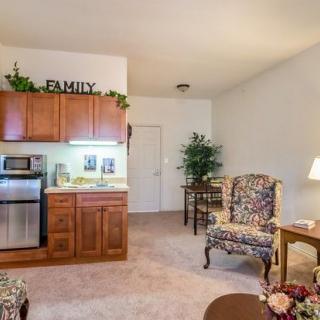
In terms of amenities, we provide a variety of on-site facilities to cater to different interests and needs. Our beauty salon allows residents to pamper themselves and maintain their personal style. Cable or satellite TV is available for entertainment, while our gaming room provides opportunities for socializing and recreation. For those who enjoy reading, we have a small library with a selection of books. Additionally, our fully furnished apartments offer all necessary comforts, and private bathrooms ensure privacy.

We understand the importance of maintaining an active lifestyle, which is why we offer various fitness programs and a fitness room for residents to stay fit and healthy. Our outdoor space provides a peaceful environment where residents can enjoy nature or spend time gardening. Scheduled daily activities are organized to keep residents engaged and entertained.

Our dining options are designed to accommodate special dietary restrictions, ensuring that every resident's nutritional needs are met. We also offer meal preparation and service for convenience. The restaurant-style dining experience allows residents to enjoy delicious meals in the company of others.

Care services at Bridgemoor Of San Antonio include 24-hour call system for emergency assistance, 24-hour supervision for peace of mind, assistance with activities of daily living such as bathing and dressing, medication management, and transportation arrangement for non-medical purposes as well as doctor's appointments. We also have a mental wellness program in place to support the emotional well-being of our residents.

Conveniently located near cafes, parks, pharmacies, physicians' offices, restaurants, places of worship, theaters, and hospitals; our community ensures that there are plenty of nearby options for entertainment and healthcare needs.

At Bridgemoor Of San Antonio in San Antonio, TX, we strive to provide a comfortable home where residents can enjoy a fulfilling and engaging lifestyle while receiving the care and assistance they need.

Nearby Places of Interest

Pharmacies

  • CVS Pharmacy (0.1 miles)
  • CVS Pharmacy (1.6 miles)
  • Walgreens (1.7 miles)
  • Walgreens (1.9 miles)
  • CVS Pharmacy (2.7 miles)
  • B D Rx (2.7 miles)
  • CVS Pharmacy (3 miles)

Physicians

  • Medical Center Ophthalmology Associates (0.8 miles)
  • Gastroenterology Consultants of San Antonio (1 miles)
  • Consultants in Pain Management (1 miles)
  • Aurora Clinic (1 miles)
  • Jefferson Family Practice (1.2 miles)
  • Retina Associates of South Texas, P.A. (1.5 miles)
  • Physicians Plaza II (1.7 miles)

Hospitals

  • Foundation Surgical Hospital Of San Antonio (1.2 miles)
  • Audie L. Murphy Memorial VA Hospital (1.7 miles)
  • Audie L Murphy Memorial Veterans Hospital (1.8 miles)
  • University Hospital Sky Tower (1.9 miles)
  • University Hospital (1.9 miles)
  • St Luke's Baptist Hospital (1.9 miles)
  • Methodist Hospital (2.2 miles)

Restaurants

  • Alamo Biscuit Company & Panaderia (1.2 miles)
  • The Bend (1.7 miles)
  • Hacienda Vallarta (1.7 miles)
  • The Magnolia Pancake Haus (1.8 miles)
  • Syrian Kitchen (2.1 miles)
  • Bahama Buck's (2.2 miles)
  • McDonald's (2.5 miles)

Parks

  • Medical Center Volleyball Courts (2 miles)

Theaters

  • Cinemark San Antonio 16 (2.3 miles)
  • Regal Huebner Oaks & RPX (2.5 miles)

Cafes

  • Starbucks (3.1 miles)

Places of Worship

  • Masjed Beit El Magdes (4.6 miles)

Frequently Asked Questions

Where is Bridgemoor Of San Antonio?

Nearby Communities

Skilled Nursing Facility in Nearby Cities

Related Resources

  • senior move managementSenior Move Management: Understanding the Role, Value, and Associated Costs

    Senior move management provides specialized support for older adults relocating by assisting with logistics, emotional challenges, and downsizing decisions to ensure a smooth transition to new living environments. These services address the unique needs of seniors and have become increasingly important as baby boomers retire and seek to downsize.

  • weight training for seniorsWeight Training for Seniors: Building Strength and Vitality

    Weight training is vital for seniors to maintain muscle mass, bone density, and overall health, combating age-related declines through customized resistance exercises that enhance balance and well-being. Safe routines should start with realistic goals and proper form, while emphasizing gradual progress and consultations with healthcare providers to ensure safety and effectiveness.

  • what does the sandwich generation meanUnderstanding the Sandwich Generation: Stress and Responsibilities for Multigenerational Caregivers

    The Sandwich Generation comprises adults managing the dual responsibilities of caring for aging parents and raising children, leading to significant emotional, logistical, and financial challenges. This situation is exacerbated by longer life expectancies and cultural expectations, necessitating effective coping strategies and support resources to alleviate caregiver stress and burnout.