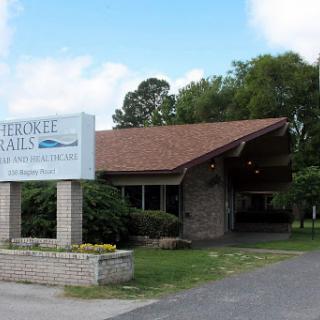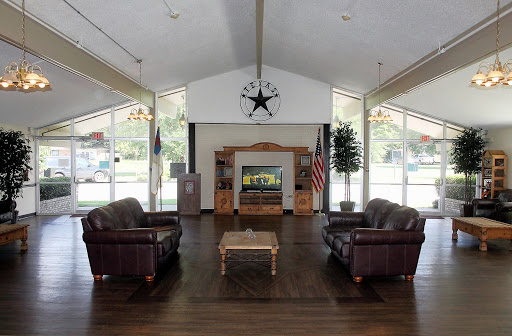
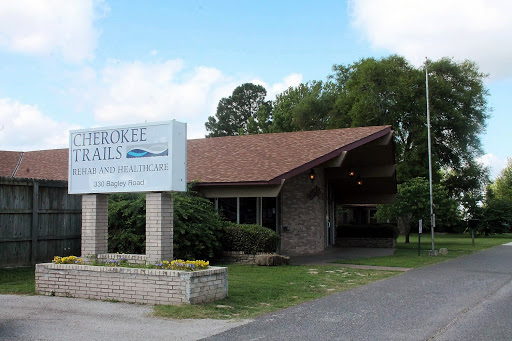
330 East Bagley Road, Rusk, TX 75785
For more information about senior living options: (866) 208-4318
Overall Review of Cherokee Trails Nursing Home
Pros
 Cherokee Trails staff go above and beyond to take care of residents' needs.
- Sharima and the Cherokee Trails team give their 110% to help residents, including those with dementia.
- Cherokee Trails hires some of the most caring people to their staff.
- The staff at Cherokee Trails helps keep residents safe and prevents unnecessary discharges from the hospital ER.
- The residents at Cherokee Trails are in good hands with the staff.
- The administrator at Cherokee Trails is genuinely caring and attentive to patients.
- Cherokee Trails Nursing Home and Rehab takes great care of loved ones and helps them recover.
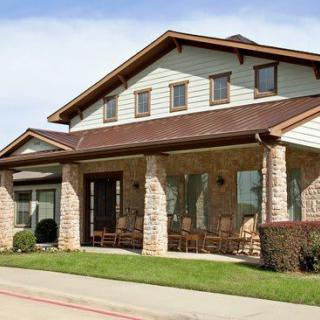
- The facility at Cherokee Trails is wonderful: clean, welcoming, and safe.
- The dietary department at Cherokee Trails helps residents gain weight and stay healthy.
- The nurses at Cherokee Trails truly care about the residents.
Cons
 One reviewer states they have never seen a worse facility than this one.
- They feel policy and law sometimes get in the way of care.
- They were told they would not receive a shower unless they could do it unassisted.
- They note that Cherokee Trails was unable to admit the veteran into memory care, despite the staff’s best efforts.
Review
Cherokee Trails Nursing Home in Rusk, Texas is best suited for families seeking a traditional, hands-on nursing home experience where attentive caregiving, a clean and welcoming environment, solid daily routines, and dependable meals are the core strengths. The community clearly serves seniors who need ongoing assistance and appreciate staff who truly engage with residents, deliver personal care with warmth, and maintain a calm, home-like atmosphere. The presence of a memory care option within the facility expands its fit for families navigating dementia-related challenges, making it a reasonable choice for those who want a familiar setting with dedicated staff.
Those who may want to consider alternatives include families with very strict admissions policies or those seeking highly specialized memory-care programming beyond what this home consistently delivers. Some reviews highlight policy and regulatory hurdles that can affect placement decisions, underscoring the reality that not every situation will align with Cherokee Trails’ processes. Additionally, if daily life must be perfectly seamless, such as guaranteed shower routines without exception, or if there is a need for aggressive, cutting-edge therapeutic intensives, it pays to explore other options to ensure all expectations are met.
The most compelling pros here are the staff’s evident commitment and the facility’s overall quality of life for residents. Families repeatedly praise caregivers who go above and beyond, a responsive administration, and a culture of listening and problem-solving. Administrators, including a newly respected leader, are singled out for their hands-on approach and for ensuring that issues do not recur. The environment is described as clean, safe, and welcoming, with residents consistently appearing well cared for during visits. On the nutrition side, the dietary team delivers meals that residents enjoy, and there are tangible examples of residents gaining weight and thriving under attentive supervision. The combination of strong housekeeping, good food, and a supportive hospice partnership reinforces a practical, value-driven care model.
Reality check comes from the minority of negative voices in the reviews, which remind that no facility is perfect. A lone comment positions the place as “the worst facility,” signaling that occasional dissatisfaction can surface, often tied to policy friction or communication gaps rather than to daily care failures. Another review notes a situation where shower access was not available unless residents could manage it independently, highlighting a potential inconsistency in daily routines. Yet these concerns appear to be outliers within a sea of praise and seem to hinge more on procedural hiccups or individual expectations than on sustained neglect or systemic flaws. In practice, the strong leadership and a culture of accountability help dampen these risks and keep overall quality high.
From a practical decision-making standpoint, families evaluating Cherokee Trails should prioritize asking about staffing levels, caregiver-to-resident ratios, and the specifics of the memory-care program. Inquire how the administration handles policy constraints in real-time, request opportunities to speak with frontline caregivers, and observe how quickly staff respond during a visit. Clarify shower and personal-care routines to gauge consistency, and discuss the dining program to understand how dietary needs are managed for residents with appetite or weight concerns. Given the hospice partnerships already in play, request examples of how end-of-life care is coordinated to ensure comfort, dignity, and clear communication with families.
In sum, Cherokee Trails stands out as a practical, well-run option for families who prize tireless staff devotion, a clean and safe environment, and dependable day-to-day care wrapped in solid dietary and housekeeping support. The main trade-offs involve navigating policy-related barriers and occasional routine gaps, which can color the experience for those with very specific expectations. Those who require rigorous, non-negotiable service standards or extraordinary, policy-driven admissions may prefer alternatives. For most families seeking genuine warmth, reliable care, and a stable, respectful setting for a loved one, Cherokee Trails is a credible, masculine-fit choice worth pursuing through a candid, on-site visit.
 140 resident community capacity
 Skilled Nursing Facility
 Air-conditioning
 Beauty salon
 Cable or satellite TV
 Computer center
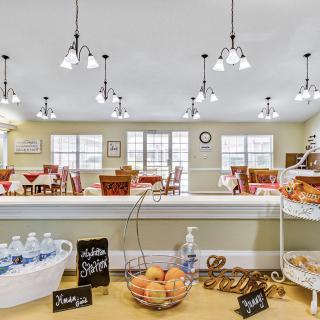
 Dining room
 Fitness room
 Fully furnished
 Gaming room
 Garden
 Housekeeping services
 Kitchenette
 Move-in coordination
 Outdoor space
 Private bathrooms
 Restaurant-style dining
 Small library
 Telephone
 Wellness center
 Wi-Fi/high-speed internet available
 Community operated transportation
 12-16 hour nursing
 24-hour call system
 Activities of daily living assistance
 Assistance with bathing
 Assistance with dressing
 Assistance with transfers
 Diabetes diet
 Medication management
 Mental wellness program
 Special dietary restrictions
 Concierge services
 Planned day trips




 Exploring Palliative Care in the Home: A Comprehensive Overview
 Comprehensive Insights into Palliative Home Care: What It Is and What to Expect
 Skilled Nursing Facilities vs. Nursing Homes: Making Sense of the Differences