
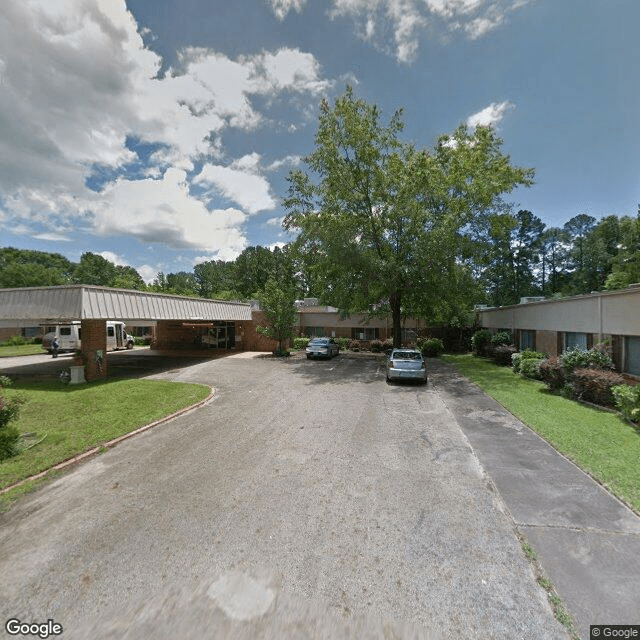
1521 E Rusk St, Jacksonville, TX 75766
To contact a resident: (903) 586-3626
For more information about senior living options: (866) 208-4318
Gardendale Rehab & Nursing Ctr Costs & Pricing
At Gardendale Rehab & Nursing Center, the monthly cost for a private room is set at $7,000, aligning with the average rates in Cherokee County. However, it is notably higher than the state average of $4,096 for similar accommodations in Texas. This pricing reflects not only the quality of care and amenities provided by Gardendale but also its commitment to delivering personalized services tailored to each resident's needs. While this investment may be above the statewide average, many families find value in the enhanced support and community atmosphere that characterizes Gardendale's approach to rehabilitation and long-term care.
| Floor plans | Gardendale Rehab & Nursing Ctr | Cherokee County | Texas |
|---|---|---|---|
| Private | $7,000 | $7,000 | $4,096 |
Overall Review of Gardendale Rehab & Nursing Ctr
Cons
 The facility was shut down permanently.
- It was shut down by the state.
- All residents were moved to other facilities.
- Residents were given only one week’s notice to move after years at the facility.
Review
Gardendale Rehab & Nursing Ctr in Jacksonville, TX is not a viable option for anyone actively seeking care today. Permanently closed by the state in 2019, the facility’s residents were relocated with only a week’s notice. The decisive takeaway is that there is no dependable continuity of care available here anymore; the site serves as a cautionary example rather than a candidate for consideration. For families planning around a loved one’s rehab or long-term nursing needs, this is a data point underscoring the importance of choosing providers with demonstrable ongoing operations and solid licensure.
Those weighing alternatives should look first to facilities with stable, transparent ownership and verified, ongoing licensing. In this market, a history of sudden shutdown is a red flag that cannot be dismissed. The ownership trace, Concord Healthcare Group and related corporations, adds a layer of concern about long-term reliability. Any care plan should prioritize operators with a track record of staying open, meeting state requirements, and providing predictable timelines for intake, transfers, and continuity of care. In short, seek out communities that have demonstrated resilience and consistent regulatory compliance.
The pros that might have once mattered for select residents pale in comparison to the defining con: the permanent shutdown. A 3.4 overall rating from five reviews signals mixed experiences, yet the absence of ongoing operations dwarfs positive anecdotes. Even if some past residents praised aspects of care, the critical questions for families today are not about bedside kindness or amenities but about stability, transfer processes, and long-term availability. When the core risk is that a facility can vanish and unleash forced moves on residents who have built routines and supports over years, any potential short-term quality gains become moot.
The practical consequences for families and residents are substantial. A sudden relocation disrupts medical regimens, medications, and familiar care teams. Transitions in the middle of chronic conditions or recovery from procedures can complicate rehabilitation progress and strain already fragile routines. The abrupt closure also imposes logistical burdens on families, accommodating transport, notifying physicians, and coordinating with new care staff, while raising questions about where the financial responsibility lies if prior payments cannot be reconciled. In sum, the personal and financial disruption from a shutdown far outweighs any past advantages the facility might have offered.
Actionable next steps center on due diligence and swift planning. Begin by confirming the current status of any facility under consideration; a permanent closure is a non-starter for ongoing care. Verify licensure status with the Texas Department of Health and Human Services (or the appropriate regulatory body) and request a detailed transfer plan, including timelines, medication reconciliation, and handoffs to new care teams. When evaluating alternatives, prioritize facilities with transparent ownership, clear emergency transfer procedures, and established post-acute and long-term pathways. Compare nearby options not only on cost but also on discharge planning, readmission rates, and stability of staff and leadership.
The bottom line is decisive: Gardendale Rehab & Nursing Ctr should not factor into a current decision-making process for choosing a place to live or recover. The permanent shutdown demonstrates why stability matters more than any single perk or positive anecdote. Families should direct attention to facilities with proven staying power, robust regulatory compliance, and explicit continuity of care programs. In Jacksonville and surrounding areas, a careful, outcome-focused search that foregrounds longevity of operation will yield safer, more reliable choices for aging loved ones who require rehab or long-term nursing support.
 Memory Care
 Skilled Nursing Facility
 24/7 supervision with engaging activities.



 When to Transition from Assisted Living to Memory Care: Key Indicators, Steps, and Finding the Right Community
 Understanding the Distinctions: Assisted Living and Memory Care Explained
 How to Communicate with a Loved One Living with Dementia: 10 Supportive Strategies