Pleasant Springs Healthcare Center in Mount Pleasant, TX

Save

  • Interior

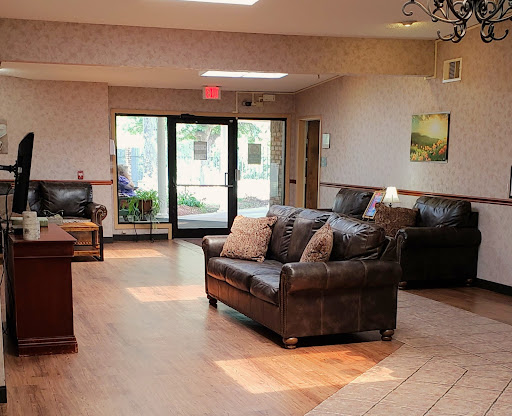
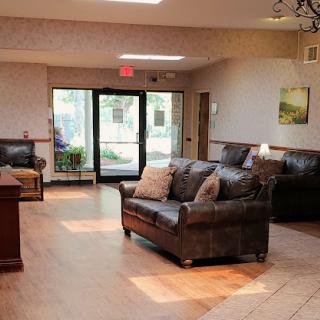
    A cozy and inviting lobby area with comfortable seating and ample natural light.
  • Decor

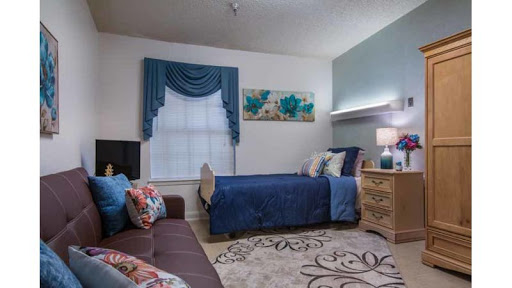
    A cozy living space featuring a blend of comfort and style with a neatly made bed, elegant curtains, and decorative elements.
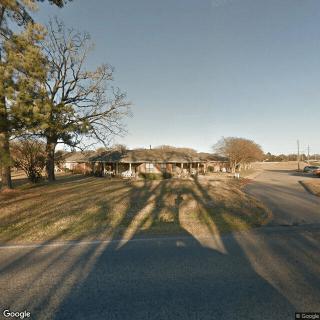
  • Building

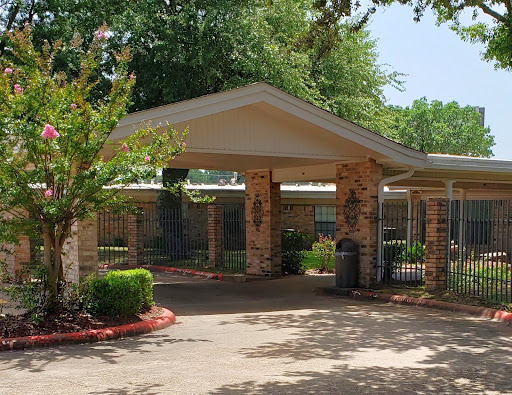
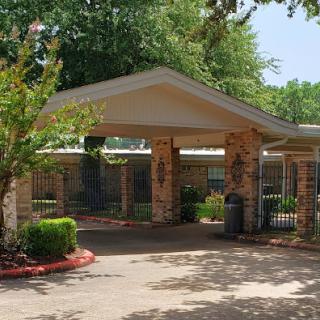
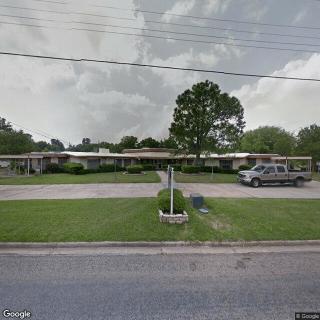
    The inviting entrance of a residential building surrounded by lush greenery.
  • Bedroom

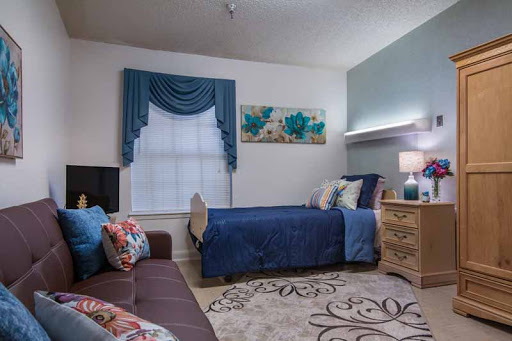
    A cozy bedroom featuring a blue color scheme with floral accents and a comfortable seating area.
  • Dining

    A delicious breakfast spread featuring various dishes including grilled meat, baked beans, pickles, and a sweet pastry.
  • Landscaping

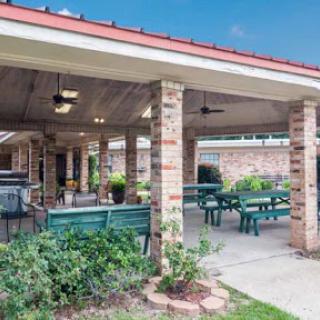
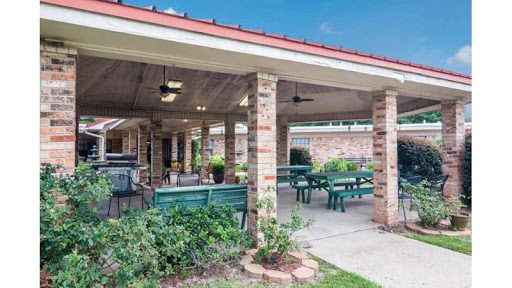
    A cozy outdoor dining area featuring spacious seating and a charming brick structure.
  • Kitchen

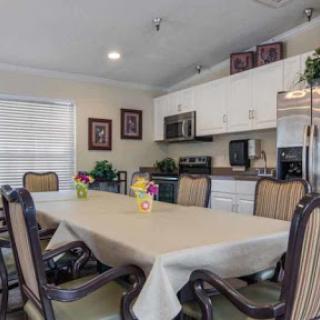
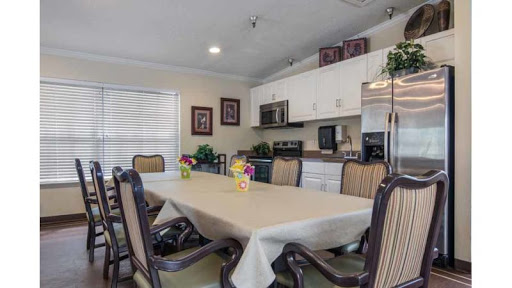
    A spacious dining area featuring a large table and modern kitchen appliances.
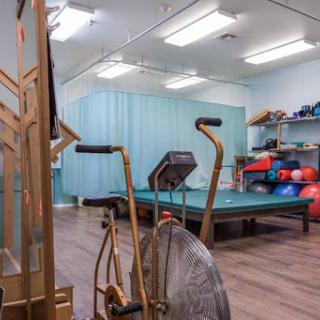
  • Exercise Equipment

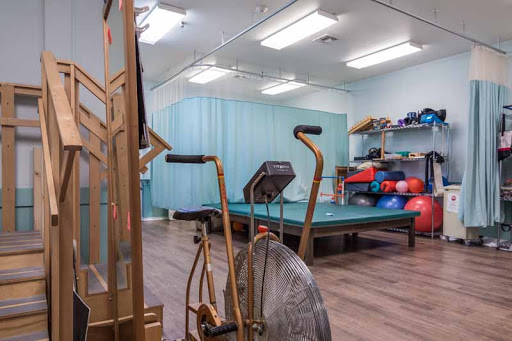
    A physical therapy room equipped with exercise machines and rehabilitation tools.
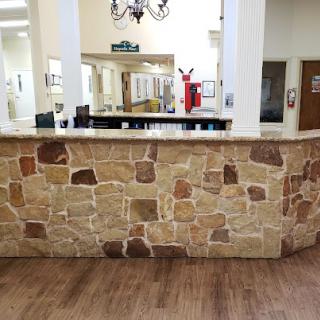
  • Office

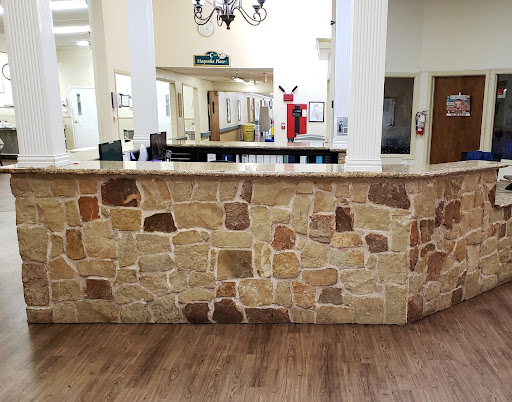
    A reception area featuring a stone counter and wooden flooring.
  • Rehabilitation

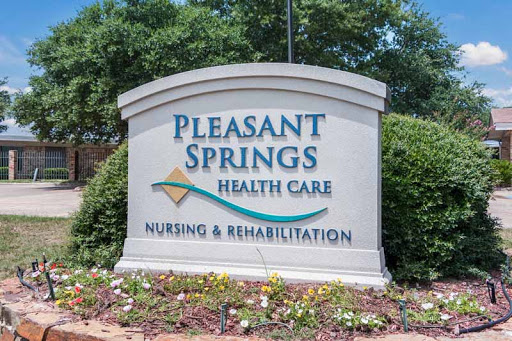
    Sign for Pleasant Springs Health Care, specializing in nursing and rehabilitation services.

Pleasant Springs Healthcare Center in Mount Pleasant, TX

2003 North Edwards Street, Mount Pleasant, TX 75455

For more information about senior living options: (844) 490-3973

4.2 from 33 reviews
5 stars
24
4 stars
3
3 stars
0
2 stars
0
1 stars
6

Continuing Care Retirement Community (CCRC) Skilled Nursing Facility

Overall Review of Pleasant Springs Healthcare Center

Pros

  • pro The staff are helpful and very attentive to the residents.
  • pro Residents enjoyed the Pie Party, and Momma Ed is being well cared for.
  • pro Jaye Wilhite is an advocate who goes above and beyond for patients and families.
  • pro The staff are caring and pleasant; they really care for the residents.
  • pro The housekeeping department keeps the building clean and odors to a minimum, and residents love the activities.
  • pro The staff are welcoming, knowledgeable, and attentive to residents and their families.
  • pro Pleasant Springs Healthcare Center is top notch, with nursing staff treating residents like family.
  • pro The rehab program is wonderful, with therapists like Scott helping patients regain mobility.
  • pro The nursing staff are amazing, friendly, kind, and caring, with strong leadership and excellent rehab.
  • pro Karyn brings joy, compassion, and care; her positive energy makes a difference.

Cons

  • pro The facility is absolutely horrible; the rooms are nasty, and the staff could be much better.
  • pro The facility is neglectful; it did not change the grandpa's clothes, there were two falls in one day, the patient sustained rib injuries, no clear explanations were given, he lay on the floor for a long time, and he was not fed adequately.
  • pro There are too many problems to address, and it is not recommended.
  • pro Administration is not on call to notify families of emergencies, which is unacceptable.
  • pro The family was not notified about the Covid diagnosis and the move to another nursing home.
  • pro The rooms look nothing like the pictures online.
  • pro The reviewer would not rate the facility even one star.
  • pro The facility delayed medical evaluation for a head injury until the family intervened.

Review

Pleasant Springs Healthcare Center in Mount Pleasant, Texas is best suited for families that prize strong rehabilitation services, a hands-on nursing presence, and a homey, community feel. Reviewers consistently flag attentive, compassionate staff and an administrator who engages with families to advocate for residents. The center shines for short-term rehab after surgery or injury, with a therapy department repeatedly praised for helping residents regain mobility. A visitor-friendly culture - pie parties, social gatherings, and regular activities - helps residents stay engaged and keeps families connected to the daily rhythm of care.

However, there are clear reasons to weigh alternatives. Several reviews recount serious safety and communication gaps, including instances of falls, delays in care, and meals not being provided. A few families describe neglectful or inconsistent responses to concerns, and one account details a family member being relocated without timely notification to relatives during a health event. While those experiences are not universal, they signal that leadership presence and day-to-day accountability can vary, and that the facility may not be the right match for families requiring ironclad safety guarantees or flawless communication.

On balance, the strongest positives - high-quality therapy, responsive nursing care, and a clean, well-maintained environment - tend to offset many of the drawbacks for residents focused on recovery and ongoing support. The rehab team, including therapists noted as patient-centered and persistent, consistently helps patients gain independence after surgeries such as knee replacements. Nursing staff are described as on the floor, approachable, and willing to explain care steps. Cleanliness and odor control are repeatedly highlighted as a quiet strength, contributing to a dignified experience even during longer stays.

Administration and teamwork also matter here. The administrator is described as an ally to families, and the nursing director is active on the floor, which many families say makes care feel coordinated rather than fragmented. Families frequently commend how staff remember preferences, provide timely updates, and involve them in care planning. The combination of comprehensive rehab, steady daily routines, and consistent staff praise can create a sense of security for those who want a facility that feels like a real community rather than a cold institution.

Yet the list of concerns cannot be dismissed. The most troubling accounts center on safety lapses - falls, missed meals, delays in feeding or attention - and on inconsistent, sometimes absent communication with families about health events. Some residents report rooms that do not match online descriptions, and at least one family recounts a significant lapse in physician involvement when a patient with complex needs required urgent attention. These reports are not the norm in every case, but they highlight real risks that require close inspection before choosing Pleasant Springs, particularly for those with heavy safety needs or strict expectations around prompt family notification.

Decision guidance follows. For families prioritizing rehabilitation outcomes, practical daily support, and a warm, participatory community, Pleasant Springs offers a solid pathway with dedicated staff and a robust therapy program. Prospective residents should tour with a critical eye: assess staffing levels during peak hours, question response times, review care schedules, and speak candidly with the administrator about communication protocols and escalation steps. If safety oversight and consistent family updates are non-negotiable, consider alternatives or establish clear trial criteria and exit options. In the right fit, Pleasant Springs translates care into measurable improvement and daily comfort, making it a credible option worth pursuing.

Features

Housing

  • 90 resident community capacity 90 resident community capacity

Types of Care

  • Continuing Care Retirement Community (CCRC) Continuing Care Retirement Community (CCRC)Continuing Care Retirement Communities (CCRCs) are important for seniors because they provide a range of housing options and care services all in one location. This allows seniors to age in place and receive the level of care they need as their health changes, without having to move to a new facility. CCRCs provide a sense of security and peace of mind for seniors and their families, knowing that they will be taken care of no matter what the future holds.
  • Skilled Nursing Facility Skilled Nursing FacilitySkilled Nursing Facilities are crucial for seniors as they provide round-the-clock medical care, rehabilitation services, and assistance with daily activities. These facilities ensure that seniors receive the specialized care they need to maintain their health and well-being as they age.

Amenities

  • Air-conditioning Air-conditioningAir conditioning is important for seniors as they are more vulnerable to heat-related illnesses and may have underlying health conditions that make it difficult for them to regulate their body temperature. It helps to keep them comfortable, safe, and healthy in hot weather.
  • Beauty salon Beauty salonBeauty salons are important for seniors because they provide a space for them to feel pampered, socialize, and maintain their personal grooming and hygiene. Regular visits to a beauty salon can help boost seniors' self-esteem and overall well-being.
  • Cable or satellite TV Cable or satellite TVCable or satellite TV is important for seniors because it provides entertainment, news, and companionship, helping to combat loneliness and boredom. It also offers a wide range of programming options tailored to different interests and preferences.
  • Computer center Computer centerA computer center is essential for seniors as it provides access to technology, communication tools, and resources that can enhance their daily lives. It allows them to stay connected with loved ones, engage in online activities, and learn new skills, ultimately promoting socialization and mental stimulation.
  • Dining room Dining roomDining rooms are important for seniors as they provide a space for socialization, connection, and nutritious meals. They offer opportunities for residents to bond over shared meals, foster a sense of community, and promote healthy eating habits. Dining rooms also ensure that seniors have access to well-balanced meals tailored to their dietary needs and preferences.
  • Fitness room Fitness roomHaving a fitness room in a senior living community is essential for seniors to stay active, maintain their physical health, and improve their overall well-being. Regular exercise can help prevent falls, reduce the risk of chronic diseases, and promote mental sharpness. It also provides social opportunities for residents to connect with others and enjoy a sense of community.
  • Fully furnished Fully furnishedFully furnished senior living communities are important for seniors because they provide convenience, comfort, and a hassle-free moving experience. Seniors can easily settle into their new living space without the stress of having to buy and move furniture. This allows them to focus on enjoying their new home and community.
  • Gaming room Gaming roomGaming rooms are important for seniors as they provide a fun and engaging environment for socializing, cognitive stimulation, and physical activity. Games can improve memory, problem-solving skills, and overall mental well-being while fostering friendships and reducing feelings of isolation.
  • Garden GardenGardens are important for seniors as they provide a peaceful and therapeutic environment for relaxation, physical activity, and socialization. Being in nature has been shown to reduce stress, improve mood, and promote overall well-being. Gardens also offer opportunities for seniors to engage in gardening activities, which can improve mobility, flexibility, and cognitive function. Additionally, gardens create a sense of community and connection with others who share a passion for plants and outdoor spaces.
  • Housekeeping services Housekeeping servicesHousekeeping services are important for seniors because they help maintain a clean and safe living environment, promote independence, and reduce the risk of accidents or illnesses. Additionally, having assistance with household chores can alleviate physical strain and allow seniors to focus on other aspects of their well-being.
  • Kitchenette KitchenetteKitchenettes are important for seniors living in senior living communities because they provide the convenience and independence of being able to prepare simple meals and snacks in the comfort of their own living space. This can help promote a sense of autonomy and well-being for seniors, allowing them to maintain some level of control over their dietary choices and daily routines.
  • Move-in coordination Move-in coordinationMove-in coordination is important for seniors because it helps ease the transition into their new living environment. It ensures that all logistics, such as packing, organizing movers, and setting up utilities are taken care of, allowing seniors to focus on settling in and adjusting to their new home. Having a smooth move-in process can alleviate stress and anxiety, making the transition smoother and more enjoyable for seniors.
  • Outdoor space Outdoor spaceOutdoor spaces are important for seniors as they provide opportunities for physical activity, social interaction, exposure to natural light and fresh air, and a sense of connection to nature. Having access to outdoor spaces can improve overall well-being and quality of life for older adults living in senior communities.
  • Private bathrooms Private bathroomsPrivate bathrooms are important for seniors in senior living communities because they provide independence, dignity, and comfort. Having a private bathroom allows seniors to maintain their personal hygiene routines without the need for assistance, promoting a sense of autonomy and privacy. Additionally, private bathrooms help prevent the spread of infections and provide a safe and clean environment for seniors to navigate safely.
  • Restaurant-style dining Restaurant-style diningRestaurant-style dining is important for seniors because it allows them to enjoy delicious, nutritious meals in a social and upscale setting. This enhances their dining experience, promotes healthy eating habits, and fosters socialization with fellow residents, ultimately contributing to their overall well-being and quality of life.
  • Small library Small librarySmall libraries are important for seniors as they provide access to a variety of reading materials, including books, newspapers, and magazines. This can help stimulate their minds, keep them engaged, and provide a sense of community through book clubs and other social activities. Additionally, reading has been shown to improve cognitive function and overall mental well-being in older adults.
  • Telephone TelephoneTelephones are important for seniors as they provide a lifeline for communication with loved ones, emergency services, and healthcare providers. They offer a sense of security and independence, enabling seniors to stay connected and access assistance when needed.
  • Wellness center Wellness centerWellness centers are important for seniors because they offer a variety of programs and services that promote physical, mental, and emotional well-being. These centers provide opportunities for exercise, socialization, education, and relaxation, helping seniors maintain their overall health and quality of life.
  • Wi-Fi/high-speed internet available Wi-Fi/high-speed internet availableWi-Fi/high-speed internet is important for seniors to stay connected with loved ones, access online resources, and participate in virtual activities to combat feelings of loneliness and isolation. It also allows them to easily manage healthcare needs, access entertainment, and engage in lifelong learning opportunities.

Transportation

  • Community operated transportation Community operated transportationCommunity operated transportation is crucial for seniors as it provides them with the means to access essential services, social activities, and medical appointments. It allows seniors to maintain their independence and quality of life by ensuring they can participate in activities outside of their homes. Additionally, community-operated transportation services offer a safe and reliable way for seniors to travel without having to rely on family or friends for assistance.
  • Transportation arrangement Transportation arrangementTransportation arrangements are crucial for seniors as they may face challenges with driving, mobility, or access to public transportation. Having reliable transportation services ensures that seniors can easily attend appointments, social activities, and maintain their independence and quality of life.
  • Transportation arrangement (non-medical) Transportation arrangement (non-medical)Transportation arrangements are essential for seniors as they provide access to essential services, activities, and social interactions outside the home. This service helps maintain independence, mobility, and overall well-being for seniors who may have limited transportation options.
  • Transportation to doctors appointments Transportation to doctors appointmentsTransportation to doctors appointments is crucial for seniors as it ensures they have access to necessary medical care and support, promoting their health and well-being. It allows them to receive timely treatment, monitor existing conditions, and address any new health concerns efficiently. Additionally, transportation services can help seniors maintain their independence and quality of life by enabling them to stay connected with their healthcare providers.

Care Services

  • 12-16 hour nursing 12-16 hour nursing12-16 hour nursing care is crucial for seniors in order to ensure around-the-clock monitoring, timely medication administration, and prompt response to any health concerns or emergencies. This level of care helps to promote the overall well-being and safety of seniors living in senior living communities.
  • 24-hour call system 24-hour call system24-hour call systems are important for seniors because they provide peace of mind and immediate assistance in case of emergencies. This technology ensures that help is always available, promoting safety and security for elderly individuals living alone or in assisted living facilities.
  • 24-hour supervision 24-hour supervision24-hour supervision is important for seniors to ensure their safety, well-being, and access to immediate assistance in case of emergencies or health issues. This constant support provides peace of mind for both seniors and their loved ones, allowing them to age in place with dignity and security.
  • Activities of daily living assistance Activities of daily living assistanceActivities of daily living assistance are important for seniors because they provide essential support with tasks such as eating, bathing, dressing, and mobility. This assistance helps seniors maintain their independence, dignity, and overall quality of life as they age.
  • Assistance with bathing Assistance with bathingAssistance with bathing is crucial for seniors as it helps maintain personal hygiene, prevents infections, and ensures their overall well-being and comfort. It also provides a sense of dignity and independence for seniors who may struggle with this task on their own.
  • Assistance with dressing Assistance with dressingAssistance with dressing is important for seniors because it helps maintain their independence, promotes personal hygiene, prevents accidents and injuries, and improves overall quality of life. This service ensures that seniors can continue to dress comfortably and confidently, despite any physical limitations they may have.
  • Assistance with transfers Assistance with transfersAssistance with transfers is crucial for seniors as it helps prevent falls and injuries, maintains their independence, and ensures they can safely navigate their living environment. It also provides peace of mind for both seniors and their loved ones.
  • Diabetes diet Diabetes dietA diabetes diet is crucial for seniors as it helps manage blood sugar levels, reduce risks of complications, and improve overall health and well-being. By following a balanced and nutritious diet tailored to their specific needs, seniors can better control their diabetes and enhance their quality of life.
  • Meal preparation and service Meal preparation and serviceMeal preparation and service are crucial for seniors as they may have limited mobility or energy to cook nutritious meals. Having access to healthy and convenient food options can ensure they are getting the proper nutrition needed to maintain their overall health and well-being.
  • Medication management Medication managementMedication management is crucial for seniors to ensure they are taking the right medications at the correct dosages and times. This helps prevent adverse drug interactions, reduces the risk of medication errors, and promotes overall health and well-being. Proactive management also allows for adjustments as needed based on changing health conditions or new prescriptions.
  • Mental wellness program Mental wellness programMental wellness programs are essential for seniors as they promote cognitive stimulation, emotional support, and social engagement. These programs help prevent isolation, depression, and cognitive decline, ultimately enhancing the overall quality of life for older adults.
  • Special dietary restrictions Special dietary restrictionsSpecial dietary restrictions are important for seniors because age-related changes in metabolism and health conditions can make it difficult for their bodies to process certain foods. By following a diet tailored to their specific needs, seniors can maintain their overall health and well-being, manage chronic conditions, and reduce the risk of complications such as malnutrition or food interactions with medications.

Dining

  • Diabetes diet Diabetes dietA diabetes diet is crucial for seniors as it helps manage blood sugar levels, reduce risks of complications, and improve overall health and well-being. By following a balanced and nutritious diet tailored to their specific needs, seniors can better control their diabetes and enhance their quality of life.
  • Special dietary restrictions Special dietary restrictionsSpecial dietary restrictions are important for seniors because age-related changes in metabolism and health conditions can make it difficult for their bodies to process certain foods. By following a diet tailored to their specific needs, seniors can maintain their overall health and well-being, manage chronic conditions, and reduce the risk of complications such as malnutrition or food interactions with medications.

Activities

  • Community-sponsored activities Community-sponsored activitiesCommunity-sponsored activities are important for seniors as they provide opportunities for social interaction, mental stimulation, and physical activity. These activities can help improve overall well-being, combat loneliness and isolation, and promote a sense of belonging and purpose among older adults.
  • Concierge services Concierge servicesConcierge services are essential for seniors as they provide assistance with daily tasks and errands, enhance their quality of life by offering convenience and personalized care, and promote a sense of safety and security.
  • Fitness programs Fitness programsFitness programs are crucial for seniors as they help improve strength, flexibility, balance, and overall well-being. Staying active can reduce the risk of chronic diseases, improve mental health, and enhance quality of life in older adults.
  • Planned day trips Planned day tripsPlanned day trips are important for seniors because they offer opportunities for socialization, mental stimulation, and physical activity. They provide a change of scenery and help seniors stay engaged and connected to their community, promoting overall well-being and quality of life.
  • Resident-run activities Resident-run activitiesResident-run activities are important for seniors as they encourage social interaction, creativity, and a sense of autonomy. These activities empower seniors to stay engaged and active in their community while fostering meaningful connections with their peers.
  • Scheduled daily activities Scheduled daily activitiesScheduled daily activities are important for seniors because they provide structure, socialization, mental stimulation, and physical activity. Engaging in regular activities can improve overall well-being and quality of life for seniors living in a community setting.

Description

Pleasant Springs Healthcare Center in Mount Pleasant, TX is a skilled nursing facility that provides top-quality care and a comfortable living environment for older adults. Our community offers a wide range of amenities and services to meet the unique needs and preferences of our residents.

The facility features a beauty salon, where residents can get pampered and maintain their personal grooming routine. We offer cable or satellite TV in each room for entertainment. Community-operated transportation is available for residents to conveniently access nearby destinations. Our computer center allows residents to stay connected with loved ones and engage in online activities.

Delicious meals are served in our dining room, offering an enjoyable restaurant-style dining experience. Special dietary restrictions can be accommodated to ensure each resident's nutritional needs are met. The fully furnished living spaces provide comfort and convenience.

Residents can partake in various recreational activities offered within our community. Our fitness room promotes physical well-being, while our gaming room provides opportunities for fun and socialization. A small library is available for those who enjoy reading, and planned day trips allow residents to explore new places. Resident-run activities provide opportunities for involvement and creativity.

At Pleasant Springs Healthcare Center, we prioritize the well-being of our residents by providing 24-hour supervision and assistance with activities of daily living such as bathing, dressing, and transferring. Our dedicated staff members are trained to manage medications effectively and ensure resident safety at all times. A mental wellness program is also offered to support emotional health.

The surrounding area offers convenient amenities such as cafes, parks, pharmacies, physicians' offices, restaurants, transportation options, places of worship nearby for easy access to essential services. Additionally, there is a hospital located conveniently close by.

With its comprehensive care services, abundant amenities, engaging activities, and convenient location, Pleasant Springs Healthcare Center is the ideal assisted living community for individuals seeking exceptional care in Mount Pleasant, TX.

Nearby Places of Interest

Parks

  • Heritage Park Village (0.3 miles)
  • Town Lake Park (1 miles)
  • Lake Bob Sandlin (2.3 miles)
  • Dellwood Park (2.4 miles)
  • Broach Park (11.3 miles)

Places of Worship

  • First Assembly of God (0.3 miles)
  • Lambsfold Church (0.9 miles)
  • Mision Bautista Nueva Esperanza (0.9 miles)
  • Church of Christ (1 miles)
  • Pleasant Grove Baptist Church (1 miles)
  • Adams Chapel (1.1 miles)
  • Christian Life Fellowship (1.2 miles)

Transportation

  • Alamo (0.5 miles)
  • Enterprise Rent-A-Car (0.5 miles)
  • Jay Tex Aviation (3.2 miles)
  • U-Haul (7.4 miles)

Physicians

  • Mark - Mark E Quiring Quiring MD (0.7 miles)
  • Cardiology Consultants of East Texas PA (0.7 miles)
  • Texas Oncology-Mount Pleasant Patty & Bo (0.7 miles)
  • Northeast Texas Oncologic (0.7 miles)
  • Downie Gordon Northeast Texas Interventional Medicine Pa Mt Pleasant (0.7 miles)
  • Doctors Clinic (0.7 miles)
  • Brad Burrows Family Practice (0.8 miles)

Pharmacies

  • Doctor's Pharmacy (0.8 miles)
  • Medical Center Family Pharmacy (0.8 miles)
  • Walgreens (1.8 miles)
  • Super 1 Foods (1.9 miles)
  • Walmart Pharmacy (3 miles)

Hospitals

  • Titus Regional Medical Center (0.8 miles)
  • Robicheaux James W UT Health Pittsburg (9.9 miles)
  • East Texas Medical Center Pittsburg (9.9 miles)
  • U T Health Pittsburg (10 miles)

Restaurants

  • Popeyes Louisiana Kitchen (0.8 miles)
  • Sonic Drive-In (0.9 miles)
  • McDonald's (0.9 miles)
  • Subway (0.9 miles)
  • Burger King (0.9 miles)
  • The Jalapeno Tree (0.9 miles)
  • IHOP (0.9 miles)

Cafes

  • Heav'Nly Foods (1.1 miles)
  • Starbucks (3.1 miles)

Frequently Asked Questions

Where is Pleasant Springs Healthcare Center?
What photos are available for Pleasant Springs Healthcare Center in Mount Pleasant, Texas?

Nearby Communities

  • Mount Pleasant Assisted Living

    Mount Pleasant Assisted Living

    Mount Pleasant, TX

    4.5 from 22 reviews
     

    pro Attentive staff, clean environment, and engaging activities.

  • Mt Pleasant Assisted Living

    Mt Pleasant Assisted Living

    Mount Pleasant, TX

    4.4 from 27 reviews
     

    pro Clean, well-maintained private rooms with friendly staff in a home-like environment.

  • Heritage Park Village

    Heritage Park Village

    Mount Pleasant, TX

    3.9 from 21 reviews
    $3,025 to $3,350 / month

    pro Clean, friendly staff, and engaging activities.

  • Heritage Park Village

    Heritage Park Village

    Mount Pleasant, TX

    4 from 11 reviews
     

    pro Friendly, knowledgeable staff in a clean, well-maintained setting with engaging activities.

  • Pine Terrace II Apartments

    Pine Terrace II Apartments

    Mount Pleasant, TX


    pro Excellent access to healthcare and a wide range of nearby amenities.

  • Mount Pleasant Hospitality House

    Mount Pleasant Hospitality House

    Mount Pleasant, TX

    5 from 2 reviews
     

    pro Comprehensive care package with 24-hour supervision, medication management, restaurant-style dining, transportation to appointments, wellness programs, and engaging activities.

  • The Lodge Assisted Living

    The Lodge Assisted Living

    Mount Pleasant, TX

    4.3 from 21 reviews
    $3,000 to $3,300 / month

    pro Caring staff, good meals, and a pleasant, activity-filled environment.

  • Caraday of Mount Vernon

    Caraday of Mount Vernon

    Mount Vernon, TX

    5 from 3 reviews
    $1,619 / month

    pro Affordable private-room pricing with easy access to nearby pharmacies, doctors, dining options, and places of worship.

  • Wesley House Gilmer

    Wesley House Gilmer

    Gilmer, TX

    3.6 from 14 reviews
    $2,900 to $4,700 / month

    pro Friendly staff and well-maintained amenities, with strong memory-care options and on-site dining and activities.

Related Resources

  • elderly fall preventionComprehensive Insights and Practical Strategies to Help Older Adults Avoid Falls

    The article highlights the high risk of falls among older adults due to factors like muscle weakness, vision issues, and environmental hazards, with one in four experiencing a fall annually. It advocates for a comprehensive prevention approach that includes exercise, home safety modifications, medication management, social support, and caregiver involvement.

  • what does an elder law attorney do6 Crucial Ways an Elder Law Attorney Assists Families

    Elder law attorneys assist older adults and their families with legal matters such as estate planning, Medicaid eligibility, and guardianships, while also providing protection against elder abuse. They help navigate complex regulations to safeguard financial resources, ensure well-being, and maintain autonomy for seniors.

  • tax implications of parent living with youNavigating the Tax Landscape of Caregiving: Credits, Deductions, and Beyond
    Caregiving for an aging parent entails emotional and financial responsibilities accompanied by significant tax implications, including potential benefits from claiming them as dependents and deductions for medical expenses and caregiving costs. Caregivers must understand eligibility requirements, maintain thorough documentation, and consider consulting a tax professional to navigate these complexities effectively.