
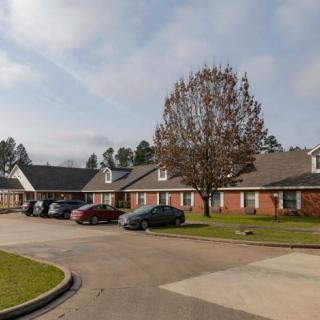
231 Quail Drive, Gilmer, TX 75644
For more information about senior living options: (866) 208-4318
Wesley House Gilmer Costs & Pricing
Wesley House Gilmer presents competitive pricing for its residential options when compared to both Upshur County and broader Texas averages. The cost of a studio unit at Wesley House is $2,900 per month, which is notably lower than the county average of $3,069 and significantly below the state average of $3,758. For those considering semi-private accommodations, Wesley House charges $4,200, which is slightly above Upshur County's rate of $3,794 but still remains under the Texas average of $3,680. In terms of one-bedroom apartments, Wesley House offers a monthly rate of $4,700; while this exceeds the county's average of $3,525, it aligns closely with the state average of $3,761. Overall, Wesley House Gilmer stands out as an appealing option for prospective residents seeking value without sacrificing quality in care and community.
| Floor plans | Wesley House Gilmer | Upshur County | Texas |
|---|---|---|---|
| Studio | $2,900 | $3,069 | $3,758 |
| Semi-Private | $4,200 | $3,794 | $3,680 |
| 1 Bedroom | $4,700 | $3,525 | $3,761 |
Memory care communities with a similar price nearby
-
from +$100 / mo
Parkview on Hollybrook
$3,000 to $5,850 / month14.2 miles away -
About the same
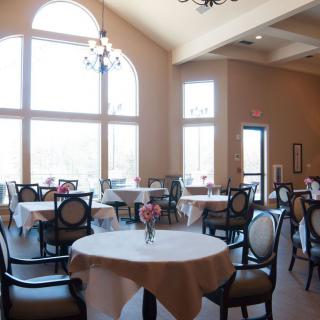
Heartis Longview
$2,860 to $6,395 / month16.7 miles away -
from +$150 / mo

Arabella of Longview
$3,050 to $5,590 / month17.2 miles away -
About the same

Arabella of Kilgore
$2,895 to $3,360 / month24.0 miles away
Overall Review of Wesley House Gilmer
Pros
 The facility offers a calm, friendly, and safe environment.
- The Assisted Living and Memory Care staff are fantastic, thoroughly knowledgeable about residents, and provide individualized, loving care.
- The food is exceptional and feels like home-cooked meals, reflecting care and quality.
- The community is nice and the team is warm and friendly.
- Wesley Oaks is amazing and highly recommended for care.
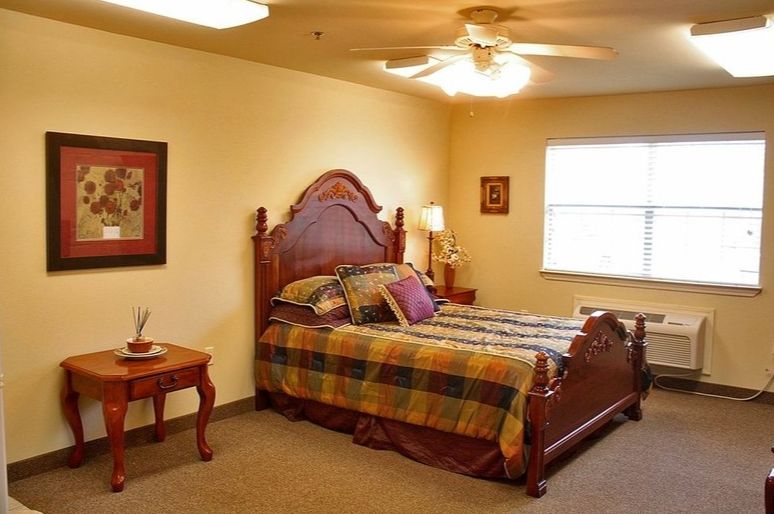
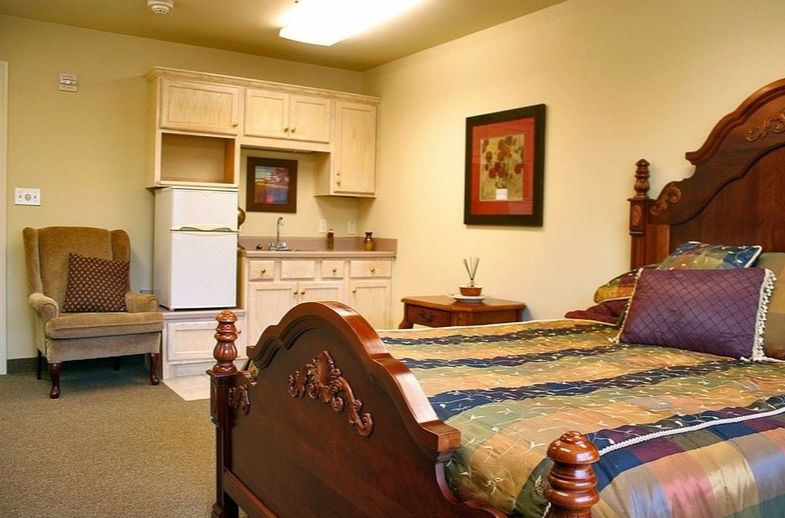
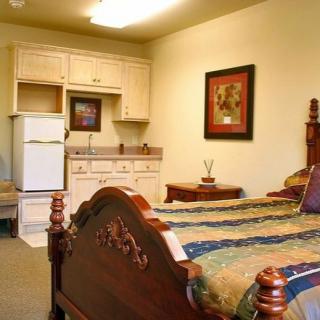
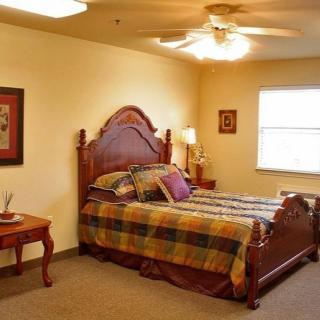
- The rooms and amenities are well-appointed and comfortable, with features like kitchenette and spacious bathrooms.
Cons
 There was a urine-soaked floor on move-in, a condition that showed poor initial care.
 - A resident pushed the father, causing a broken hip, and staff did not separate male dementia residents, which the reviewer calls shameful.
- The mother arrived smelling and was told she was stealing and needed to be moved to memory care, with the place feeling unwelcoming and lockdown-like.
- The lack of compassion from Francie and the staff made it very difficult to move her out, causing immense stress.
- Dementia/Alzheimer’s care was completely inadequate, with the patient left in a recliner for long periods and developing a bedsore.
- The reviewer cautions that the facility is not great for loved ones needing extra care, describing it as lacking compassion and tossing residents aside.
Review
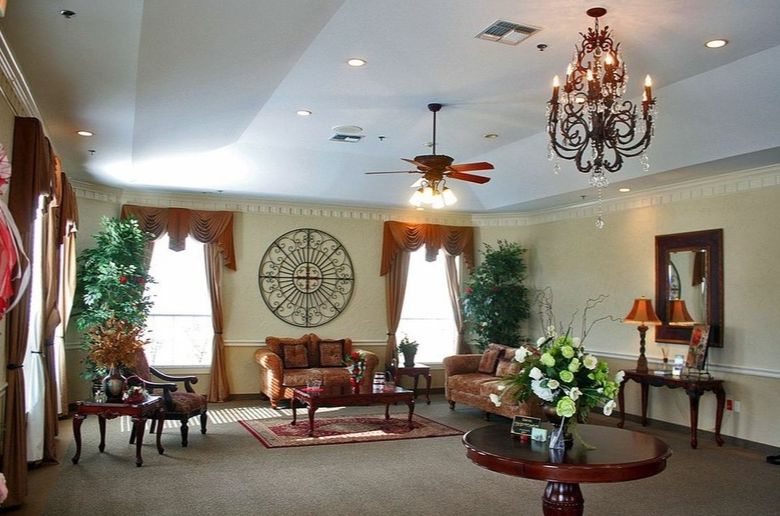
Wesley House Gilmer is best suited for families seeking a calm, homey atmosphere where staff truly knows residents and care feels personal. The community tends to project a warm, safe vibe, with a dining program that many reviewers describe as “home-cooked” in quality and heart. For families prioritizing authentic, person-centered interactions and a layout that supports everyday living, ample common areas, a library, and on-site laundry, the place can feel like a genuine home away from home. Memory care is available, but the overall impression hinges on the specific care track a resident needs; the strongest endorsements come from those who praise individualized attention and the daily rapport with caregivers.
Careful consideration is warranted for families whose loved ones require highly consistent dementia oversight or have endured previous care gaps. Several reviews recount troubling experiences in memory care, including abrupt moves, perceived lack of compassion, and even neglect claims that led to state involvement. Descriptions of a “lock down” environment, room assignments that felt punitive, and pressure to transfer to memory care create a red flag for high-acuity needs. While these incidents do not define every resident’s outcome, they signal real risk for anyone counting on steady, preventive dementia care and predictable supervision. In short, alternatives with stronger track records in memory-specific support deserve serious comparison.
The strongest positives – a genuinely warm staff, deep resident knowledge, and a dining program that residents and families consistently celebrate – don’t vanish when the topic turns to dementia care, but they can’t fully offset the downsides. The care teams are described as attentive and person-focused, often going “above and beyond” to tailor care. Families report rooms that feel comfortable, with amenities like kitchenettes and roomy bathrooms, and common areas that foster sociability and activity. When a loved one thrives on daily human connection and enjoys regular meals that feel like home, Wesley House delivers in spades. Those gains, however, are tempered by the serious concerns raised about memory care to the extent that oversight and outcomes become the deciding factor for placement.
For residents who are largely independent with manageable cognitive bumps, or who value social engagement, strong meals, and a friendly, transparent staff, Wesley House can be a sensible choice. The prevailing praise for the team and the sociable environment aligns well with families seeking peace of mind through daily reassurance and visible warmth. Yet for anyone facing progressive dementia, behavioral challenges, or substantial medical needs, the experience described by several families suggests that the cons may escalate faster than the pros. The decision hinges on whether the resident’s needs are primarily social and practical or medicalized and memory-care heavy, because the latter requires a track record of consistent, compassionate care that is not uniformly demonstrated in every review.
To maximize confidence before deciding, prospective families should conduct a rigorous in-person evaluation. Observing how staff interact with residents, meeting the memory care leadership, and surveying the unit’s routines are essential. Ask to review recent state survey findings, care plans, and-near-term goals for residents in memory care. Verify room configurations, safety features, and the availability of meaningful activities tailored to cognitive needs. Most importantly, speak with current residents and family members about daily life, responsiveness, and how concerns are handled. A thorough tour should include time in both assisted living and memory care spaces to witness how transitions are managed and what happens when a resident requires more assistance.
The bottom line is practical and pointed: Wesley House Gilmer delivers warmth, strong personal attention, and a food program that many families associate with comfort and home. Those positives are meaningful for living well day-to-day and for preserving dignity and familiarity. However, the notable caveats in memory care experiences cannot be dismissed, and they tilt the risk profile for residents who may need tight, ongoing cognitive monitoring and high-level supervision. If choosing Wesley House, families should enter with clear expectations, insist on transparent care plans, and establish a front-door cadence of regular check-ins and candid conversations with staff and administrators. For others with higher dementia care needs or past concerns about care consistency, it is prudent to compare several communities with proven, low-variance dementia care outcomes before committing.
 86 resident community capacity
 Assisted Living
 Memory Care
 Respite Care
 Cats allowed
 Dogs allowed
 Activities off-site
 Air-conditioning
 Beautician on-site
 Cable or satellite TV
 Computer center
 Devotional services off-site
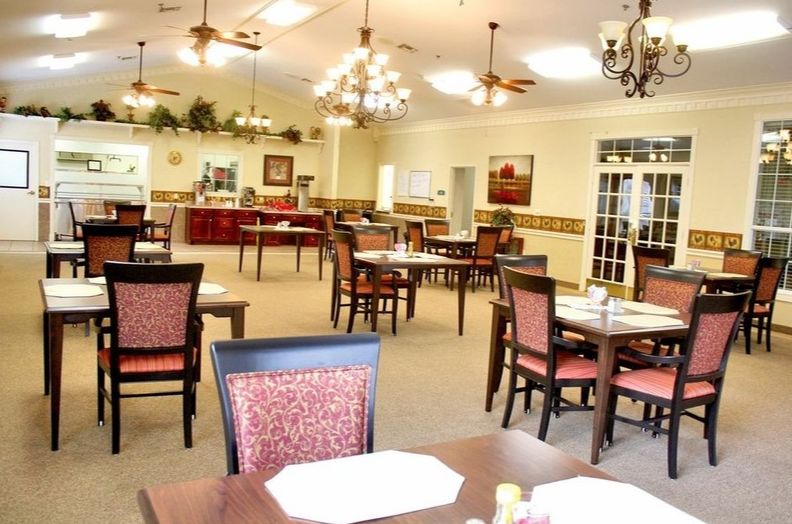
 Dining room
 Fitness room
 Fully furnished
 Gaming room
 Garden
 Ground floor units
 Handicap accessible
 Housekeeping services
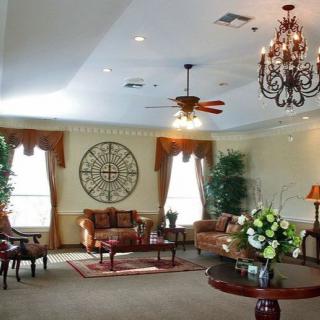
 Indoor common areas
 Kitchenette
 Move-in coordination
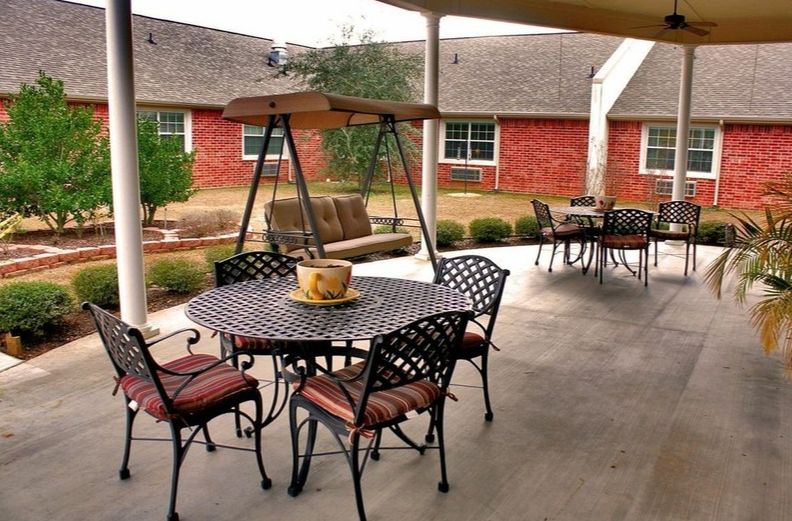
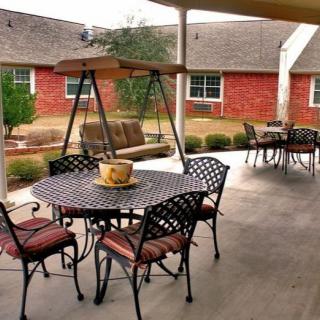
 Outdoor common areas
 Private bathrooms
 Restaurant-style dining
 Small library
 Telephone
 Wellness center
 Wheelchair accessible showers
 Wi-Fi/high-speed internet available
 Community operated transportation
 12-16 hour nursing
 24-hour call system
 Ambulatory care
 Assistance with bathing
 Assistance with dressing
 Assistance with transfers
 Diabetes diet
 Diabetic care
 Incontinence care
 Medication management
 Mental wellness program
 Special dietary restrictions
 Art classes
 Concierge services
 Cooking classes
 Day trips and outings
 Karaoke
 Live dance or theater performances
 Live musical performances
 Trivia games
 Wii bowling



 An In-Depth Look at Reminiscence Therapy in Dementia Care
 Dementia-Related Hallucinations: Causes, Experiences, and Practical Approaches
 Illuminating Insights About Alzheimer's Disease: Ten Crucial Realities