
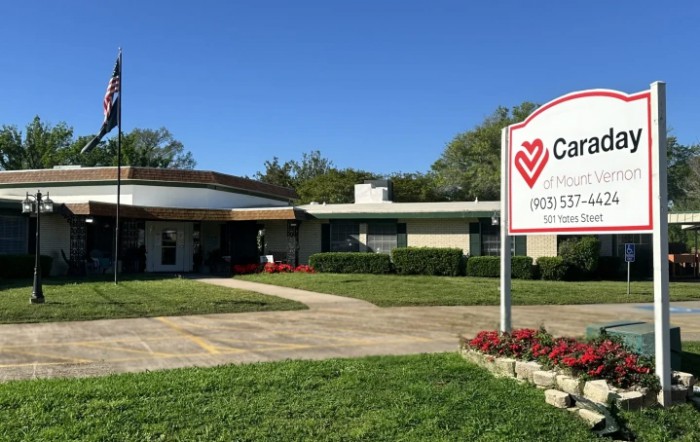


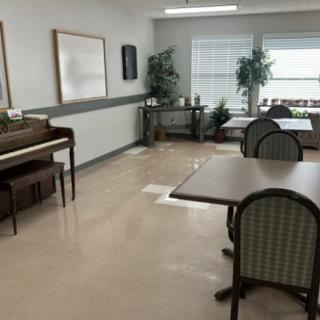
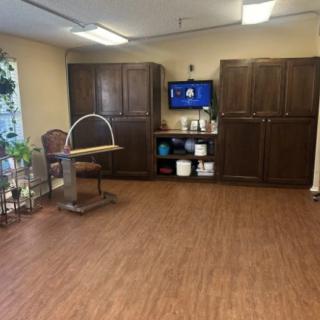
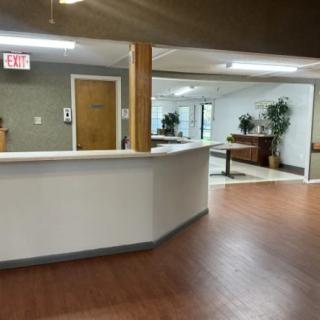
501 Yates St, Mount Vernon, TX 75457
To contact a resident: (903) 537-4424
For more information about senior living options: (866) 208-4318
Caraday of Mount Vernon Costs & Pricing
Caraday of Mount Vernon offers competitive pricing for its private room accommodations, with a monthly cost of $1,619. This aligns perfectly with the average costs in Franklin County, suggesting that residents are benefiting from a well-priced option within the local market. In contrast, the broader state averages reflect significantly higher expenses, with private rooms in Texas averaging around $4,096 per month. This positions Caraday of Mount Vernon as an attractive choice for those seeking quality care without the hefty price tag typically associated with assisted living facilities statewide. Overall, it represents a compelling value for families considering long-term care solutions in the area.
| Floor plans | Caraday of Mount Vernon | Franklin County | Texas |
|---|---|---|---|
| Private | $1,619 | $1,619 | $4,096 |
Overall Review of Caraday of Mount Vernon
Pros
 During a winter storm, residents were well provided for, with admins and nurses monitoring rooms and ensuring they were in good hands.
- The nurses were friendly and on their toes, with one saving a resident's life by getting them to the hospital in time.
- The staff are caring and long-tenured, and the facility is clean with friendly residents.
- A relative notes that the aunt has received around-the-clock care from kind and patient staff.
Review
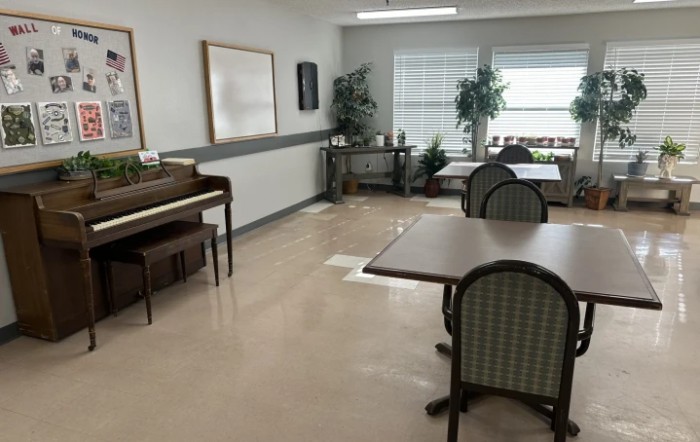
Caraday of Mount Vernon is best suited for seniors who require steady, hands-on care delivered by a stable, responsive staff, and for families who want concrete assurance that a facility can handle emergencies and maintain a calm, well-run environment. The reviews depict a setting where administrators and nursing staff are attentive, vigilant, and capable of rapid action when need arises. During a winter storm, residents were described as well provided for, with administration actively monitoring rooms and the care team staying on top of each resident’s condition. The impression is of a facility that prioritizes safety, order, and reliable supervision, rather than mere custodial hosting. For families, that translates into peace of mind around the clock, knowing that the care team is not only friendly but ready to respond decisively. The combination of a clean environment, visible staff longevity, and a culture of diligence makes this community a practical choice for residents with ongoing assistance needs and for relatives who want assurance that care won’t slip when weather or crises come into play.
Those who may want to consider alternatives are primarily families prioritizing independence, more extensive social programming, or specialized memory-care services, or who are evaluating options with more cost flexibility. The reviews do not highlight extensive activity rosters or memory-care specifics, and no financial details are provided. For individuals whose loved ones thrive on highly social programming, frequent out-of-facility activities, or who require a lower level of supervision, other communities could offer a different balance of freedom and stimulation. Similarly, if a memory-care unit or specialized dementia programming is a necessity, it would be prudent to compare offerings elsewhere. In short, Caraday of Mount Vernon excels in steady caregiving and reliable oversight, but those particular strengths may align less precisely with needs centered on autonomy, high-engagement programming, or specialized cognitive support.
The strongest positives center on care quality that translates into tangible, everyday security. The staff are described as friendly and on their toes, with longevity that suggests low turnover and a more cohesive caregiving team. The capacity to deliver around-the-clock care is underscored by a family member noting the ability to provide continuous attention to an aunt requiring prolonged support. Cleanliness and a sense of community among residents further reinforce the impression of a well-managed operation, where the environment itself supports well-being and reduces infection risk and confusion. Most compelling is the anecdote of a nurse who sprang into action to ensure timely medical intervention, a vivid indicator that the team does not hesitate when critical decisions are needed. Taken together, these factors create a compelling case that the core service, consistent, compassionate, vigilant care, delivers real value for families facing extended care needs.
Where cons typically appear, Caraday of Mount Vernon presents a scenario with limited, if any, negative fanfare in the reviews. The absence of highlighted drawbacks should be read as a signal that the facility generally meets or exceeds expectations on the dimensions that matter most to families: safety, staff competence, cleanliness, and resident dignity. The one clear takeaway is that the cost, breadth of social programming, and availability of memory-specific services cannot be inferred from the available testimonials. That means careful inquiry is required to confirm whether monthly rates align with the family’s budget and whether the plan includes sufficient activities, transportation options, and dementia-care supports if those are required. In practice, the strong caregiving core and the visible stability of staff help offset these unknowns, because reliable, capable hands reduce the risk of gaps in care should budgets tighten or schedules shift.
For families moving toward a decision, a practical path-forward is essential. First, verify the specific level of care included in the monthly plan and confirm the nurse-to-resident ratio during day and night shifts. Second, request a tour that coincides with routine routines, meals, med administration, and a typical activity hour, to observe how staff engage residents, how closely they monitor safety, and whether the environment feels calm or hectic. Third, probe memory-care capabilities if dementia or cognitive decline is a factor, and ask about staff training, alarm response times, and the availability of specialized programs. Fourth, talk to current families about transition experiences, waitlists, and any hidden costs or required deposits. Finally, compare Caraday of Mount Vernon with nearby options in terms of cost, medical support, and social programming to ensure the choice aligns with the loved one’s preferences and the family’s practical constraints. When these checks are complete, the recommendation becomes clear: this community is a strong, well-supported home for those who value dependable care, steady staff, and a respectful, orderly living environment.
 Skilled Nursing Facility



 Home Health Care Aides: Understanding Their Role and Supporting Your Family
 Urinary Tract Infections in Older Adults: Comprehensive Insights on Symptoms, Treatment, and Prevention
 California's Form 602A: An In-Depth Examination of Senior Care Assessment