
501 Yates Street, Mount Vernon, TX 75457
For more information about senior living options: (866) 208-4318
Overall Review of Willow Creek Healthcare Centre
Pros
 Willow Creek provides resort-grade care with genuine warmth and kindness from the staff.
- The nurses, CNAs, and all staff are exceptionally professional, warm, and keep a good sense of humor.
- The leadership and staff’s gentleness and dedication feel almost angelic to families.
- The staff help fulfill loved ones’ last wishes and set families up for success.
- Willow Creek made the transition from assisted living to skilled nursing easy and less painful.
- The facility is described as COVID-free and well-run in terms of safety and care.
- The staff take the family’s stress away and ensure loved ones are well looked after.
- The events and activities organized by the staff (including by Michael Herrera) are greatly appreciated and engaging.
Cons
 The front desk nurse stayed on the phone instead of helping.
- CNAs seemed indifferent and unhelpful toward residents.
- The Arlington facility was grimy and dirty, with prison-like food, and the staff seemed to hate their jobs.
- Only two or three aides worked there; the rest were agency workers who didn’t care about residents.
- The facility was bringing in positive COVID-19 patients to make money, with many residents infected and some deaths.
- The family was not notified when their loved one was hospitalized, nor told which hospital or why.
- The death might have been avoidable if the patient had been taken to the hospital sooner.
Review
Willow Creek Healthcare Centre in Mount Vernon, TX is best suited for families seeking a small-town, relationship-focused skilled nursing and post-acute rehab option where staff warmth and steady leadership are the primary drivers of daily care. It appeals to those who want a homey, engaging environment for an elder loved one who needs ongoing nursing oversight, rehab after hospitalization, or a transition from assisted living into more skilled care. For families who prize personal attention, easy transfer experiences, and a visible, hands-on administrative presence, Willow Creek offers a compelling combination of compassion and practicality.
Those weighing alternatives should be mindful of expectations around operations and consistency. Several reviews raise concerns about communication lapses and the reliability of notifications during emergencies, suggesting that in a crisis the pace and clarity of updates may not always meet every family’s standard. Others question staffing stability and the reliance on agency aides, implying that a resident may encounter variability in day-to-day attention. For families with tightly monitored care plans, a high bar for hospital coordination, or the need for a perfectly error-free information flow, alternative facilities with more centralized oversight could feel less risky.
On the upside, the strongest and most repeatable pros center on genuine care from leadership and front-line staff. Families repeatedly describe staff as gentle, professional, and genuinely fond of residents, creating a sense that care is more than a job and that residents are treated with kindness and respect. The leadership team is cited as capable and reassuring, with administrators who take ownership of transitions and daily routines. This combination often translates into smoother admissions, more personalized attention, and a staff culture that residents and families perceive as trustworthy and approachable.
The main drawbacks noted in the reviews cluster around communication and consistency in staffing. While many caregivers are praised for attunement and warmth, concerns linger about who handles urgent updates, how quickly families are notified of changes, and whether every shift maintains the same level of attentiveness. One reviewer’s harsh critique about staffing and a separate claim about incentives around outbreaks underscores a tension between stories of high personal touch and fears of systemic gaps. Taken together, these contrasts counsel a cautious buyer to probe specifically for current nurse-to-resident ratios, fixed caregiving teams, and the facility’s exact protocol for family notifications.
From a decision-making standpoint, Willow Creek’s strengths, compassionate care, responsive leadership, and proven success in transitions, can decisively offset its potential drawbacks for many families. The center’s ability to support post-acute rehab, coordinate quick admissions, and keep families connected through proactive staff engagement makes it a strong option for residents who value relational quality over clinical absolutism. The facility also earns praise for community-building efforts, activities, and events that help residents feel connected and valued, a factor that matters deeply for long-term well-being and peace of mind for relatives who cannot visit daily.
The practical next steps are straightforward. Schedule a thorough on-site tour and insist on meeting the key caregivers who will be part of daily life for a loved one. Ask for a current care plan detailing nurse and aide assignments, and request explicit, written expectations for hospital notifications, urgent communications, and updates to family members. Talk with the administrator, Diane Newsom, and the marketing/engagement team member Michael Herrera about transitions, discharge planning, and how the center handles care coordination with outside hospitals. If a warm, resident-centered atmosphere paired with responsive leadership aligns with the family’s priorities, Willow Creek stands out as a credible, capable choice, provided these specific operational questions are addressed upfront.
 101 resident community capacity
 Skilled Nursing Facility
 Air-conditioning
 Beauty salon
 Cable or satellite TV
 Computer center
 Dining room
 Fitness room
 Fully furnished
 Gaming room
 Garden
 Housekeeping services
 Kitchenette
 Move-in coordination
 Outdoor space
 Private bathrooms
 Restaurant-style dining
 Small library
 Telephone
 Wellness center
 Wi-Fi/high-speed internet available
 Community operated transportation
 12-16 hour nursing
 24-hour call system
 Activities of daily living assistance
 Assistance with bathing
 Assistance with dressing
 Assistance with transfers
 Diabetes diet
 Medication management
 Mental wellness program
 Special dietary restrictions
 Concierge services
 Planned day trips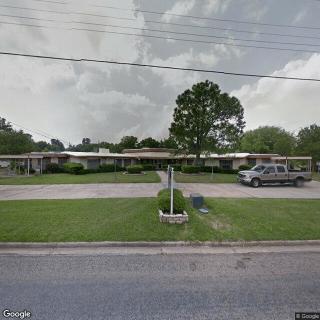





 Financing Long-Term Nursing Home Care Through Social Security: A Thorough Exploration
 Essential Knowledge on Pneumonia in Older Adults
 Exploring Palliative Care in the Home: A Comprehensive Overview