









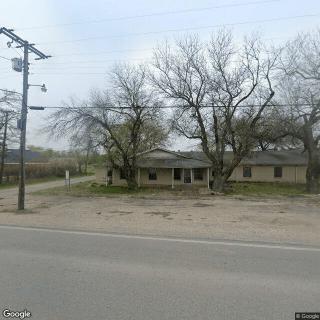
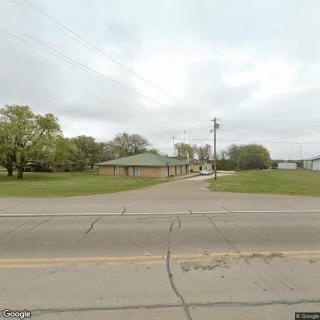
414 Johnson Dr, Mc Gregor, TX 76657
To contact a resident: (254) 840-3281
For more information about senior living options: (866) 208-4318
Overall Review of Westview Manor
Pros
 It provides enclosed memory-care areas for residents who need extra safety.
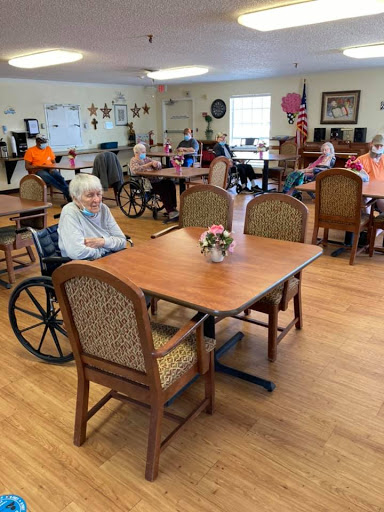
- The dining area is good, and the dining room is nice.
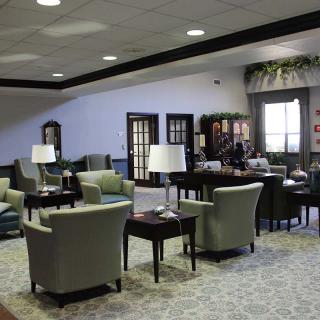
- The facility is always clean and well-maintained.
- It has an enclosed outdoor courtyard and offers a wide range of activities, including live bands and singing.
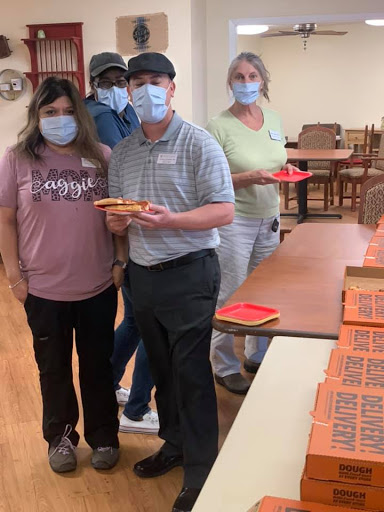
- The staff includes many kind, helpful employees, with several standout team members.
- The administrators are wonderful.
Cons
 Some employees hardly talk to residents.
- The food is horrible.
- The room is horrible because it’s too small.
- They need to hire quality help and pay them to feed residents right and cook food that they can actually eat.
- They would not recommend Westview Manor.
- The staff needs some work.
Review
Westview Manor in Mc Gregor, TX is best suited for families seeking a dementia-focused community with secure, built‑in protection for memory-impaired residents and a calendar rich in social activity. The standout feature is the locked or restricted areas that allow a loved one with memory challenges to roam safely, while still participating in a lively campus atmosphere. The setting emphasizes engagement, open dining spaces, an enclosed outdoor courtyard, and frequent events like bands and games, creating a daytime rhythm that many families find reassuring. For residents whose needs center on safety and structured enrichment rather than luxury accommodations, this community presents a practical, no-fruss option.
Those considering alternatives should note who may not be a fit. If dependable, consistently high-quality meals and uniformly attentive staff across shifts are non-negotiables, Westview Manor may fall short. Some staff are described as genuinely kind, but others can be quiet or uncommunicative, which can erode trust for families who rely on clear daytime and evening communication. The dining program also receives mixed reviews: the dining room setup is appealing, yet the food quality is repeatedly described as “not good” or inadequate for varied diets. In short, for families seeking culinary excellence, deeply consistent front-line care, and a stable leadership presence, other options may be preferable.
The strongest positives, the secured memory-care features, the clean, inviting public areas, and a packed activity schedule, do offset several drawbacks, but only to a point. The secure areas address a core safety concern for memory-care residents, and the on-site activities provide meaningful structure that helps residents stay engaged and socially connected. The open, communal dining arrangement supports interaction and normalcy during meals, which matters for mood and quality of life. When these benefits align with a resident’s temperament and care priorities, the overall experience can feel stable and reassuring despite other imperfections.
On the flip side, the main drawbacks temper the overall value proposition. Rooms are described as small or average, which can be limiting for longer stays or couples who want to share a living space. Staffing quality appears uneven, with some caregivers attentive and others less communicative, producing inconsistent experiences for families who gauge care quality by day-to-day interactions. Cuisine, a recurring concern, undermines satisfaction even when the dining environment is pleasant. Administrative leadership has shown volatility, one review highlighted strong leadership under a former head, while another implied disappointing outcomes after leadership changes, which raises questions about continuity and policy consistency over time.
For families making a decision, a targeted due-diligence approach is essential. Verify who is currently in charge and how long they’ve been in place, and ask to speak with front-line staff about daily routines, response times, and meal planning. Schedule visits during active programming to observe resident engagement and staff participation firsthand, and request a meal to assess whether the kitchen is meeting dietary needs and taste expectations. Probe the memory-care wing for safety features, staffing ratios, and the flexibility to adapt activities to individual residents’ interests and abilities. These steps will illuminate whether Westview Manor’s strengths align with what matters most for the specific loved one.
Bottom line: Westview Manor offers a practical, activity-rich option for memory-care-focused care, where safety and social engagement take priority. It is not the best choice for families who demand pristine private rooms, consistently high-calorie meals prepared to exacting standards, and unwavering administrative stability. For those who value a secure environment, a robust calendar of activities, and a welcoming dining vibe, Westview Manor delivers tangible benefits. Families weighing alternatives should contrast dining quality, room size, staffing consistency, and leadership continuity to determine whether this community fits their specific care priorities and expectations.
 Skilled Nursing Facility
 Waco Regional (17 miles away)





 Managing Nursing Home Expenses After Medicare Coverage Ends
 Is a Geriatric Care Manager the Right Choice for Your Family?
 Compassionate Conversations: How to Comfort Someone Who Is Grieving