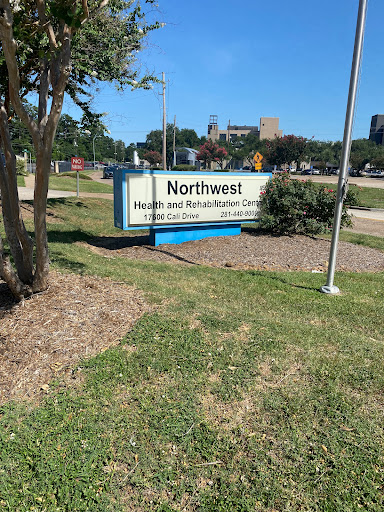





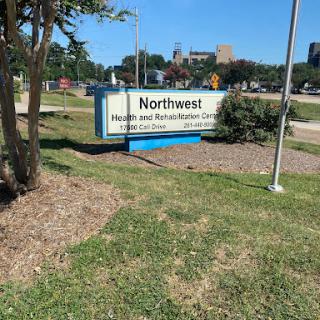
17600 Cali Drive, Houston, TX 77090
For more information about senior living options: (866) 208-4318
Overall Review of Northwest Health And Rehabilitation Center
Pros
 The therapy team is fantastic.
- The facility is a great place for a loved one’s rehab stay.
- Megyn, the director, took control and delivered a wonderful experience.
- A lot of good and caring staff can be found there.
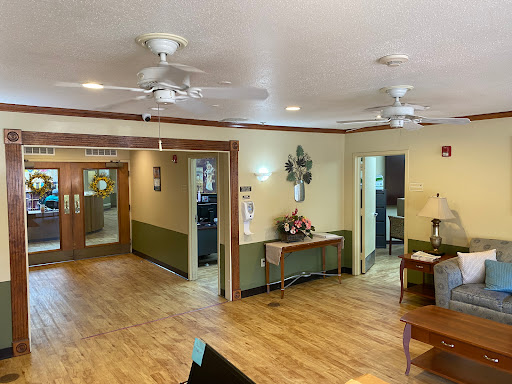
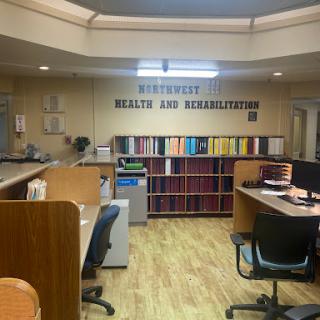
- The facility is clean.
- A friend has had a good experience there.
- The staff is very attentive and compassionate.
- LaDonna is an amazing leader who cares for her staff and residents.
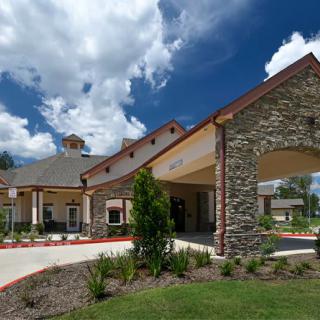
- The place is loved for its scenery, staff, and orderly structure.
- The management team provides great experiences.
Cons
 The facility is filthy and poorly maintained; rooms smell of urine and baseboards, corners, and surfaces are dirty.
- CNAs are understaffed and underpaid, leading to neglected residents and insufficient care.
- Basic comforts are missing, with no bed rails, limited or lost linens, no call buttons, and irregular showers.
- Staff responses to resident needs are slow or absent, and timely pain relief or medications are often not provided.
- Management is rude, condescending, and unresponsive, creating a hostile environment.
- The building is outdated with deplorable decor, and restrooms resemble a gas station; overall cleanliness is poor.
- There are roaches and signs of neglect, with skin breakdowns and falls frequently hidden rather than addressed.
- Families report serious incidents or near-death experiences due to neglect and lack of communication.
Review
Northwest Health And Rehabilitation Center is best suited for families prioritizing a strong rehab trajectory. The standout asset is the therapy team, which is repeatedly described as capable and engaged, capable of driving meaningful recovery during post-acute stays. For a loved one who needs focused physical and occupational therapy to regain function after surgery or a serious illness, this facility can deliver tangible progress. When the goal is rehabilitation progress and a structured therapy environment, Northwest often rises to the occasion, supported by care staff who, in some shifts, are attentive and compassionate.
That clarity about rehab focus also makes clear who should consider alternatives. For long-term custodial care or residents who require reliably pristine daily living conditions, the facility’s mixed track record on cleanliness, supplies, and consistent nursing attention raises red flags. Families who insist on consistently clean rooms, timely medication administration, reliable call responsiveness, and transparent, proactive communication with families may find better alignment elsewhere. In short, if daily safety, housekeeping, and steady 24/7 nursing presence are non-negotiable, NW might not be the best fit.
The positive side of the equation is undeniable when therapy and frontline compassion come together. Several reviews emphasize a capable physical therapy team and a caring staff culture, with some administrators and DONs singled out for leadership that genuinely supports residents and their families. In practice, residents benefit when therapy sessions are structured and consistently delivered, and when a warm, approachable team is present at the bedside. These core strengths can meaningfully offset occasional friction in other areas, creating a path to mobility gains that families value highly during a rehab stay.
Yet the most consequential drawbacks cannot be dismissed lightly. Reports of understaffing among CNAs, delayed or inconsistent assistance, and gaps in daily care erode confidence quickly. Instances cited include missing or delayed basic needs, insufficient linens and supplies, and inconsistent routines that leave sick or frail residents uncomfortable. Communication lapses, especially around medical changes or ambulance involvement, and concerns about cleanliness and upkeep compound the risk profile for a facility housing recoveries from significant health events. In effect, the therapy wins can be overshadowed if basic day-to-day safety and hygiene are compromised.
Practical decision-making should center on verification and close observation. Prospective families should request current staffing patterns, a transparent care plan, and an opportunity to meet the director of nursing and front-line supervisors. It’s essential to walk the unit at different times, test the call system, and confirm that essential supplies, linens, bathing supplies, and personal items, are readily available. Ask how pain management and medication administration are coordinated, and insist on a concrete plan for weekend coverage, showers, and consistent routines. If possible, arrange to observe therapy sessions and speak with a few frontline caregivers about their workload and support.
Ultimately, Northwest Health and Rehabilitation Center demands a candid trade-off. It can deliver robust rehab outcomes and a warm, attentive therapy environment for the right resident, especially when a parent or spouse can participate in care planning and oversight. However, families must be prepared for variability in day-to-day care quality, potential cleanliness concerns, and staffing gaps that can undermine safety and comfort. If these risk factors are unacceptable or unmanageable, exploring other Houston-area options with stronger nurse staffing, stricter cleanliness records, and more consistent family communication is prudent. The best choice hinges on whether rehab progress and a responsive therapy team outweigh the facility’s recurring challenges in daily operations.
 148 resident community capacity
 Skilled Nursing Facility
 Air-conditioning
 Beauty salon
 Cable or satellite TV
 Computer center
 Dining room
 Fitness room
 Fully furnished
 Gaming room
 Garden
 Housekeeping services
 Kitchenette
 Move-in coordination
 Outdoor space
 Private bathrooms
 Restaurant-style dining
 Small library
 Telephone
 Wellness center
 Wi-Fi/high-speed internet available
 George Bush Intercontinental (7 miles away)
 Community operated transportation
 12-16 hour nursing
 24-hour call system
 Activities of daily living assistance
 Assistance with bathing
 Assistance with dressing
 Assistance with transfers
 Diabetes diet
 Medication management
 Mental wellness program
 Special dietary restrictions
 Concierge services
 Planned day trips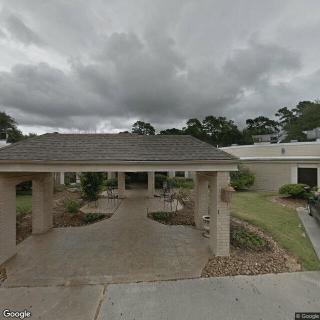



 Skilled Nursing Facilities vs. Nursing Homes: Making Sense of the Differences
 A Detailed Examination of Nursing Home Costs Across the U.S.
 Exploring Nonmedical Home Care: Understanding Services, Costs, and Financial Approaches