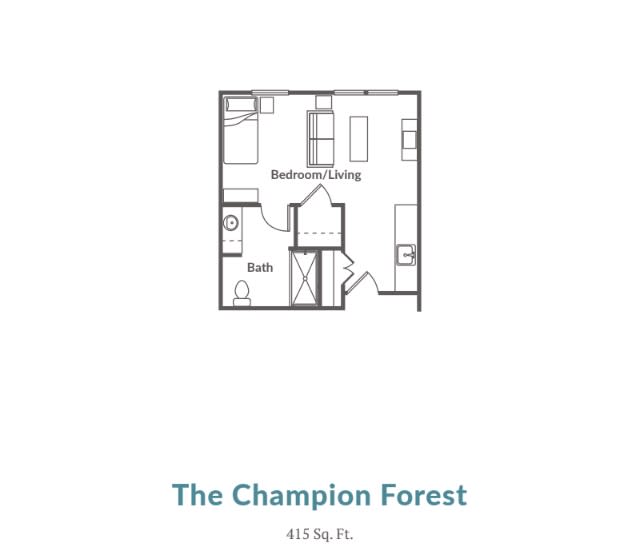
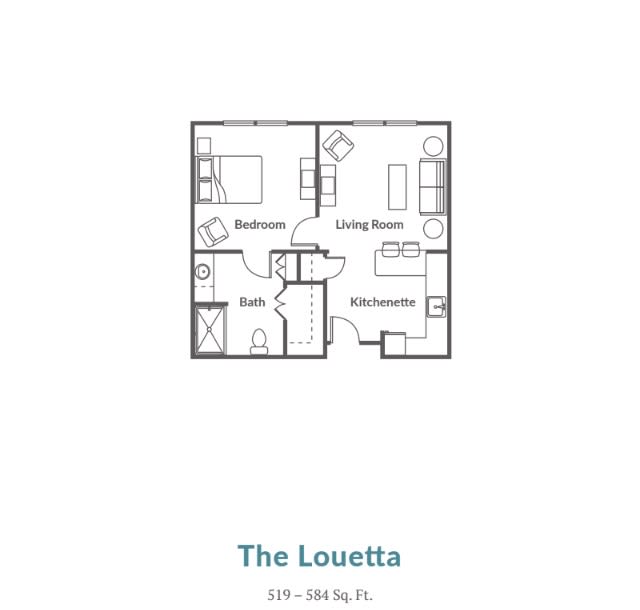
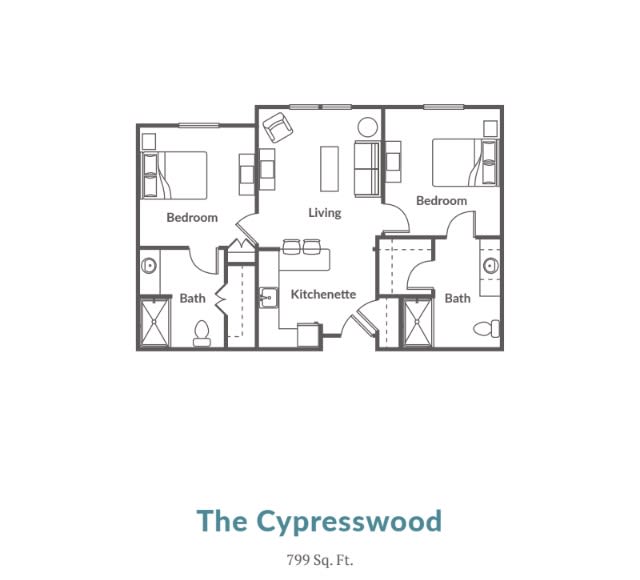
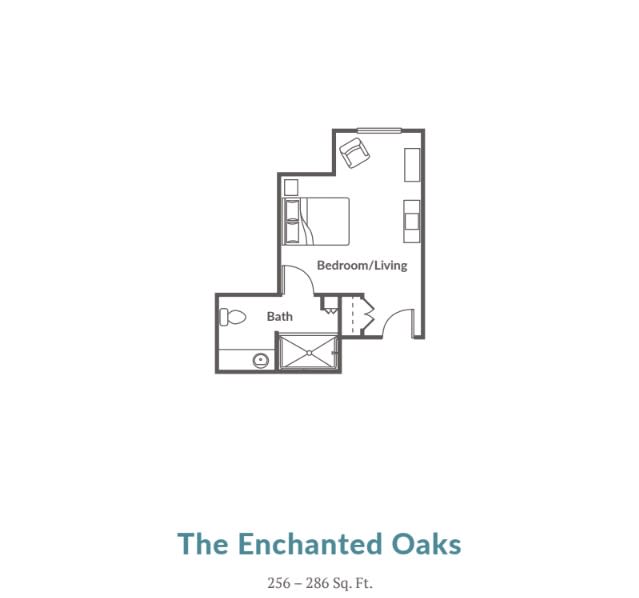
At Spring Creek Village, the monthly costs for various room types reflect a nuanced positioning within the broader market of Harris County and Texas. For instance, the studio option is priced at $4,095, which is slightly above the county average of $4,021 but notably higher than the state average of $3,758. Similarly, the one-bedroom unit at Spring Creek Village commands $4,395, again exceeding both the county ($4,027) and state ($3,761) averages. The two-bedroom accommodations demonstrate a more pronounced disparity with a cost of $5,895 compared to Harris County's average of $4,574 and Texas' average of $4,215. These figures indicate that while Spring Creek Village offers quality amenities and services that may justify its pricing structure, it positions itself as a more premium option in comparison to many other facilities in the region.
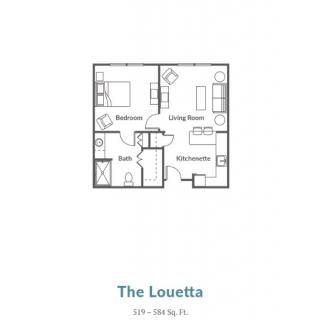
Floor plans
Spring Creek Village
Harris County
Texas
Studio
$4,095
$4,021
$3,758
1 Bedroom
$4,395
$4,027
$3,761
2 Bedrooms
$5,895
$4,574
$4,215
Memory care communities with a similar price nearby
Residents and families repeatedly describe staff who are caring and responsive to needs.
Across many reviews, families say staff treat residents with kindness and work to make them feel welcomed and safe. Multiple reviewers also mention communication and follow-up, including getting updates and responding to questions or call buttons in a timely way. Even when reviews include complaints, they often acknowledge some staff members are genuinely kind and attentive.
common27 reviews mention this
Facility cleanliness stands out
Several reviewers highlight the community as clean, well kept, and well maintained.
Many residents and families describe the building as immaculate or spotless and say it feels comfortable and pleasant. Reviewers also reference well-maintained common areas and rooms that look clean and in good condition. A few negative reviews dispute cleanliness or point to housekeeping and laundry concerns, but cleanliness is still a frequent positive theme.
common33 reviews mention this
Activities keep people engaged
Residents repeatedly get a steady stream of activities and outings.
Reviewers describe residents staying engaged with scheduled programming, including group activities and events that bring people together. Several mention specific engagement for memory care, where they say loved ones are not just sitting in rooms. The community’s activity offerings also include fitness, arts and crafts, devotional or religious programming, and planned outings that align with what families say they observe day to day.
common24 reviews mention this
Dining is often a bright spot
Food quality and dining experience receive frequent positive mentions.
Many reviews say the food is good, with some describing dining as pleasant and restaurant-like rather than institutional. Several families also mention enough variety and support around dietary needs, including how meals are handled for special diets. There are also a few complaints about boring meals or below-average food, so dining quality does not land perfectly with every reviewer.
differentiator18 reviews mention this
Memory care programming is a focus
Memory care reviews point to structured programming and dedicated leadership.
Families who mention memory care commonly describe a team that takes dementia seriously and works to keep residents engaged and supported. Multiple reviews call out specific memory care leadership and programs, and others describe staff who communicate updates and treat residents with dignity. This aligns with the community offering specialized memory care programming and dedicated activities built for residents’ needs.
caveat17 reviews mention this
Care consistency and staffing are concerns
Some reviewers report problems with staffing levels, follow-through, or oversight.
While many reviews are positive, several describe inconsistent service—especially around night coverage, medication handling, housekeeping, and responsiveness when help is needed. A smaller number of reviews also mention staffing shortages or turnover, with families urging others to be proactive and advocate for their loved ones. These concerns often center on whether promises made during the move-in or care planning are consistently delivered afterward.
How we summarize
Counts show how many written reviews mention each theme; a review can touch several themes, and only frequently mentioned themes are displayed.
Features
Housing
128 resident community capacity
1-bedroom apartments
2-bedroom apartments
Studio apartments
Types of Care
Assisted Living
Memory Care
Respite Care
Pets
Cats allowed
Dogs allowed
Amenities
Activities off-site
Activities on-site
Air-conditioning
Beautician on-site
Beauty salon
Cable or satellite TV
Computer center
Devotional services off-site
Devotional services on-site
Dining room
Financing advice
Fitness room
Fully furnished
Gaming room
Garden
Garden view
General store
Ground floor units
Guasts at mealtime
Guest parking
Handicap accessible
Home sale assistance
Housekeeping services
Indoor common areas
Kitchenette
Laundry
Move-in coordination
Outdoor common areas
Outdoor space
Overnight guests
Party space
Private bathrooms
Private cleaning services
Resident parking
Respite or short term stays offered
Restaurant-style dining
Small library
Spa
TV room
Telephone
VA Benefits Consultation
Wellness center
Wheelchair accessible showers
Wi-Fi/high-speed internet available
Transportation
George Bush Intercontinental (8 miles away)
Community operated transportation
Transportation & parking
Transportation arrangement
Transportation arrangement (non-medical)
Transportation to doctors appointments
Care Services
12-16 hour nursing
24-hour call system
24-hour supervision
Activities of daily living assistance
Ambulatory care
Assistance with bathing
Assistance with dressing
Assistance with transfers
Diabetes diet
Diabetic care
High acuity care
Hospice care
Incontinence care
Meal preparation and service
Medication management
Mental wellness program
Mild cognitive impairment
Physical therapy
Special dietary restrictions
Specialized memory care programming
Walking wheelchair assistance
Dining
Diabetes diet
Gluten-free
Guest meals
Low / no sodium
Meals provided
No Sugar
Professional chef
Restaurant style dining
Room service
Special dietary restrictions
Special dining programs
Vegan
Activities
Activities off-site
Art classes
Arts and crafts
Bible study group
Book club
Catholic services
Community-sponsored activities
Concierge services
Cooking classes
Cooking club
Day trips and outings
Devotional activities offsite
Devotional activities on-site
Educational speakers / life long learning
Fitness programs
Games
Karaoke
Live musical performances
Live well programs
Planned day trips
Protestant services
Religious services
Resident-run activities
Scheduled daily activities
Stories
Visiting chaplain or priest
Wii bowling
Yoga / chair yoga
Languages Spoken
English
Nearby Places of Interest
This part of Spring, Texas offers convenient access to essential services such as pharmacies, restaurants, transportation options, hospitals, cafes, parks, physicians, theaters, and places of worship. With multiple pharmacies nearby including Walgreens and CVS Pharmacy within a few miles radius, seniors can easily access their medications. There are a variety of dining options ranging from Mexican cuisine at Gringo's Mexican Kitchen to fast food at Chick-Fil-A, catering to different tastes. The proximity to hospitals like Houston Northwest Medical Center ensures quick medical attention if needed. Additionally, the presence of parks like Ponderosa Park and Mercer Arboretum provide seniors with opportunities for outdoor recreational activities. Nearby physicians specialize in orthopedic care, pediatrics, dermatology, cardiology, and more for comprehensive healthcare needs. Overall, this area offers a blend of convenience and amenities suitable for senior living in Spring, Texas.
Pharmacies
Walgreens (0.7 miles)
Walgreens (0.7 miles)
CVS Pharmacy (2.2 miles)
CVS Pharmacy (2.3 miles)
CVS Pharmacy (2.5 miles)
Walgreens (3.2 miles)
CVS Pharmacy (3.2 miles)
Restaurants
Gringo's Mexican Kitchen (1.1 miles)
Chick-Fil-A (1.6 miles)
Star Cinema Grill (2.6 miles)
Chick-Fil-A (2.9 miles)
The Republic Grille (4.5 miles)
Raising Cane's Chicken Fingers (4.6 miles)
Chick-Fil-A (4.6 miles)
Transportation
Union Pacific Railroad Co. (2.5 miles)
Hertz Rent A Car (5.6 miles)
Runway 15L/33R (7.1 miles)
CLEAR Terminal A (7.4 miles)
Terminal A (7.5 miles)
American Airlines Admirals Club (7.5 miles)
Terminal B Parking Shuttle (7.6 miles)
Hospitals
Houston Northwest Medical Center (2.8 miles)
Memorial Hermann Healthcare System (7.9 miles)
Cafes
Starbucks (3.1 miles)
Starbucks (4.6 miles)
Third Gen Coffee (4.7 miles)
Starbucks (4.8 miles)
Starbucks (7.7 miles)
Olio (7.7 miles)
Parks
Ponderosa Park (3.2 miles)
Mercer Arboretum and Botanic Gardens (3.9 miles)
MapleWood Park (5.4 miles)
Oakwood Glen Park and Jogging Track (5.5 miles)
Waterway Square (6.9 miles)
Northshore Park (7.8 miles)
Tupelo Park, Creekside Village (8 miles)
Physicians
Sterling Ridge Orthopaedics & Sports Medicine (4.3 miles)
Texas Children's Pediatrics Rayford (4.7 miles)
Allergy, Asthma and Immunology Care Center (4.7 miles)
Advanced Cardiovascular Care Center (4.8 miles)
Spring Dermatology (4.8 miles)
Memorial Hermann Medical Group Benders Landing (5.4 miles)
At Spring Creek Village, the monthly costs for various room types reflect a nuanced positioning within the broader market of Harris County and Texas. For instance, the studio option is priced at $4,095, which is slightly above the county average of $4,021 but notably higher than the state average of $3,758. Similarly, the one-bedroom unit at Spring Creek Village commands $4,395, again exceeding both the county ($4,027) and state ($3,761) averages. The two-bedroom accommodations demonstrate a more pronounced disparity with a cost of $5,895 compared to Harris County's average of $4,574 and Texas' average of $4,215. These figures indicate that while Spring Creek Village offers quality amenities and services that may justify its pricing structure, it positions itself as a more premium option in comparison to many other facilities in the region.
Spring Creek Village's comprehensive features are designed to create a supportive environment for residents with dementia or Alzheimer's disease, facilitating their daily needs and enhancing their quality of life. The 24-hour supervision ensures that residents receive constant care and immediate assistance in case of emergencies, which is crucial for safety. Activities of daily living assistance, including help with bathing, dressing, and transfers, promote dignity while addressing the challenges faced by those with cognitive impairments. Incontinence care offers additional comfort and reassurance to both residents and their families. Meal preparation and service cater to nutritional needs tailored specifically for individuals with memory issues, while medication management ensures adherence to prescribed treatments. Engaging mental wellness programs and specialized memory care programming provide cognitive stimulation that can slow the progression of symptoms associated with mild cognitive impairment. Furthermore, physical therapy sessions contribute not only to physical health but also to overall well-being, fostering a sense of accomplishment and independence among residents. Together, these features create a holistic approach that addresses the multifaceted needs of individuals living with dementia or Alzheimer's disease.
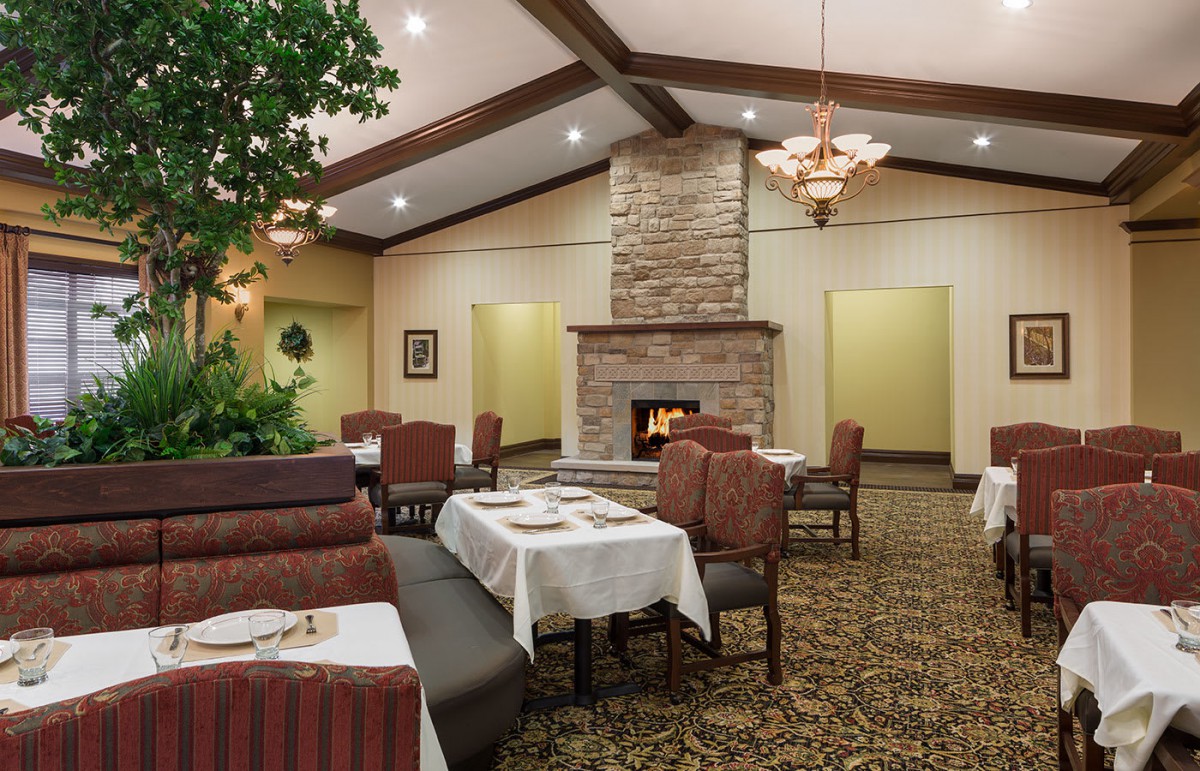
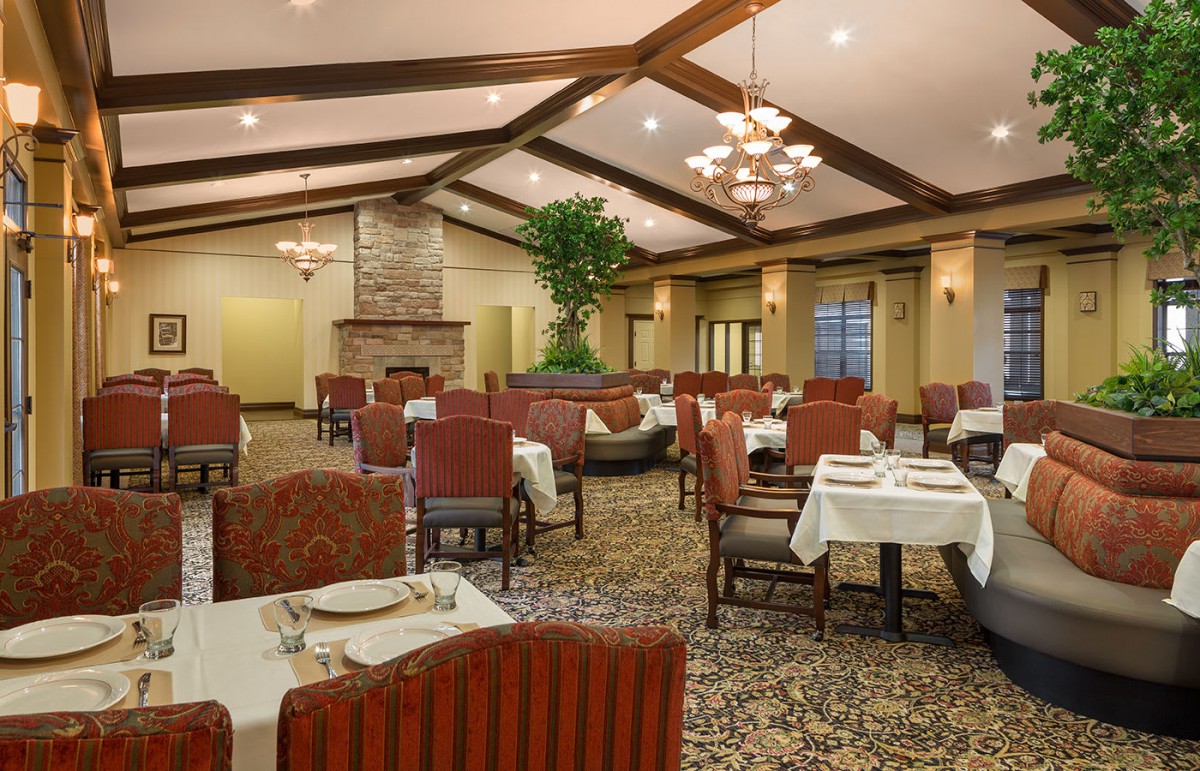
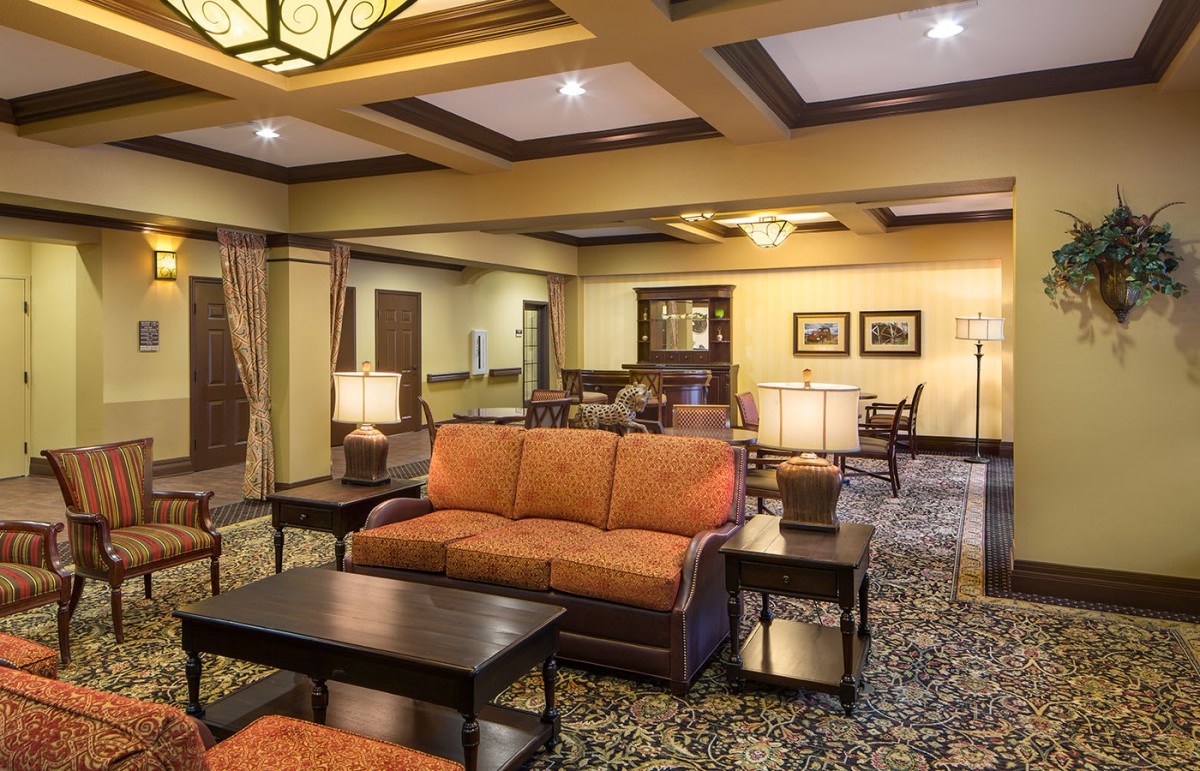
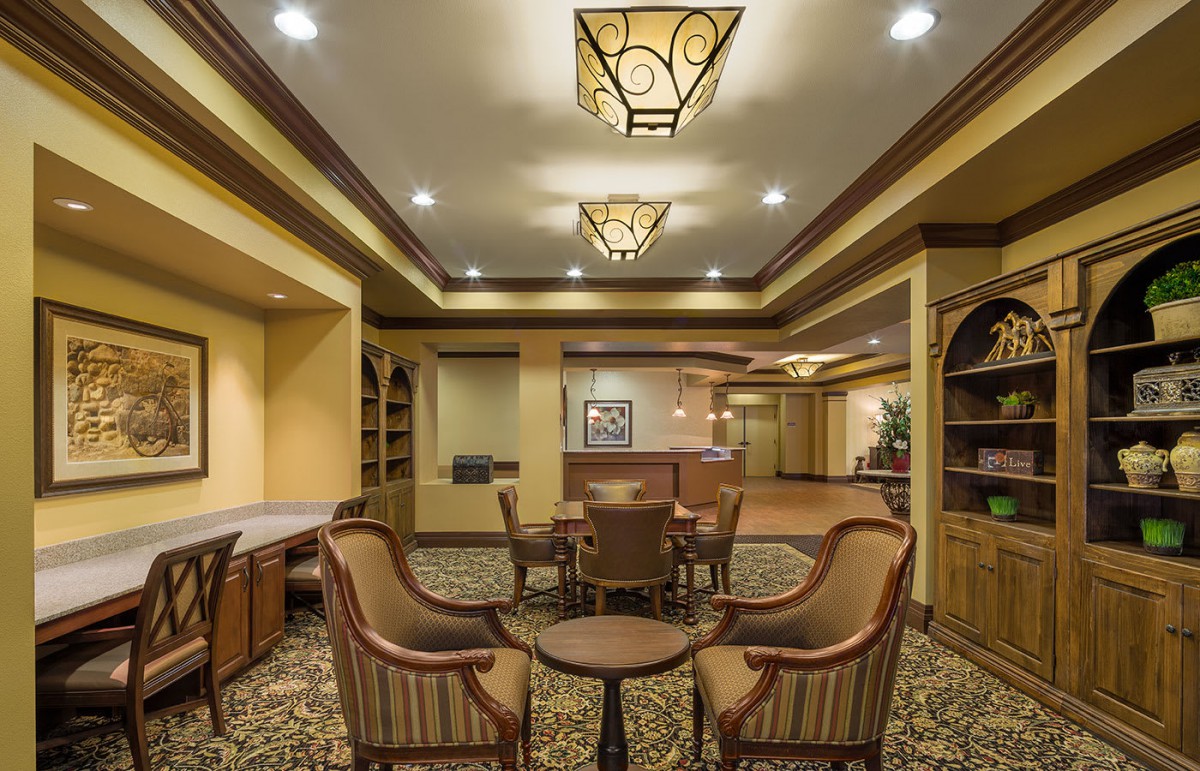
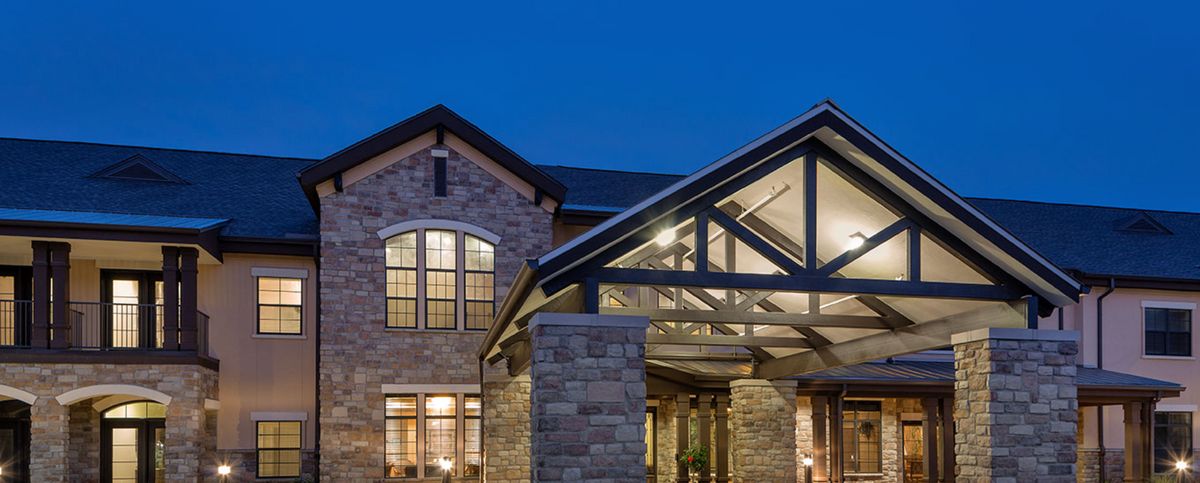
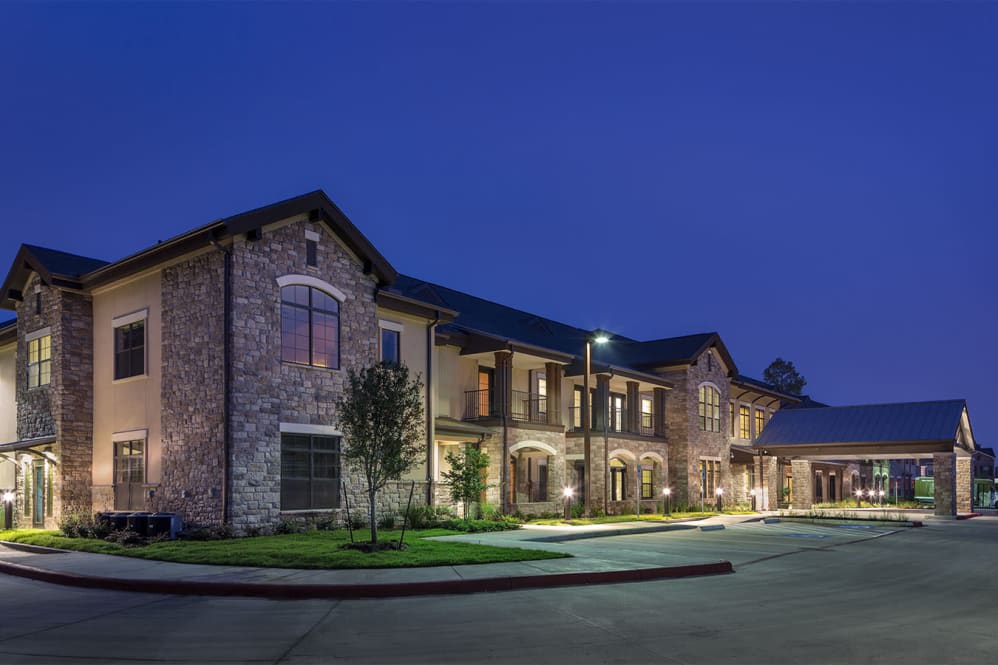
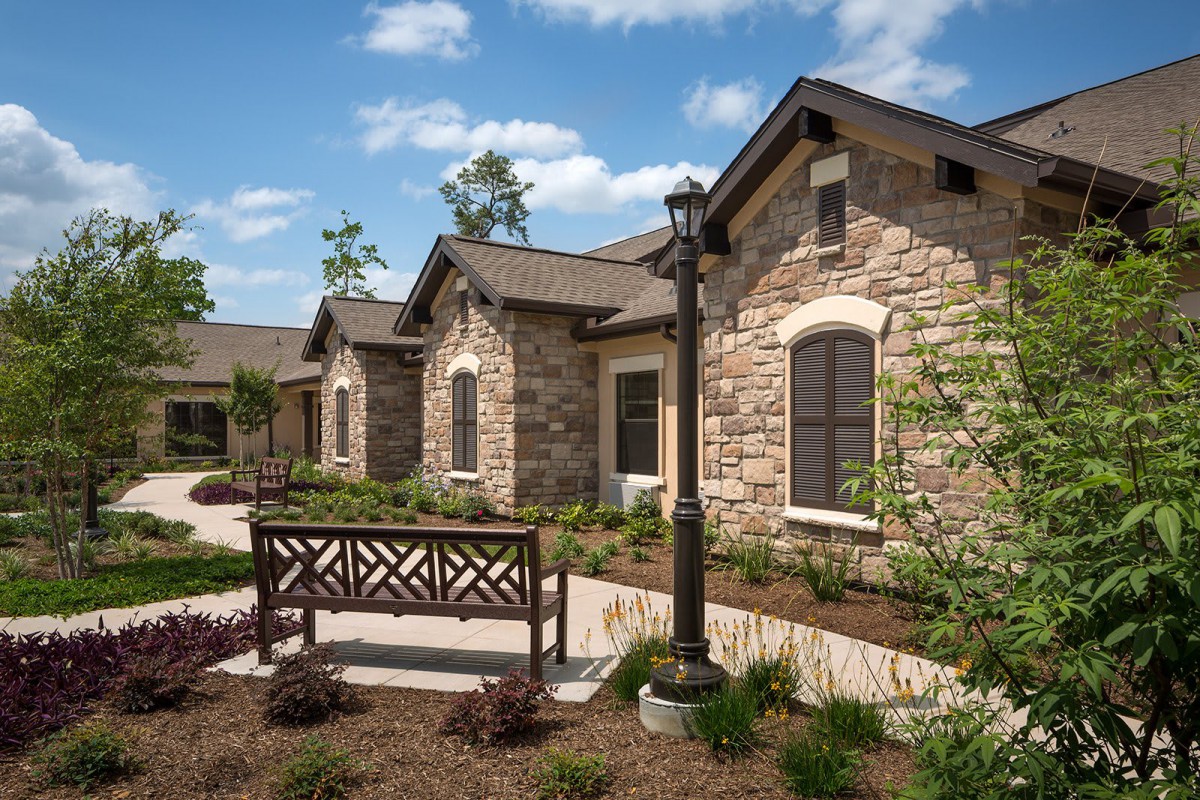
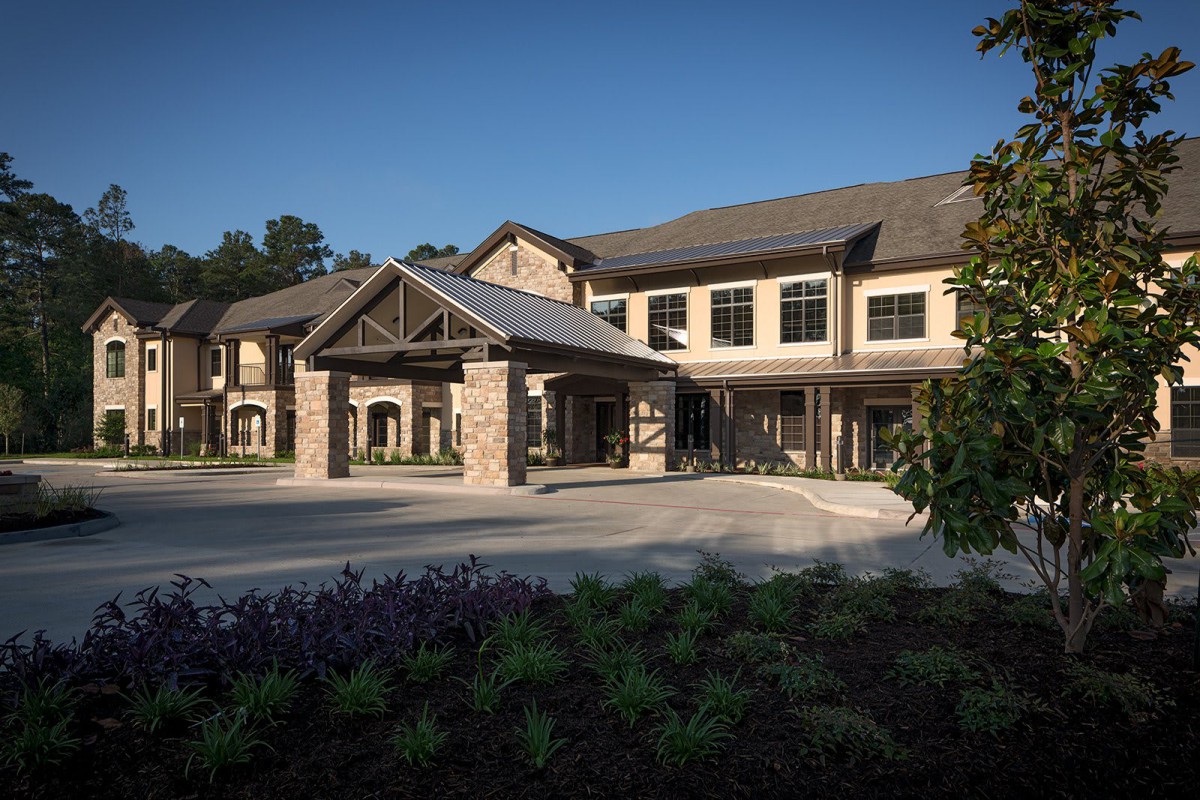
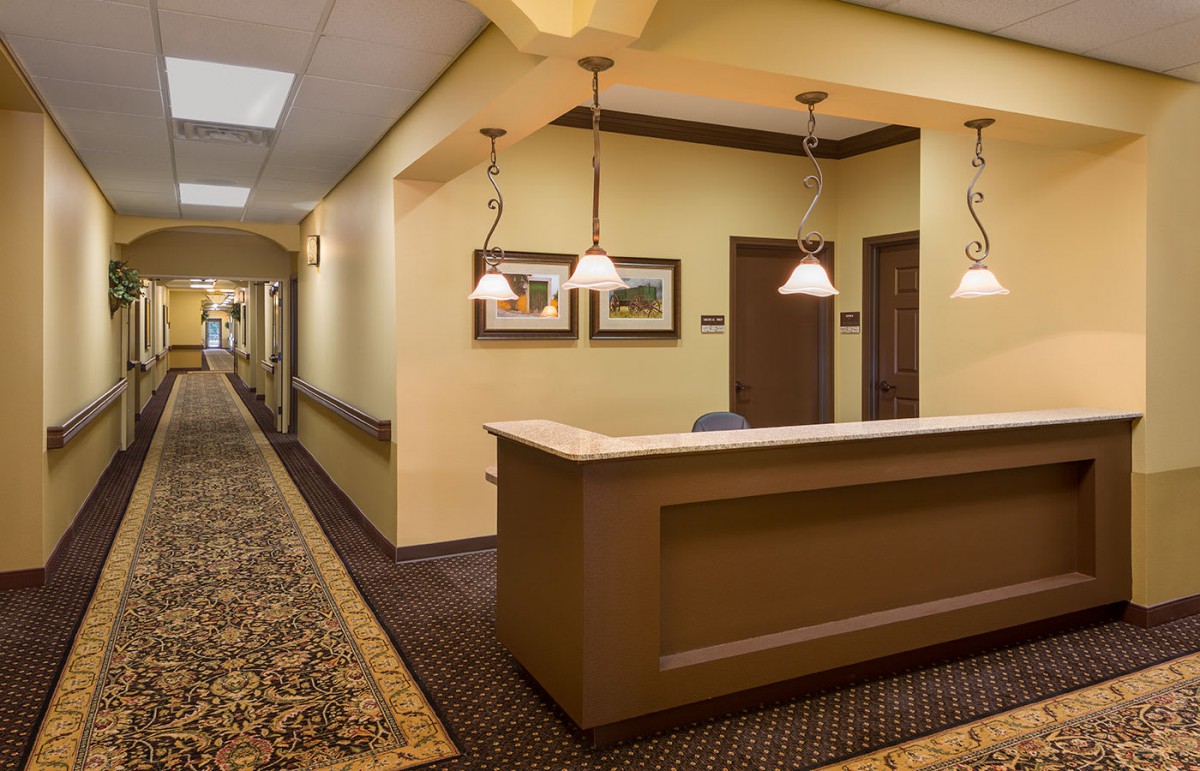
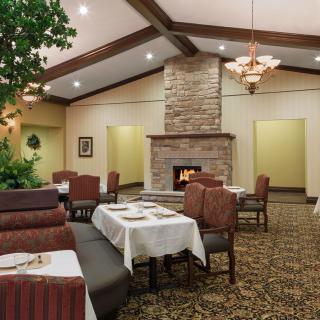
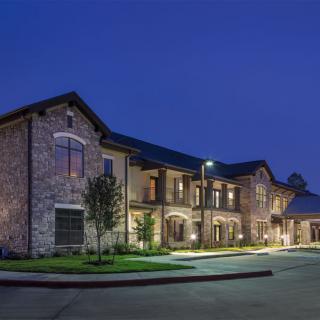
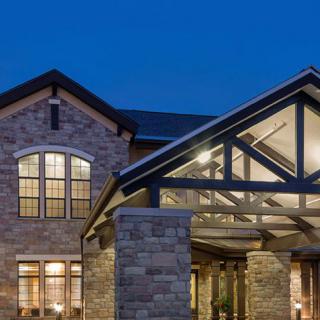
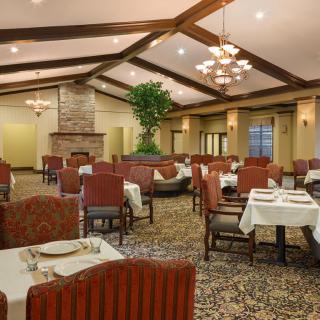
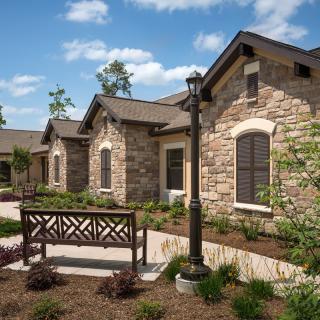
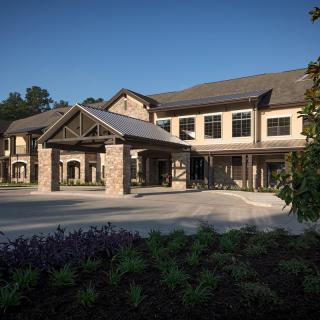
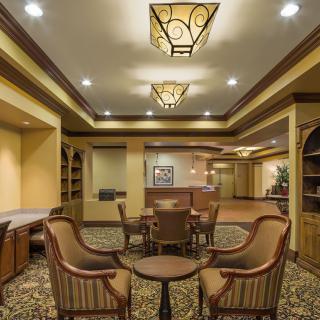
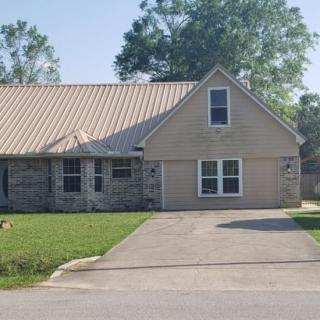
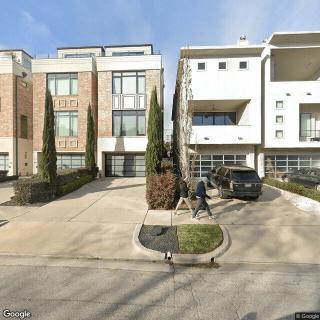
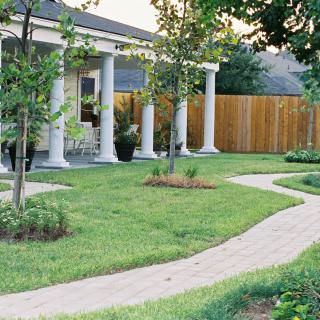
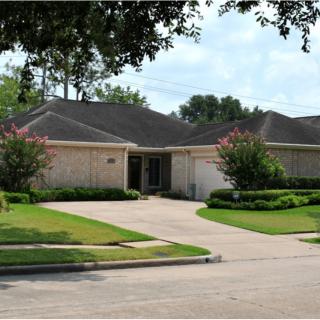
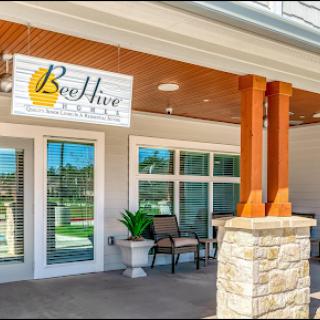
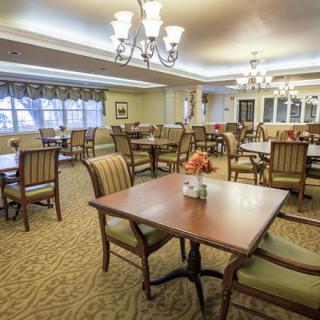
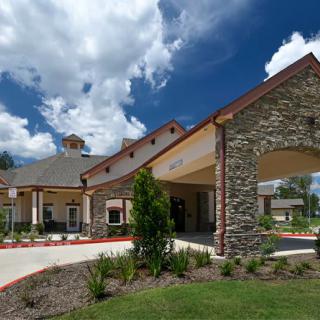
Spring Creek Village on seniors.fyi includes 14 photos including images showing floor plan, interior, dining, architecture, landscaping, lights, seating area, architectural drawing, and more.
Nearby Communities
Village Care Homes--Silver Leaf
Spring, TX
4.7 from 14 reviews
$3,250 to $4,150 / month
Small, intimate community (7 beds) with 24-hour supervision, memory care programming, and pet-friendly policy.
Just Divine Hands
Spring, TX
4.3 from 30 reviews
$2,500 to $6,000 / month
Warm, family-like care with personalized attention.
Clouston House
Spring, TX
$3,000 / month
Private rooms at $3,000/mo with memory care and diabetic care.
Golden Girls
Spring, TX
4 from 4 reviews
$2,400 / month
Well-kept facility with caring staff and high-quality meals.
Unlimited Care... Assisted Living Cottages
Spring, TX
4.7 from 3 reviews
$4,500 to $5,000 / month
Spacious, clean environment with attentive staff
Beehive Homes of Spring
Spring, TX
5 from 10 reviews
$5,000 / month
Peaceful assisted living with easy access to parks, healthcare, dining, and transportation.
Mercy Elderly Assisted Living
Spring, TX
4.6 from 20 reviews
Caring, attentive staff with personalized care; well-maintained facility with involved owner; generally affordable.
Brookdale Cypress Station
Houston, TX
4.5 from 144 reviews
$2,770 to $4,670 / month
Caring staff in a warm, engaging community.
Ella Springs Senior Living Community
Houston, TX
4.6 from 192 reviews
$2,995 to $4,975 / month
Friendly staff, engaging activities, and quality meals create a supportive, vibrant community.
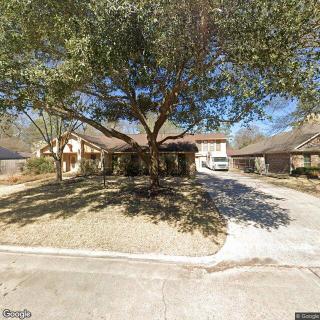
Dementia, primarily caused by Alzheimer's disease but also linked to other conditions, leads to cognitive decline impacting memory and daily functioning, with individuals experiencing varied awareness of their impairments. Despite memory loss, emotional connections persist, enabling responses to familiar stimuli, highlighting the need for caregivers to provide compassionate support that recognizes both limitations and retained emotional depth.
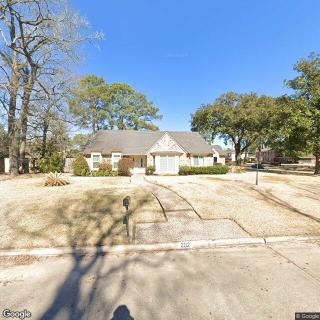
The article presents five subtle indicators of dementia, such as memory lapses and mood swings, to help families assess cognitive decline in loved ones. It emphasizes early detection, open communication, and seeking professional help while providing practical support steps.
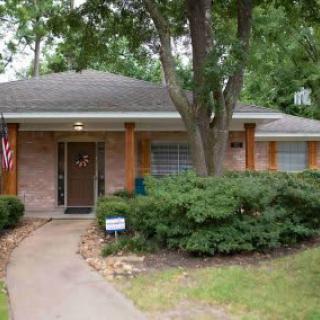
Dementia encompasses progressive neurological disorders that impair cognitive functions and can lead to paranoia due to cognitive decline and emotional changes. The article discusses the triggers of paranoia in dementia, caregiver strategies for managing it, and the importance of distinguishing between dementia-related paranoia and other psychiatric conditions.
Get PricingAsk A QuestionSchedule A TourContact Senior Advisor
By clicking submit, you agree to our Partner's Terms of Use. You
also consent to receive calls and texts, which may be autodialed, from our Partner. Your consent is not a condition to
using our Partner's service. Please visit our Partner's Privacy Policy for information about their privacy practices.





 128 resident community capacity
 1-bedroom apartments
 Assisted Living
 Memory Care
 Respite Care
 Cats allowed
 Dogs allowed
 Activities off-site
 Air-conditioning
 Beautician on-site
 Cable or satellite TV
 Computer center
 Devotional services off-site
 Dining room
 Financing advice
 Fitness room
 Fully furnished
 Gaming room
 Garden
 General store
 Ground floor units
 Guest parking
 Handicap accessible
 Housekeeping services
 Indoor common areas
 Kitchenette
 Laundry
 Move-in coordination
 Outdoor common areas
 Overnight guests
 Party space
 Private bathrooms
 Restaurant-style dining
 Small library
 Spa
Spa Telephone
 Wheelchair accessible showers
 Wi-Fi/high-speed internet available
 George Bush Intercontinental (8 miles away)
 Community operated transportation
 12-16 hour nursing
 24-hour call system
 Ambulatory care
 Assistance with bathing
 Assistance with dressing
 Assistance with transfers
 Diabetes diet
 Diabetic care
 High acuity care
 Hospice care
 Incontinence care
 Medication management
 Mental wellness program
 Physical therapy
 Special dietary restrictions
 Art classes
 Bible study group
 Book club
 Concierge services
 Cooking classes
 Day trips and outings
 Educational speakers / life long learning
 Games
Games Karaoke
 Live musical performances
 Wii bowling
 English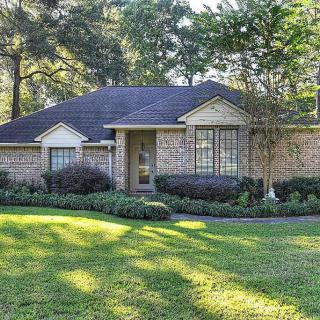
 Small, intimate community (7 beds) with 24-hour supervision, memory care programming, and pet-friendly policy.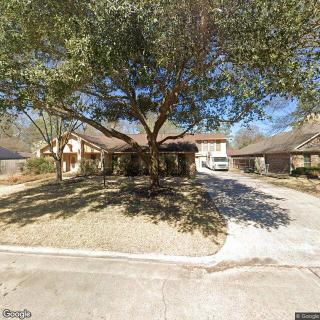

 Delving into the Inner World of Dementia: Insights into Thoughts and Awareness
 Five Subtle Dementia Indicators to Observe: An In-Depth Guide to Understanding “Does My Mom Have Dementia?”
 Dementia, Paranoia, and Caregiver Guidance: Understanding the Connection