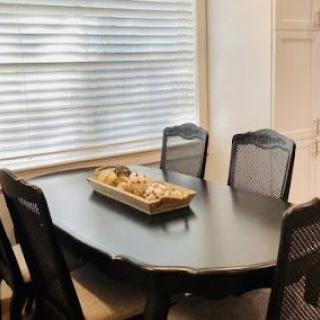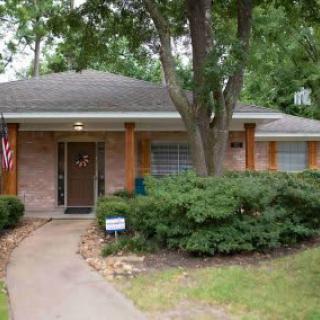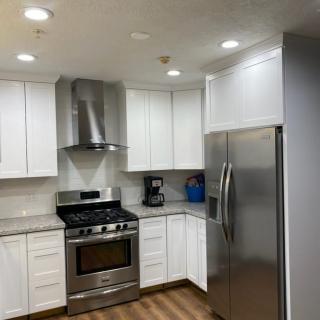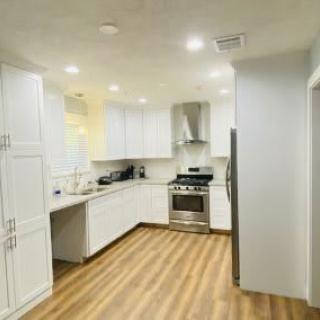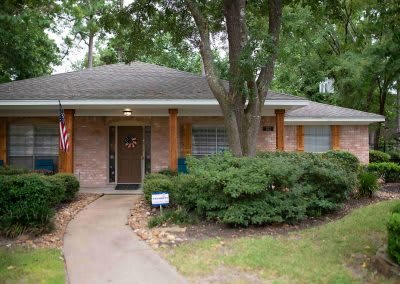
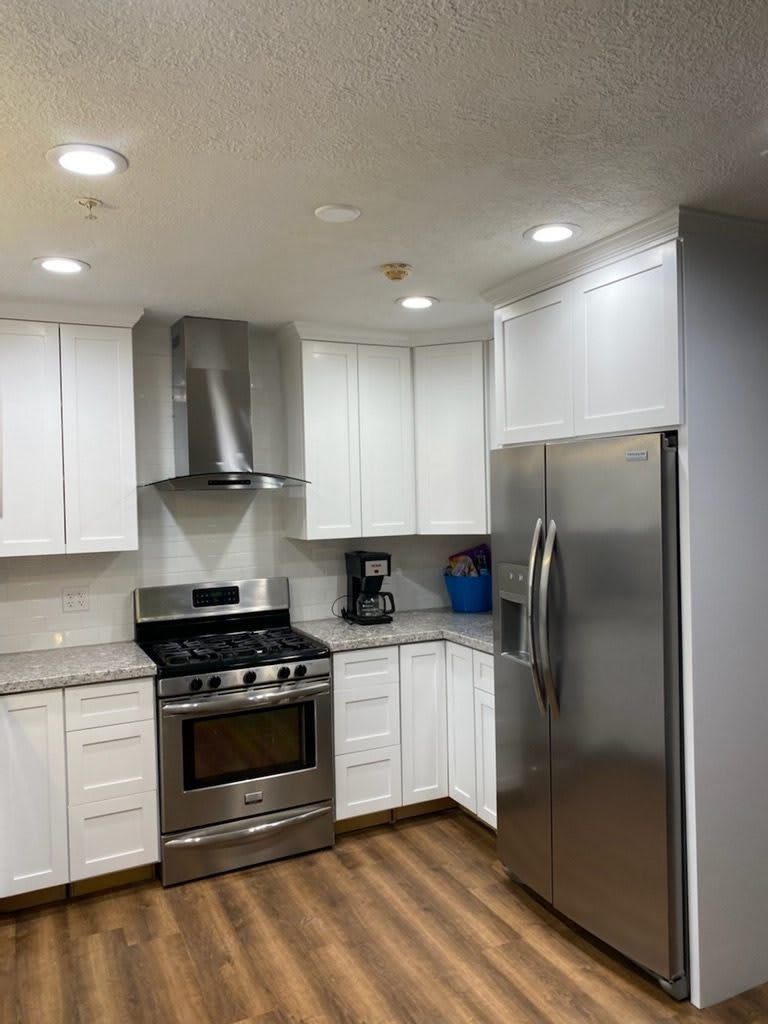
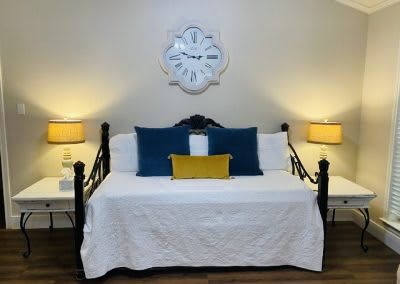
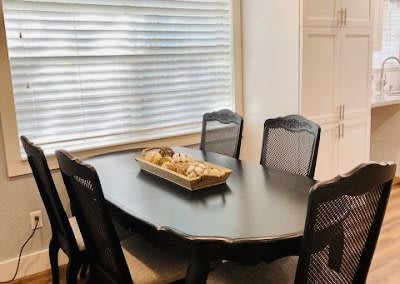
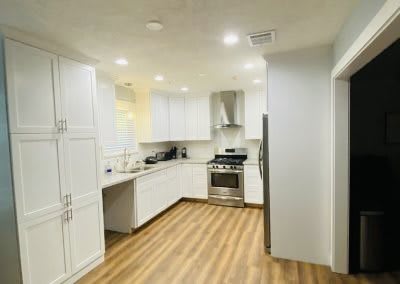
515 Enchanted River Drive, Spring, TX 77388
For more information about senior living options: (866) 208-4318
Unlimited Care... Assisted Living Cottages Costs & Pricing
Unlimited Care's Assisted Living Cottages offer a range of pricing options that reflect the quality and level of care provided. The monthly costs for residents are set at $4,500 for semi-private rooms and $5,000 for private accommodations. When comparing these figures to the averages in Harris County and Texas, we find that they are notably higher; semi-private rooms in Harris County average around $3,518 while private rooms average approximately $3,784. Statewide, Texas averages show similar trends with semi-private rates at about $3,680 and private rates at roughly $4,096. This pricing structure suggests that Unlimited Care is positioned as a premium option within the market, likely reflecting enhanced amenities, personal care services, or a more conducive living environment tailored to meet the needs of its residents.
| Floor plans | Unlimited Care... Assisted Living Cottages | Harris County | Texas |
|---|---|---|---|
| Semi-Private | $4,500 | $3,518 | $3,680 |
| Private | $5,000 | $3,784 | $4,096 |
Memory care communities with a similar price nearby
-
from -$500 / mo
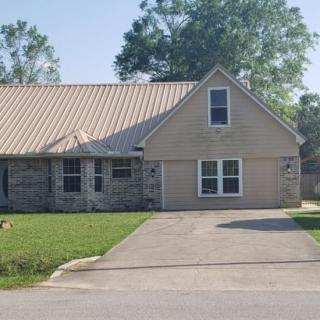
Total Loving Care Inc 2
$4,000 to $5,250 / month15.3 miles away -
from +$400 / mo

Magnolia Copperbrook
$4,900 / month14.7 miles away -
from +$300 / mo
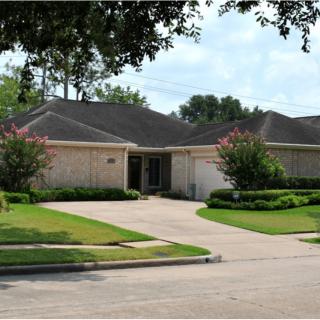
Autumn Years Assisted Living Facility
$4,800 to $5,800 / month22.6 miles away -
from +$395 / mo
Evergreen Cottages
$4,895 to $5,895 / month24.0 miles away -
About the same
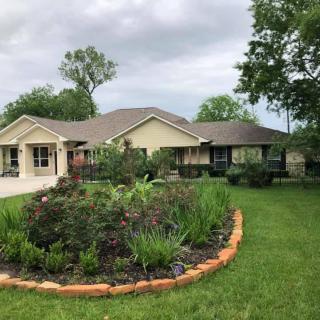
Grace Residential Care Home
$4,600 to $6,000 / month6.5 miles away
Overall Review of Unlimited Care... Assisted Living Cottages
Pros
 Mimi’s Cottage is a wonderful place to call home for loved ones.
 - The staff are welcoming, friendly, and compassionate, putting residents and families at ease.
- The care feels like home, with loved ones valued and treated like family.
- The house is spotless and well-kept, reflecting exceptional cleanliness.
- Unlimited Care Cottages takes great pride in its home and the quality of care it provides.
- Eunice and her team provided hospice care that showed true care and dedication.
- The resident felt happy and respected, never humiliated, even during personal care.
Review
Mimi’s Cottage at Unlimited Care Cottages in Spring, TX is best suited for families that prize a true home atmosphere, where care feels intimate and residents are treated like family. The community stands out for its warm, attentive staff, an exceptionally clean living environment, and a culture of respect that permeates daily care. It is especially appropriate for couples who want to stay together in a shared living space, as reviews highlight large rooms and a home-like footprint that accommodate two residents without sacrificing comfort. Families considering hospice or end-of-life support will find the approach compassionate and dignified, with staff who are comfortable guiding residents and families through sensitive moments with real kindness.
On the other hand, those who may want to consider alternatives include families seeking a more clinical, institution-like setting or specialized memory-care programming. The reviews reflect a single, cohesive narrative around personal attention and home comfort rather than formal clinical routines, so providers with a stronger emphasis on medical oversight, diversified levels of memory care, or on-site specialists for complex conditions might be a better fit. Potential renters should also note the small number of published reviews; while the signals are strongly positive, a broader data set would help confirm consistency across a wider range of residents and care needs. For budget-driven families or those needing rapid escalation to hospital-level services, more expansive campuses with broader clinical resources could be preferable.
The core advantages here align with a home-first philosophy: caregivers who are described as welcoming, friendly, and compassionate, combined with meticulous cleanliness and a clear sense of pride in the home. This trio, staff warmth, attention to detail, and spotless environments, creates a daily experience that feels more like living with a caring extended family than merely receiving care. The care team’s ability to honor residents’ dignity, even during sensitive personal moments, emerges as a standout strength. For families navigating end-of-life care, the hospice-related experiences captured in the reviews demonstrate consistency in treating both residents and their families with respect, minimizing humiliation, and preserving autonomy and comfort. For couples, the availability of a large room that is both clean and functional strengthens the case that this setting can sustain long-term, shared living without forcing disruptive moves.
Yet the strongest selling points rest on a balance against potential gaps that families should recognize. While no explicit drawbacks appear in the current testimonials, it is prudent to consider what a home-focused model may not deliver as readily as a more clinical or specialized setting. The absence of detailed notes about specialized memory-care programming, extensive medical staffing on a 24/7 basis, or structured clinical activities means that families prioritizing those elements should conduct direct inquiries. The measured tone in the reviews, emphasizing warmth, respect, and cleanliness, suggests that the environment excels at day-to-day quality of life and caregiver-resident relationships, but families should verify access to specific health services, emergency protocols, and any required care escalations. These checks will reveal whether the strong pros fully compensate for any potential need for more intensive medical oversight.
From a practical decision-making standpoint, families evaluating Mimi’s Cottage should prioritize several onsite realities as they plan visits. First, observe how the team interacts with residents and families in real time, genuine staff engagement is a predictor of ongoing quality, especially when rounds are frequent and conversations are patient-centered. Second, confirm room configurations and privacy options for couples, since the ability for two residents to share a space without compromising personal autonomy matters greatly to many households. Third, verify the scope of services included in the base rate, housekeeping, laundry, medication management, transportation, and activity programming, as well as any add-ons required for higher-acuity needs. Finally, request a transparent discussion about hospice or palliative-care integration, to ensure that the level of compassionate care aligns with expectations for comfort and dignity across the care continuum.
In the final analysis, Mimi’s Cottage emerges as a compelling choice for families who value a home-like, respectful, and clean environment where staff warmth translates into meaningful daily living. The strongest case rests on a combination of compassionate caregiving, dignified treatment during sensitive moments, and ample living space that accommodates couples with ease. For households seeking a more clinical atmosphere, robust memory-care specialization, or extensive medical oversight, alternatives with broader clinical offerings are worth comparing. The limited yet consistently positive feedback provides a solid signal: this community delivers a high-quality, person-centered experience that can make a difficult transition smoother and more humane. The next step is a firsthand visit, watch interactions, tour the space, and confirm the exact care capacities, to ensure alignment with the specific needs and goals for the loved one’s next chapter.
 7 resident community capacity
 Studio apartments
 Assisted Living
 Board and Care Home
 Memory Care
 Activities off-site
 Air-conditioning
 Cable or satellite TV
 Devotional services off-site
 Dining room
 Fully furnished
 Garden
 Housekeeping services
 Indoor common areas
 Move-in coordination
 Outdoor common areas
 Private
 Respite or short term stays offered
 Telephone
 Wheelchair accessible showers
 Wi-Fi/high-speed internet available
 George Bush Intercontinental (7 miles away)
 24-hour supervision
 Assistance with bathing
 Assistance with dressing
 Assistance with transfers
 Diabetes diet
 Diabetic care
 High acuity care
 Incontinence care
 Meal preparation and service
 Medication management
 Special dietary restrictions
 Transportation arrangement (medical)
 Transportation to doctors appointments
 Art classes
 Catholic services
 Forever fit
 Jewish services
 Live musical performances
 Live well programs





 5 Early Indicators of Dementia and What You Can Do
 8 Important Indicators That Memory Care May Be Necessary
 Delving into the Inner World of Dementia: Insights into Thoughts and Awareness