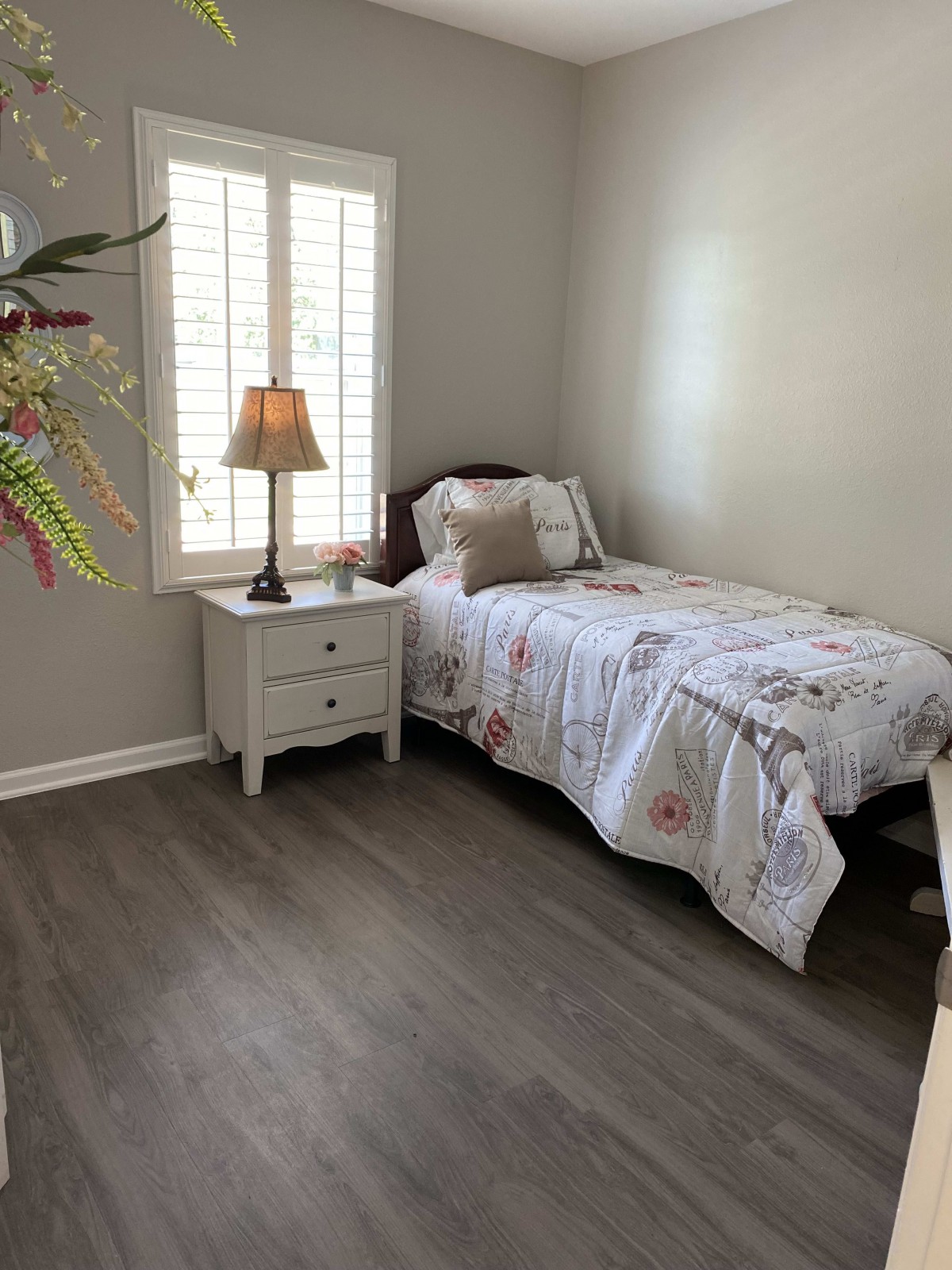
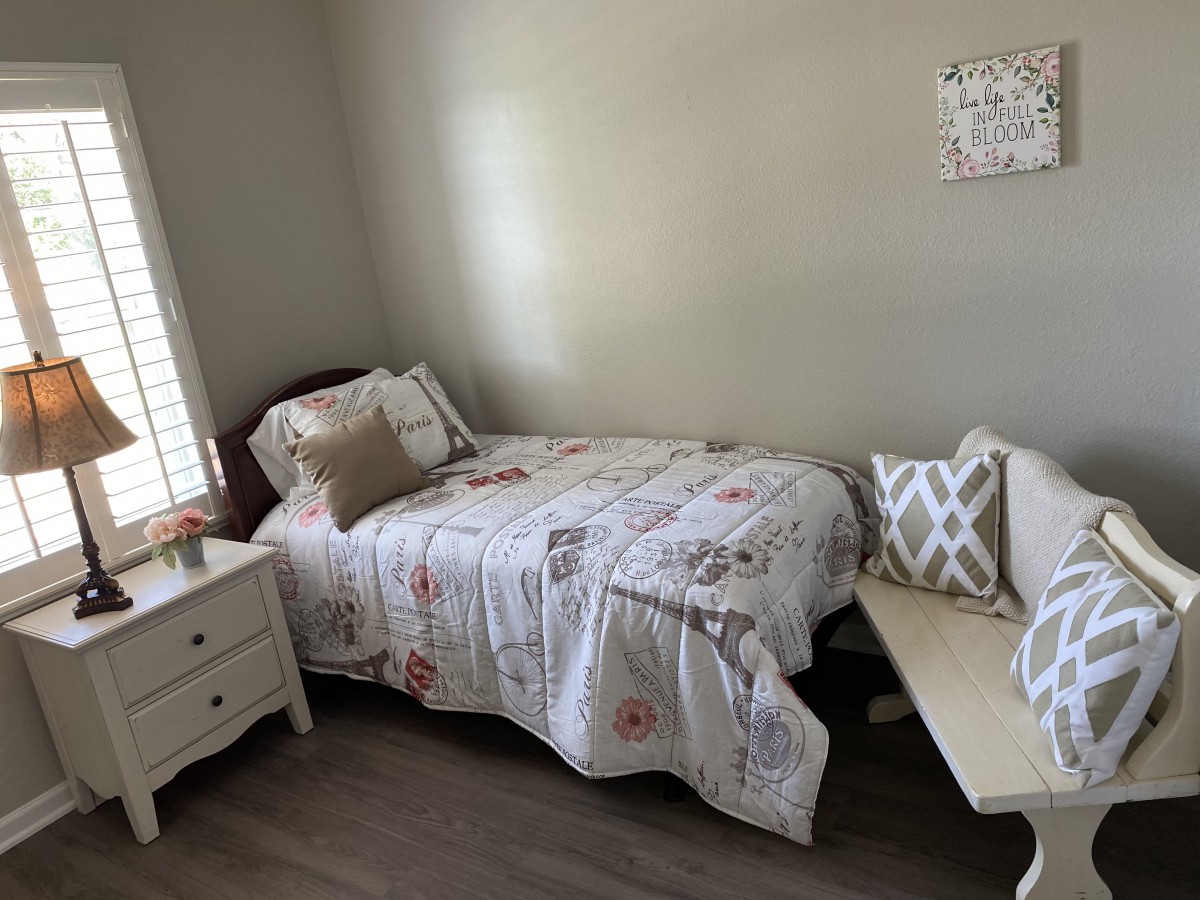
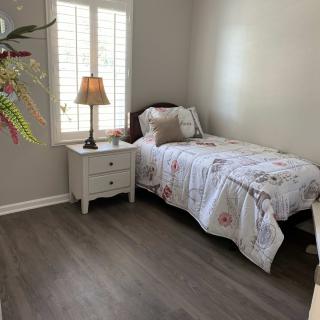
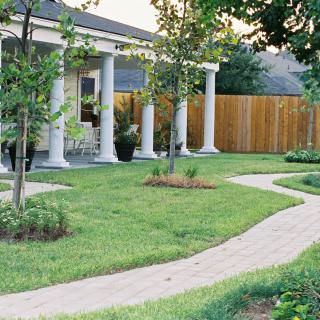
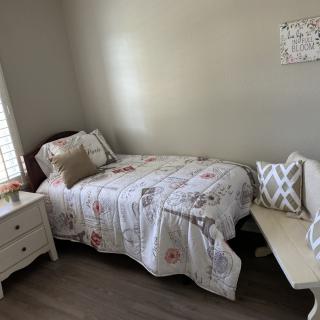
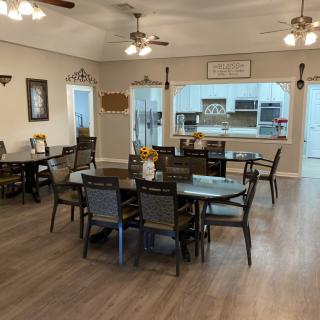
8524 Copperbrook Dr, Houston, TX 77095
To contact a resident: (713) 941-9698
For more information about senior living options: (866) 208-4318
Magnolia Copperbrook Costs & Pricing
Magnolia Copperbrook offers a studio apartment at a monthly cost of $4,900, which positions it above the average rates both in Harris County and across Texas. In comparison, the average cost in Harris County stands at approximately $4,021, while the state average is notably lower at around $3,758. This pricing reflects Magnolia Copperbrook's commitment to delivering a premium living experience that may include enhanced amenities and personalized services, catering to those seeking an upscale lifestyle in a competitive market.
| Floor plans | Magnolia Copperbrook | Harris County | Texas |
|---|---|---|---|
| Studio | $4,900 | $4,021 | $3,758 |
Memory care communities with a similar price nearby
-
from +$600 / mo
Affectionate Care Assisted Living and Memory Care
$5,500 to $6,500 / month18.8 miles away -
from +$700 / mo
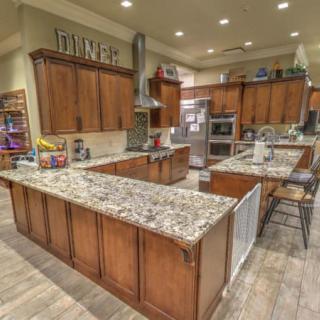
Sycamore Creek Ranch Memory Care
$5,600 / month10.4 miles away -
About the same
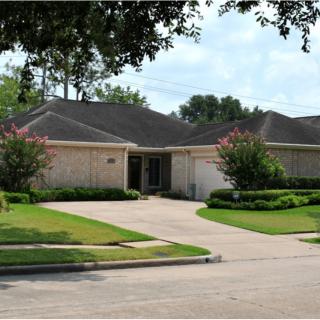
Autumn Years Assisted Living Facility
$4,800 to $5,800 / month10.9 miles away -
About the same
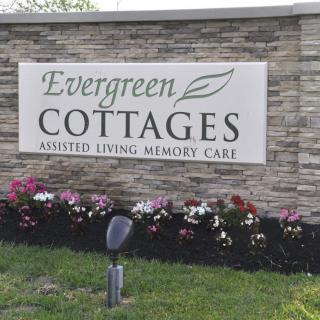
Evergreen Cottages
$4,895 to $5,895 / month9.3 miles away -
from -$300 / mo
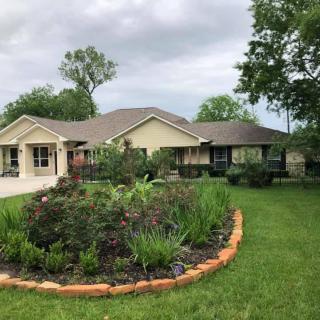
Grace Residential Care Home
$4,600 to $6,000 / month19.5 miles away
Overall Review of Magnolia Copperbrook
Pros
 The staff at Autumn Grove Copperfield are attentive, loving, and patient with residents.
- The executive director is kind and helps residents adjust to their new home.
- Communication is excellent, and families are kept informed about changes in condition.
- Residents enjoy the food, and visitors are always welcome to visit.
- The cottage is small, clean, and staffed by caring caregivers.
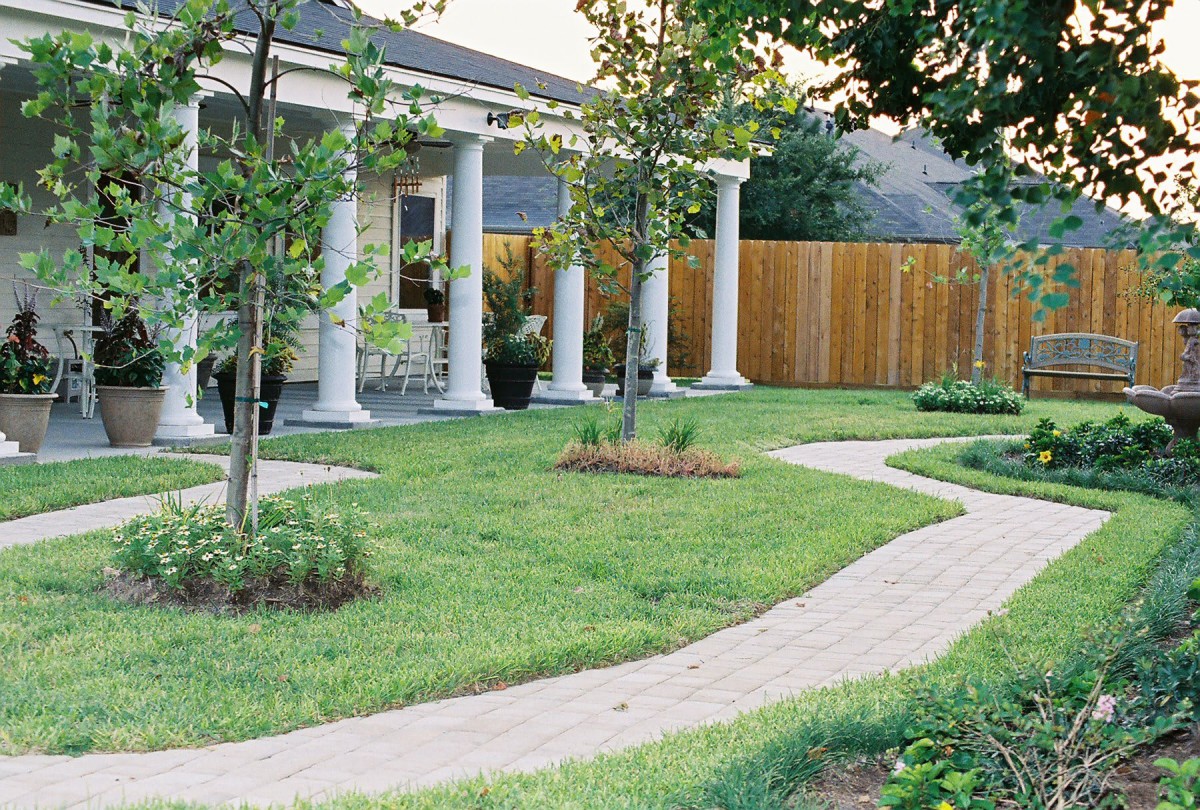
- An activity director runs engaging games, and the secure outdoor courtyard provides a nice space for residents.
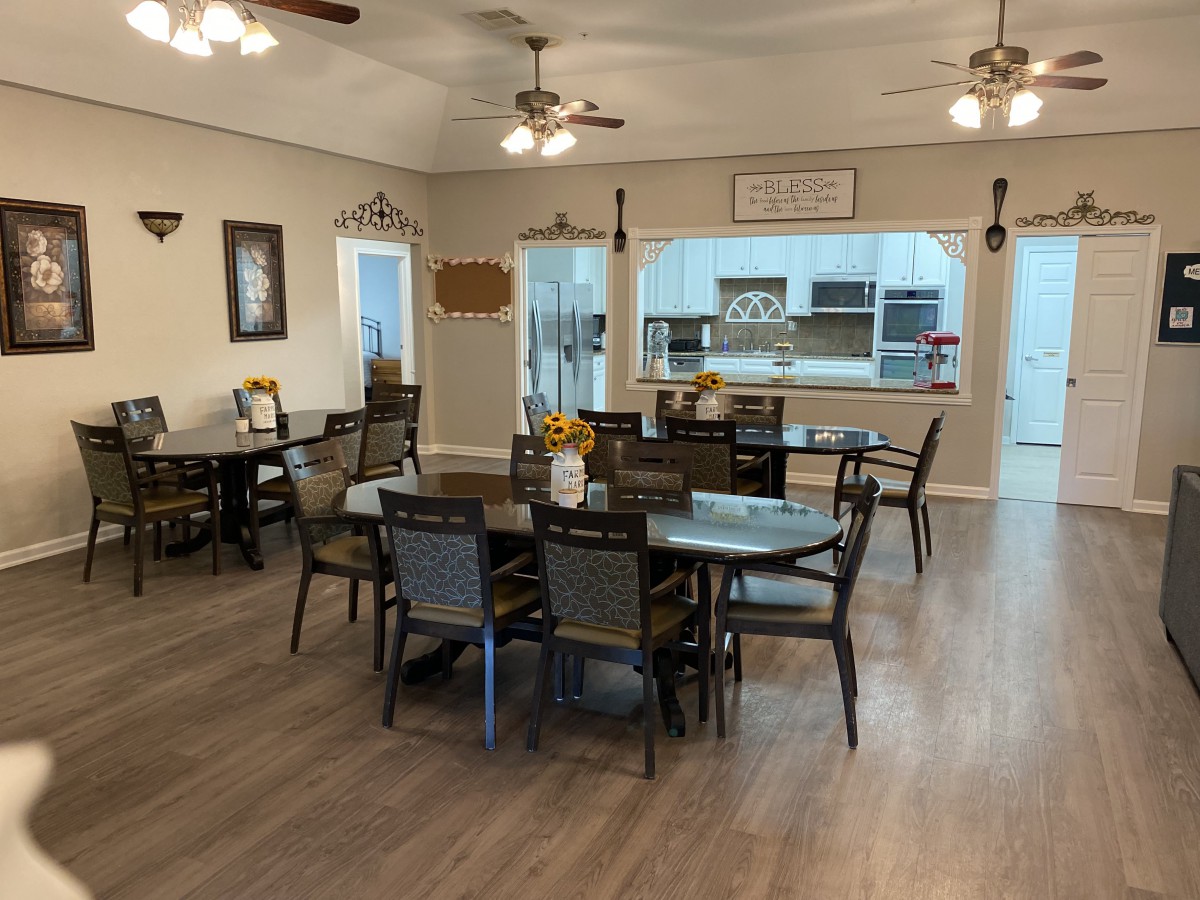
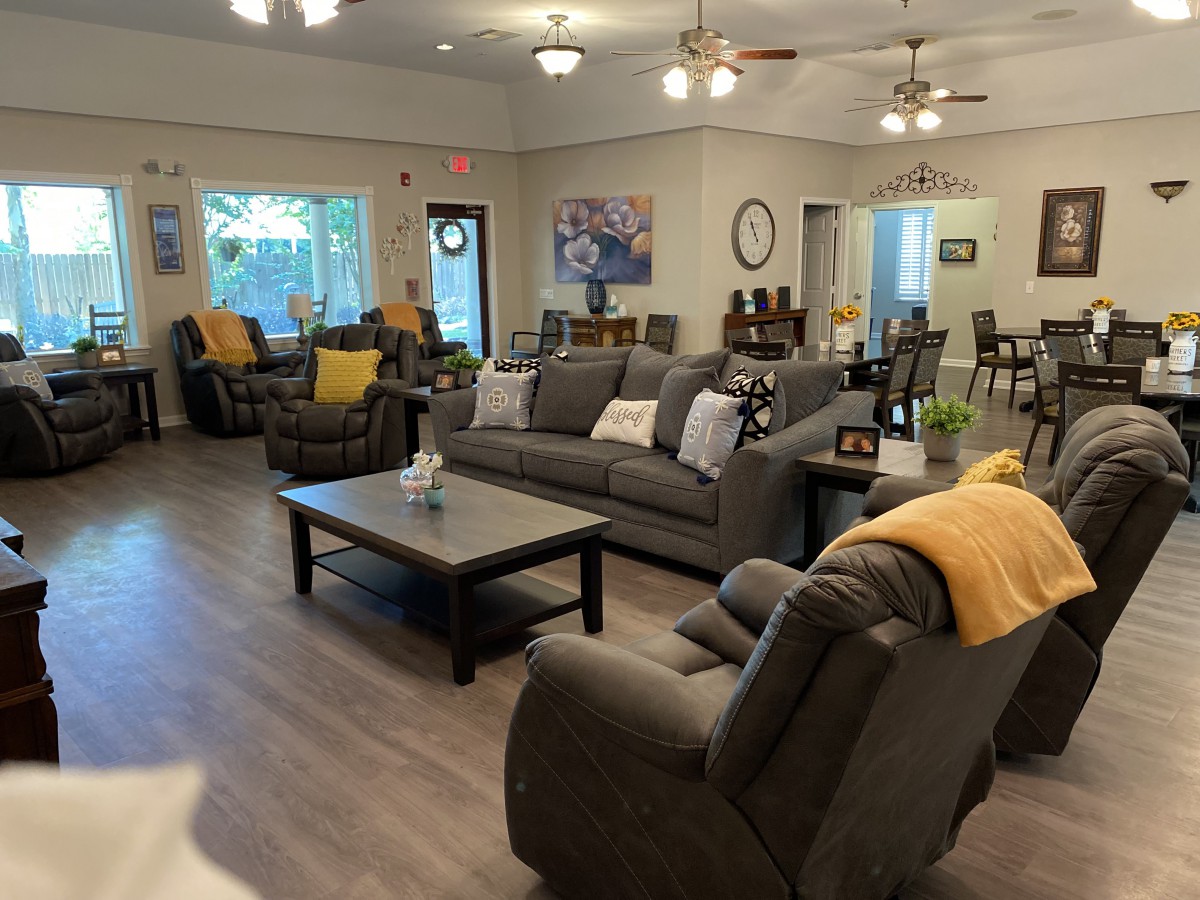
- The dining area is great and the facility feels homey.
- The community has a warm, family-like atmosphere where residents are treated with love and respect.
- The staff keep residents safe and engaged, with regular updates during times when in-person visits aren’t possible.
- The memory-care environment is personalized, with residents treated with dignity and not as numbers.
- The place is always clean and well maintained, with kind and helpful staff.
- Families feel blessed and grateful for the thoughtful care their loved ones receive.
Cons
 There were not many caregivers on the floor, and they were likely short-staffed due to the pandemic.
- The location was far from the family, making visits less convenient.
Review
This community is best suited for families seeking an intimate, memory-care focused environment where residents are treated with steady, attentive care in a small, cottage setting. The reviews consistently describe a campus that feels more like a home than a facility: around two dozen residents, secure outdoor space, and a dining and activity rhythm built around daily, welcoming interactions. It shines for residents with Alzheimer’s or dementia who benefit from predictable routines, constant supervision, and relationships that feel personal rather than transactional. Families will find reassurance in a leadership team that is described as compassionate and responsive, with directors who actively help residents adjust and families stay informed about changes in condition and daily happenings.
Those considering alternatives should note who this community may not be the best fit. Larger, more campus-like facilities with a broad array of independent living options and on-site medical services can offer different kinds of flexibility and choice. Families looking for extensive rehabilitation programs, advanced clinical care, or a wide variety of specialized therapies may find a larger operation more aligned with those needs. Additionally, if a loved one requires a pace and volume of activities that only a bigger community can sustain, or if proximity to multiple family members is a priority, it may be worth exploring other neighborhoods or facilities with a broader footprint.
The key pros in these reviews, the exceptional caregiver attentiveness, the clearly warm and involved leadership (notably Andrea and the caregiving team), and the strong communication with families, tend to offset the potential drawbacks of a small, cottage-style layout. Caregivers are described as loving, patient, and easy to communicate with, and families repeatedly note timely, clear updates about any changes in a resident’s condition. The small size fosters meaningful connections with staff and other residents, enabling more individualized attention, a sense of belonging, and daily engagement in activities and meals that reinforce dignity and purpose. The dining experience and the secure, pleasant common areas also help residents settle in emotionally, which in these reviews translates into genuine peace of mind for families.
The strong aspects, personalized supervision, a “home away from home” ambiance, and consistent family communication, do a convincing job of offsetting the most common caveat of small communities: the potential for limited staffing coverage or fewer on-site therapy options compared with larger campuses. When leadership emphasizes hands-on involvement and staff training, the result is reliable daily care, predictable routines, and residents who appear well-connected to both staff and peers. The result is a setting where families feel confident that their loved one is known, cared for with warmth, and not merely cared for in a numeric sense. The overall value proposition blends quality care with a comforting atmosphere that many families weigh heavily in dementia care decisions.
To make the most informed choice, prospective families should probe care ratios, shift coverage, and staff continuity; ask how memory-care staff are trained and supported, and what kinds of daily programs are available beyond the core meals and activities. Inquire about how often families receive updates, whether updates can be tailored to individual preferences (daily, weekly, or as-needed), and how visitation is facilitated when inevitable life events arise. It’s also wise to tour the courtyard and common areas, observe how staff interact with residents, and gauge whether the environment feels as home-like as advertised. Residency in a small cottage model can be wonderfully intimate, but confirming that this intimacy translates into consistent, high-quality care at every shift is essential.
In the end, the choice hinges on match to a memory-care ethos: a tight-knit, caregiver-led environment where residents are known by name, daily routines are predictable and meaningful, and families gain reassurance from transparent, proactive communication. For loved ones whose needs center on Alzheimer’s or dementia care delivered with deep compassion in a warm, homey setting, this cottage approach represents a compelling, well-executed option. If a different balance of size, services, and on-site clinical resources is required, alternatives that offer broader amenities or a larger care team may be worth pursuing. The right decision will hinge on how strongly a family prioritizes intimate, relationship-driven care versus broader facility-scale advantages.
 Studio apartments
 Memory Care
 Activities on-site
 Beautician on-site
 Cable or satellite TV
 Devotional services off-site
 Dining room
 Financing advice
 Garden
 Guest parking
 Hiking trails
 Housekeeping services
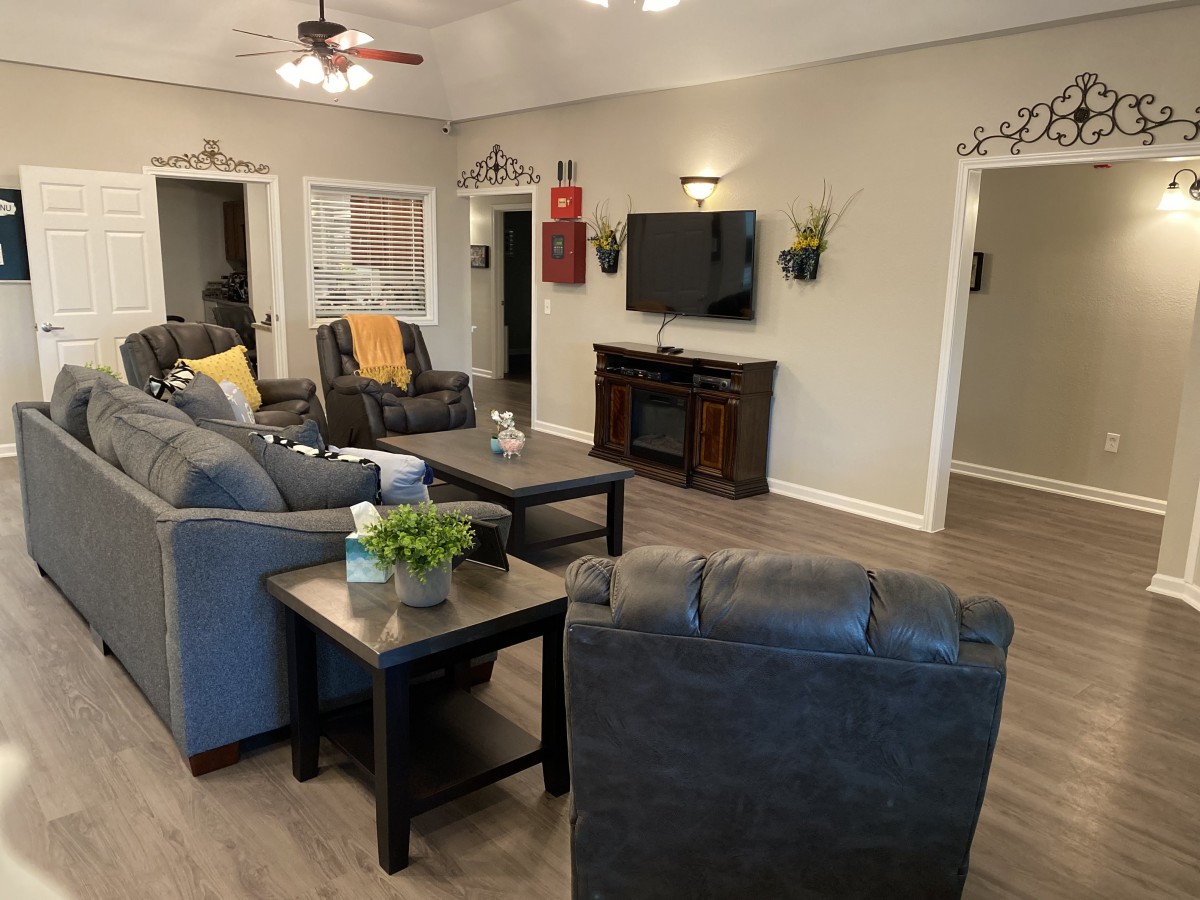
 Indoor common areas
 Laundry
 Overnight guests
 Party space
 Security gate
 Wheelchair accessible showers
 Wi-Fi/high-speed internet available
 George Bush Intercontinental (18 miles away)
 Ambulatory care
 Diabetic care
 Hospice care
 Incontinence care
 Medication management
 Physical therapy
 Diabetes diet
 Kosher
 Arts and crafts
 Book club
 Cooking club
 Fitness programs
 Games
Games Live musical performances
 English

 A Thorough Discussion of Medications Potentially Linked to Dementia Risk
 Why Do Dementia Patients Sleep So Much? Understanding Oversleeping, Stages, and Care Approaches
 8 Key Indicators That Suggest It May Be Time to Transition from Assisted Living to Skilled Nursing Care