
8524 Copperbrook Drive, Houston, TX 77095
For more information about senior living options: (866) 208-4318
Overall Review of Autumn Grove Copperfield
Pros
 The caregivers show warmth to each patient, reflecting attentive and compassionate care.
- The new management has brought a night-and-day difference in the quality of care.
- Andrea and Megan go out of their way to ensure adequate care while adhering to safety precautions.
- Communication with families is timely, clear, and professional.
- The facility feels like an extension of the family, providing families with peace of mind.
- Autumn Grove Copperfield is the perfect size with a strong caregiver-to-resident ratio and engaging daily activities.
- The staff is loving, respectful, well-trained, and keeps residents clean, safe, and well cared for.
Cons
 The reviewer describes the facility as shabby, run-down, and cruel.
 - The leadership is accused of cutting corners, passing the buck, and letting unqualified staff make medical decisions.
- The food is claimed to be so bad that it causes diarrhea among residents and staff.
- Residents are said to sit in recliners all day watching TV, with staff offering the same boring activities.
- The facility is described as depressing, with tired and overwhelmed employees.
- The reviewer calls for intervention to protect the safety and well-being of the sick elderly patients who are suffering emotional abuse.
Review
Autumn Grove Copperfield in Houston is best suited for families seeking a memory-care focused, homelike setting where intimate caregiver attention and steady leadership drive daily life. The community’s Cottage model, with a notably favorable caregiver-to-resident ratio, is ideal for residents living with Alzheimer’s or other dementias who benefit from a calmer, smaller environment. When management is strong and consistently engaged, families gain tangible peace of mind: personalized care plans, attentive daily interactions, and visible efforts to keep residents engaged in meaningful activities. This combination makes Copperfield a compelling choice for those prioritizing quality memory care over a large, impersonal campus.
The clearest, most persuasive strength across multiple reviews centers on leadership and the resulting care culture. Since new management took the helm, staff have shown heightened warmth, reliability, and responsiveness. Managers such as Andrea and Rhonda are repeatedly highlighted for going the extra mile to ensure residents’ needs are met, and for maintaining open, timely communication with families. Families report that the dining and activity routines have improved, and that residents are engaged rather than left idle in recliners. The consistency of daily engagement, regular check-ins, and a family-like atmosphere translate into genuine peace of mind, especially for relatives balancing caregiving from afar.
Another standout is the facility’s commitment to structure and safety within a dementia-focused setting. The Cottage environment is described as clean, well-kept, and purpose-built for memory care, with activities spread throughout the day to keep residents connected to “real life” moments rather than isolated in a single space. The addition of three hot meals daily and the emphasis on meaningful, ongoing activities reflect a deliberate, participant-centered approach. Across reviews, residents appear to be well cared for, with staff who are trained to meet the specific needs of memory-impaired residents, and families noting a sense that their loved ones are treated with respect, dignity, and genuine affection.
However, a jarring minority perspective cannot be ignored. One review describes a starkly negative experience, alleging poor leadership, inadequate nutrition, and an environment that feels depressing and under-staffed. While such views are not universally echoed, they illustrate the potential variance in lived experiences, and the risk families should weigh when evaluating this community. The most actionable takeaway from that perspective is a reminder to verify current staffing stability, meal quality, and the consistency of daily programming during tours and prior to any commitment. It is entirely reasonable for prospective residents to talk directly with the leadership team about meal menus, activity schedules, and incident-response expectations to ensure alignment with family standards.
Those considering Autumn Grove Copperfield should weigh the robust positives against the comparatively few criticisms. The strongest offset comes from the renewed leadership’s proven ability to foster a responsive, affectionate care culture, paired with a well-designed memory-care environment that supports meaningful engagement. When families observe a caregiver-heavy model in action, with regular communication and a visible emphasis on nutrition and activity, the downsides noted by a single harsh review become less persuasive. In practice, this means the pros, personalized attention, engaged daily life, and a clean, well-run setting, over time tend to outweigh occasional concerns if current leadership remains in place and ongoing quality checks are maintained.
Alternatives are worth considering for families prioritizing certain features beyond what Copperfield routinely offers. If a higher-intensity medical program, larger campus with broader rehabilitation services, or a more clinical atmosphere is required, it may be prudent to explore bigger integrated communities or facilities with more expansive on-site medical teams. Families who place utmost importance on consistently exceptional dining quality or who want a broader menu variety and culinary oversight might also want to compare menus and nutrition programs at other memory-care-focused communities. In other words, use Copperfield as a benchmark for compassionate memory care, but verify that the day-to-day rhythm, meals, activities, and family communication, matches the family’s expectations.
The bottom line is practical and clear. Autumn Grove Copperfield is a strong fit for memory-impaired residents who benefit from a warm, small-scale, caregiver-rich environment with proactive leadership and steady family communication. It excels when the leadership team remains engaged, the meals meet nutritional and sensory expectations, and daily activities keep residents connected to a sense of purpose. Families should enter with a concrete plan: tour with questions about staffing stability, confirm current activity programming, and review recent dining menus. If those boxes are checked, this community stands out as one of the more thoughtful, resident-centered options in Houston for dementia care.
 16 resident community capacity
 Assisted Living
 Board and Care Home
 Cable or satellite TV
 Dining room
 Fully furnished
 Garden
 Housekeeping services
 Move-in coordination
 Outdoor space
 Telephone
 Wi-Fi/high-speed internet available
 George Bush Intercontinental (18 miles away)
 24-hour supervision
 Activities of daily living assistance
 Assistance with bathing
 Assistance with dressing
 Assistance with transfers
 Diabetes diet
 Meal preparation and service
 Medication management
 Special dietary restrictions
 Transportation arrangement (medical)
 Transportation to doctors appointments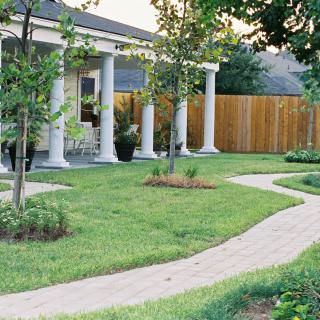






 Medicare Coverage for Assisted Living: An In-Depth Exploration
 Choosing the Right Senior Care: A Detailed Exploration of Assisted Living and Nursing Homes
 Understanding the True Cost of Assisted Living in 2025: A Comprehensive Guide