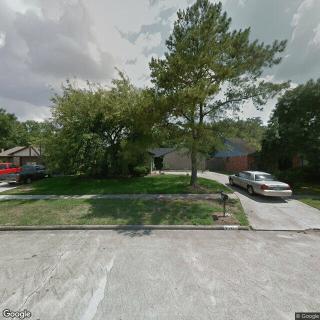
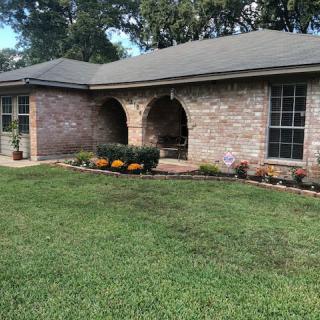
Cypress Assisted Living- Drake Prairie Lane in Cypress, TX

Save
Cypress Assisted Living- Drake Prairie Lane Cypress Assisted Living- Drake Prairie Lane

Cypress Assisted Living- Drake Prairie Lane in Cypress, TX

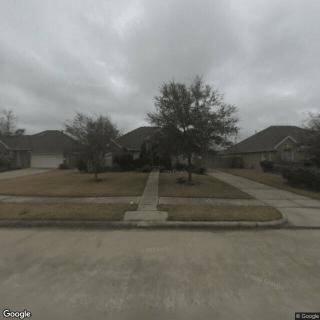
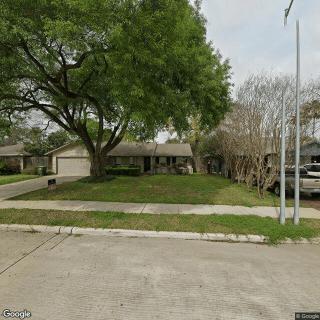
12310 Drake Prairie Lane, Cypress, TX 77429

For more information about senior living options: (844) 490-3973

5 from 28 reviews
5 stars
28
4 stars
0
3 stars
0
2 stars
0
1 stars
0

Assisted Living Board and Care Home Memory Care

Cypress Assisted Living- Drake Prairie Lane Costs & Pricing

Cypress Assisted Living at Drake Prairie Lane offers competitive pricing for its residents compared to the broader market in Harris County and the state of Texas. The monthly cost for a private room is set at $3,450, significantly lower than the county average of $3,784 and the state average of $4,096. This trend continues with studio and one-bedroom options, both priced at $3,450, whereas similar accommodations in Harris County hover around $4,021 and $4,027 respectively. However, it's worth noting that the semi-private room option is slightly higher at $4,250 compared to the county's average of $3,518 but remains competitive against the state's average of $3,680. Overall, Cypress Assisted Living provides a range of affordable housing solutions that prioritize both care and comfort for its residents while remaining mindful of regional pricing trends.

Floor plansCypress Assisted Living- Drake Prairie LaneHarris CountyTexas
Private$3,450$3,784$4,096
Studio$3,450$4,021$3,758
1 Bedroom$3,450$4,027$3,761
Semi-Private$4,250$3,518$3,680

What level of care are you interested in?

Assisted Living

Memory Care

Independent Living

Skilled Nursing Facility

Continuing Care Retirement Community (CCRC)CCRC

Other


Request a tour at Cypress Assisted Living- Drake Prairie Lane

    Overall Review of Cypress Assisted Living- Drake Prairie Lane

    Pros

    • pro Nelly delivers platinum-level service and is incredibly resourceful and warm-hearted.
    • pro The staff are personable, caring, and consistently go above and beyond expectations.
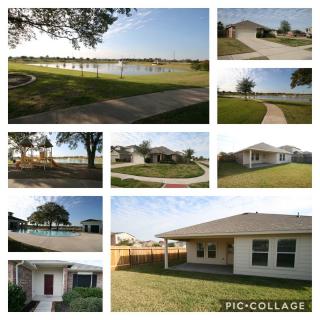
    • pro The facility is clean, comfortable, and feels like home.
    • pro The owner is hands-on, caring, and genuinely attentive to residents and families.
    • pro Caregivers provide personal care with genuine kindness and keep families informed.
    • pro Residents feel seen, heard, and treated with respect.
    • pro The team accommodates individual preferences, including meals, to support each resident's well-being.
    • pro Families trust Cypress Assisted Living to provide safe, loving care and a reassuring environment.

    Cons

    • pro In two different rehabs, the caregivers were anything but caregivers.
    • pro Those facilities did not provide proper caregiving.
    • pro The reviewer regrets not knowing about Cypress sooner because the other facilities offered poor care.

    Review

    Cypress Assisted Living on Drake Prairie Lane in Cypress, TX is best suited for families seeking an intimate, home-like setting where residents are known by name and caregivers operate with a hands-on, family-first approach. The community is led by an owner who stays deeply involved, ensuring daily routines, meals, and medical needs are managed with a cohesive, low-friction cadence. Reviewers consistently describe an environment that feels more like a private home than a traditional facility - clean, calm, and welcoming - where staff remember personal preferences and form genuine connections. For families prioritizing transparent communication and ongoing involvement, this setting offers a compelling, low-stress path to care.

    That said, Cypress Assisted Living is not a fit for every situation. Families confronting high-acuity medical needs or requiring rapid, 24/7 clinical oversight may want alternatives with larger staff pools and more formal medical programming. The home-like model shines when care is personalized and supervision is steady, but it can feel limited for residents needing intensive rehabilitation, a broader activity slate, or specialized memory-care protocols scheduled on precise timelines. For those seeking expansive on-site therapies, extensive transportation options, or a bustling social calendar, a bigger campus may better meet expectations. In short, the strongest fit is a resident who benefits from intimacy and responsive, person-centered care rather than a facility-driven, hospital-like rhythm.

    The pros on display are abundant and tangible. The owner's hands-on leadership translates into steady problem-solving and rapid, practical responses when concerns arise. Caregivers emerge as warm, compassionate, and diligent, frequently going the extra mile to accommodate dietary preferences and individualized routines. The environment remains exceptionally clean and orderly, contributing to a strong sense of safety and home harmony. Family updates are frequent and meaningful, and staff are comfortable guiding conversations about health changes or hospice when appropriate. The net effect is a trust that's hard to cultivate in larger systems, anchored by personal touches, direct access to leadership, and a culture of listening.

    Where the positives meet real-world constraints, a few tradeoffs surface. The intimate scale that fuels trust can also limit the breadth of services and activities, with a staffing approach that hinges on a relatively small, dedicated team. While two aides for a small group is praised in reviews, such ratios can fluctuate and may not satisfy families seeking constant, high-intensity assistance around the clock. Continuity depends on maintaining a stable team, and turnover would threaten the very bonds that make Cypress effective. Yet these same factors - seasoned leadership, direct owner involvement, and a cohesive, family-like culture - often render transitions smoother and concerns easier to address, which can compensate for a more modest footprint.

    Prospective families should approach with a purposeful inquiry plan. Confirm current staff-to-resident ratios across day and evening shifts, and ask how medical oversight is handled when concerns arise. Verify what on-site services exist for memory care or rehabilitation and how those services are integrated with family communication. Request candid demonstrations of meal customization processes and how frequently health updates are shared with relatives. Meet the owner and frontline caregivers to assess whether their communication style and care philosophy align with the loved one's temperament. If independence is modest but companionship, safety, and reliable communication top the list, Cypress becomes a strong, low-stress match.

    Overall, Cypress Assisted Living - Drake Prairie Lane stands out for families prioritizing warmth, trust, and an authentic home-like care experience. It is especially compelling for residents who thrive in a smaller community where caregivers know routines, honor preferences, and respond with immediacy. Alternatives are worth considering for those needing more extensive medical programming, a broader social calendar, or a campus with formalized memory-care protocols. For the right resident, the benefits - quiet cleanliness, genuine connection, and hands-on leadership - meaningfully outweigh the drawbacks. A thoughtful tour, coupled with frank discussions about staffing, services, and care goals, will reveal whether this intimate setting can be the long-term home, offering peace of mind to families seeking a trusted partner in aging support.

    Features

    Housing

    • 16 resident community capacity 16 resident community capacity

    Types of Care

    • Assisted Living Assisted LivingAssisted living facilities provide crucial support and care for seniors who may need help with daily tasks such as medication management, bathing, and meal preparation. These communities offer a safe and comfortable environment where seniors can maintain their independence while receiving the assistance they need to thrive in their golden years.
    • Board and Care Home Board and Care HomeBoard and care homes provide a smaller, more intimate setting for seniors who require assistance with daily tasks but do not need the level of care offered by a nursing home. They offer personalized care, meals, and social activities in a homelike environment, ensuring that seniors receive individualized attention and support in their golden years.
    • Memory Care Memory CareMemory care is crucial for seniors as it provides specialized support and services for individuals with dementia or Alzheimer's disease. These programs offer a safe and secure environment where residents receive personalized care, cognitive stimulation, and help with daily activities. Memory care helps seniors maintain their independence, quality of life, and dignity while also providing peace of mind for their families.

    Amenities

    • Activities on-site Activities on-siteActivities on-site are important for seniors because they provide opportunities for socialization, mental stimulation, physical activity, and overall well-being. Engaging in activities can help seniors stay active, maintain their independence, and improve their quality of life.
    • Air-conditioning Air-conditioningAir conditioning is important for seniors as they are more vulnerable to heat-related illnesses and may have underlying health conditions that make it difficult for them to regulate their body temperature. It helps to keep them comfortable, safe, and healthy in hot weather.
    • Beautician on-site Beautician on-siteHaving a beautician on-site at a senior living community is important for seniors as it allows them to easily access grooming and personal care services, boosting their self-esteem and overall well-being. It also provides convenience and helps seniors maintain their sense of independence and personal style.
    • Cable or satellite TV Cable or satellite TVCable or satellite TV is important for seniors because it provides entertainment, news, and companionship, helping to combat loneliness and boredom. It also offers a wide range of programming options tailored to different interests and preferences.
    • Devotional services off-site Devotional services off-siteDevotional services off-site are important for seniors as they provide spiritual nourishment, social engagement, and a sense of community outside of the senior living facility. This can enhance overall well-being and help combat feelings of isolation and loneliness often experienced by older adults.
    • Dining room Dining roomDining rooms are important for seniors as they provide a space for socialization, connection, and nutritious meals. They offer opportunities for residents to bond over shared meals, foster a sense of community, and promote healthy eating habits. Dining rooms also ensure that seniors have access to well-balanced meals tailored to their dietary needs and preferences.
    • Fully furnished Fully furnishedFully furnished senior living communities are important for seniors because they provide convenience, comfort, and a hassle-free moving experience. Seniors can easily settle into their new living space without the stress of having to buy and move furniture. This allows them to focus on enjoying their new home and community.
    • Garden GardenGardens are important for seniors as they provide a peaceful and therapeutic environment for relaxation, physical activity, and socialization. Being in nature has been shown to reduce stress, improve mood, and promote overall well-being. Gardens also offer opportunities for seniors to engage in gardening activities, which can improve mobility, flexibility, and cognitive function. Additionally, gardens create a sense of community and connection with others who share a passion for plants and outdoor spaces.
    • Ground floor units Ground floor unitsGround floor units are important for seniors because they provide easy accessibility, reduced risk of falls and injuries, and convenience for those with mobility issues. Seniors can avoid climbing stairs or using elevators, making daily tasks and activities more manageable and enjoyable.
    • Housekeeping services Housekeeping servicesHousekeeping services are important for seniors because they help maintain a clean and safe living environment, promote independence, and reduce the risk of accidents or illnesses. Additionally, having assistance with household chores can alleviate physical strain and allow seniors to focus on other aspects of their well-being.
    • Indoor common areas Indoor common areasIndoor common areas are crucial for seniors as they provide a space for socialization, recreation, and community engagement, promoting overall well-being and reducing feelings of isolation and loneliness.
    • Move-in coordination Move-in coordinationMove-in coordination is important for seniors because it helps ease the transition into their new living environment. It ensures that all logistics, such as packing, organizing movers, and setting up utilities are taken care of, allowing seniors to focus on settling in and adjusting to their new home. Having a smooth move-in process can alleviate stress and anxiety, making the transition smoother and more enjoyable for seniors.
    • Outdoor common areas Outdoor common areasOutdoor common areas are important for seniors as they provide a space for socialization, physical activity, and relaxation. Being outside in nature can improve mood and overall well-being, while also encouraging movement and engagement with others. These spaces can help combat feelings of isolation and promote a sense of community among residents.
    • Outdoor space Outdoor spaceOutdoor spaces are important for seniors as they provide opportunities for physical activity, social interaction, exposure to natural light and fresh air, and a sense of connection to nature. Having access to outdoor spaces can improve overall well-being and quality of life for older adults living in senior communities.
    • Private PrivatePrivacy is important for seniors as it allows them to maintain their independence, dignity, and sense of control over their own lives. It also gives them the space and freedom to relax, reflect, and engage in activities that bring them joy and fulfillment. Creating private spaces within senior living facilities is crucial for promoting overall well-being and quality of life.
    • Respite or short term stays offered Respite or short term stays offeredRespite or short term stays provide seniors with a temporary solution when their regular caregiver is unavailable, offering them the opportunity to receive additional care and support during times of need, while also giving caregivers a chance to rest and recharge.
    • Telephone TelephoneTelephones are important for seniors as they provide a lifeline for communication with loved ones, emergency services, and healthcare providers. They offer a sense of security and independence, enabling seniors to stay connected and access assistance when needed.
    • Wheelchair accessible showers Wheelchair accessible showersWheelchair accessible showers are crucial for seniors as they provide a safe and independent bathing option for those with mobility challenges. These showers help prevent falls and allow seniors to maintain their dignity and autonomy while ensuring they can bathe comfortably.
    • Wi-Fi/high-speed internet available Wi-Fi/high-speed internet availableWi-Fi/high-speed internet is important for seniors to stay connected with loved ones, access online resources, and participate in virtual activities to combat feelings of loneliness and isolation. It also allows them to easily manage healthcare needs, access entertainment, and engage in lifelong learning opportunities.

    Transportation

    • George Bush Intercontinental (17 miles away) George Bush Intercontinental (17 miles away)

    Care Services

    • 24-hour supervision 24-hour supervision24-hour supervision is important for seniors to ensure their safety, well-being, and access to immediate assistance in case of emergencies or health issues. This constant support provides peace of mind for both seniors and their loved ones, allowing them to age in place with dignity and security.
    • Activities of daily living assistance Activities of daily living assistanceActivities of daily living assistance are important for seniors because they provide essential support with tasks such as eating, bathing, dressing, and mobility. This assistance helps seniors maintain their independence, dignity, and overall quality of life as they age.
    • Ambulatory care Ambulatory care"Ambulatory care services provide essential medical support and treatment to seniors without requiring hospitalization, allowing them to maintain their independence and quality of life while managing chronic conditions or receiving routine medical care."
    • Assistance with bathing Assistance with bathingAssistance with bathing is crucial for seniors as it helps maintain personal hygiene, prevents infections, and ensures their overall well-being and comfort. It also provides a sense of dignity and independence for seniors who may struggle with this task on their own.
    • Assistance with dressing Assistance with dressingAssistance with dressing is important for seniors because it helps maintain their independence, promotes personal hygiene, prevents accidents and injuries, and improves overall quality of life. This service ensures that seniors can continue to dress comfortably and confidently, despite any physical limitations they may have.
    • Assistance with transfers Assistance with transfersAssistance with transfers is crucial for seniors as it helps prevent falls and injuries, maintains their independence, and ensures they can safely navigate their living environment. It also provides peace of mind for both seniors and their loved ones.
    • Coordination with health care providers Coordination with health care providersCoordination with health care providers is crucial for seniors to ensure proper medical care, medication management, and overall well-being. This collaboration helps prevent overlapping treatments, track progress more effectively, and provide comprehensive support tailored to individual needs.
    • Diabetes diet Diabetes dietA diabetes diet is crucial for seniors as it helps manage blood sugar levels, reduce risks of complications, and improve overall health and well-being. By following a balanced and nutritious diet tailored to their specific needs, seniors can better control their diabetes and enhance their quality of life.
    • Diabetic care Diabetic careDiabetic care is crucial for seniors as they are more susceptible to developing diabetes due to aging and other health conditions. Proper management of diabetes can help prevent complications such as heart disease, vision loss, and nerve damage, improving the overall quality of life for seniors in senior living communities.
    • High acuity care High acuity careHigh acuity care is important for seniors because it provides specialized medical attention and support for individuals with complex medical needs. This level of care ensures that seniors receive the appropriate treatment and assistance to maintain their health and quality of life as they age.
    • Incontinence care Incontinence careIncontinence care is essential for seniors to maintain their dignity, hygiene, and overall quality of life. By addressing incontinence issues promptly and effectively, seniors can enjoy a sense of independence and comfort in their daily activities.
    • Meal preparation and service Meal preparation and serviceMeal preparation and service are crucial for seniors as they may have limited mobility or energy to cook nutritious meals. Having access to healthy and convenient food options can ensure they are getting the proper nutrition needed to maintain their overall health and well-being.
    • Medication management Medication managementMedication management is crucial for seniors to ensure they are taking the right medications at the correct dosages and times. This helps prevent adverse drug interactions, reduces the risk of medication errors, and promotes overall health and well-being. Proactive management also allows for adjustments as needed based on changing health conditions or new prescriptions.
    • Special dietary restrictions Special dietary restrictionsSpecial dietary restrictions are important for seniors because age-related changes in metabolism and health conditions can make it difficult for their bodies to process certain foods. By following a diet tailored to their specific needs, seniors can maintain their overall health and well-being, manage chronic conditions, and reduce the risk of complications such as malnutrition or food interactions with medications.
    • Transportation arrangement (medical) Transportation arrangement (medical)Transportation arrangements for medical purposes are essential for seniors as they may have difficulty driving themselves to appointments or accessing public transportation. Having reliable and safe transportation options ensures that seniors can receive timely medical care and maintain their health and well-being.
    • Transportation to doctors appointments Transportation to doctors appointmentsTransportation to doctors' appointments is crucial for seniors as it ensures they have access to necessary medical care and support for their health needs. Without reliable transportation, seniors may struggle to attend important appointments, leading to potential delays in treatment and health complications. Providing transportation services helps seniors maintain their overall well-being and quality of life.

    Dining

    • Diabetes diet Diabetes dietA diabetes diet is crucial for seniors as it helps manage blood sugar levels, reduce risks of complications, and improve overall health and well-being. By following a balanced and nutritious diet tailored to their specific needs, seniors can better control their diabetes and enhance their quality of life.
    • Kosher KosherKosher options are important for seniors because they adhere to dietary laws that are significant to many Jewish individuals, providing them with peace of mind and an opportunity to maintain their cultural traditions and beliefs while living in a senior living community.
    • Meals provided Meals provided"Meals provided" are crucial for seniors in assisted living communities as it ensures they have access to nutritious, balanced meals without the stress of meal planning and preparation. This can help promote overall health and well-being for seniors who may have limited mobility or cognitive abilities.
    • Restaurant style dining Restaurant style diningRestaurant style dining is important for seniors as it offers them a social and enjoyable dining experience, promotes healthy eating habits, and provides personalized menu options to cater to their dietary needs and preferences. This type of dining setting can enhance their overall quality of life and create a sense of community within the senior living facility.
    • Special dietary restrictions Special dietary restrictionsSpecial dietary restrictions are important for seniors because age-related changes in metabolism and health conditions can make it difficult for their bodies to process certain foods. By following a diet tailored to their specific needs, seniors can maintain their overall health and well-being, manage chronic conditions, and reduce the risk of complications such as malnutrition or food interactions with medications.
    • Special dining programs Special dining programsSpecial dining programs are important for seniors because they provide nutritious meals tailored to their dietary needs and preferences. These programs also offer socialization opportunities, promote overall health and well-being, and can help prevent malnutrition.
    • Vegetarian VegetarianA vegetarian diet is important for seniors because it can help lower the risk of chronic diseases, maintain a healthy weight, and provide essential nutrients needed for aging bodies. Additionally, plant-based diets are often easier on digestive systems and can contribute to overall well-being in older adults.

    Activities

    • Activities on-site Activities on-siteActivities on-site are important for seniors because they provide opportunities for socialization, mental stimulation, physical activity, and overall well-being. Engaging in activities can help seniors stay active, maintain their independence, and improve their quality of life.
    • Birthday parties Birthday partiesBirthday parties are important for seniors as they provide an opportunity for celebration, socialization, and joy. They allow seniors to feel special and appreciated, boosting their mood and overall well-being. Additionally, birthday parties can help combat feelings of isolation and loneliness by fostering connections with friends, family, and community members.
    • Community service programs Community service programsCommunity service programs are important for seniors because they provide opportunities for social engagement, physical activity, and mental stimulation. These programs also allow seniors to give back to their communities and maintain a sense of purpose and fulfillment in their lives.
    • Community-sponsored activities Community-sponsored activitiesCommunity-sponsored activities are important for seniors as they provide opportunities for social interaction, mental stimulation, and physical activity. These activities can help improve overall well-being, combat loneliness and isolation, and promote a sense of belonging and purpose among older adults.
    • Devotional activities offsite Devotional activities offsiteDevotional activities offsite are important for seniors because they provide social engagement, spiritual growth, and a sense of community outside of their living environment. This can improve overall well-being, mental health, and combat feelings of isolation or loneliness.
    • Forever fit Forever fit"Forever fit" programs are crucial for seniors as they promote physical activity, social engagement, and overall well-being. These programs help seniors maintain their independence, improve their strength and flexibility, and reduce the risk of chronic diseases. By participating in these activities, seniors can enjoy a higher quality of life and live independently for longer.
    • Holiday parties Holiday partiesHoliday parties are important for seniors because they provide opportunities for socialization, community involvement, and mental stimulation. These festive events offer a sense of belonging and connection during a time that can be lonely for many older adults. Additionally, participating in holiday celebrations can boost mood and overall well-being for seniors living in senior living communities.
    • Live musical performances Live musical performancesLive musical performances can provide seniors with a sense of joy, nostalgia, and connection. Music has the power to evoke emotions and memories, improve mood and cognitive function, and foster social interaction among seniors. It can also serve as a form of therapy and stress relief for older adults, making it an important activity to include in senior living communities.
    • Live well programs Live well programs"Live well programs are essential for seniors as they provide opportunities for physical activity, social engagement, and mental stimulation, ultimately promoting overall health and well-being in later years."
    • Reminiscence programs Reminiscence programsReminiscence programs are vital for seniors as they provide opportunities for them to reflect on their life experiences, share memories with others, and maintain cognitive function. These programs can improve mood, stimulate social interaction, and enhance overall well-being for older adults.
    • Scheduled daily activities Scheduled daily activitiesScheduled daily activities are important for seniors because they provide structure, socialization, mental stimulation, and physical activity. Engaging in regular activities can improve overall well-being and quality of life for seniors living in a community setting.
    • Stretching classes Stretching classesStretching classes are important for seniors because they help improve flexibility, reduce the risk of injury, and promote overall health and well-being. Regular stretching can also help alleviate joint pain and stiffness, enhance balance and coordination, and increase range of motion.
    • Trivia games Trivia gamesTrivia games are important for seniors because they provide mental stimulation, social interaction, and a fun way to keep the mind sharp. They can help improve memory, cognitive function, and overall well-being in older adults.

    Description

    Cypress Assisted Living- Drake Prairie Lane is an exceptional memory care community located in Cypress, TX. Our dedicated team is committed to providing personalized care and support to individuals with memory impairments, ensuring their safety and well-being.

    At our community, residents can enjoy a range of amenities designed to enhance their quality of life. They can participate in devotional services off-site, which provide spiritual nourishment and a sense of community. Our indoor common areas offer a comfortable and inviting space for socializing with fellow residents or engaging in personal activities.

    We prioritize the privacy and comfort of our residents by offering private accommodations. Additionally, we understand that short-term stays may be necessary for some individuals, so we provide respite care options for those in need.

    For residents with diabetes, we offer specialized diabetic care services to help manage their condition effectively. Our skilled staff members are trained to provide appropriate support and assistance in monitoring blood sugar levels, administering medications, and maintaining a healthy lifestyle.

    To keep our residents engaged and active, we organize devotional activities off-site that cater to their spiritual needs. These activities allow them to connect with others who share similar beliefs while fostering a sense of belonging.

    Our location boasts convenient access to various amenities nearby. Residents can explore three cafes that offer delicious meals and beverages within close proximity. There is also a nearby park where they can enjoy outdoor recreational activities amidst picturesque surroundings.

    For any medical needs, 15 pharmacies are conveniently located nearby. In case of emergencies or routine check-ups, three physicians are easily accessible from our community.

    When it comes to dining options, our residents will never run out of choices as there are 21 restaurants nearby serving diverse cuisines. Additionally, one place of worship allows residents to practice their faith conveniently. For entertainment purposes, there is a theater nearby where they can catch movies or shows.

    At Cypress Assisted Living- Drake Prairie Lane, we strive to create an enriching environment that promotes the overall well-being of our residents. With exceptional care, engaging activities, and convenient amenities nearby, our community is the ideal choice for individuals seeking memory care in Cypress, TX.

    Nearby Places of Interest

    This part of Cypress, Texas, offers a convenient and diverse array of amenities for senior living. With multiple pharmacies located within a short distance, access to necessary medications and health supplies is easily accessible. Additionally, there are reputable physicians' offices nearby, providing quality medical care for any healthcare needs. For dining options, various fast-food restaurants are available close by, as well as cafes for a more relaxed atmosphere. Outdoor recreation can be enjoyed at nearby parks such as Matzke Park, providing opportunities for leisurely walks or picnics. Places of worship offer spiritual support and community engagement. Overall, this area provides a well-rounded environment with essential services and entertainment options for seniors to enjoy their retirement years in comfort and convenience.

    Pharmacies

    • Walgreens (2.2 miles)
    • CVS Pharmacy (2.2 miles)
    • Walmart Pharmacy (2.2 miles)
    • Kroger Pharmacy (2.3 miles)
    • Walgreens (2.6 miles)
    • CVS Pharmacy (2.9 miles)
    • CVS Pharmacy (3.2 miles)

    Physicians

    • Cypress Clinic | Kelsey-Seybold (2.3 miles)
    • Blue Fish Pediatrics (2.4 miles)
    • Copperfield Family Medicine (4.4 miles)
    • Affinity Medical Associates Clinic (6.2 miles)
    • Fairfield Family Physicians (7.7 miles)
    • Texas Ear, Nose & Throat Specialists (7.7 miles)

    Restaurants

    • Chick-Fil-A (2.3 miles)
    • Raising Cane's Chicken Fingers (2.3 miles)
    • McDonald's (2.4 miles)
    • McDonald's (2.4 miles)
    • Whataburger (2.6 miles)
    • Burger King (3.3 miles)
    • McDonald's (3.6 miles)

    Parks

    • Matzke Park (2.4 miles)
    • Dyess Soccer Fields (7.2 miles)
    • Willowood Park (7.2 miles)

    Places of Worship

    • St John Lutheran Church (3.1 miles)
    • First Metropolitan Church (5.7 miles)
    • John Wesley United Methodist Church (6.4 miles)
    • New Life Fellowship (7 miles)

    Cafes

    • Pj's Coffee (3.2 miles)
    • Starbucks (3.8 miles)
    • Panera Bread (4.6 miles)
    • L3 Craft Coffee (6.1 miles)
    • Starbucks (7.5 miles)
    • Puer Taiwan Tea & Coffee (8 miles)

    Theaters

    • AMC Willowbrook 24 (4.8 miles)

    Hospitals

    • 5 Cross Ranch (7 miles)
    • Fairfield Medical Center (7.5 miles)

    Frequently Asked Questions

    How much does it cost to live at Cypress Assisted Living- Drake Prairie Lane in Cypress, TX?
    Where is Cypress Assisted Living- Drake Prairie Lane?
    Does Cypress Assisted Living- Drake Prairie Lane provide care for residents with dementia or Alzheimer's disease?

    Nearby Communities

    • Cypress Assisted Living I

      Cypress Assisted Living I

      Cypress, TX

      4.3 from 31 reviews
      $3,400 to $3,900 / month

      pro Warm, home-like environment with caring staff, clean facilities, and engaging activities.

    • Comfort Care Assisted Living

      Comfort Care Assisted Living

      Houston, TX


      pro Cozy, homelike setting with personalized care and activities.

    • Fuller Senior Care

      Fuller Senior Care

      Cypress, TX

      5 from 23 reviews
       

      pro Homelike atmosphere with personalized, professional care led by an experienced owner.

    • Queen's Care In Home 2,  LLC

      Queen's Care In Home 2, LLC

      Cypress, TX

      4.8 from 10 reviews
       

      pro Flexible staffing with fair pay supports work-life balance.

    • Cypress Assisted Living III

      Cypress Assisted Living III

      Houston, TX

      4.4 from 5 reviews
      $3,950 to $4,950 / month

      pro Cozy, homelike atmosphere with attentive care when staff are present.

    • Apex Oaks at Cypress Assisted Living and Memory Care

      Apex Oaks at Cypress Assisted Living and Memory Care

      Houston, TX

      4.7 from 61 reviews
      $2,795 to $3,995 / month

      pro Friendly, attentive staff with individualized care in a clean, home-like setting.

    • Avista Home

      Avista Home

      Houston, TX

      4.3 from 10 reviews
      $3,000 to $4,000 / month

      pro Small, intimate community with attentive staff and personalized care.

    • Arella on Jones Active Senior Community

      Arella on Jones Active Senior Community

      Houston, TX

      4.7 from 65 reviews
      $1,869 to $2,410 / month

      pro Luxurious community with excellent staff and extensive on-site amenities.

    • Windermere Estates Senior Living

      Windermere Estates Senior Living

      Houston, TX

      4.3 from 96 reviews
      $2,595 to $5,100 / month

      pro Friendly, attentive staff in a clean, bright community with engaging activities and well-regarded dining.

    Related Resources

    • best foods for dementia patients to eatNourishing the Mind: Essential Dietary Approaches for Dementia

      Dementia is characterized by cognitive decline, with nutrition playing a vital role in brain health; while no specific diet can prevent or reverse it, a nutrient-dense diet rich in antioxidants and healthy fats may support cognitive function. The MIND diet, which emphasizes beneficial foods and limits processed items, along with proper hydration and individualized meal strategies, can enhance the well-being of dementia patients.

    • dementia behaviorsUnderstanding Dementia Behaviors: Practical Insights and Strategies for Caregivers

      Dementia affects memory and cognitive function in older adults, presenting challenges for caregivers due to behavioral changes such as confusion and mood swings. Compassionate, person-centered care that considers individual history and preferences, along with effective communication and environmental modifications, is essential for supporting both patients and their caregivers.

    • dementia and angerWhen Dementia Sparks Anger and Aggression: Understanding the Connection and Ways to Cope

      Dementia leads to cognitive impairment and can cause emotional and behavioral changes, including aggression that arises from frustration, confusion, or fear. Effective coping strategies for caregivers include understanding dementia's nature, recognizing triggers, using empathetic communication, and employing non-pharmacological interventions like music and art therapy.


    Get Pricing Ask A Question Schedule A Tour Contact Senior Advisor