Woodridge Nursing and Rehab offers competitive pricing for its services, with the cost of a private room set at $3,750 per month. This rate is slightly higher than the average in Tarrant County, which stands at $3,704, yet it remains more affordable compared to the state average of $4,096 in Texas. This positioning suggests that Woodridge provides a balance of quality care and value within the local market, making it an appealing option for families seeking long-term care solutions for their loved ones.
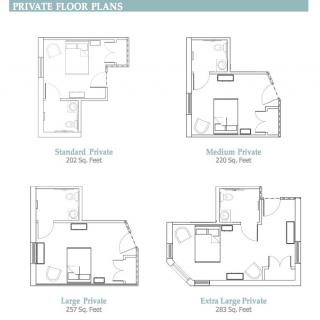
Floor plans
Woodridge Nursing and Rehab
Tarrant County
Texas
Private
$3,750
$3,704
$4,096
Skilled Nursing Facilities with a similar price nearby
Many residents and families describe staff as caring and responsive.
Across reviews, families often mention being welcomed, having questions answered, and feeling day-to-day communication during rehab or long-term stays. Several people name specific staff members as warm, patient, and professional, including during paperwork and onboarding. Some reviews also raise staffing or follow-through problems, but the overall tone in the positive reviews is that staff try to support residents and families through the transition.
common3 reviews mention this
Food quality varies by review
Dining experiences range from liked food to complaints about portions.
One reviewer says their loved one liked the food, while another notes consistent complaints about meal quality and favoritism toward cheese. A separate review describes small portions and dissatisfaction with the food provided. Even when dining is praised, it appears alongside the broader rehab experience rather than as the only deciding factor.
caveat8 reviews mention this
Cleanliness and odors are mixed
Several reviews mention cleanliness problems and strong odors.
Some reviews describe the facility smelling of urine and feces, along with concerns about linens and general cleanliness. Others mention personal-care gaps, like not getting a bath or not washing hair for a week. On the positive side, a few families say the building was clean and that rooms felt safer or better kept. The reviews don’t agree on a single experience, but cleanliness is a recurring point of attention.
caveat2 reviews mention this
Private room expectations get challenged
Some families report private-room or pricing surprises.
One review says a private room was promised for rehab but later became unavailable, which they linked to a management problem. Another review describes a change in the agreed monthly rate for private pay and a request to move the resident to a different room type. Together, these accounts suggest private-room planning may not match what families expect when circumstances or pricing change.
common3 reviews mention this
Memory care shows up in reviews
Multiple reviews reference a memory care section.
Several reviewers mention memory care directly, including being pleased with care in that area and encouraging others to try the memory care center. One family also notes moving their loved one to a setting that specializes in Alzheimer’s and dementia after a stay here. While the community’s reviews reflect some memory-care presence, the accounts focus more on family experience than on specific clinical programs.
How we summarize
Counts show how many written reviews mention each theme; a review can touch several themes, and only frequently mentioned themes are displayed.
Features
Types of Care
Skilled Nursing Facility
Amenities
Private
Transportation
Dallas-Fort Worth International (5 miles away)
Dallas Love (16 miles away)
Nearby Places of Interest
This particular area of Grapevine, Texas offers convenient access to a variety of amenities and services that may be appealing to seniors. With multiple pharmacies located within a short distance, as well as proximity to Baylor Scott & White Hospital and Methodist Southlake Hospital, residents have easy access to healthcare options. A diverse selection of restaurants provides opportunities for dining out, while nearby cafes like Starbucks offer more casual options. Additionally, the presence of places of worship such as Gateway Church and New Life Family Church cater to spiritual needs. For leisure activities, parks like Shadow Ridge Park and Twin Coves Park offer outdoor spaces for relaxation and recreation. Overall, this area provides a mix of essential services and recreational opportunities that may make it a desirable location for senior living.
Woodridge Nursing and Rehab offers competitive pricing for its services, with the cost of a private room set at $3,750 per month. This rate is slightly higher than the average in Tarrant County, which stands at $3,704, yet it remains more affordable compared to the state average of $4,096 in Texas. This positioning suggests that Woodridge provides a balance of quality care and value within the local market, making it an appealing option for families seeking long-term care solutions for their loved ones.
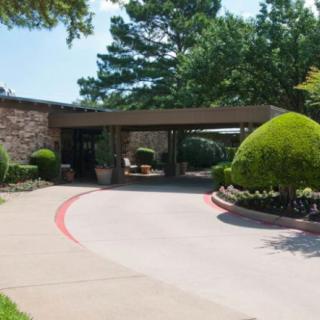
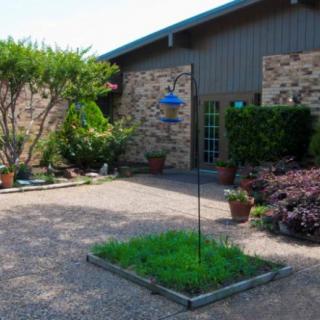
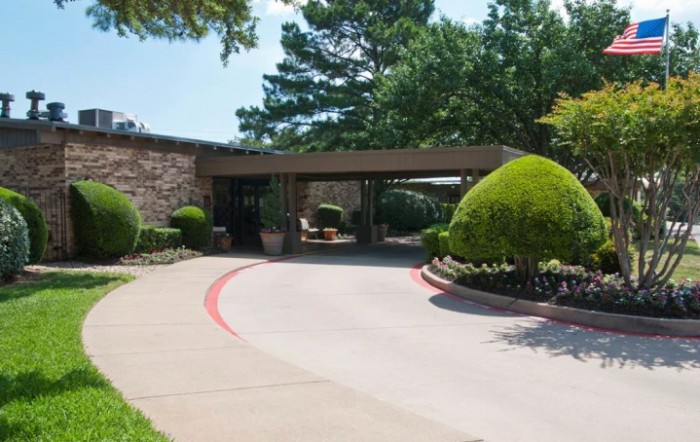
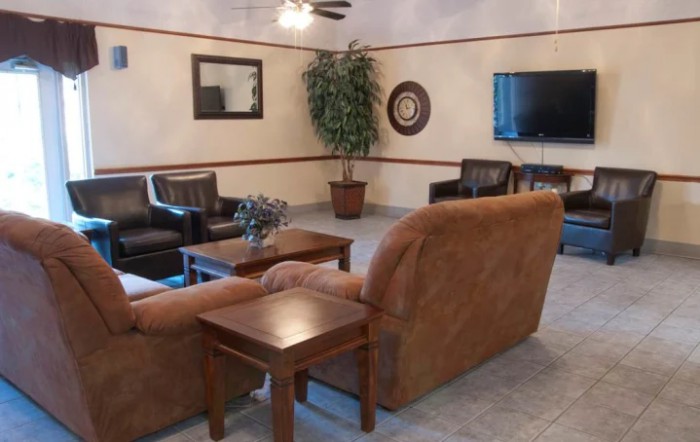
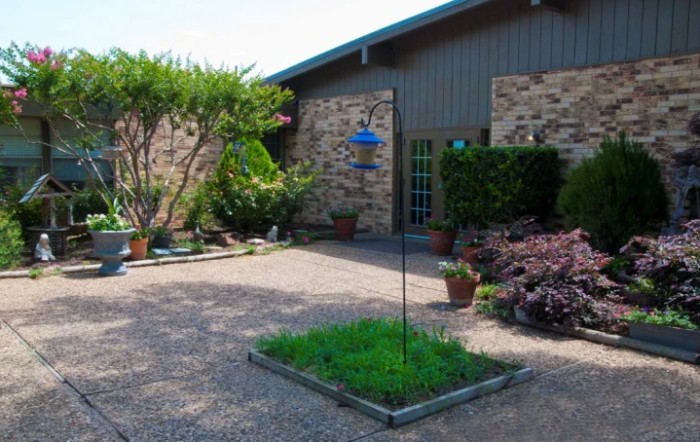
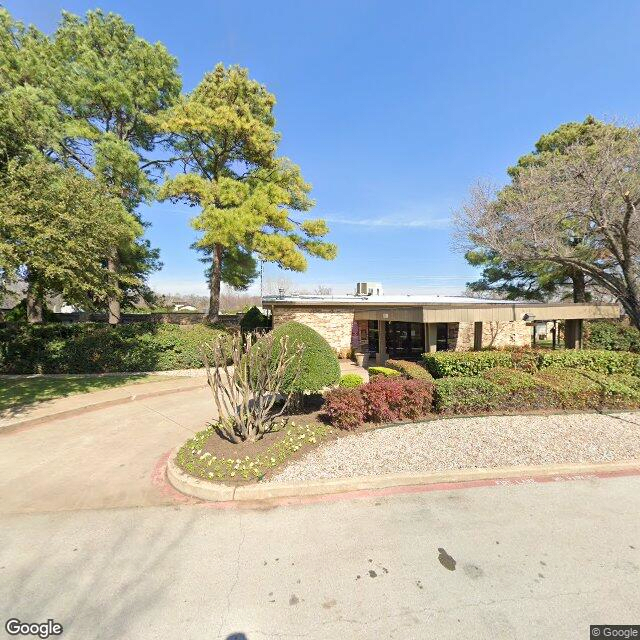
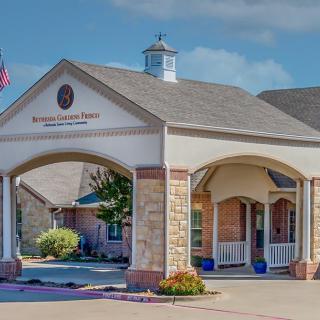
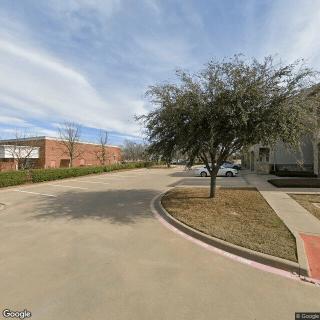
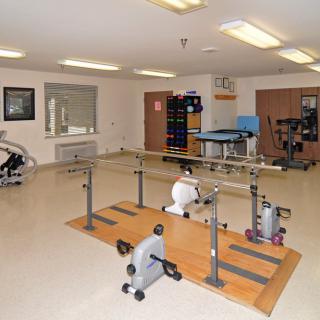
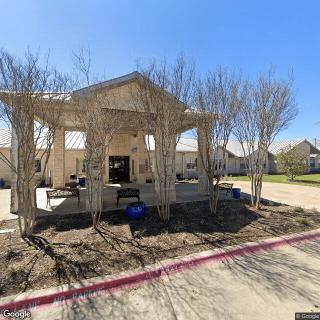
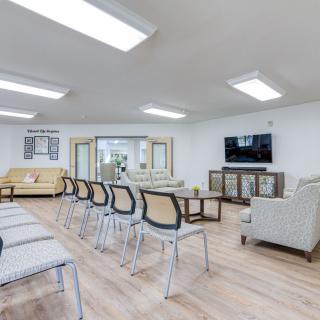
Woodridge Nursing and Rehab on seniors.fyi includes 5 photos including images showing landscaping, outdoors, building, entrance, trees, living room, television, plant, and more.
Nearby Communities
Woodridge Nursing & Rehabilitation - Grapevine
Grapevine, TX
3.8 from 42 reviews
Wide range of on-site amenities and 24/7 supervision with transportation options and daily activities.
Care Mountain - Grapevine
Grapevine, TX
5 from 13 reviews
Peaceful setting with easy access to healthcare, dining, transport, and nearby cultural/spiritual amenities.
Homewatch CareGivers of Keller Grapevine, TX
Grapevine, TX
4.6 from 64 reviews
$4,800 / month
Responsive, compassionate staff and knowledgeable management.
BrightStar Care of Keller
Grapevine, TX
4.8 from 21 reviews
Caring, respectful staff with responsive ownership.
Kindred Transitional Care And Rehabilitation - Grapevine
Grapevine, TX
Luxurious, amenity-rich with 24/7 care and on-site services.
Grapevine Medical Lodge
Grapevine, TX
3.2 from 110 reviews
New management focusing on rehab improvements, with dedicated staff and smoother enrollment.
Grand Brook Memory Care Of Grapevine
Grapevine, TX
4.6 from 71 reviews
$6,400 to $6,925 / month
Specialized memory care with personalized attention and engaging activities.
Solstice Senior Living At Grapevine
Grapevine, TX
4.4 from 94 reviews
$2,195 to $3,795 / month
Clean, welcoming community with friendly staff, engaging activities, and affordable pricing.
Dancing River
Grapevine, TX
4.2 from 94 reviews
$4,925 to $6,275 / month
Compassionate, attentive staff and a clean, welcoming environment with good transition support.
Fecal incontinence, prevalent among older adults, arises from factors like weakened pelvic muscles and nerve damage, significantly affecting well-being and social interactions. Diagnosis involves clinical evaluation and tests to inform tailored treatments, while caregivers and preventive measures can aid in managing the condition effectively.
Anticipatory grief is an emotional response to the impending loss of a loved one, characterized by complex emotions such as sadness and anger, and involves navigating stages similar to those identified by Kübler-Ross. Coping strategies are vital for managing this process, emphasizing compassionate communication, self-care, and support groups while recognizing the cultural influences on grieving.
Adult day care programs offer essential support and activities for older adults, yet many hesitate to participate due to concerns about independence and stigma. To alleviate these apprehensions, families should facilitate open discussions, explore financial resources, suggest trial visits, and collaborate with healthcare providers to highlight the benefits of such services for both the participants and their caregivers.
Get PricingAsk A QuestionSchedule A TourContact Senior Advisor
By clicking submit, you agree to our Partner's Terms of Use. You
also consent to receive calls and texts, which may be autodialed, from our Partner. Your consent is not a condition to
using our Partner's service. Please visit our Partner's Privacy Policy for information about their privacy practices.







 Skilled Nursing Facility
 Private
 Dallas-Fort Worth International (5 miles away)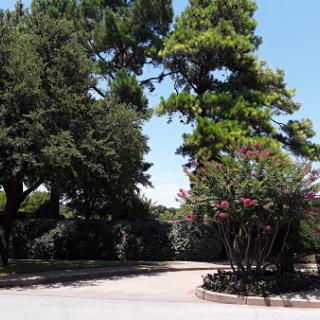
 Wide range of on-site amenities and 24/7 supervision with transportation options and daily activities.


 Fecal Incontinence in Older Adults: A Comprehensive Guide
 Recognizing the Journey: Understanding and Navigating Anticipatory Grief
 Encouraging Participation in Adult Day Care: A Guide to Supporting a Hesitant Parent