For more information about senior living options: (866) 208-4318
4.2 from 94 reviews
5 stars
68
4 stars
7
3 stars
2
2 stars
3
1 stars
14
Dancing River Costs & Pricing
Dancing River offers competitive pricing for its living accommodations, particularly when compared to the broader Tarrant County and Texas averages. For instance, a studio at Dancing River is priced at $4,925, significantly higher than the county's average of $3,659 and the state's average of $3,758. Semi-private rooms are also priced at a premium, costing $5,615 against county and state averages of $3,889 and $3,680 respectively. The trend continues with one-bedroom units at $6,030 and two-bedroom units at $6,275, both surpassing local and state figures by notable margins. These costs reflect the quality of services and amenities provided by Dancing River that may cater to those seeking a more enriched living experience despite the higher price point.
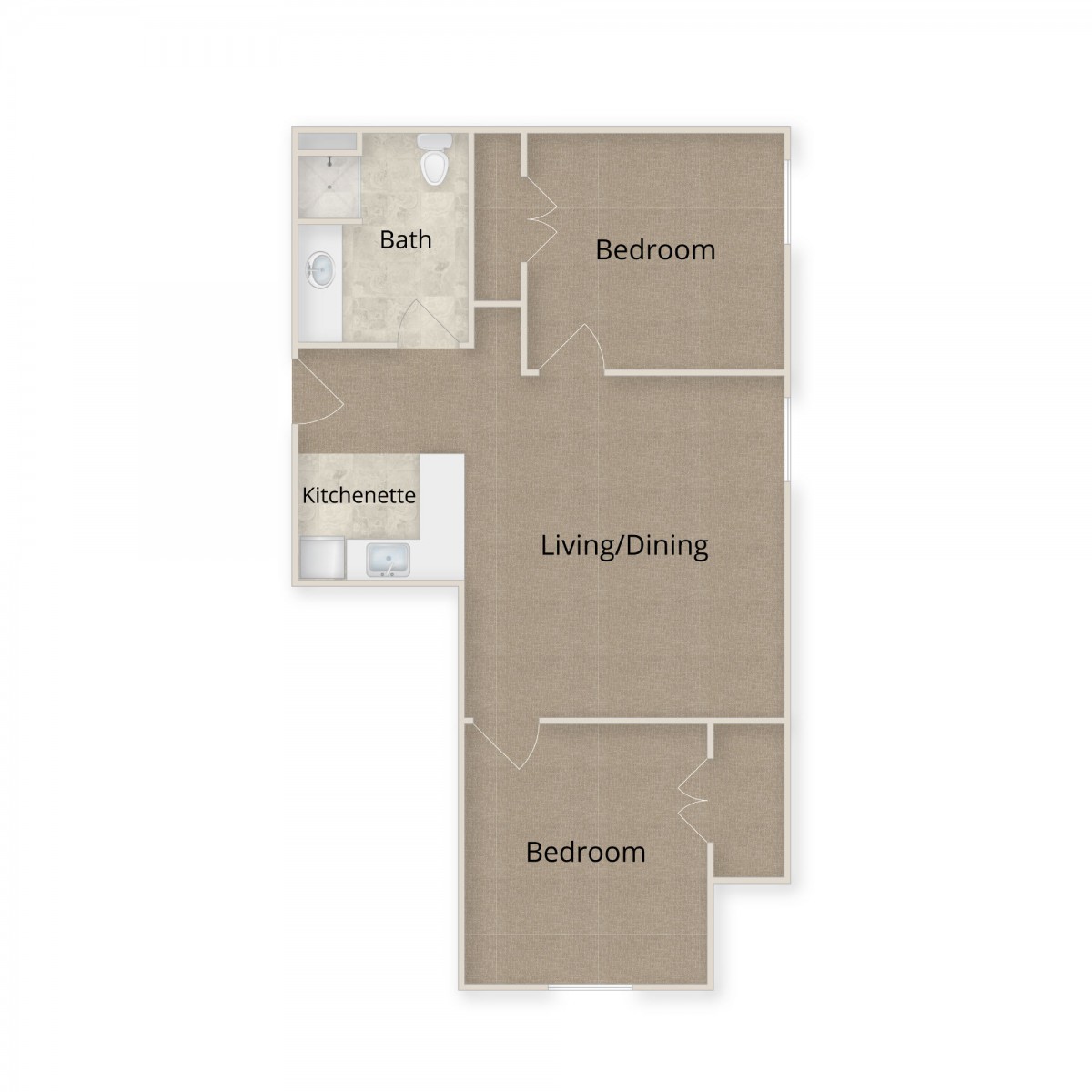
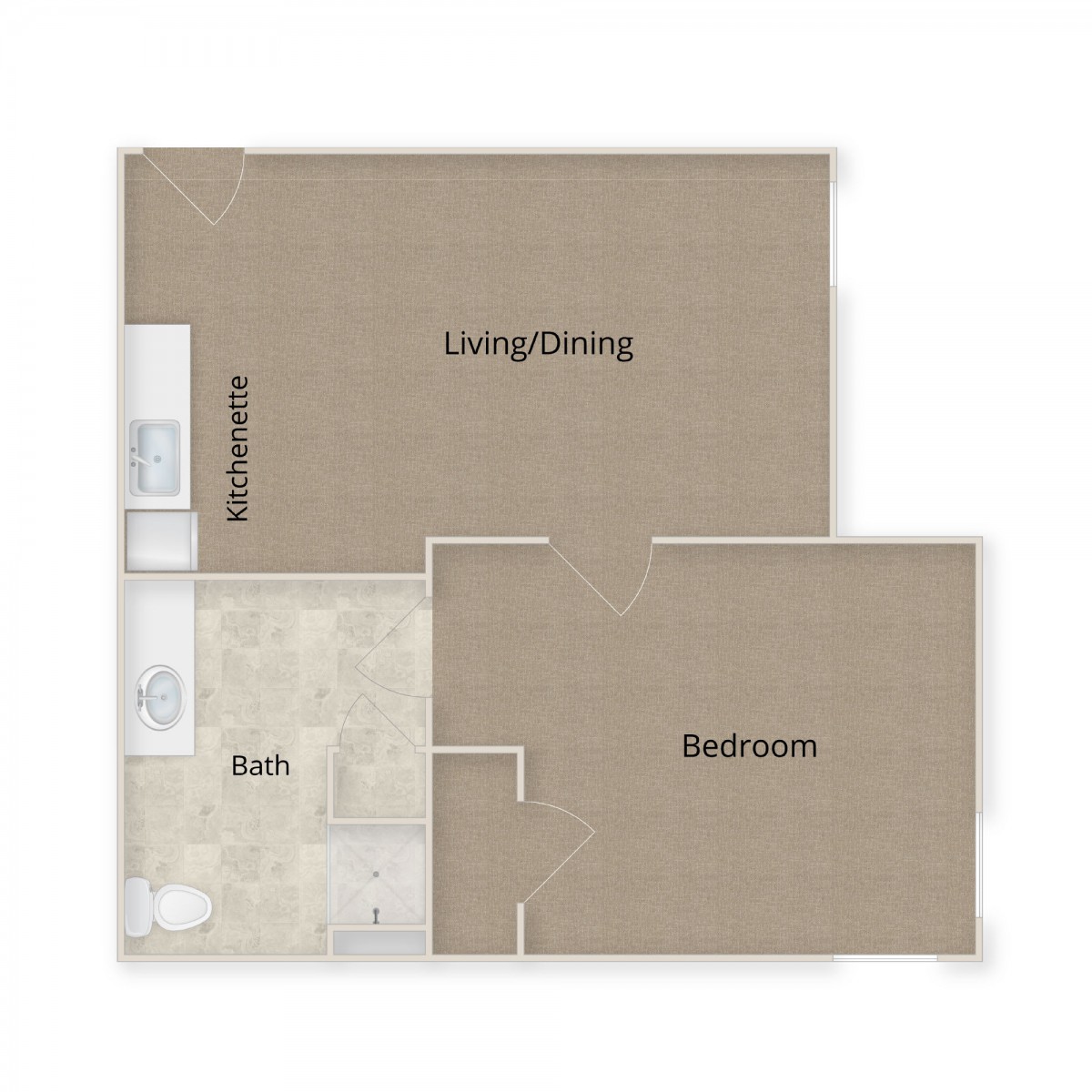
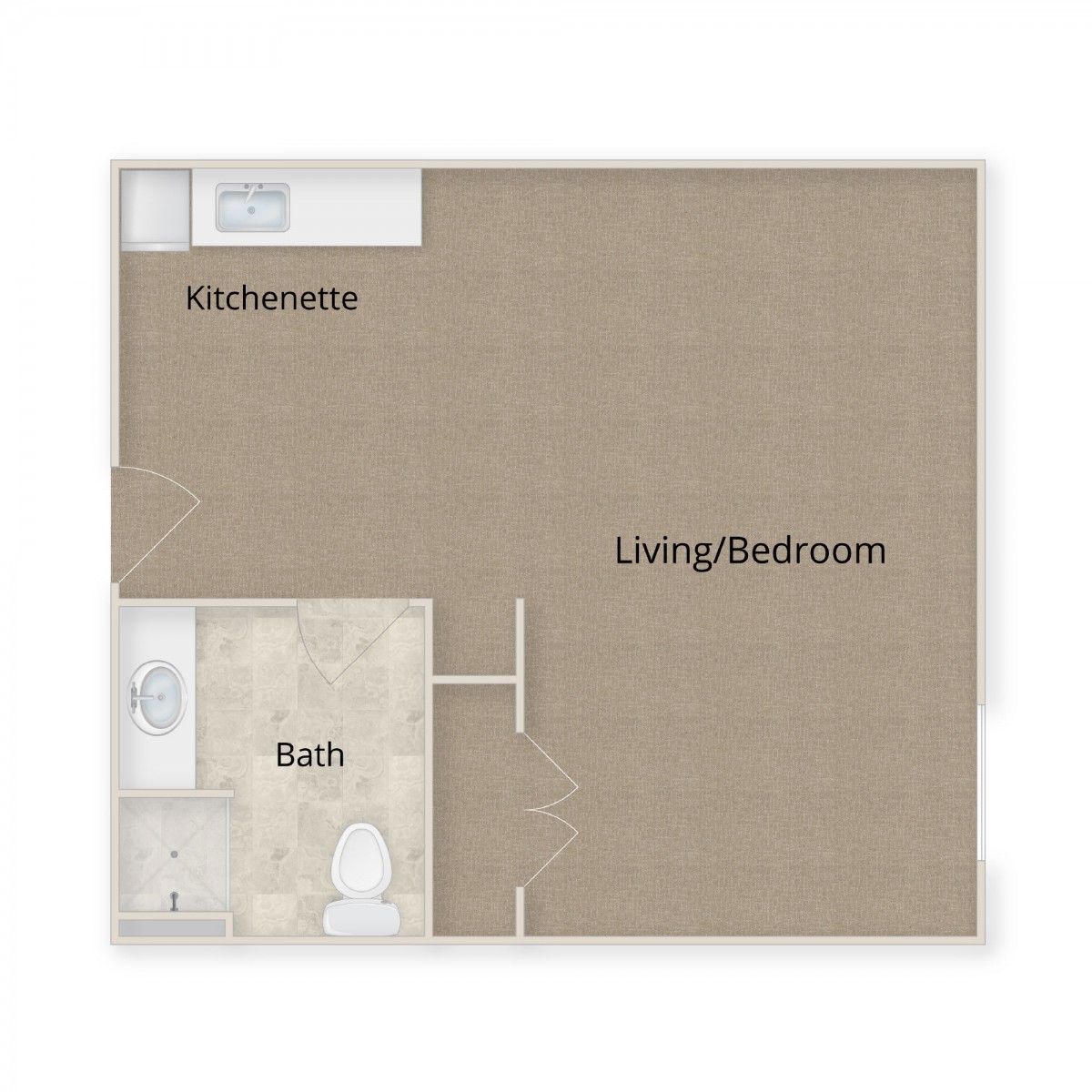
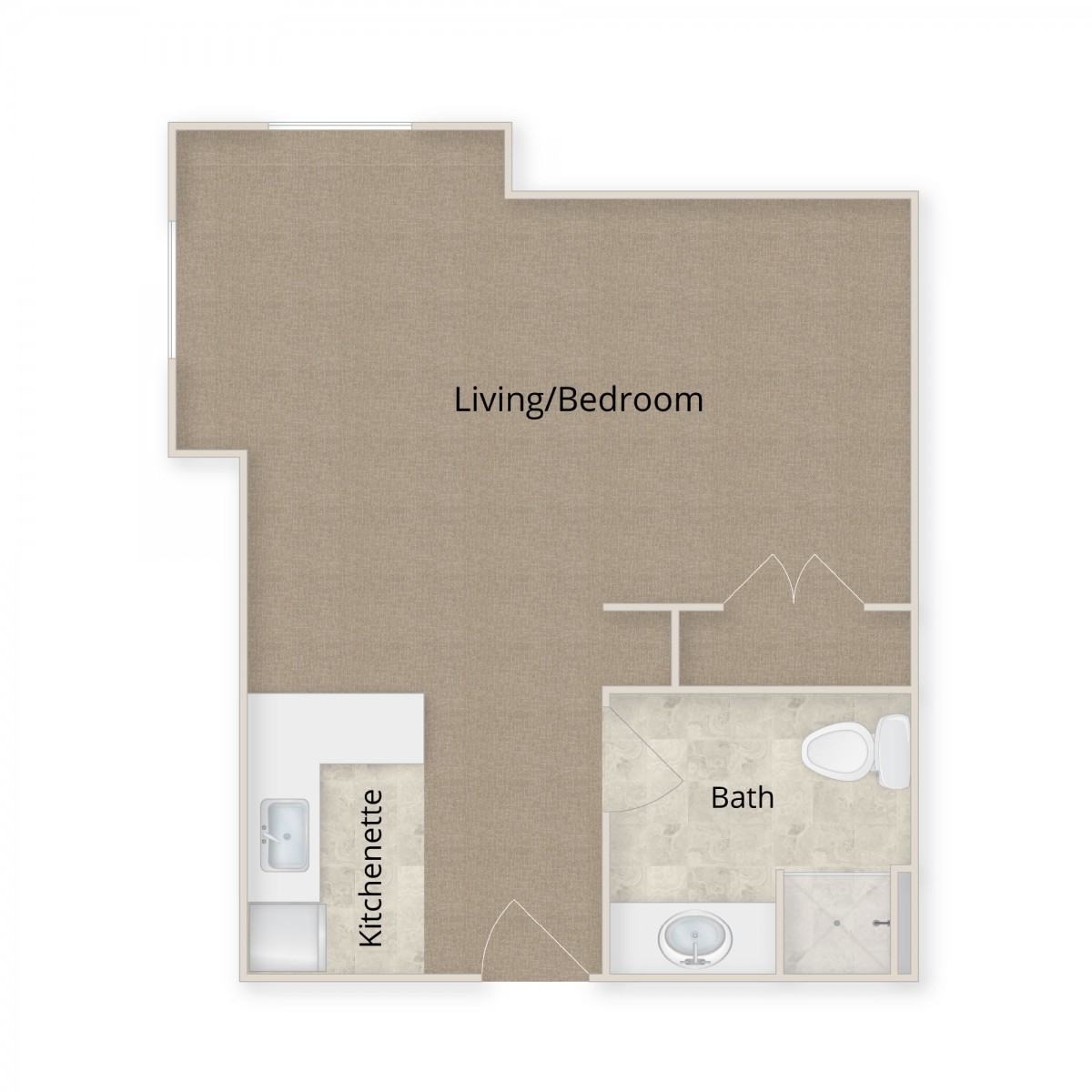
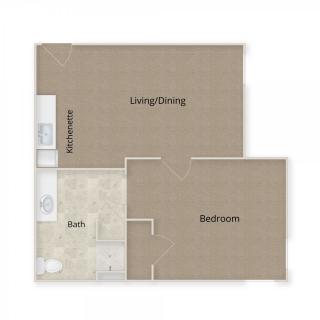
Floor plans
Dancing River
Tarrant County
Texas
Studio
$4,925
$3,659
$3,758
Semi-Private
$5,615
$3,889
$3,680
1 Bedroom
$6,030
$3,741
$3,761
2 Bedrooms
$6,275
$4,099
$4,215
Memory care communities with a similar price nearby
Residents and families repeatedly describe staff as welcoming and attentive.
A large share of reviewers say the staff is kind, approachable, and responsive, with multiple families highlighting how comfortable the team made residents feel. Several comments also point to specific leadership staff making a difference during move-in and day-to-day interactions. Even among critical reviews, commenters consistently mention that some caregivers are genuinely caring—while others feel that staffing and follow-through can fall short.
common14 reviews mention this
Food and dining feel standout
Dining is a frequent highlight, with many meals described as high-quality.
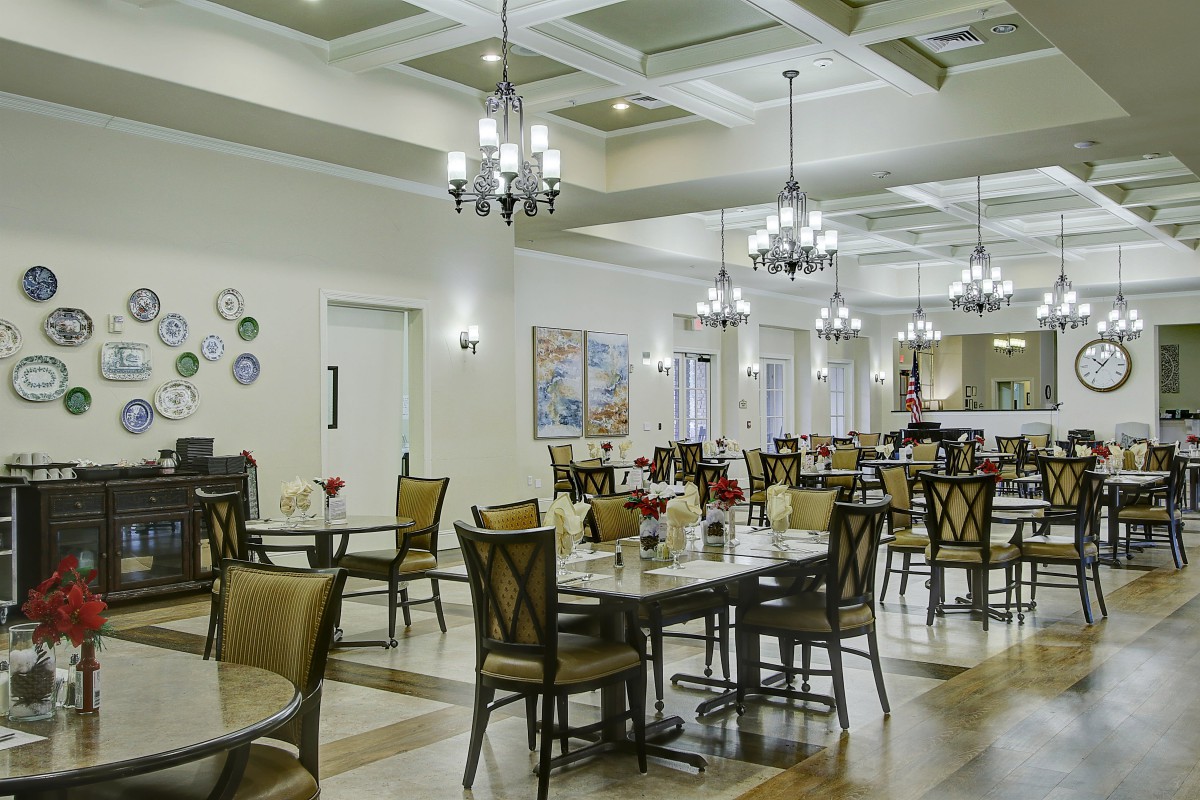
Many reviews praise the kitchen and chef, describing meals as delicious and dining as a comfortable experience. Some residents and families specifically mention room-service style meal support and that food quality is better than other places they compared. A smaller number of reviews raise concerns about food quality or repetition at certain meals, so the experience is not uniformly consistent.
common9 reviews mention this
Activities keep residents engaged
Daily programming and events are a common reason families like visiting.
Reviewers frequently describe residents staying busy with exercise, bingo, entertainment, and scheduled community events. A number of families also mention holiday celebrations and activities that happen both on-site and within the daily rhythm of the community. In contrast, a few critical reviews describe activities as boring or insufficient—especially in memory care—suggesting programming quality may vary by period and staffing levels.
differentiator6 reviews mention this
Memory care transition is valued
Families highlight the ease of moving from assisted living to memory care.
Several reviews describe good outcomes for residents with dementia, including support as needs increased over time. Multiple families specifically mention a straightforward transition down the hall when moving into memory care, and staff being involved as the care plan changed. At the same time, there are also complaints from some residents’ families about memory care staffing levels, activities, and medication processes, so experiences can differ depending on timing and staffing.
caveat10 reviews mention this
Care quality varies with staffing
Some families report problems tied to staffing and care consistency.
While many reviews describe nursing and daily support positively, several critical reviews say staffing was inconsistent or insufficient, especially for residents with higher needs. Some reviewers report medication errors or administrative unresponsiveness, and a few describe cleanliness or room-care issues. There are also accounts involving delayed assistance after a fall, which drives some families to relocate quickly.
caveat6 reviews mention this
Pricing runs high for most units
Families frequently call out the cost as a downside.
Several reviewers describe the community as expensive or pricier than alternatives they toured. One reviewer shared a specific private-studio price, and others discussed rate increases and budget pressure for the amount of care received. While some families say the price is worth it because of care, the recurring cost complaints make affordability a clear consideration.
How we summarize
Counts show how many written reviews mention each theme; a review can touch several themes, and only frequently mentioned themes are displayed.
Features
Housing
106 resident community capacity
1-bedroom apartments
2-bedroom apartments
Studio apartments
Types of Care
Assisted Living
Memory Care
Amenities
Activities off-site
Activities on-site
Air-conditioning
Beautician on-site
Beauty salon
Cable or satellite TV
Computer center
Devotional services off-site
Devotional services on-site
Dining room
Fitness room
Fully furnished
Gaming room
Garden
Garden view
Ground floor units
Handicap accessible
Housekeeping services
Indoor common areas
Kitchenette
Laundry
Move-in coordination
Outdoor common areas
Outdoor space
Party space
Private bathrooms
Private patio, deck, or balcony
Respite or short term stays offered
Restaurant-style dining
Small library
Telephone
Wellness center
Wheelchair accessible showers
Wi-Fi/high-speed internet available
Transportation
Dallas-Fort Worth International (5 miles away)
Dallas Love (17 miles away)
Community operated transportation
Transportation & parking
Transportation arrangement
Transportation arrangement (non-medical)
Transportation to doctors appointments
Care Services
12-16 hour nursing
24-hour call system
24-hour supervision
Activities of daily living assistance
Ambulatory care
Assistance with bathing
Assistance with dressing
Assistance with transfers
Diabetes diet
Diabetic care
High acuity care
Incontinence care
Meal preparation and service
Medication management
Mental wellness program
Mild cognitive impairment
Special dietary restrictions
Specialized memory care programming
Dining
Diabetes diet
Guest meals
International cuisine
Meals provided
Professional chef
Restaurant style dining
Room service
Special dietary restrictions
Special dining programs
Activities
Activities off-site
Art classes
Bible study group
Catholic services
Community-sponsored activities
Concierge services
Cooking classes
Devotional activities offsite
Devotional activities on-site
Educational speakers / life long learning
Fitness programs
Jewish services
Mormon/LDS services
Other religious services
Planned day trips
Protestant services
Religious services
Resident-run activities
Scheduled daily activities
Visiting chaplain or priest
Languages Spoken
English
Nearby Places of Interest
This part of Grapevine, Texas offers a convenient and diverse range of amenities suitable for seniors looking to settle in the area. With multiple pharmacies, physicians' offices, and hospitals within a few miles radius, residents have easy access to healthcare services. The variety of restaurants and cafes provide plenty of dining options for social gatherings or leisurely meals. Additionally, the presence of places of worship offers spiritual support and community engagement opportunities. The nearby parks provide outdoor recreational activities and the close proximity to transportation hubs ensures easy travel when needed. Overall, this neighborhood provides a well-rounded environment with everything seniors may need for a comfortable lifestyle in their later years.
Dancing River offers competitive pricing for its living accommodations, particularly when compared to the broader Tarrant County and Texas averages. For instance, a studio at Dancing River is priced at $4,925, significantly higher than the county's average of $3,659 and the state's average of $3,758. Semi-private rooms are also priced at a premium, costing $5,615 against county and state averages of $3,889 and $3,680 respectively. The trend continues with one-bedroom units at $6,030 and two-bedroom units at $6,275, both surpassing local and state figures by notable margins. These costs reflect the quality of services and amenities provided by Dancing River that may cater to those seeking a more enriched living experience despite the higher price point.
The features offered by Dancing River are meticulously designed to support and enhance the quality of life for residents with dementia or Alzheimer's disease. With 24-hour supervision, residents receive constant monitoring, ensuring their safety and peace of mind. Assistance with activities of daily living--including bathing, dressing, and transfers--promotes dignity while addressing fundamental needs that can become challenging due to cognitive decline. Incontinence care is sensitive and respectful, allowing residents to maintain comfort throughout the day. Meal preparation and service ensure that nutritional needs are met with consideration for individual preferences, while medication management helps prevent complications arising from incorrect dosages or missed medications. Additionally, a mental wellness program and specialized memory care programming engage residents cognitively and emotionally, catering specifically to different stages of memory impairment. Collectively, these services provide a comprehensive framework that fosters autonomy while safeguarding well-being in an empathetic environment.
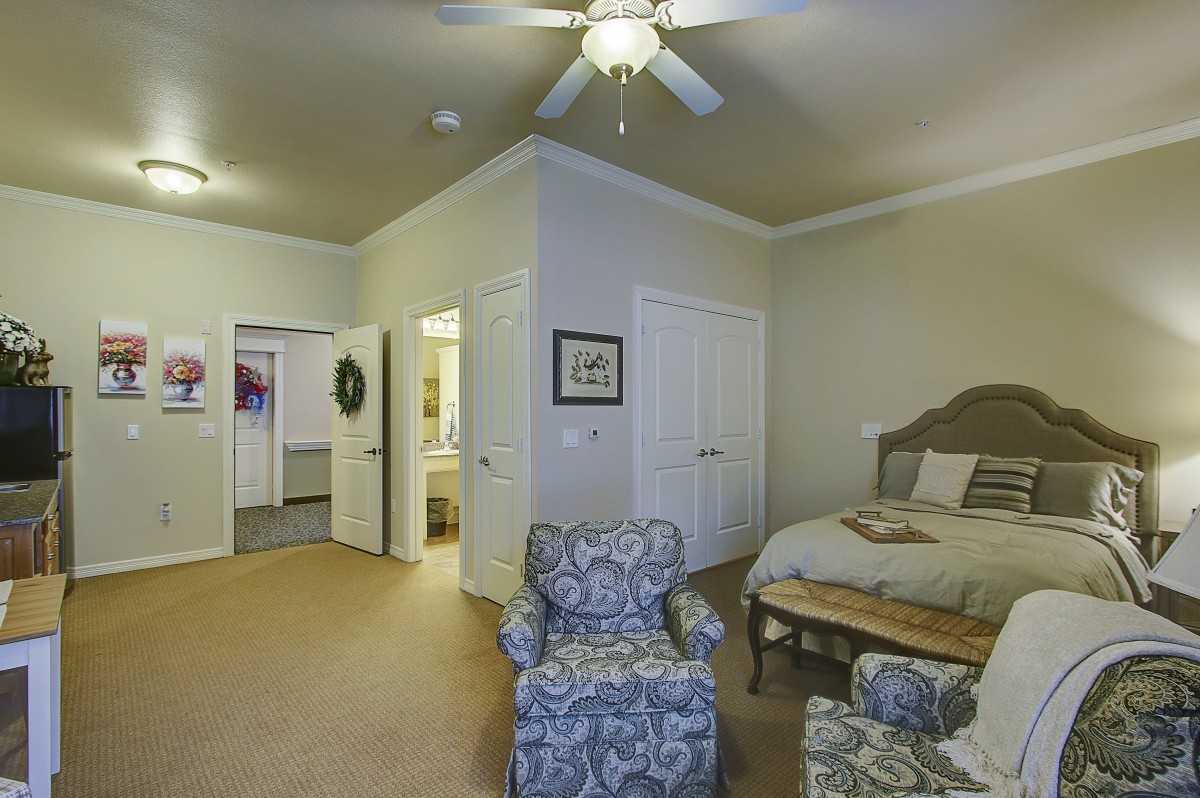
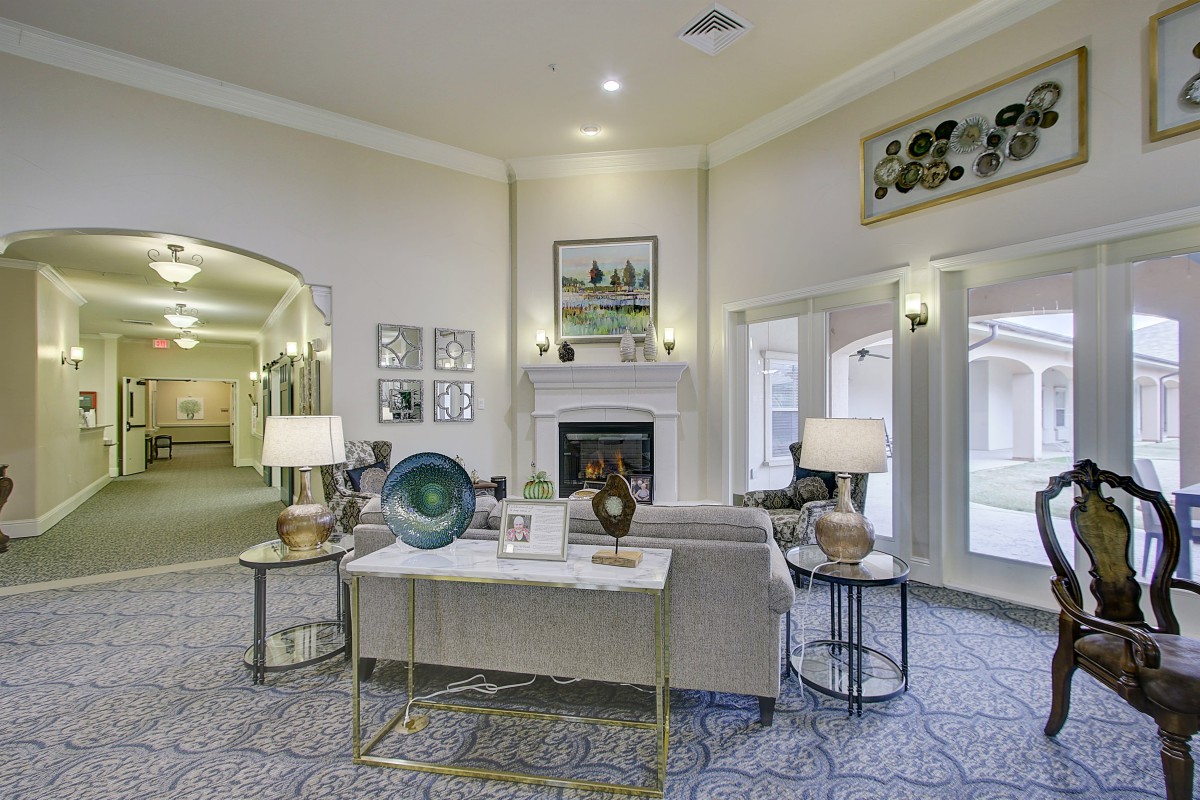
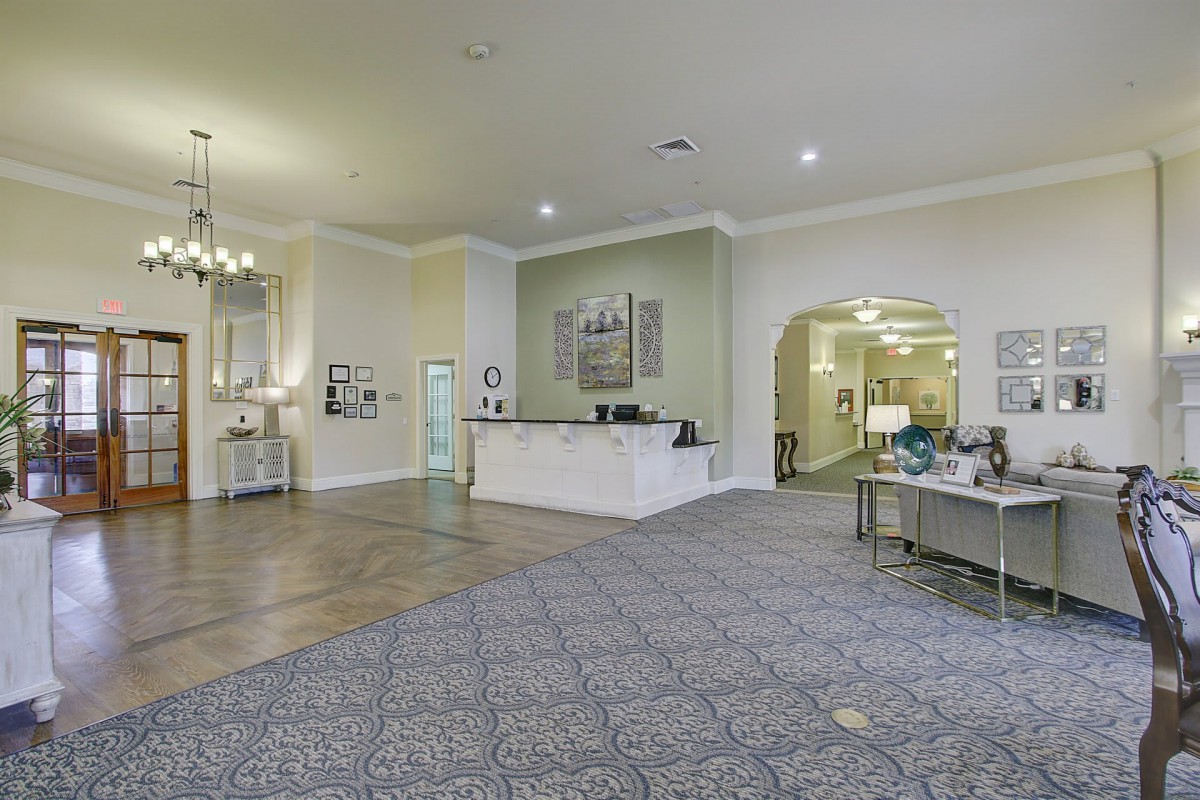
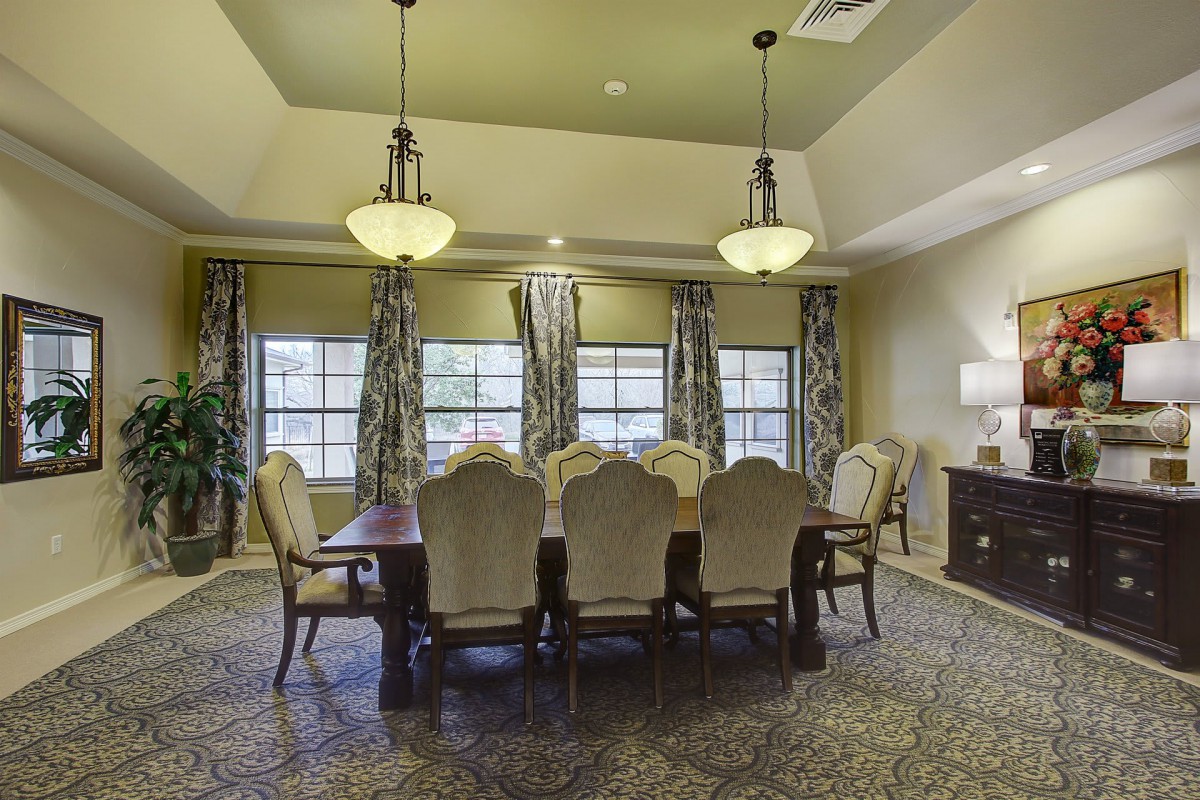
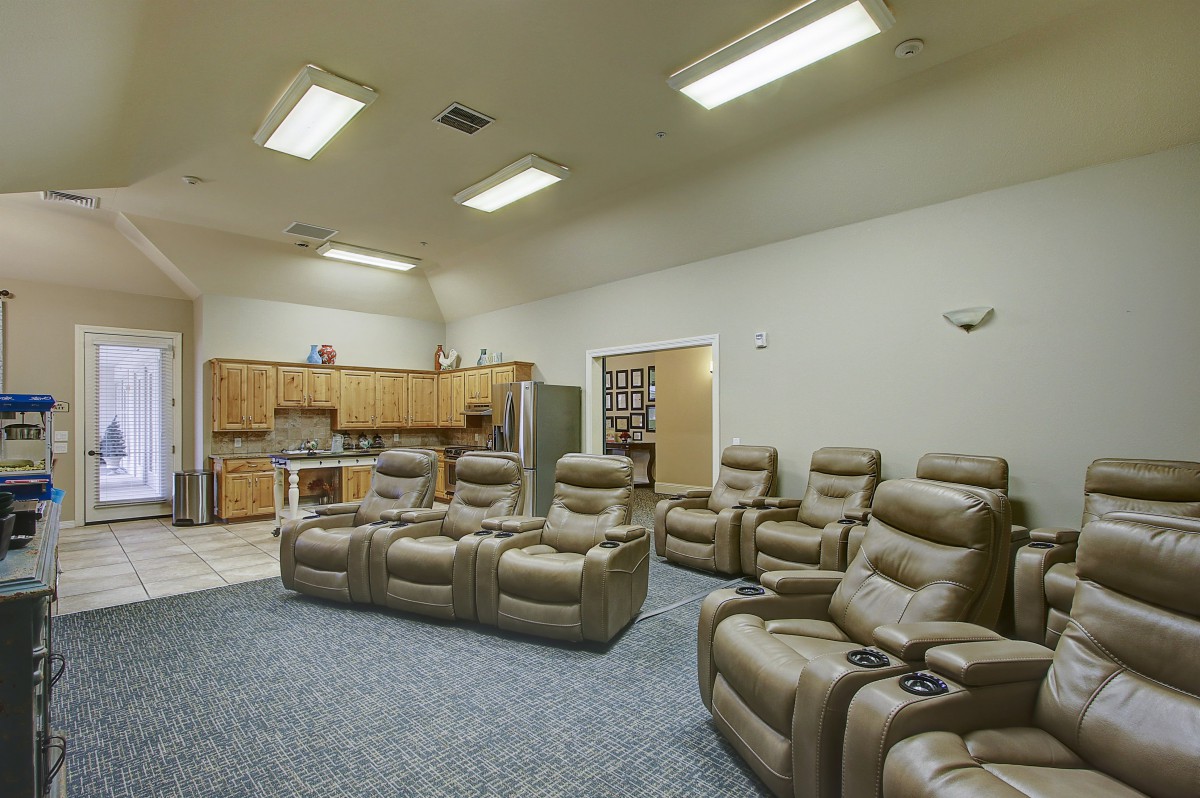
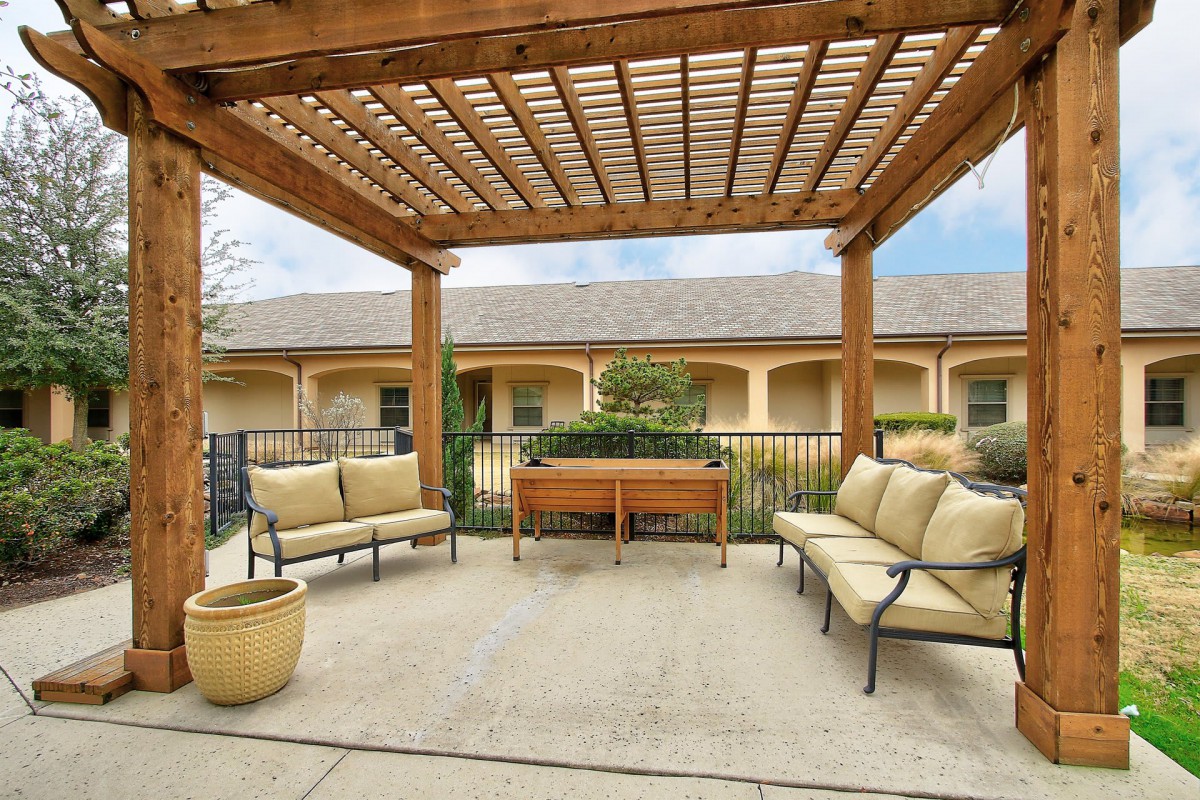
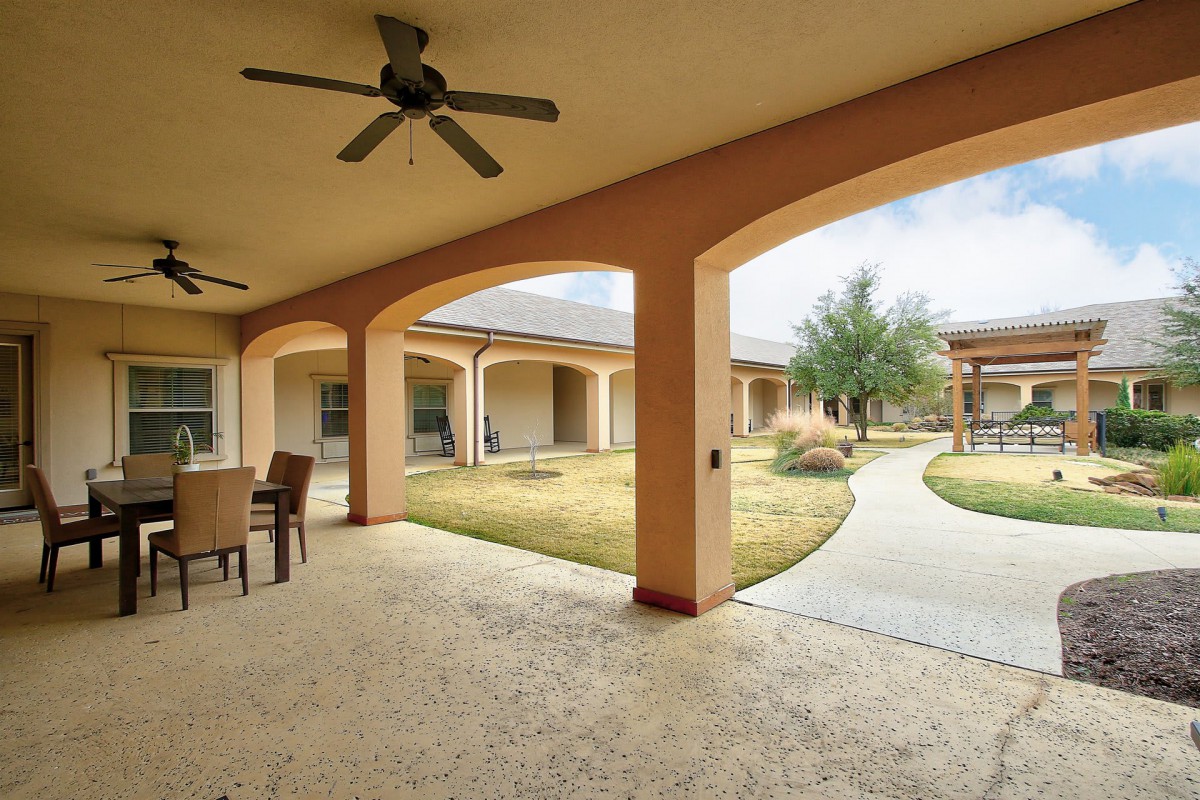
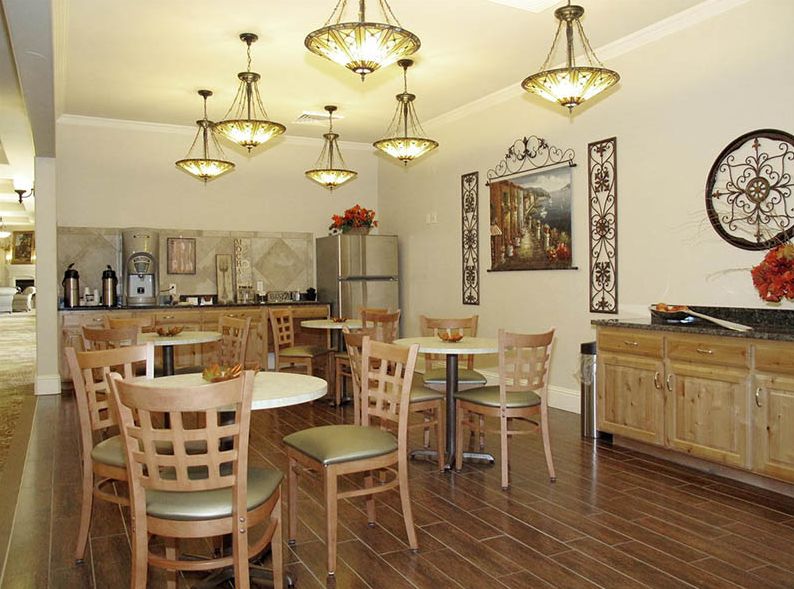
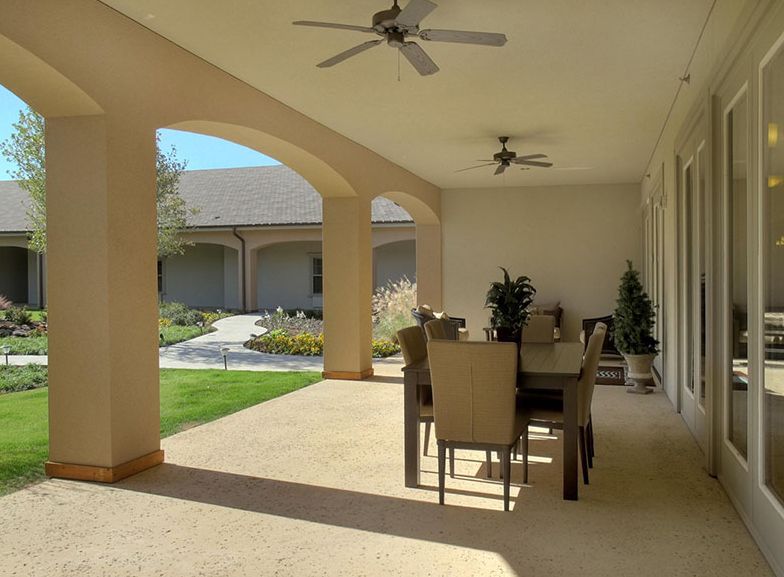
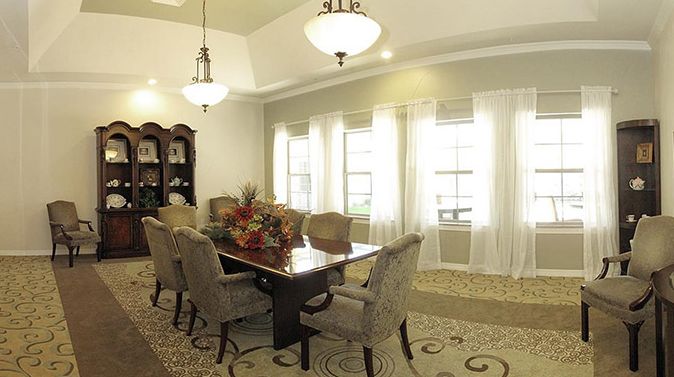
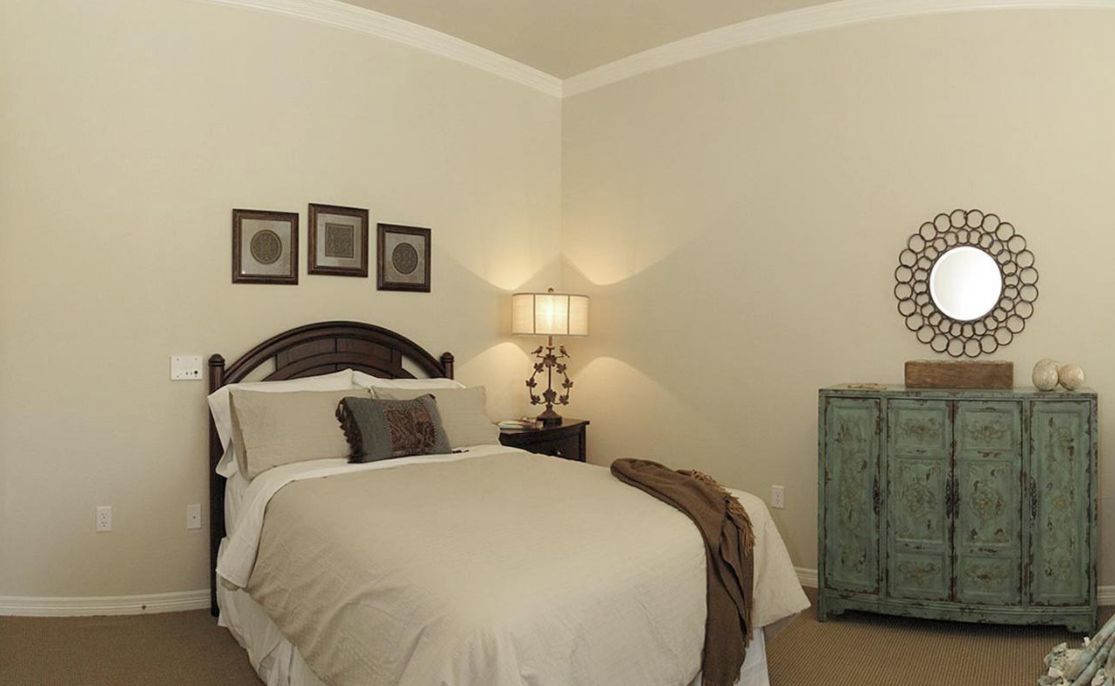
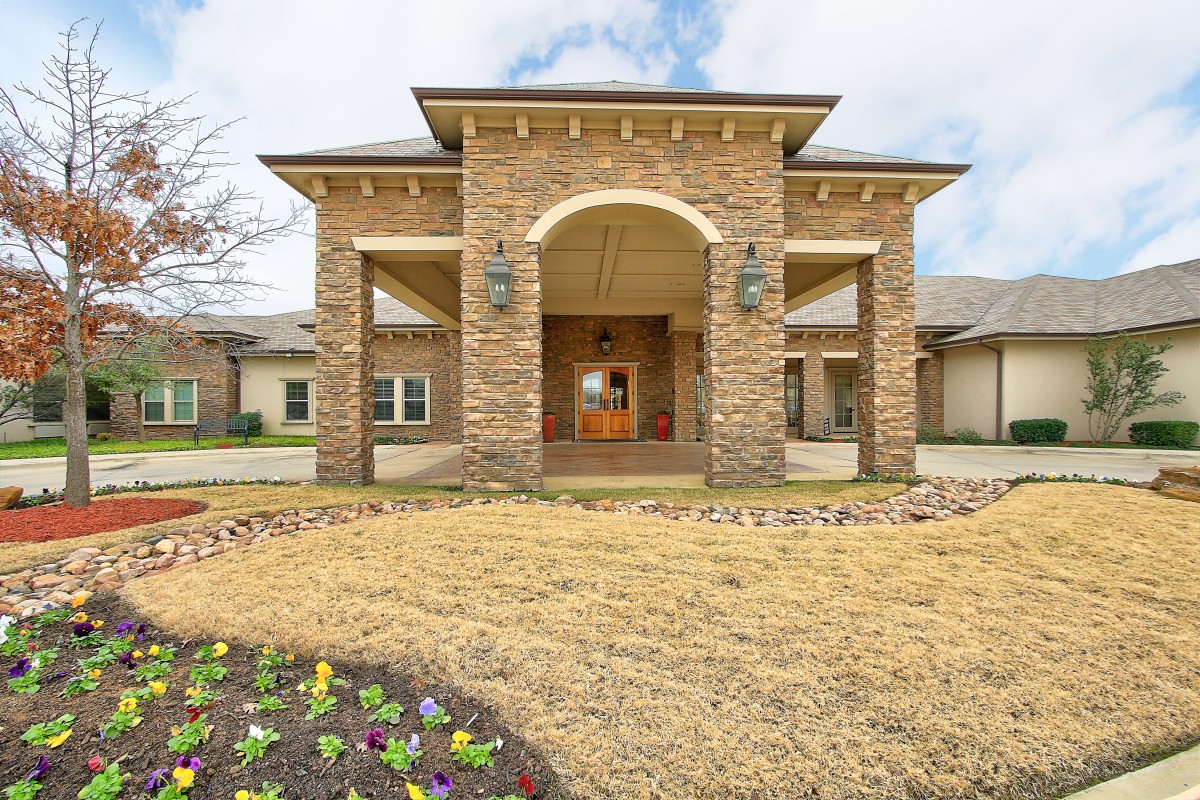
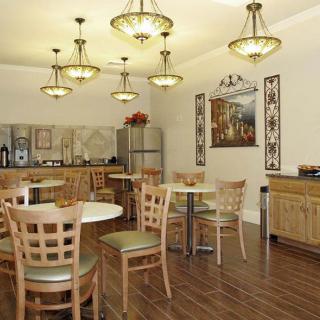
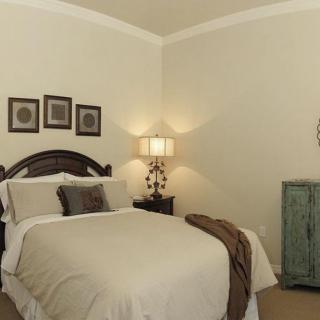
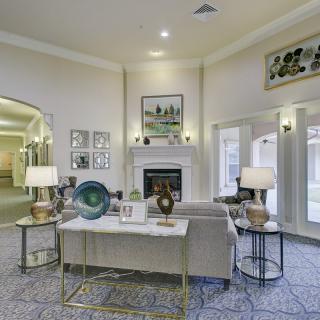
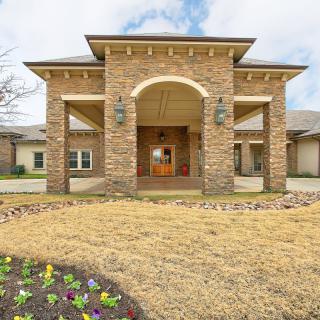
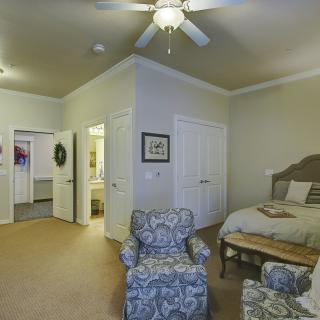
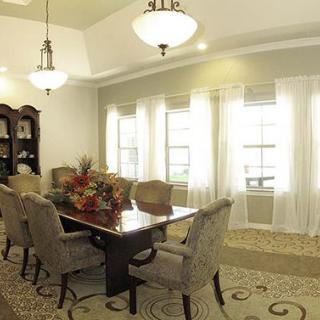
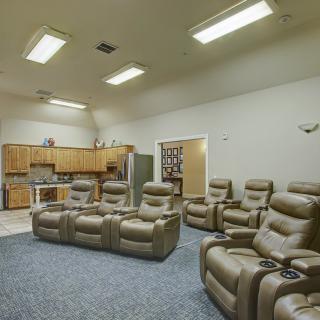
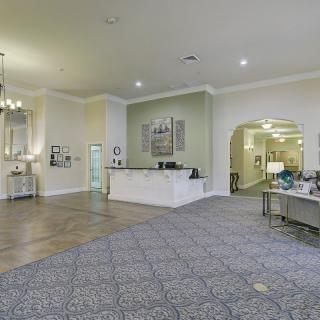
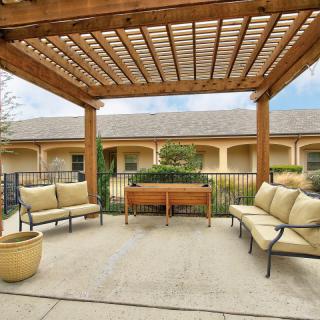
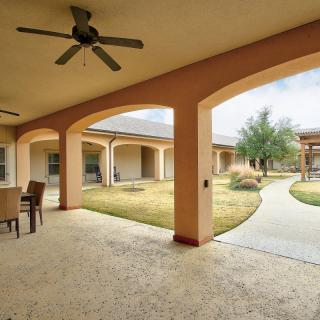
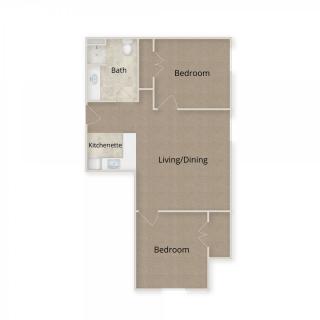
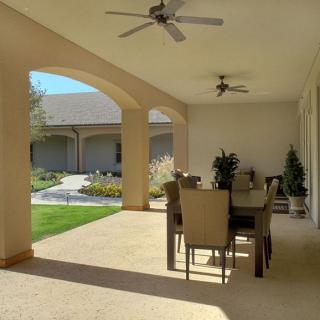
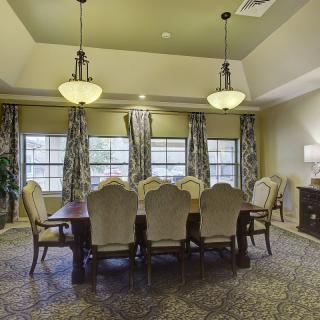
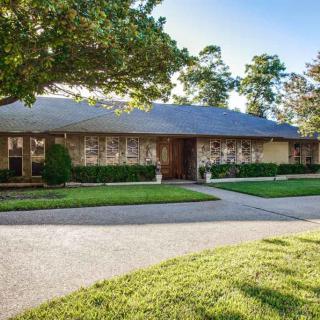
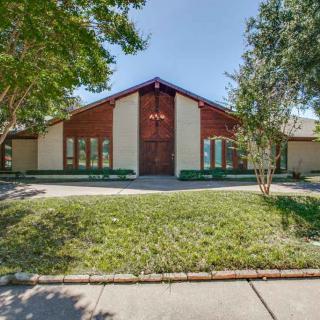
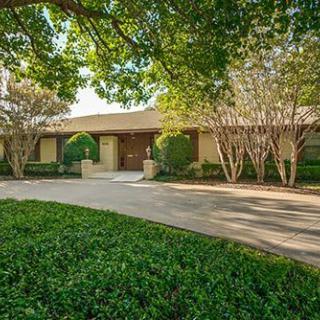
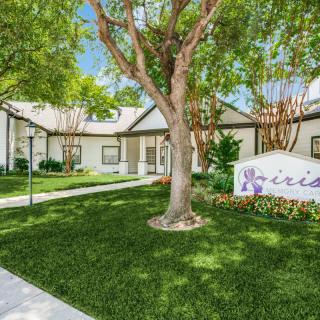
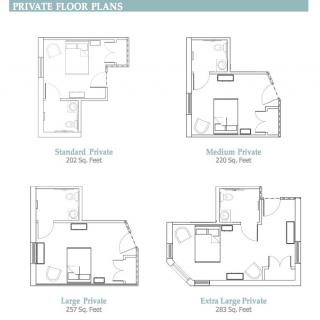
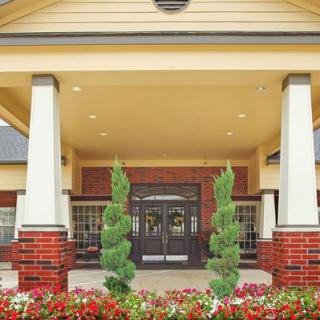
Dancing River on seniors.fyi includes 17 photos including images showing interior, floor plan, dining, bedroom, decor, patio, kitchen, bathroom, and more.
Nearby Communities
The Oaks At Flower Mound
Grapevine, TX
4.5 from 39 reviews
Compassionate staff in a clean, engaging environment.
Solstice Senior Living At Grapevine
Grapevine, TX
4.4 from 94 reviews
$2,195 to $3,795 / month
Clean, welcoming community with friendly staff, engaging activities, and affordable pricing.
The Lodge At Bear Creek
Grapevine, TX
4.2 from 112 reviews
Wide range of amenities and care services (dining, fitness, transportation, mental wellness, private rooms, medication management, and mobility support).
Grand Brook Memory Care Of Grapevine
Grapevine, TX
4.6 from 71 reviews
$6,400 to $6,925 / month
Specialized memory care with personalized attention and engaging activities.
Home Care Assistance Fort Worth North
Colleyville, TX
4.7 from 29 reviews
Some caregivers are attentive and dependable, providing useful support and light housekeeping.
Home Care Assistance of Fort Worth and Tarrant County - Colleyville, TX
Colleyville, TX
4.9 from 11 reviews
Exceptional, nurturing care in a comfortable setting with comprehensive amenities and nearby healthcare, dining, and parks.
Homewatch CareGivers of Keller Grapevine, TX
Grapevine, TX
4.6 from 64 reviews
$4,800 / month
Responsive, compassionate staff and knowledgeable management.
Bedford Estates Senior Living
Bedford, TX
4 from 73 reviews
$2,950 to $4,550 / month
Responsive management and friendly staff; pleasant dining atmosphere.
Bishop Davies Nursing Center
Hurst, TX
3.9 from 115 reviews
Friendly staff in parts; comfortable rooms; good dining and activities.
Medicaid coverage for assisted living varies by state and is primarily available to low-income individuals, with eligibility dependent on strict income and asset limits. Some states offer HCBS waivers for specific services in assisted living, but families must generally cover room and board costs, and should verify facility acceptance of Medicaid while considering potential waiting lists.
Medicaid waivers for assisted living services provide vital support for seniors and individuals with disabilities in need of long-term care, with varying state-specific eligibility criteria and benefits. These waivers cover personal care and case management but often do not fully cover room and board, leading to waiting lists for many applicants.
The article compares assisted living and skilled nursing facilities, detailing their differing levels of assistance, medical support, cost structures, and day-to-day experiences. It emphasizes that assisted living is for those needing help with daily activities while maintaining independence, whereas skilled nursing facilities provide intensive medical care with 24-hour staff supervision.
Get PricingAsk A QuestionSchedule A TourContact Senior Advisor
By clicking submit, you agree to our Partner's Terms of Use. You
also consent to receive calls and texts, which may be autodialed, from our Partner. Your consent is not a condition to
using our Partner's service. Please visit our Partner's Privacy Policy for information about their privacy practices.



 106 resident community capacity
 1-bedroom apartments
 Assisted Living
 Memory Care
 Activities off-site
 Air-conditioning
 Beautician on-site
 Cable or satellite TV
 Computer center
 Devotional services off-site
 Dining room
 Fitness room
 Fully furnished
 Gaming room
 Garden
 Ground floor units
 Handicap accessible
 Housekeeping services
 Indoor common areas
 Kitchenette
 Laundry
 Move-in coordination
 Outdoor common areas
 Party space
 Private bathrooms
 Private patio, deck, or balcony
 Respite or short term stays offered
 Restaurant-style dining
 Small library
 Telephone
 Wellness center
 Wheelchair accessible showers
 Wi-Fi/high-speed internet available
 Dallas-Fort Worth International (5 miles away)
 Community operated transportation
 12-16 hour nursing
 24-hour call system
 Ambulatory care
 Assistance with bathing
 Assistance with dressing
 Assistance with transfers
 Diabetes diet
 Diabetic care
 High acuity care
 Incontinence care
 Medication management
 Mental wellness program
 Special dietary restrictions
 Art classes
 Bible study group
 Concierge services
 Cooking classes
 Educational speakers / life long learning
 Jewish services
 Planned day trips
 English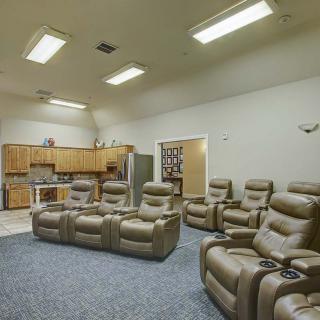
 Compassionate staff in a clean, engaging environment.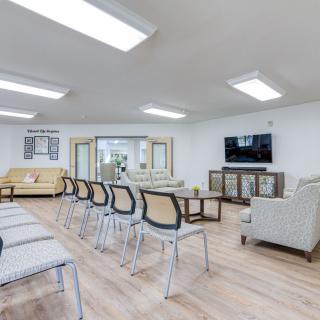



 How and When Medicaid May Cover Assisted Living Costs
 A Detailed Exploration of Assisted Living Medicaid Waivers Across the United States
 Exploring the Contrasts Between Assisted Living and Skilled Nursing