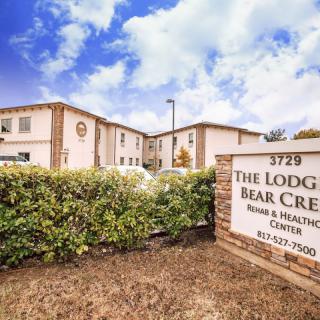
The Lodge At Bear Creek

Save
The Lodge At Bear Creek The Lodge At Bear Creek The Lodge At Bear Creek The Lodge At Bear Creek

The Lodge At Bear Creek

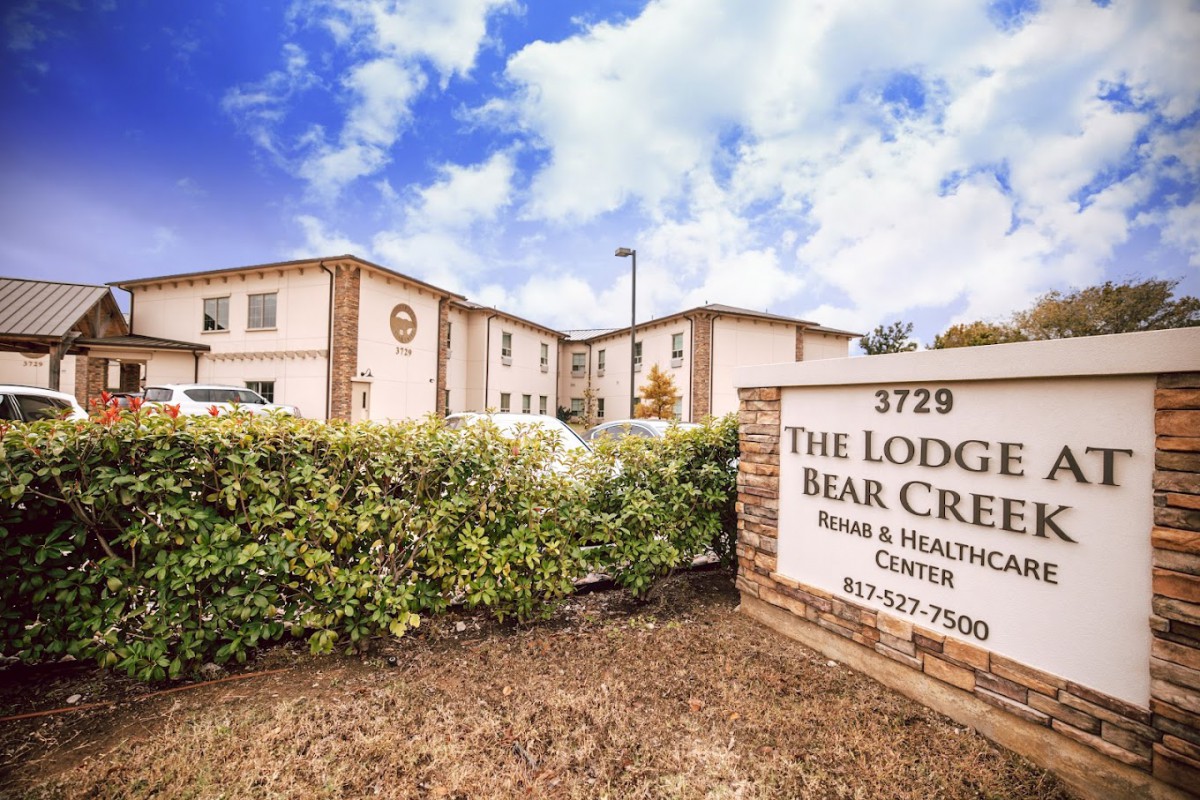
3729 Ira East Woods Avenue, Grapevine, TX 76051

For more information about senior living options: (844) 490-3973

4.2 from 100 reviews
5 stars
70
4 stars
11
3 stars
0
2 stars
2
1 stars
17

Skilled Nursing Facility

What level of care are you interested in?

Assisted Living

Memory Care

Independent Living

Skilled Nursing Facility

Continuing Care Retirement Community (CCRC)CCRC

Other


Request a tour at The Lodge At Bear Creek

    Overall Review of The Lodge At Bear Creek

    Pros

    • pro The Lodge at Bear Creek is described as the best rehabilitation facility the reviewer has experienced.
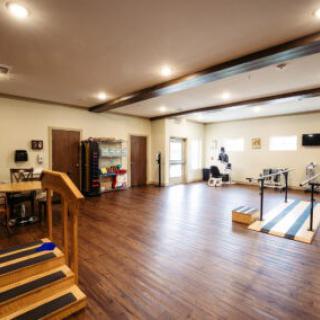
    • pro The staff provides excellent physical therapy.
    • pro The activities program is exceptional in entertaining residents and creating a pleasant, fun atmosphere.
    • pro The kitchen staff serves exceptional food.
    • pro The facility is extremely clean, neat, and safe.
    • pro The skilled nursing team demonstrates professionalism, compassion, and deep expertise.
    • pro ADON Carmin provides thorough education on managing life after a skilled stay.
    • pro Wound care by Liz helps ensure no infections in complex cases.
    • pro Avera, the social worker, coordinates discharge planning seamlessly, arranging supplies and appointments.
    • pro Aryan, the Admissions Director, is helpful, supportive, and guiding through situations.

    Cons

    • pro A nurse admitted to caring for 16 patients alone, indicating dangerous understaffing.
    • pro Patients reportedly went days without baths.
    • pro Medications were given hours late.
    • pro The food was described as terrible or inedible.
    • pro There was no security; the building code was taped on the door.
    • pro Night staff allegedly did not respond to calls for help.
    • pro A family member slipped cash to a nurse for "special attention," suggesting bribery.
    • pro Social workers did not engage promptly, delaying a care plan by six days.

    Review

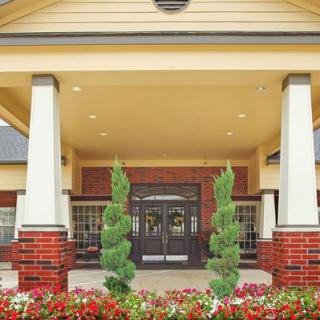
    The Lodge at Bear Creek skilled nursing and rehabilitation facility draws a wide range of experiences from those who have passed through its doors, creating a tapestry of praise and concern that reflects the complexity of long-term care. On the overwhelmingly positive side, many reviewers describe the Lodge as a bright, clean, and safe environment where the overall experience of rehabilitation and recovery feels truly supportive. They sing praises of the physical therapy program, noting it as a standout aspect of the stay, with therapists who are skilled, patient, and focused on real progress. The atmosphere in the facility is frequently highlighted as welcoming and cheerful, thanks in large part to activities staff who go to great lengths to entertain residents and foster a pleasant, uplifting environment. And the kitchen staff receives frequent commendations for providing meals that are not only nourishing but also well-prepared and enjoyable. Taken together, these elements contribute to a strong impression of a well-run operation where cleanliness, safety, and attentiveness are visible in day-to-day routines.

    In particular, several reviews emphasize the quality of the nursing and education provided during the stay. The skilled nursing team is repeatedly described as professional, compassionate, and highly knowledgeable. One reviewer highlights the ADON Carmin, who is praised for taking the time to thoroughly educate families about life after a skilled stay and for offering practical guidance on wound care and recovery. Wound care performed by Liz is singled out as a crucial factor in preventing infections and managing complex cases. The sense of reassurance extends beyond acute care; discharge planning is described as seamless and well-coordinated, with Avera, the social worker, playing a pivotal role in lining up supplies and appointments to ensure a smooth transition home. Nurses are portrayed as patient and accessible, providing clear, kind explanations and hands-on demonstrations that empower patients and families to continue care at home with confidence.

    Another thread of the positive experiences centers on the continuity of care and the supportive administrative team. When a family member's loved one entered the facility in May 2025, the impression remained strong: the residential environment was clean, bright, and secure, and the admissions process opened with a sense of thoughtful policies and procedures. The trio of staff - Aryan in Admissions, Lori the Business Manager, and Avera the social worker - are repeatedly described as helpful, supportive, and accommodating, offering guidance through challenging situations. For families facing dementia and the emotional weight that accompanies a loved one's move into skilled nursing, these administrative figures are remembered as steady, compassionate anchors. In addition, the caregiving staff - amas of aides and technicians - are lauded for their kindness, humor, and thoughtful interaction with residents. The overall tone of these accounts is one of gratitude and relief, with many reviewers expressing a deep sense of appreciation and a strong recommendation for the Lodge to others navigating difficult caregiving scenarios.

    Not all reviews share the same experience, however, and several accounts raise serious concerns that demand attention. A particularly alarming set of comments begins with a warning to prospective families: read before considering this facility. In these accounts, a husband and later a broader family recount sustained periods without physical therapy, days to weeks without essential hygiene such as baths, and medications delivered hours late. The explanations offered - staffing constraints, high patient loads, and the claim that nurses must divide attention among many patients - are framed as systemic under-resourcing rather than isolated incidents. The negative experiences describe a culture where questions from families are met with delays or defensiveness, and where critical information about care plans, therapy, or discharge is not promptly communicated. Food quality is repeatedly described as poor, with instances of meals being discarded or supplemented by outside meals to meet basic nutritional needs. In some stories, families report feeling unsafe, citing security concerns such as doors left with accessible entry codes, and a perceived lack of adequate security or oversight during vulnerable hours.

    Other reviews recount even more troubling allegations. A reviewer recounts a father's experience under a health maintenance organization (HMO) where staffing appeared dangerously inadequate - one nurse for many patients, with substantial gaps in basic hygiene like infrequent baths and late medication administration. The food is described as low in quality and dignity, and there are accusations of unethical behavior, including a family member slipping money to a nurse in exchange for attention or favorable treatment. The overarching message in these accounts is that the level of care fell far below what families expect for vulnerable elders, with concerns about safety, medication timing, and basic respect for residents' needs. Some reviewers explicitly urge others to seek alternatives or to pursue investigations into the facility's practices.

    Several additional posts amplify the severity of the negative experiences, including a strongly worded warning that the good reviews may be authored by staff members. A narrative from Grapevine, Texas, portrays a scene of insufficient staffing, lack of therapy sessions during a weekend, medications arriving late, and bathing delays since arrival. The assistant team's absence is described as leaving patients unattended at critical times, with the social worker not engaging promptly in care planning. Food is again described as inedible, and a family member witness accounts of a nurse's inattention and even a tense interaction that culminates in concerns about safety and security. The final impression in these accounts is one of apprehension about whether the facility maintains appropriate standards of care and supervision, with a direct admonition to potential families to exercise caution and thoroughly evaluate alternative options.

    Taken together, the collection of reviews paints a bifurcated landscape of experience at The Lodge at Bear Creek. On one side, there are repeated, vivid testimonies of excellence: a clean, secure environment; high-quality physical therapy; a caring nursing staff that educates and engages; compassionate social work and discharge planning; and an administration that is described as helpful, understanding, and proactive in guiding families through complex decisions. On the other side, there are numerous accounts of serious shortcomings - understaffing, delayed medications, infrequent hygiene, unsafe security practices, and subpar nutrition - that families interpret as systemic problems rather than isolated missteps. The more urgent messages emphasize that such experiences can have profound implications for residents' health and safety, and they urge prospective clients to conduct thorough due diligence and consider all options carefully.

    For families facing difficult decisions about skilled nursing and rehabilitation, the range of experiences at The Lodge at Bear Creek invites careful and nuanced consideration. The positive reports underscore the potential for outstanding care, with compassionate clinicians, effective education, and supportive discharge planning that empowers patients to continue recovery at home. The negative reports, however, remind readers that not all days are the same, and that staffing levels, timeliness of medications, hygiene practices, and security can vary in ways that deeply affect residents and their loved ones. In the end, the facility's reputation appears to be a reflection of a complex reality: for some, a beacon of excellent care and heartfelt support; for others, a cautionary tale about the consequences of understaffing and organizational gaps.

    Features

    Housing

    • 100 resident community capacity 100 resident community capacity

    Types of Care

    • Skilled Nursing Facility Skilled Nursing FacilitySkilled Nursing Facilities are crucial for seniors as they provide round-the-clock medical care, rehabilitation services, and assistance with daily activities. These facilities ensure that seniors receive the specialized care they need to maintain their health and well-being as they age.

    Amenities

    • Air-conditioning Air-conditioningAir conditioning is important for seniors as they are more vulnerable to heat-related illnesses and may have underlying health conditions that make it difficult for them to regulate their body temperature. It helps to keep them comfortable, safe, and healthy in hot weather.
    • Beauty salon Beauty salonBeauty salons are important for seniors because they provide a space for them to feel pampered, socialize, and maintain their personal grooming and hygiene. Regular visits to a beauty salon can help boost seniors' self-esteem and overall well-being.
    • Cable or satellite TV Cable or satellite TVCable or satellite TV is important for seniors because it provides entertainment, news, and companionship, helping to combat loneliness and boredom. It also offers a wide range of programming options tailored to different interests and preferences.
    • Computer center Computer centerA computer center is essential for seniors as it provides access to technology, communication tools, and resources that can enhance their daily lives. It allows them to stay connected with loved ones, engage in online activities, and learn new skills, ultimately promoting socialization and mental stimulation.
    • Dining room Dining roomDining rooms are important for seniors as they provide a space for socialization, connection, and nutritious meals. They offer opportunities for residents to bond over shared meals, foster a sense of community, and promote healthy eating habits. Dining rooms also ensure that seniors have access to well-balanced meals tailored to their dietary needs and preferences.
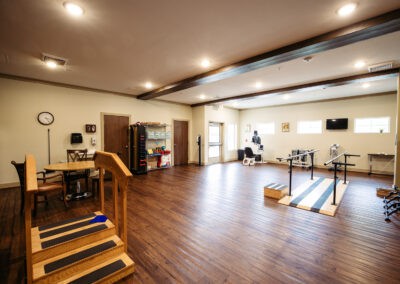
    • Fitness room Fitness roomHaving a fitness room in a senior living community is essential for seniors to stay active, maintain their physical health, and improve their overall well-being. Regular exercise can help prevent falls, reduce the risk of chronic diseases, and promote mental sharpness. It also provides social opportunities for residents to connect with others and enjoy a sense of community.
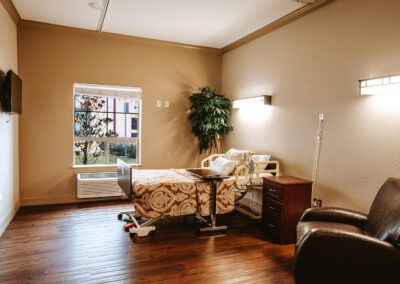
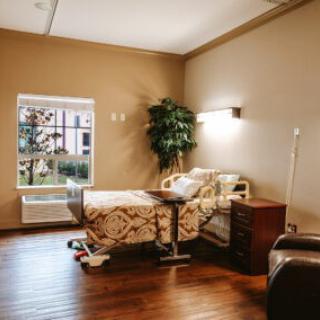
    • Fully furnished Fully furnishedFully furnished senior living communities are important for seniors because they provide convenience, comfort, and a hassle-free moving experience. Seniors can easily settle into their new living space without the stress of having to buy and move furniture. This allows them to focus on enjoying their new home and community.
    • Gaming room Gaming roomGaming rooms are important for seniors as they provide a fun and engaging environment for socializing, cognitive stimulation, and physical activity. Games can improve memory, problem-solving skills, and overall mental well-being while fostering friendships and reducing feelings of isolation.
    • Garden GardenGardens are important for seniors as they provide a peaceful and therapeutic environment for relaxation, physical activity, and socialization. Being in nature has been shown to reduce stress, improve mood, and promote overall well-being. Gardens also offer opportunities for seniors to engage in gardening activities, which can improve mobility, flexibility, and cognitive function. Additionally, gardens create a sense of community and connection with others who share a passion for plants and outdoor spaces.
    • Housekeeping services Housekeeping servicesHousekeeping services are important for seniors because they help maintain a clean and safe living environment, promote independence, and reduce the risk of accidents or illnesses. Additionally, having assistance with household chores can alleviate physical strain and allow seniors to focus on other aspects of their well-being.
    • Kitchenette KitchenetteKitchenettes are important for seniors living in senior living communities because they provide the convenience and independence of being able to prepare simple meals and snacks in the comfort of their own living space. This can help promote a sense of autonomy and well-being for seniors, allowing them to maintain some level of control over their dietary choices and daily routines.
    • Move-in coordination Move-in coordinationMove-in coordination is important for seniors because it helps ease the transition into their new living environment. It ensures that all logistics, such as packing, organizing movers, and setting up utilities are taken care of, allowing seniors to focus on settling in and adjusting to their new home. Having a smooth move-in process can alleviate stress and anxiety, making the transition smoother and more enjoyable for seniors.
    • Outdoor space Outdoor spaceOutdoor spaces are important for seniors as they provide opportunities for physical activity, social interaction, exposure to natural light and fresh air, and a sense of connection to nature. Having access to outdoor spaces can improve overall well-being and quality of life for older adults living in senior communities.
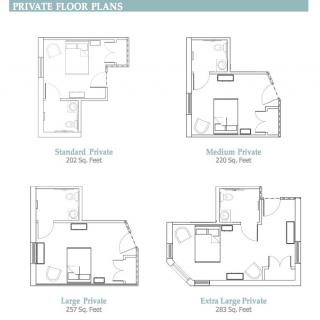
    • Private bathrooms Private bathroomsPrivate bathrooms are important for seniors in senior living communities because they provide independence, dignity, and comfort. Having a private bathroom allows seniors to maintain their personal hygiene routines without the need for assistance, promoting a sense of autonomy and privacy. Additionally, private bathrooms help prevent the spread of infections and provide a safe and clean environment for seniors to navigate safely.
    • Restaurant-style dining Restaurant-style diningRestaurant-style dining is important for seniors because it allows them to enjoy delicious, nutritious meals in a social and upscale setting. This enhances their dining experience, promotes healthy eating habits, and fosters socialization with fellow residents, ultimately contributing to their overall well-being and quality of life.
    • Small library Small librarySmall libraries are important for seniors as they provide access to a variety of reading materials, including books, newspapers, and magazines. This can help stimulate their minds, keep them engaged, and provide a sense of community through book clubs and other social activities. Additionally, reading has been shown to improve cognitive function and overall mental well-being in older adults.
    • Telephone TelephoneTelephones are important for seniors as they provide a lifeline for communication with loved ones, emergency services, and healthcare providers. They offer a sense of security and independence, enabling seniors to stay connected and access assistance when needed.
    • Wellness center Wellness centerWellness centers are important for seniors because they offer a variety of programs and services that promote physical, mental, and emotional well-being. These centers provide opportunities for exercise, socialization, education, and relaxation, helping seniors maintain their overall health and quality of life.
    • Wi-Fi/high-speed internet available Wi-Fi/high-speed internet availableWi-Fi/high-speed internet is important for seniors to stay connected with loved ones, access online resources, and participate in virtual activities to combat feelings of loneliness and isolation. It also allows them to easily manage healthcare needs, access entertainment, and engage in lifelong learning opportunities.

    Transportation

    • Dallas-Fort Worth International (5 miles away) Dallas-Fort Worth International (5 miles away)
    • Dallas Love (17 miles away) Dallas Love (17 miles away)
    • Community operated transportation Community operated transportationCommunity operated transportation is crucial for seniors as it provides them with the means to access essential services, social activities, and medical appointments. It allows seniors to maintain their independence and quality of life by ensuring they can participate in activities outside of their homes. Additionally, community-operated transportation services offer a safe and reliable way for seniors to travel without having to rely on family or friends for assistance.
    • Transportation arrangement Transportation arrangementTransportation arrangements are crucial for seniors as they may face challenges with driving, mobility, or access to public transportation. Having reliable transportation services ensures that seniors can easily attend appointments, social activities, and maintain their independence and quality of life.
    • Transportation arrangement (non-medical) Transportation arrangement (non-medical)Transportation arrangements are essential for seniors as they provide access to essential services, activities, and social interactions outside the home. This service helps maintain independence, mobility, and overall well-being for seniors who may have limited transportation options.
    • Transportation to doctors appointments Transportation to doctors appointmentsTransportation to doctors appointments is crucial for seniors as it ensures they have access to necessary medical care and support, promoting their health and well-being. It allows them to receive timely treatment, monitor existing conditions, and address any new health concerns efficiently. Additionally, transportation services can help seniors maintain their independence and quality of life by enabling them to stay connected with their healthcare providers.

    Care Services

    • 12-16 hour nursing 12-16 hour nursing12-16 hour nursing care is crucial for seniors in order to ensure around-the-clock monitoring, timely medication administration, and prompt response to any health concerns or emergencies. This level of care helps to promote the overall well-being and safety of seniors living in senior living communities.
    • 24-hour call system 24-hour call system24-hour call systems are important for seniors because they provide peace of mind and immediate assistance in case of emergencies. This technology ensures that help is always available, promoting safety and security for elderly individuals living alone or in assisted living facilities.
    • 24-hour supervision 24-hour supervision24-hour supervision is important for seniors to ensure their safety, well-being, and access to immediate assistance in case of emergencies or health issues. This constant support provides peace of mind for both seniors and their loved ones, allowing them to age in place with dignity and security.
    • Activities of daily living assistance Activities of daily living assistanceActivities of daily living assistance are important for seniors because they provide essential support with tasks such as eating, bathing, dressing, and mobility. This assistance helps seniors maintain their independence, dignity, and overall quality of life as they age.
    • Assistance with bathing Assistance with bathingAssistance with bathing is crucial for seniors as it helps maintain personal hygiene, prevents infections, and ensures their overall well-being and comfort. It also provides a sense of dignity and independence for seniors who may struggle with this task on their own.
    • Assistance with dressing Assistance with dressingAssistance with dressing is important for seniors because it helps maintain their independence, promotes personal hygiene, prevents accidents and injuries, and improves overall quality of life. This service ensures that seniors can continue to dress comfortably and confidently, despite any physical limitations they may have.
    • Assistance with transfers Assistance with transfersAssistance with transfers is crucial for seniors as it helps prevent falls and injuries, maintains their independence, and ensures they can safely navigate their living environment. It also provides peace of mind for both seniors and their loved ones.
    • Diabetes diet Diabetes dietA diabetes diet is crucial for seniors as it helps manage blood sugar levels, reduce risks of complications, and improve overall health and well-being. By following a balanced and nutritious diet tailored to their specific needs, seniors can better control their diabetes and enhance their quality of life.
    • Meal preparation and service Meal preparation and serviceMeal preparation and service are crucial for seniors as they may have limited mobility or energy to cook nutritious meals. Having access to healthy and convenient food options can ensure they are getting the proper nutrition needed to maintain their overall health and well-being.
    • Medication management Medication managementMedication management is crucial for seniors to ensure they are taking the right medications at the correct dosages and times. This helps prevent adverse drug interactions, reduces the risk of medication errors, and promotes overall health and well-being. Proactive management also allows for adjustments as needed based on changing health conditions or new prescriptions.
    • Mental wellness program Mental wellness programMental wellness programs are essential for seniors as they promote cognitive stimulation, emotional support, and social engagement. These programs help prevent isolation, depression, and cognitive decline, ultimately enhancing the overall quality of life for older adults.
    • Special dietary restrictions Special dietary restrictionsSpecial dietary restrictions are important for seniors because age-related changes in metabolism and health conditions can make it difficult for their bodies to process certain foods. By following a diet tailored to their specific needs, seniors can maintain their overall health and well-being, manage chronic conditions, and reduce the risk of complications such as malnutrition or food interactions with medications.

    Dining

    • Diabetes diet Diabetes dietA diabetes diet is crucial for seniors as it helps manage blood sugar levels, reduce risks of complications, and improve overall health and well-being. By following a balanced and nutritious diet tailored to their specific needs, seniors can better control their diabetes and enhance their quality of life.
    • Special dietary restrictions Special dietary restrictionsSpecial dietary restrictions are important for seniors because age-related changes in metabolism and health conditions can make it difficult for their bodies to process certain foods. By following a diet tailored to their specific needs, seniors can maintain their overall health and well-being, manage chronic conditions, and reduce the risk of complications such as malnutrition or food interactions with medications.

    Activities

    • Community-sponsored activities Community-sponsored activitiesCommunity-sponsored activities are important for seniors as they provide opportunities for social interaction, mental stimulation, and physical activity. These activities can help improve overall well-being, combat loneliness and isolation, and promote a sense of belonging and purpose among older adults.
    • Concierge services Concierge servicesConcierge services are essential for seniors as they provide assistance with daily tasks and errands, enhance their quality of life by offering convenience and personalized care, and promote a sense of safety and security.
    • Fitness programs Fitness programsFitness programs are crucial for seniors as they help improve strength, flexibility, balance, and overall well-being. Staying active can reduce the risk of chronic diseases, improve mental health, and enhance quality of life in older adults.
    • Planned day trips Planned day tripsPlanned day trips are important for seniors because they offer opportunities for socialization, mental stimulation, and physical activity. They provide a change of scenery and help seniors stay engaged and connected to their community, promoting overall well-being and quality of life.
    • Resident-run activities Resident-run activitiesResident-run activities are important for seniors as they encourage social interaction, creativity, and a sense of autonomy. These activities empower seniors to stay engaged and active in their community while fostering meaningful connections with their peers.
    • Scheduled daily activities Scheduled daily activitiesScheduled daily activities are important for seniors because they provide structure, socialization, mental stimulation, and physical activity. Engaging in regular activities can improve overall well-being and quality of life for seniors living in a community setting.

    Description

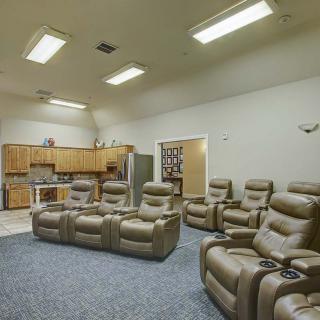
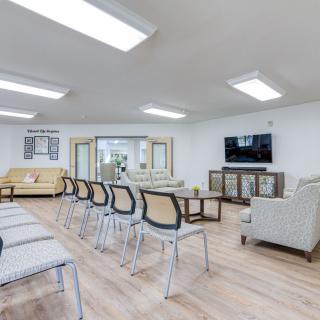
    The Lodge At Bear Creek in Grapevine, TX is an exceptional assisted living community that offers a wide range of amenities and care services to ensure the comfort and well-being of its residents. The community features a beauty salon where residents can pamper themselves, and each room is equipped with cable or satellite TV for entertainment. Community-operated transportation is available for residents to easily access nearby areas. A computer center allows residents to stay connected and engaged, while a small library provides a quiet space for reading.

    The dining room offers restaurant-style dining, serving delicious meals prepared by professional staff. Residents have the convenience of private bathrooms in their fully furnished rooms. Housekeeping services are provided to maintain cleanliness and tidiness. The fitness room encourages physical activity and wellness, while the gaming room provides opportunities for leisure and recreation.

    Outdoor spaces including a garden allow residents to enjoy fresh air and nature. Move-in coordination makes the transition process seamless for new residents. Transportation arrangements can be made both for non-medical purposes as well as for doctor's appointments.

    For those who value mental wellness, there is a wellness center offering programs tailored to support overall emotional well-being. Wi-Fi/high-speed internet keeps residents connected with loved ones near and far.

    In terms of care services, the community offers 24-hour call system and supervision to ensure round-the-clock support. Trained staff provide assistance with daily activities such as bathing, dressing, and transfers. Special dietary needs are accommodated, including diabetes diets and special dietary restrictions.

    Medication management ensures that residents receive their medications on time and in the correct dosage. A mental wellness program addresses the unique needs of individuals with mental health concerns.

    Residents can engage in various activities offered by the community such as fitness programs, planned day trips, resident-run activities, and scheduled daily activities coordinated by concierge services.

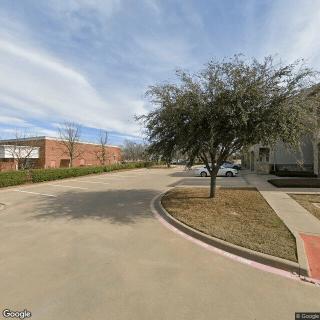
    Furthermore, The Lodge At Bear Creek benefits from its convenient location - it is surrounded by amenities such as cafes, parks, pharmacies, restaurants, and places of worship. Additionally, there are several physicians and hospitals nearby, ensuring easy accessibility to healthcare services.

    Overall, The Lodge At Bear Creek provides a warm and welcoming environment where residents can enjoy a vibrant lifestyle while receiving personalized care and support.

    Nearby Places of Interest

    Pharmacies

    • CVS Pharmacy (0.1 miles)
    • Market Street Pharmacy (2 miles)
    • CVS Pharmacy (2.3 miles)
    • CVS Pharmacy (2.4 miles)
    • CVS Pharmacy (2.5 miles)
    • Walgreens (2.5 miles)
    • Walgreens (3.2 miles)

    Physicians

    • Lighthouse Family Medicine (0.9 miles)
    • Fem Centre (1.3 miles)
    • Texas Digestive Disease Consultants: Southlake (1.9 miles)
    • All-Star Orthopaedics (2 miles)
    • Cook Children's Pediatrics - Grapevine - William D. Tate (2.1 miles)
    • Max Health Family Medicine (2.4 miles)
    • Texas Orthopedic Specialists (4.5 miles)

    Restaurants

    • Pei Wei Asian Diner (1.9 miles)
    • Moxie's Grill & Bar (2 miles)
    • McDonald's (2.1 miles)
    • The Cheesecake Factory (2.2 miles)
    • Jason's Deli (2.5 miles)
    • In-N-Out Burger (2.6 miles)
    • NAPA Thai Asian Cuisine (2.6 miles)

    Hospitals

    • Baylor Scott & White Hospital Medicine - Grapevine (2.5 miles)
    • Methodist Southlake Hospital (3.2 miles)
    • SwiftCare (4.9 miles)
    • Texas Health Harris Methodist Hurst-Euless-Bedford (5.4 miles)

    Places of Worship

    • Gateway Church (2.5 miles)
    • Gateway Church (4.9 miles)
    • Wellspring Church (5.3 miles)
    • New Life Family Church (6 miles)
    • Keller United Methodist Church (6.2 miles)
    • St Elizabeth Ann Seton Catholic Church (7 miles)

    Cafes

    • Starbucks (2.6 miles)
    • Roots Coffeehouse (5.6 miles)
    • The Market (6.6 miles)

    Parks

    • Bedford Bark Park (4 miles)

    Transportation

    • Terminal B (4.9 miles)
    • DFW Apron (4.9 miles)
    • American Airlines Flagship Lounge (4.9 miles)
    • American Airlines Admirals Club Dfw-D (4.9 miles)
    • Terminal D (5 miles)
    • The Centurion Lounge by American Express (5 miles)
    • American Airlines Admirals Club (5 miles)

    Theaters

    • AMC DINE-IN Grapevine Mills 3 (6.1 miles)

    Frequently Asked Questions

    Where is The Lodge At Bear Creek?
    What photos are available for The Lodge At Bear Creek in Grapevine, Texas?

    Nearby Communities

    Related Resources

    • tax implications of parent living with youNavigating the Tax Landscape of Caregiving: Credits, Deductions, and Beyond

      Caregiving for an aging parent entails emotional and financial responsibilities accompanied by significant tax implications, including potential benefits from claiming them as dependents and deductions for medical expenses and caregiving costs. Caregivers must understand eligibility requirements, maintain thorough documentation, and consider consulting a tax professional to navigate these complexities effectively.

    • low impact exercises for seniorsHighly Beneficial Low-Impact Exercises for Senior Living Residents

      Low-impact exercises are vital for seniors as they promote health, independence, and social interaction while reducing joint strain. These adaptable activities, guided by healthcare professionals, enhance strength, flexibility, and emotional well-being.

    • is home health care tax deductibleIs In-Home Healthcare Tax Deductible? Your Comprehensive Guide
      The guide details the tax deductibility of in-home healthcare expenses according to IRS guidelines, differentiating between medically necessary services and non-medical assistance, while emphasizing the need for proper documentation and itemization requirements. It also highlights state-level variations, the importance of record-keeping, and encourages seeking professional tax help to understand evolving regulations.


    Get Pricing Ask A Question Schedule A Tour Contact Senior Advisor