Bishop Davies Nursing Center is a nursing home community in Hurst, TX.
Information last verified:
2712 North Hurstview, Hurst, TX 76054
For more information about senior living options: (866) 208-4318
3.9 from 115 reviews
5 stars
78
4 stars
4
3 stars
4
2 stars
3
1 stars
26
Overall Review of Bishop Davies Nursing Center
common23 reviews mention this
Care communication can vary
Families report communication and follow-through are inconsistent.
Many reviewers describe nurses and administrative staff as approachable, responsive, and willing to explain what’s going on. Others describe being unable to get help promptly, with call lights not answered, long waits for assistance, or staff who seemed to dismiss concerns rather than resolve them. The reviews that are positive also frequently connect better communication with residents and families feeling informed and supported.
caveat16 reviews mention this
Cleanliness and pests raise concerns
Multiple reviews raise concerns about cleanliness and pests.
Several negative reviews mention unpleasant odors and a generally dirty environment, alongside reports of roaches and bed bugs. Some reviewers also describe hygiene issues such as residents not being bathed regularly and rooms not being kept clean. A smaller set of reviews say the building is clean and well maintained, including mentions of renovations and a fresh look, but sanitation complaints show up often enough to be a recurring concern.
caveat21 reviews mention this
Quality of hands-on care is debated
Reviews disagree sharply on how consistently residents are cared for.
Positive reviews frequently describe staff as attentive and supportive, and some families say residents improved or felt cared for during skilled nursing and therapy. Negative reviews, however, include allegations of neglect, delayed responses, and residents left without needed basics such as bathing, meals, water, or medication. Across the set of reviews, residents’ experiences appear to depend heavily on how problems are handled in the moment and whether care needs are being met reliably.
common13 reviews mention this
Dining and meal support stand out
Dining is a noticeable part of residents’ daily experience.
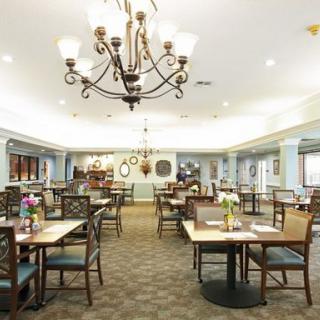
Some reviewers praise meals and describe residents enjoying the food, including mentions of meal variety and restaurant-style dining. A few also point to individualized meal support, such as alternative options for preferences and special dietary needs. At the same time, other reviews criticize meal timing and food quality, including mentions of food served cold or late and cases where meals were not properly addressed.
common10 reviews mention this
Rehab and therapy get mentions
Rehabilitation and therapy services are frequently discussed in reviews.
Several reviewers mention rehab experiences and physical therapy teams, including comments about individual attention and returning residents to where they need to be. Positive reviews also connect therapy to better outcomes during short stays or transitions from hospital care. A few reviewers express that responsiveness during rehabilitation and overall care could be improved, suggesting results may vary by timing and staffing.
common2 reviews mention this
Nearby medical and everyday stops
There are multiple nearby clinics and common errands.
Families have the option of nearby physician offices and hospitals for appointments, along with pharmacies for prescriptions. For everyday needs, there are also nearby restaurants and coffee options that can make short visits easier.
How we summarize
Counts show how many written reviews mention each theme; a review can touch several themes, and only frequently mentioned themes are displayed.
Features
Housing
161 resident community capacity
Types of Care
Skilled Nursing Facility
Amenities
Air-conditioning
Beauty salon
Cable or satellite TV
Computer center
Dining room
Fitness room
Fully furnished
Gaming room
Garden
Guasts at mealtime
Housekeeping services
Kitchenette
Move-in coordination
Outdoor space
Private bathrooms
Restaurant-style dining
Security gate
Small library
Spa
Telephone
Wellness center
Wi-Fi/high-speed internet available
Transportation
Dallas-Fort Worth International (8 miles away)
Dallas Love (19 miles away)
Community operated transportation
Transportation arrangement
Transportation arrangement (non-medical)
Transportation to doctors appointments
Care Services
12-16 hour nursing
24-hour call system
24-hour supervision
Activities of daily living assistance
Assistance with bathing
Assistance with dressing
Assistance with transfers
Diabetes diet
Meal preparation and service
Medication management
Mental wellness program
Special dietary restrictions
Dining
Diabetes diet
Special dietary restrictions
Activities
Community-sponsored activities
Concierge services
Fitness programs
Planned day trips
Resident-run activities
Scheduled daily activities
Languages Spoken
English
Spanish
Nearby Places of Interest
Physicians
Cook Children's Pediatrics (0.4 miles)
Texas Eye and Laser Center (1.2 miles)
Kaner Medical Group (2.6 miles)
Fem Centre (3.1 miles)
Lighthouse Family Medicine (3.5 miles)
Texas Orthopedic Specialists (3.9 miles)
Max Health Family Medicine (4.5 miles)
Pharmacies
CVS Pharmacy (0.6 miles)
Walgreens (1 miles)
Walgreens (1.8 miles)
Walgreens (2.2 miles)
CVS Pharmacy (2.3 miles)
Market Street Pharmacy (2.4 miles)
CVS Pharmacy (2.6 miles)
Restaurants
Rosa's Cafe (0.8 miles)
In-N-Out Burger (1.8 miles)
NAPA Thai Asian Cuisine (1.8 miles)
Sonic Drive-In (2.2 miles)
Turning Point Beer (2.3 miles)
Sushi Axiom (2.7 miles)
Chick-Fil-A (2.7 miles)
Cafes
Roots Coffeehouse (1.2 miles)
Rosa's Cafe (5.1 miles)
Starbucks (6.7 miles)
Starbucks (7.5 miles)
Places of Worship
Gateway Church (2.1 miles)
Wellspring Church (2.2 miles)
St Elizabeth Ann Seton Catholic Church (4.7 miles)
Keller United Methodist Church (6.1 miles)
New Life Family Church (6.3 miles)
First Baptist Church of Keller (6.4 miles)
Gateway Church (6.5 miles)
Parks
Bedford Bark Park (2.6 miles)
Capp Smith Park (4.2 miles)
Hospitals
Texas Health Harris Methodist Hurst-Euless-Bedford (3.8 miles)
SwiftCare (5.6 miles)
Methodist Southlake Hospital (6.6 miles)
Baylor Scott & White Hospital Medicine - Grapevine (6.8 miles)
Palliative home care focuses on improving the quality of life for individuals with serious illnesses by providing comfort, symptom management, and emotional support in their own homes. This approach includes personalized care plans, regular assessments, and resources for family caregivers, all while prioritizing person-centered treatment that aligns with patients' goals.
Skilled nursing facilities (SNFs) provide high-level medical care and rehabilitation for short-term recovery, typically covered by Medicare after hospitalization, while nursing homes focus on ongoing custodial care for chronic conditions, mainly funded by Medicaid or private payments. The staffing and regulatory structures differ significantly between the two, necessitating clarity for families in choosing appropriate long-term care options.
Nursing home care costs in the U.S. vary significantly based on location, level of care, and amenities, with private room prices ranging from approximately $6,700 to over $30,000 monthly. Families need to explore various payment options and conduct thorough research to manage these expenses effectively.
Get PricingAsk A QuestionSchedule A TourContact Senior Advisor
By clicking submit, you agree to our Partner's Terms of Use. You
also consent to receive calls and texts, which may be autodialed, from our Partner. Your consent is not a condition to
using our Partner's service. Please visit our Partner's Privacy Policy for information about their privacy practices.

 161 resident community capacity
 Skilled Nursing Facility
 Air-conditioning
 Beauty salon
 Cable or satellite TV
 Computer center
 Dining room
 Fitness room
 Fully furnished
 Gaming room
 Garden
 Housekeeping services
 Kitchenette
 Move-in coordination
 Outdoor space
 Private bathrooms
 Restaurant-style dining
 Security gate
 Small library
 Spa
Spa Telephone
 Wi-Fi/high-speed internet available
 Dallas-Fort Worth International (8 miles away)
 Community operated transportation
 12-16 hour nursing
 24-hour call system
 Activities of daily living assistance
 Assistance with bathing
 Assistance with dressing
 Assistance with transfers
 Diabetes diet
 Medication management
 Mental wellness program
 Special dietary restrictions
 Concierge services
 Planned day trips
 English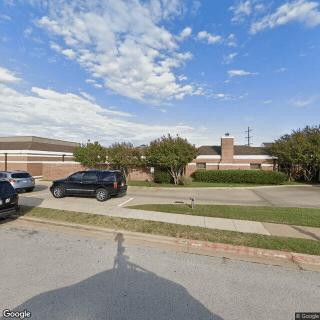
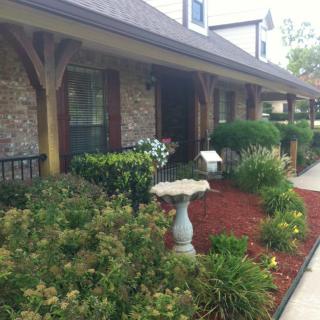
 Well-maintained facility with friendly, dedicated staff and good dining.



 Comprehensive Insights into Palliative Home Care: What It Is and What to Expect
 Skilled Nursing Facilities vs. Nursing Homes: Making Sense of the Differences
 A Detailed Examination of Nursing Home Costs Across the U.S.