Overall Review of Pennsylvania Nursing And Rehabilitation Center
common34 reviews mention this
Staff is consistently described positively
Staff members are repeatedly described as friendly, helpful, and respectful.
Across the reviews, families and visitors describe staff as welcoming and easy to work with, including front-desk support and nurses who communicate and respond quickly. Multiple reviewers also mention residents looking clean and well cared for, and they credit day-to-day care to the staff’s attitude and teamwork. A few reviewers also single out specific roles (like the rehab director or social worker) for being caring and thorough during care meetings.
common15 reviews mention this
Cleanliness and secure setting stand out
Residents and visitors frequently comment on cleanliness and a secure feeling.
Many reviews mention the facility being clean, well maintained, and organized, and several describe residents as clean and wearing proper clothes. Some visitors also note they felt comfortable right away when they toured or checked in, and one review mentions the building as secure. There are also a few negative reports about odors and general upkeep, but the larger set of feedback returns to cleanliness as a strength.
common2 reviews mention this
Food quality comes up in reviews
Food is mentioned as a positive point by some residents and visitors.
A couple of reviewers describe the food as pretty good or top notch, and they connect it to how residents seem to feel day to day. These comments align with the community offering restaurant-style dining and meal service, along with structured diets in its dining setup for specific needs.
common4 reviews mention this
Activities keep residents engaged
Reviews mention regular activities that help residents stay engaged.
Several reviewers describe ongoing activities and note that residents enjoy what is scheduled, including community events with staff involvement. A few specific examples are called out, including themed group days and activities associated with the physical therapy setting. Taken together with the community’s scheduled programming, reviews generally portray a busy activity calendar rather than downtime.
caveat3 reviews mention this
Temperature and environment concerns
Some reviews mention uncomfortable temperature and environmental issues.
A few reviewers raise concerns tied to how hot or cold conditions feel, including one remark that the only complaint was that it was too cold and another describing air-conditioning problems. Separately, there are negative comments about smells and the building condition during certain stays or visits. While many other reviews emphasize cleanliness and comfort, these environment-related complaints are recurring enough to flag as a potential downside.
How we summarize
Counts show how many written reviews mention each theme; a review can touch several themes, and only frequently mentioned themes are displayed.
Features
Housing
123 resident community capacity
Types of Care
Skilled Nursing Facility
Amenities
Air-conditioning
Beauty salon
Cable or satellite TV
Computer center
Dining room
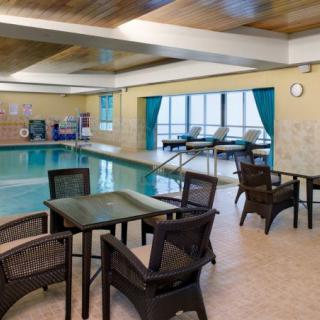
Fitness room
Fully furnished
Gaming room
Garden
Housekeeping services
Kitchenette
Move-in coordination
Outdoor space
Private bathrooms
Restaurant-style dining
Small library
Telephone
Wellness center
Wi-Fi/high-speed internet available
Transportation
Dallas-Fort Worth International (20 miles away)
Community operated transportation
Transportation arrangement
Transportation arrangement (non-medical)
Transportation to doctors appointments
Care Services
12-16 hour nursing
24-hour call system
24-hour supervision
Activities of daily living assistance
Assistance with bathing
Assistance with dressing
Assistance with transfers
Diabetes diet
Meal preparation and service
Medication management
Mental wellness program
Special dietary restrictions
Dining
Diabetes diet
Special dietary restrictions
Activities
Community-sponsored activities
Concierge services
Fitness programs
Planned day trips
Resident-run activities
Scheduled daily activities
Nearby Places of Interest
Physicians
Texas Health Care, Otolaryngology & Facial Plastic Surgey Associates (0 miles)
Texas Medical Diagnostics (0.2 miles)
Heart Center of North Texas (0.8 miles)
Fort Worth Plastic Surgery Center (0.8 miles)
Texas Oncology (0.9 miles)
Fort Worth Brain And Spine (0.9 miles)
Cook Children's Pediatrics Forest Park (1.9 miles)
Hospitals
Texas Health Harris Methodist Hospital Fort Worth (0.3 miles)
Klabzuba Tower / Texas Health Resources (0.4 miles)
Texas Rehabilitation Hospital of Fort Worth (0.4 miles)
Baylor Scott & White Hospital Medicine - All Saints (0.9 miles)
JPS Hospital (0.9 miles)
Baylor Surgical Center (1.1 miles)
Cooks Childrens Clinic (4.3 miles)
Restaurants
Rahr & Sons Brewing Co (0.4 miles)
Chipotle Mexican Grill (0.6 miles)
Torchy’S Tacos (1 miles)
Salsa Limon Centro (1 miles)
Silver Leaf Cigar Lounge (1.2 miles)
Pappasito's Cantina (1.4 miles)
Chick-Fil-A (1.5 miles)
Cafes
Roots Coffeehouse (0.6 miles)
Starbucks (1.9 miles)
Starbucks (3.2 miles)
Press Cafe (4.1 miles)
Starbucks (5.2 miles)
Starbucks (5.6 miles)
Pharmacies
Walgreens (0.8 miles)
CVS Pharmacy (2.3 miles)
Walgreens (2.5 miles)
Walgreens (3.1 miles)
Walmart Pharmacy (3.5 miles)
Walgreens (3.6 miles)
CVS Pharmacy (3.7 miles)
Parks
Fort Worth Water Gardens (0.8 miles)
Linwood Park (1.8 miles)
Overton Park (3.7 miles)
Leonard Park (5.4 miles)
Places of Worship
First United Methodist Church of Fort Worth (1 miles)
St Stephen Presbyterian Church (2.1 miles)
Transportation
Fort Worth Intermodal Transportation Center (1.1 miles)
Hospice care focuses on providing comfort and support for individuals nearing the end of life, with Medicare Part A covering services like nursing care and counseling for patients with a terminal illness and a life expectancy of six months or less. While most hospice services are low-cost for eligible patients, families should be aware that certain expenses, such as room and board, may not be covered.
Caregiver burnout is a common issue resulting from the intense physical, emotional, and mental demands of caregiving, leading to symptoms like fatigue and social withdrawal. To prevent burnout, caregivers should recognize early warning signs and implement self-care strategies, seek support, and prioritize their own well-being alongside that of those they care for.
Caregiver exhaustion, or burnout, stems from the relentless demands of caregiving, leading to emotional and physical depletion characterized by stress, frustration, and neglect of personal needs. Addressing this burden is essential to prevent long-term consequences, with early recognition and support being crucial for caregivers to maintain balance and implement self-care.
Get PricingAsk A QuestionSchedule A TourContact Senior Advisor
By clicking submit, you agree to our Partner's Terms of Use. You
also consent to receive calls and texts, which may be autodialed, from our Partner. Your consent is not a condition to
using our Partner's service. Please visit our Partner's Privacy Policy for information about their privacy practices.

 123 resident community capacity
 Skilled Nursing Facility
 Air-conditioning
 Beauty salon
 Cable or satellite TV
 Computer center
 Dining room
 Fitness room
 Fully furnished
 Gaming room
 Garden
 Housekeeping services
 Kitchenette
 Move-in coordination
 Outdoor space
 Private bathrooms
 Restaurant-style dining
 Small library
 Telephone
 Wellness center
 Wi-Fi/high-speed internet available
 Dallas-Fort Worth International (20 miles away)
 Community operated transportation
 12-16 hour nursing
 24-hour call system
 Activities of daily living assistance
 Assistance with bathing
 Assistance with dressing
 Assistance with transfers
 Diabetes diet
 Medication management
 Mental wellness program
 Special dietary restrictions
 Concierge services
 Planned day trips
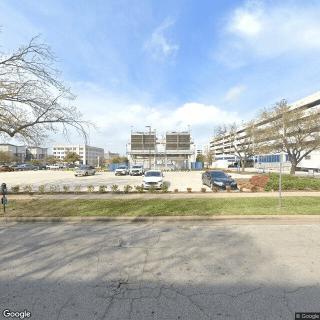
 Strong access to healthcare and nearby amenities




 Comprehensive Guide to Medicare Coverage for Hospice Care
 Caring for Those Who Care: Recognizing, Understanding, and Overcoming Caregiver Burnout
 Caregiver Exhaustion: Recognizing the Signs and Restoring Your Well-Being