For more information about senior living options: (866) 208-4318
3 from 41 reviews
5 stars
18
4 stars
3
3 stars
0
2 stars
1
1 stars
19
Overall Review of Dfw Nursing & Rehab
common12 reviews mention this
Staff care is a frequent plus
Residents and families often describe staff as welcoming and attentive.
Many reviews focus on how staff treat residents with respect and show up in day-to-day care. Several people specifically call out CNAs and nursing staff for being helpful, answering questions, and addressing concerns quickly. Others describe administration as supportive toward families and prioritizing residents’ safety.
caveat4 reviews mention this
Cleanliness complaints come up repeatedly
Some reviews criticize the facility’s cleanliness and odor.
A handful of reviews describe strong, unpleasant odors and unclean conditions, including reports of soiled bedding and filthy rooms. One review also mentions pests. A separate comment says the building looks run down and needs more upkeep such as repainting and fresh flooring to look cleaner.
common2 reviews mention this
Activities go beyond bingo
Residents and families mention engaging activities and outings.
Reviews describe a mix of scheduled activities, including bingo, and more than one person says the program feels varied. One reviewer specifically highlights interest in activities and outings beyond the typical routine, which their loved one enjoyed.
caveat3 reviews mention this
Help on weekends and follow-through
A few reviews question how consistently staff respond to families.
Some reviewers report communication problems, including difficulty getting in contact with someone and not seeing issues resolved. There are also concerns about staffing support on weekends, with one review saying people who needed help were left hurting. In a separate review, the family describes problems around medical communication and how they were treated when they called.
How we summarize
Counts show how many written reviews mention each theme; a review can touch several themes, and only frequently mentioned themes are displayed.
Features
Housing
98 resident community capacity
Types of Care
Skilled Nursing Facility
Amenities
Air-conditioning
Beauty salon
Cable or satellite TV
Computer center
Dining room
Fitness room
Fully furnished
Gaming room
Garden
Housekeeping services
Kitchenette
Move-in coordination
Outdoor space
Private bathrooms
Restaurant-style dining
Small library
Telephone
Wellness center
Wi-Fi/high-speed internet available
Transportation
Dallas-Fort Worth International (20 miles away)
Community operated transportation
Transportation arrangement
Transportation arrangement (non-medical)
Transportation to doctors appointments
Care Services
12-16 hour nursing
24-hour call system
24-hour supervision
Activities of daily living assistance
Assistance with bathing
Assistance with dressing
Assistance with transfers
Diabetes diet
Meal preparation and service
Medication management
Mental wellness program
Special dietary restrictions
Dining
Diabetes diet
Special dietary restrictions
Activities
Community-sponsored activities
Concierge services
Fitness programs
Planned day trips
Resident-run activities
Scheduled daily activities
Nearby Places of Interest
Physicians
Texas Medical Diagnostics (0 miles)
Texas Health Care, Otolaryngology & Facial Plastic Surgey Associates (0.1 miles)
Heart Center of North Texas (0.8 miles)
Texas Oncology (0.8 miles)
Fort Worth Plastic Surgery Center (0.8 miles)
Fort Worth Brain And Spine (0.8 miles)
Cook Children's Pediatrics Forest Park (1.9 miles)
Hospitals
Texas Health Harris Methodist Hospital Fort Worth (0.3 miles)
Klabzuba Tower / Texas Health Resources (0.3 miles)
Texas Rehabilitation Hospital of Fort Worth (0.5 miles)
JPS Hospital (0.8 miles)
Baylor Scott & White Hospital Medicine - All Saints (0.8 miles)
Baylor Surgical Center (1 miles)
Cooks Childrens Clinic (4.4 miles)
Restaurants
Rahr & Sons Brewing Co (0.4 miles)
Chipotle Mexican Grill (0.6 miles)
Torchy’S Tacos (1 miles)
Salsa Limon Centro (1.2 miles)
Silver Leaf Cigar Lounge (1.3 miles)
Pappasito's Cantina (1.4 miles)
Texas Republic (1.5 miles)
Cafes
Roots Coffeehouse (0.6 miles)
Starbucks (1.9 miles)
Starbucks (3.2 miles)
Press Cafe (4 miles)
Starbucks (5.1 miles)
Starbucks (5.7 miles)
Pharmacies
Walgreens (0.9 miles)
CVS Pharmacy (2.3 miles)
Walgreens (2.4 miles)
Walgreens (3.1 miles)
Walmart Pharmacy (3.5 miles)
Walgreens (3.5 miles)
CVS Pharmacy (3.6 miles)
Parks
Fort Worth Water Gardens (0.9 miles)
Linwood Park (1.9 miles)
Overton Park (3.7 miles)
Leonard Park (5.4 miles)
Places of Worship
First United Methodist Church of Fort Worth (1.1 miles)
St Stephen Presbyterian Church (2 miles)
Transportation
Fort Worth Intermodal Transportation Center (1.2 miles)
Caregiver burnout is a common issue resulting from the intense physical, emotional, and mental demands of caregiving, leading to symptoms like fatigue and social withdrawal. To prevent burnout, caregivers should recognize early warning signs and implement self-care strategies, seek support, and prioritize their own well-being alongside that of those they care for.
Caregiver exhaustion, or burnout, stems from the relentless demands of caregiving, leading to emotional and physical depletion characterized by stress, frustration, and neglect of personal needs. Addressing this burden is essential to prevent long-term consequences, with early recognition and support being crucial for caregivers to maintain balance and implement self-care.
Hospice care at home provides specialized end-of-life support that focuses on comfort and dignity for individuals with life-limiting illnesses, offering a range of services including medical management, emotional and spiritual support, and logistical assistance tailored to the family's needs. It involves collaboration to create individualized care plans and extends to bereavement support after a loved one's passing.
Get PricingAsk A QuestionSchedule A TourContact Senior Advisor
By clicking submit, you agree to our Partner's Terms of Use. You
also consent to receive calls and texts, which may be autodialed, from our Partner. Your consent is not a condition to
using our Partner's service. Please visit our Partner's Privacy Policy for information about their privacy practices.



 98 resident community capacity
 Skilled Nursing Facility
 Air-conditioning
 Beauty salon
 Cable or satellite TV
 Computer center
 Dining room
 Fitness room
 Fully furnished
 Gaming room
 Garden
 Housekeeping services
 Kitchenette
 Move-in coordination
 Outdoor space
 Private bathrooms
 Restaurant-style dining
 Small library
 Telephone
 Wellness center
 Wi-Fi/high-speed internet available
 Dallas-Fort Worth International (20 miles away)
 Community operated transportation
 12-16 hour nursing
 24-hour call system
 Activities of daily living assistance
 Assistance with bathing
 Assistance with dressing
 Assistance with transfers
 Diabetes diet
 Medication management
 Mental wellness program
 Special dietary restrictions
 Concierge services
 Planned day trips
 Comprehensive care with restaurant-style dining and resident-run activities.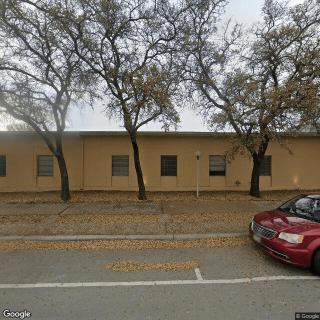


 Caring for Those Who Care: Recognizing, Understanding, and Overcoming Caregiver Burnout
 Caregiver Exhaustion: Recognizing the Signs and Restoring Your Well-Being
 Understanding Hospice Care at Home: Comprehensive Services, Key Benefits, and Eligibility