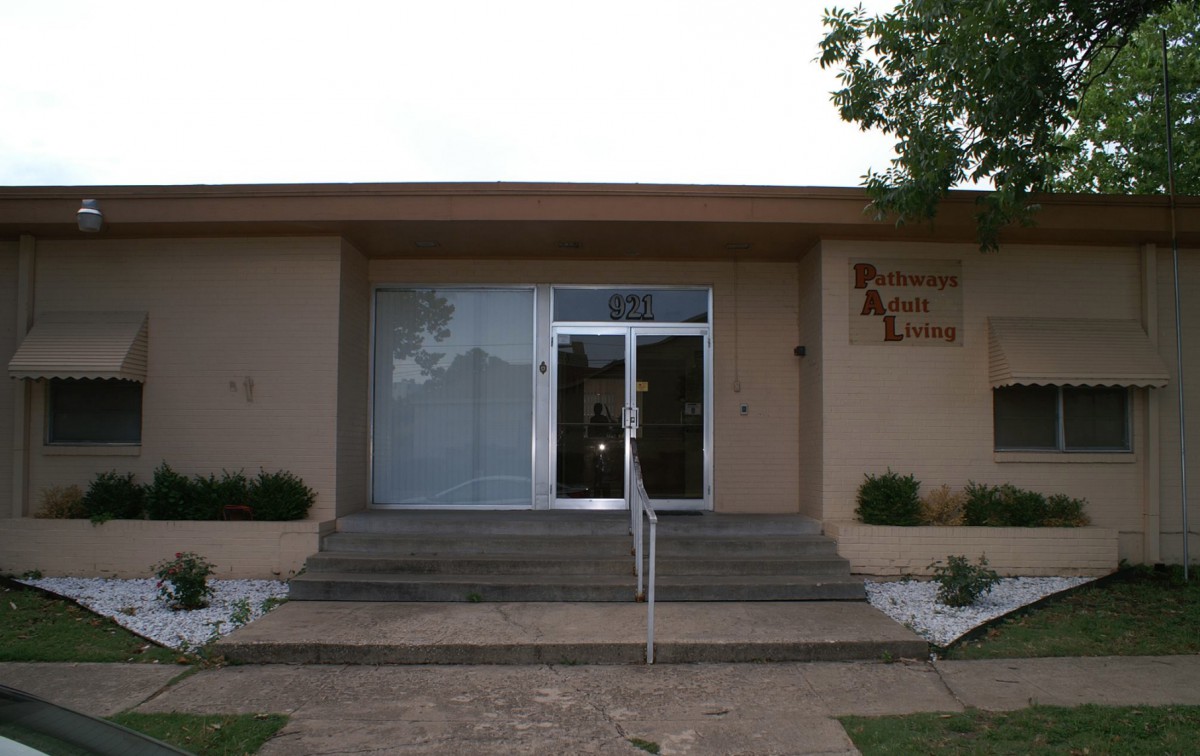
921 West Cannon Street, Fort Worth, TX 76104
For more information about senior living options: (866) 208-4318
Overall Review of Pathways Adult Living
Pros
 The facility is a great place that has helped their family tremendously.
- Pathways Adult Living has been an absolute godsend for their family.
- The staff there truly cares for their residents and is committed to providing the best possible care and quality of life.
- The brother and sister-in-law are incredibly grateful for the exceptional care Pathways provides.
- They are an amazing facility with great staff.
- Ms. Linda genuinely cares for each and every resident.
- They love this place.
Cons
 The facility is described as absolutely disgusting.
- The staff are described as incompetent, emotionally and possibly physically abusive.
- The reviewer urges others to stay away.
Review
Pathways Adult Living in Fort Worth is best suited for families that want a caregiving-centric home atmosphere where attentive, long-tenured staff deliver daily support and individualized attention. The community excels for residents who benefit from consistent, relationship-driven care: caregivers who know individual histories, preferences, and daily routines, and who prioritize quality of life alongside basic needs. This makes Pathways a strong choice for seniors who value steady, warm interactions and a visible commitment from the care team. It may be less ideal for residents who require high-intensity clinical management, rapid escalation of medical needs, or rigid, hospital-level safety oversight beyond routine assistance.
On the positive side, the core strength lies in the people. Families consistently point to staff who truly care and remain engaged with each resident’s story, preferences, and daily activities. Long-term staff relationships and steady leadership cultivate trust and provide a sense of continuity that can greatly reduce the anxiety associated with transitions to care settings. When care plans are well-tuned and families stay actively involved, Pathways often feels less like a facility and more like a compassionate, home-like community. This human-centered approach can translate into meaningful improvements in daily life and overall well-being.
Yet the narrative is not without sharp contradictions. A subset of reviews describes the environment in severe terms, alleging incompetent staff and possible emotional or physical abuse. Such claims, if accurate, point to a nonnegotiable safety failure that would disqualify Pathways for anyone prioritizing a secure, abuse-free environment. Even where most experiences are positive, these reports demand thorough verification through independent oversight, transparent incident reporting, and a robust safety culture. Prospective residents should press for evidence of consistent staff training, clear protection policies, and easily accessible mechanisms to escalate concerns.
How the positives interact with the negatives matters. The warmth and reliability of caregivers can offset many day-to-day worries when a resident thrives on personal attention and predictable routines, especially for those who do not require intensive medical intervention and who benefit from active engagement and family participation in care planning. However, the potential for mistreatment cannot be offset by kindness alone. Families must examine governance structures, licensing history, staffing ratios, incident records, and the clarity of escalation channels. A candid tour should involve frontline staff, administrators, and multiple residents to gauge whether the care culture is consistently demonstrated across shifts and days.
Alternatives deserve serious consideration by those who prioritize stringent safety standards, explicit medical oversight, or memory-care expertise. If a resident has advanced cognitive or physical needs, or if a family requires documented accountability with solid oversight, exploring other Fort Worth options with stronger regulatory track records, dedicated clinical staffing, or specialized units may be prudent. The choice may lean toward smaller, well-run homes or larger operators with robust governance, depending on the resident’s temperament and medical complexity. The bottom line is to align the environment with clinical needs and the family’s capacity to monitor and participate in care decisions.
In the end, Pathways Adult Living can deliver meaningful benefits for the right resident, someone who values genuine caregiver relationships, stable daily rhythms, and active engagement in life, with families feeling confident in the staff’s commitment. The decisive step is thorough due diligence: a firsthand tour, honest conversations with direct caregivers, a transparent review of the care planning process, and a check of licensing and incident history. If safety practices and governance prove reliable, Pathways becomes a compelling option. If not, or if red-flag concerns persist, alternatives should be pursued without hesitation. The central decision hinges on safety, accountability, and the ability to sustain a high quality of life through attentive, trustworthy care.
 35 resident community capacity
 Assisted Living
 Beauty salon
 Cable or satellite TV
 Dining room
 Fully furnished
 Garden
 Housekeeping services
 Kitchenette
 Move-in coordination
 Outdoor space
 Restaurant-style dining
 Small library
 Telephone
 Wi-Fi/high-speed internet available
 Dallas-Fort Worth International (20 miles away)
 24-hour call system
 Activities of daily living assistance
 Assistance with bathing
 Assistance with dressing
 Assistance with transfers
 Diabetes diet
 Medication management
 Mental wellness program
 Special dietary restrictions







 Comprehensive Insights into Activities of Daily Living (ADLs) and Their Assessment
 Guiding Elderly Parents Who Refuse Assisted Living: 6 Practical Steps
 Your Comprehensive Guide to Luxury Assisted Living: Elevated Facilities, Amenities, and Costs