St. Teresa Nursing And Rehabilitation Center

Save

  • Interior

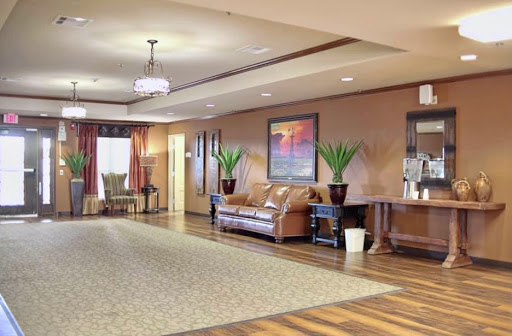
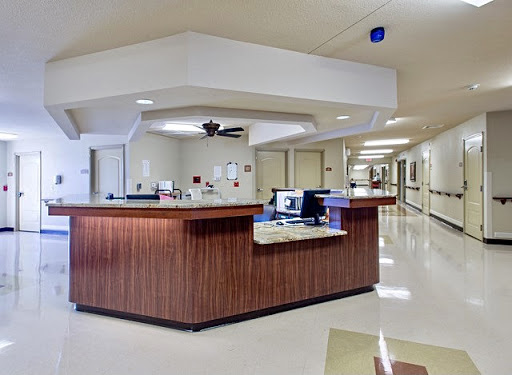
    A welcoming hotel lobby featuring a reception desk, comfortable furnishings, and elegant decor.
  • Decor

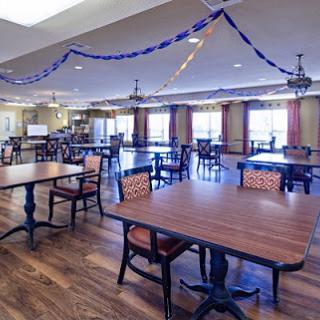
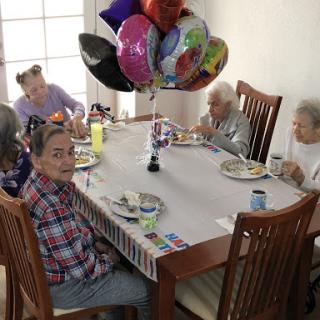
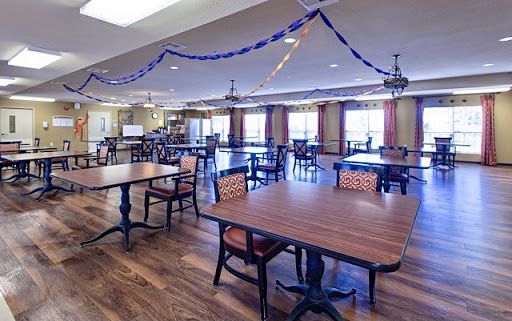
    A spacious dining area featuring multiple tables and decorative streamers.
  • Building

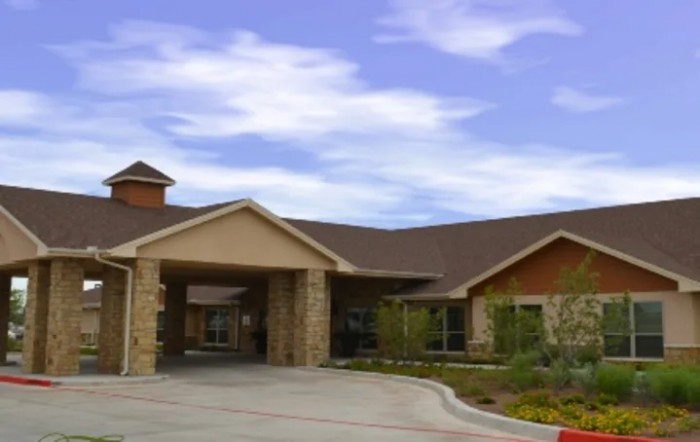
    A modern building with a prominent entrance under a partly cloudy sky.
  • Architecture

    A view of a residential building with a welcoming entrance and landscaped surroundings.
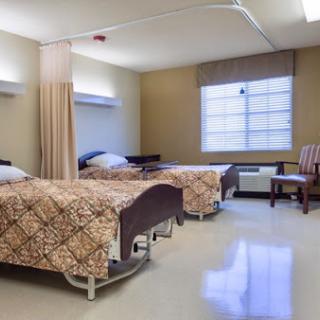
  • Bedroom

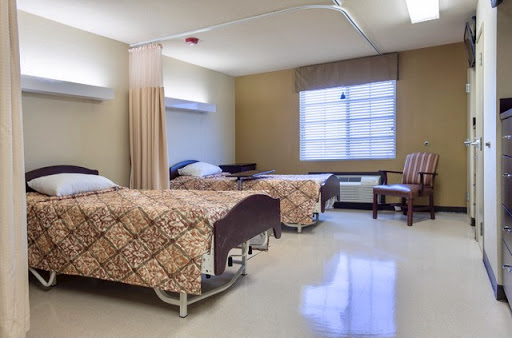
    A spacious hospital patient room featuring two beds, a chair, and natural light from a window.
  • Dining

    A cozy dining room featuring a wooden table surrounded by chairs, adorned with decorative plants and artwork.
  • Lighting

    A spacious and inviting lobby area with comfortable seating, decorative plants, and an artistic touch.
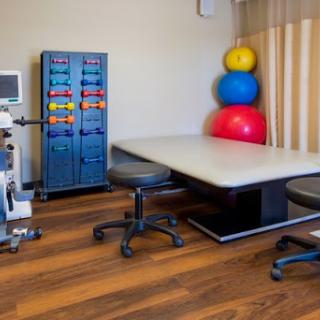
  • Exercise Equipment

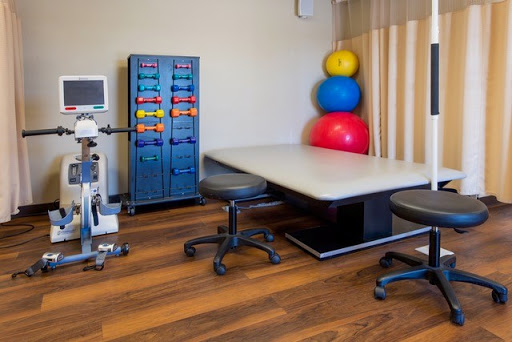
    A well-equipped physical therapy room with exercise balls and medical equipment.
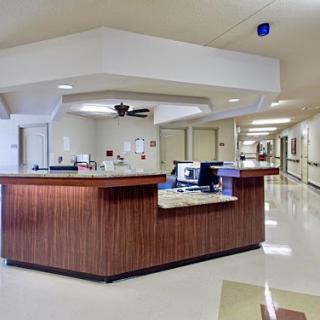
  • Waiting Area

    A view of the reception area in a hospital, showcasing a clean and organized environment.
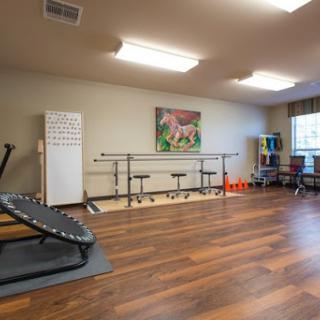
  • Fitness

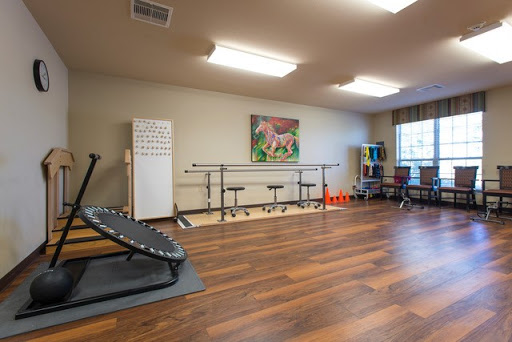
    A spacious exercise and rehabilitation room equipped with a barre and fitness equipment.
  • Nursing Home

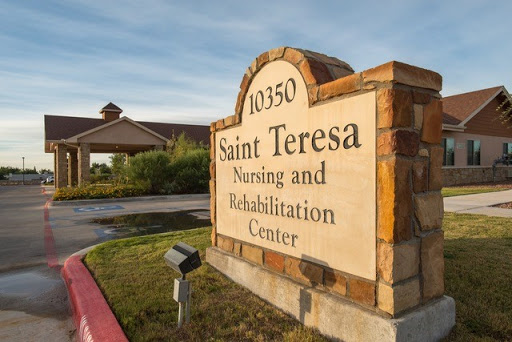
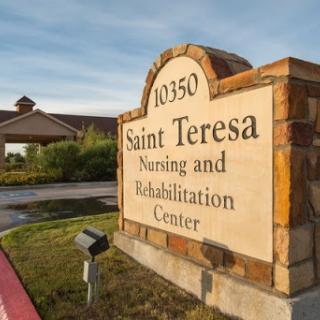
    Entrance sign of Saint Teresa Nursing and Rehabilitation Center.

St. Teresa Nursing And Rehabilitation Center

10350 Montana Avenue, El Paso, TX 79925

For more information about senior living options: (844) 490-3973

4 from 100 reviews
5 stars
72
4 stars
4
3 stars
0
2 stars
1
1 stars
23

Skilled Nursing Facility

What level of care are you interested in?

Assisted Living

Memory Care

Independent Living

Skilled Nursing Facility

Continuing Care Retirement Community (CCRC)CCRC

Other


Request a tour at St. Teresa Nursing And Rehabilitation Center

    Overall Review of St. Teresa Nursing And Rehabilitation Center

    Pros

    • pro The facility provides consistent excellent care for residents.
    • pro The cooking staff prepared a delicious breakfast with a great variety of dishes.
    • pro The entertainment is engaging and encourages participation, sometimes prompting dancing.
    • pro Staff and residents create festive displays that brighten the environment.
    • pro The facility offers warm activities that contribute to residents' happiness.
    • pro The staff treat residents with kindness and professionalism, giving families peace of mind.
    • pro The staff are friendly, amazing, and take very good care of patients.
    • pro The facility is clean, welcoming, and safe.
    • pro The therapy staff and case management are excellent, supporting progress toward going home.
    • pro The kitchen staff deliver high-quality meals.

    Cons

    • pro The facility does not give full attention to patients and leaves them in dirty diapers all day, neglecting basic care.
    • pro Call light response times range from about 30 minutes to over an hour, with repeated delays in care.
    • pro Nurses and staff were observed on their phones instead of attending to residents, suggesting a lack of accountability.
    • pro A patient requiring 24/7 oxygen was left in a chair with an empty oxygen tank for hours.
    • pro Important medication paperwork was not faxed to the hospital for hours, delaying treatment.
    • pro Management was described as the absolute worst, with zero communication, nepotism, and staffing cuts.
    • pro The front desk receptionist was rude and unhelpful when visitors asked questions.
    • pro In a stroke-related incident, residents were left waiting for hours before action was taken, leading to harm.

    Review

    St. Teresa Rehabilitation Center is described by many families as a place where warmth and genuine care can be found in abundance, even as other voices point to serious gaps that can undermine that care. On the positive side, grandparents' day and other activities create a sense of community and celebration. Families recount delicious breakfasts prepared by the kitchen staff and a surprising variety of dishes that feel tastier than what you might find at many restaurants. The festive displays and lively entertainment - enough to get residents and visitors on their feet to dance - leave a lasting impression of a bright, engaging environment where residents are encouraged to participate and enjoy themselves. For many, these moments reflect a consistent pattern of thoughtful attention from the people who work there, with activity coordinators and residents alike taking part in events and creating memories that feel meaningful and personal.

    Beyond the celebrations, reviewers repeatedly praise the daily care they see across the facility. The sentiment runs from "The staff are really friendly and amazing" to broad expressions of gratitude for the entire team - from cleaning staff and front-desk receptionists to office staff, therapists, doctors, and nurses. "They all treat her so well, which gives our family peace of mind." Several families name particular staff members who stood out for their kindness, attentiveness, and willingness to go above and beyond. One reviewer emphasizes that they can't say enough good things and even singles out Jessica and the broader staff for their compassionate care. Another account emphasizes that the care feels like family, with Brandon, Kelly, and the rest of the team creating a supportive, attentive atmosphere, especially in the therapy and case-management areas.

    Therapy and rehabilitation receive high praise from patients and families who have experienced recovery milestones there. Commentators describe excellent progress under therapy and case management, with mentions of progress toward going home soon and confidence in the rehabilitation process. The therapy staff and case management are repeatedly called out as "excellent" or "very kind and attentive," contributing to a sense that, when the patient's goal is recovery, the team is committed to making it happen and communicating clearly about the next steps.

    Not every review focuses on the positive, and several voices raise serious concerns about care in practice. Some reviewers report a stark contrast between the kind, friendly attitudes of some staff and troubling lapses in attention to patients' needs. They describe situations where patients are left in dirty diapers, not cleaned when it's their turn to use the bathroom, and where personal belongings such as clothes disappear in laundry. Staffing shortages are cited as a root cause of these problems, with male staff sometimes having to bathe female residents due to shortages, and with frustration over the perceived inability to keep up with demand. There are vivid accounts of patients' needs being overlooked or delayed, and of caregivers appearing distracted, on their phones, or otherwise not fully focused on patient care.

    Other criticisms center on communication and coordination failures. Reviewers recount admission mix-ups about where a patient should be located and which team would follow their respiratory needs, followed by repeated call-light delays - long waits of 30 minutes to over an hour. There are concrete examples of important information not being shared in a timely way to family members or to hospital teams, such as medication documentation that never gets faxed when a patient is being transferred to the hospital, forcing family members to intervene directly. In one particularly alarming instance, a patient who needed oxygen 24/7 was left in a chair hours before an appointment, and a hospital admission followed because the situation was not adequately managed or communicated. The frustration and fear expressed in these stories reflect a serious concern about patient safety and reliability.

    Management is singled out as the source of many of the most troubling complaints. Reviewers describe zero or poor communication from leadership, with some saying staff members are related to management and that there is a culture of covering for one another rather than facing problems head-on. They argue that profit considerations drive decisions to cut staff and that this reduces the quality of care because nurses and CNAs are stretched to oversee too many residents. While many staff members are praised as dedicated and caring, the contrast with management's perceived priorities leaves families uncertain about consistency and accountability. A few accounts mention pleasant interactions with social workers and administrative staff, yet even these positive notes sit alongside pointed criticisms of overall leadership.

    Despite the varied experiences, several reviewers emphasize a core takeaway: there are indeed caregivers at St. Teresa who are compassionate, capable, and deeply committed to residents' well-being. Families who have placed multiple relatives there speak to the facility's strengths - friendly frontline staff, engaging activities, thorough therapy programs, and a supportive intra-staff culture - while also acknowledging that serious improvements are needed in areas like staffing levels, communication, and administrative oversight. Some reviews explicitly recommend the facility and express confidence in certain teams and individuals, while others counsel caution and insist that prospective residents and their families stay actively involved, ask many questions, and monitor care closely.

    Ultimately, the picture painted by these experiences is nuanced. For some families, St. Teresa is a place of real warmth and effective rehabilitation, where dedicated therapists, nurses, and support staff create a comforting, family-like atmosphere. For others, the gaps in staffing, communication, and supervisory oversight create distressing experiences that threaten patient safety and overall quality of care. The common thread is that care quality at St. Teresa can be excellent when staff are available and attentive, but it is inconsistent when staffing is stretched, when communication falters, or when leadership gaps fail to translate frontline compassion into reliable, coordinated service. Families considering St. Teresa should weigh the evident strengths - the kindness of many staff, the robust activity calendar, and the dedicated rehab programs - against the reported challenges, and plan to stay engaged, ask detailed questions, and monitor care closely to ensure the best possible outcomes for their loved ones.

    Features

    Housing

    • 124 resident community capacity 124 resident community capacity

    Types of Care

    • Skilled Nursing Facility Skilled Nursing FacilitySkilled Nursing Facilities are crucial for seniors as they provide round-the-clock medical care, rehabilitation services, and assistance with daily activities. These facilities ensure that seniors receive the specialized care they need to maintain their health and well-being as they age.

    Amenities

    • Air-conditioning Air-conditioningAir conditioning is important for seniors as they are more vulnerable to heat-related illnesses and may have underlying health conditions that make it difficult for them to regulate their body temperature. It helps to keep them comfortable, safe, and healthy in hot weather.
    • Beauty salon Beauty salonBeauty salons are important for seniors because they provide a space for them to feel pampered, socialize, and maintain their personal grooming and hygiene. Regular visits to a beauty salon can help boost seniors' self-esteem and overall well-being.
    • Cable or satellite TV Cable or satellite TVCable or satellite TV is important for seniors because it provides entertainment, news, and companionship, helping to combat loneliness and boredom. It also offers a wide range of programming options tailored to different interests and preferences.
    • Computer center Computer centerA computer center is essential for seniors as it provides access to technology, communication tools, and resources that can enhance their daily lives. It allows them to stay connected with loved ones, engage in online activities, and learn new skills, ultimately promoting socialization and mental stimulation.
    • Dining room Dining roomDining rooms are important for seniors as they provide a space for socialization, connection, and nutritious meals. They offer opportunities for residents to bond over shared meals, foster a sense of community, and promote healthy eating habits. Dining rooms also ensure that seniors have access to well-balanced meals tailored to their dietary needs and preferences.
    • Fitness room Fitness roomHaving a fitness room in a senior living community is essential for seniors to stay active, maintain their physical health, and improve their overall well-being. Regular exercise can help prevent falls, reduce the risk of chronic diseases, and promote mental sharpness. It also provides social opportunities for residents to connect with others and enjoy a sense of community.
    • Fully furnished Fully furnishedFully furnished senior living communities are important for seniors because they provide convenience, comfort, and a hassle-free moving experience. Seniors can easily settle into their new living space without the stress of having to buy and move furniture. This allows them to focus on enjoying their new home and community.
    • Gaming room Gaming roomGaming rooms are important for seniors as they provide a fun and engaging environment for socializing, cognitive stimulation, and physical activity. Games can improve memory, problem-solving skills, and overall mental well-being while fostering friendships and reducing feelings of isolation.
    • Garden GardenGardens are important for seniors as they provide a peaceful and therapeutic environment for relaxation, physical activity, and socialization. Being in nature has been shown to reduce stress, improve mood, and promote overall well-being. Gardens also offer opportunities for seniors to engage in gardening activities, which can improve mobility, flexibility, and cognitive function. Additionally, gardens create a sense of community and connection with others who share a passion for plants and outdoor spaces.
    • Housekeeping services Housekeeping servicesHousekeeping services are important for seniors because they help maintain a clean and safe living environment, promote independence, and reduce the risk of accidents or illnesses. Additionally, having assistance with household chores can alleviate physical strain and allow seniors to focus on other aspects of their well-being.
    • Kitchenette KitchenetteKitchenettes are important for seniors living in senior living communities because they provide the convenience and independence of being able to prepare simple meals and snacks in the comfort of their own living space. This can help promote a sense of autonomy and well-being for seniors, allowing them to maintain some level of control over their dietary choices and daily routines.
    • Move-in coordination Move-in coordinationMove-in coordination is important for seniors because it helps ease the transition into their new living environment. It ensures that all logistics, such as packing, organizing movers, and setting up utilities are taken care of, allowing seniors to focus on settling in and adjusting to their new home. Having a smooth move-in process can alleviate stress and anxiety, making the transition smoother and more enjoyable for seniors.
    • Outdoor space Outdoor spaceOutdoor spaces are important for seniors as they provide opportunities for physical activity, social interaction, exposure to natural light and fresh air, and a sense of connection to nature. Having access to outdoor spaces can improve overall well-being and quality of life for older adults living in senior communities.
    • Private bathrooms Private bathroomsPrivate bathrooms are important for seniors in senior living communities because they provide independence, dignity, and comfort. Having a private bathroom allows seniors to maintain their personal hygiene routines without the need for assistance, promoting a sense of autonomy and privacy. Additionally, private bathrooms help prevent the spread of infections and provide a safe and clean environment for seniors to navigate safely.
    • Restaurant-style dining Restaurant-style diningRestaurant-style dining is important for seniors because it allows them to enjoy delicious, nutritious meals in a social and upscale setting. This enhances their dining experience, promotes healthy eating habits, and fosters socialization with fellow residents, ultimately contributing to their overall well-being and quality of life.
    • Small library Small librarySmall libraries are important for seniors as they provide access to a variety of reading materials, including books, newspapers, and magazines. This can help stimulate their minds, keep them engaged, and provide a sense of community through book clubs and other social activities. Additionally, reading has been shown to improve cognitive function and overall mental well-being in older adults.
    • Telephone TelephoneTelephones are important for seniors as they provide a lifeline for communication with loved ones, emergency services, and healthcare providers. They offer a sense of security and independence, enabling seniors to stay connected and access assistance when needed.
    • Wellness center Wellness centerWellness centers are important for seniors because they offer a variety of programs and services that promote physical, mental, and emotional well-being. These centers provide opportunities for exercise, socialization, education, and relaxation, helping seniors maintain their overall health and quality of life.
    • Wi-Fi/high-speed internet available Wi-Fi/high-speed internet availableWi-Fi/high-speed internet is important for seniors to stay connected with loved ones, access online resources, and participate in virtual activities to combat feelings of loneliness and isolation. It also allows them to easily manage healthcare needs, access entertainment, and engage in lifelong learning opportunities.

    Transportation

    • El Paso International (2 miles away) El Paso International (2 miles away)
    • Community operated transportation Community operated transportationCommunity operated transportation is crucial for seniors as it provides them with the means to access essential services, social activities, and medical appointments. It allows seniors to maintain their independence and quality of life by ensuring they can participate in activities outside of their homes. Additionally, community-operated transportation services offer a safe and reliable way for seniors to travel without having to rely on family or friends for assistance.
    • Transportation arrangement Transportation arrangementTransportation arrangements are crucial for seniors as they may face challenges with driving, mobility, or access to public transportation. Having reliable transportation services ensures that seniors can easily attend appointments, social activities, and maintain their independence and quality of life.
    • Transportation arrangement (non-medical) Transportation arrangement (non-medical)Transportation arrangements are essential for seniors as they provide access to essential services, activities, and social interactions outside the home. This service helps maintain independence, mobility, and overall well-being for seniors who may have limited transportation options.
    • Transportation to doctors appointments Transportation to doctors appointmentsTransportation to doctors appointments is crucial for seniors as it ensures they have access to necessary medical care and support, promoting their health and well-being. It allows them to receive timely treatment, monitor existing conditions, and address any new health concerns efficiently. Additionally, transportation services can help seniors maintain their independence and quality of life by enabling them to stay connected with their healthcare providers.

    Care Services

    • 12-16 hour nursing 12-16 hour nursing12-16 hour nursing care is crucial for seniors in order to ensure around-the-clock monitoring, timely medication administration, and prompt response to any health concerns or emergencies. This level of care helps to promote the overall well-being and safety of seniors living in senior living communities.
    • 24-hour call system 24-hour call system24-hour call systems are important for seniors because they provide peace of mind and immediate assistance in case of emergencies. This technology ensures that help is always available, promoting safety and security for elderly individuals living alone or in assisted living facilities.
    • 24-hour supervision 24-hour supervision24-hour supervision is important for seniors to ensure their safety, well-being, and access to immediate assistance in case of emergencies or health issues. This constant support provides peace of mind for both seniors and their loved ones, allowing them to age in place with dignity and security.
    • Activities of daily living assistance Activities of daily living assistanceActivities of daily living assistance are important for seniors because they provide essential support with tasks such as eating, bathing, dressing, and mobility. This assistance helps seniors maintain their independence, dignity, and overall quality of life as they age.
    • Assistance with bathing Assistance with bathingAssistance with bathing is crucial for seniors as it helps maintain personal hygiene, prevents infections, and ensures their overall well-being and comfort. It also provides a sense of dignity and independence for seniors who may struggle with this task on their own.
    • Assistance with dressing Assistance with dressingAssistance with dressing is important for seniors because it helps maintain their independence, promotes personal hygiene, prevents accidents and injuries, and improves overall quality of life. This service ensures that seniors can continue to dress comfortably and confidently, despite any physical limitations they may have.
    • Assistance with transfers Assistance with transfersAssistance with transfers is crucial for seniors as it helps prevent falls and injuries, maintains their independence, and ensures they can safely navigate their living environment. It also provides peace of mind for both seniors and their loved ones.
    • Diabetes diet Diabetes dietA diabetes diet is crucial for seniors as it helps manage blood sugar levels, reduce risks of complications, and improve overall health and well-being. By following a balanced and nutritious diet tailored to their specific needs, seniors can better control their diabetes and enhance their quality of life.
    • Meal preparation and service Meal preparation and serviceMeal preparation and service are crucial for seniors as they may have limited mobility or energy to cook nutritious meals. Having access to healthy and convenient food options can ensure they are getting the proper nutrition needed to maintain their overall health and well-being.
    • Medication management Medication managementMedication management is crucial for seniors to ensure they are taking the right medications at the correct dosages and times. This helps prevent adverse drug interactions, reduces the risk of medication errors, and promotes overall health and well-being. Proactive management also allows for adjustments as needed based on changing health conditions or new prescriptions.
    • Mental wellness program Mental wellness programMental wellness programs are essential for seniors as they promote cognitive stimulation, emotional support, and social engagement. These programs help prevent isolation, depression, and cognitive decline, ultimately enhancing the overall quality of life for older adults.
    • Special dietary restrictions Special dietary restrictionsSpecial dietary restrictions are important for seniors because age-related changes in metabolism and health conditions can make it difficult for their bodies to process certain foods. By following a diet tailored to their specific needs, seniors can maintain their overall health and well-being, manage chronic conditions, and reduce the risk of complications such as malnutrition or food interactions with medications.

    Dining

    • Diabetes diet Diabetes dietA diabetes diet is crucial for seniors as it helps manage blood sugar levels, reduce risks of complications, and improve overall health and well-being. By following a balanced and nutritious diet tailored to their specific needs, seniors can better control their diabetes and enhance their quality of life.
    • Special dietary restrictions Special dietary restrictionsSpecial dietary restrictions are important for seniors because age-related changes in metabolism and health conditions can make it difficult for their bodies to process certain foods. By following a diet tailored to their specific needs, seniors can maintain their overall health and well-being, manage chronic conditions, and reduce the risk of complications such as malnutrition or food interactions with medications.

    Activities

    • Community-sponsored activities Community-sponsored activitiesCommunity-sponsored activities are important for seniors as they provide opportunities for social interaction, mental stimulation, and physical activity. These activities can help improve overall well-being, combat loneliness and isolation, and promote a sense of belonging and purpose among older adults.
    • Concierge services Concierge servicesConcierge services are essential for seniors as they provide assistance with daily tasks and errands, enhance their quality of life by offering convenience and personalized care, and promote a sense of safety and security.
    • Fitness programs Fitness programsFitness programs are crucial for seniors as they help improve strength, flexibility, balance, and overall well-being. Staying active can reduce the risk of chronic diseases, improve mental health, and enhance quality of life in older adults.
    • Planned day trips Planned day tripsPlanned day trips are important for seniors because they offer opportunities for socialization, mental stimulation, and physical activity. They provide a change of scenery and help seniors stay engaged and connected to their community, promoting overall well-being and quality of life.
    • Resident-run activities Resident-run activitiesResident-run activities are important for seniors as they encourage social interaction, creativity, and a sense of autonomy. These activities empower seniors to stay engaged and active in their community while fostering meaningful connections with their peers.
    • Scheduled daily activities Scheduled daily activitiesScheduled daily activities are important for seniors because they provide structure, socialization, mental stimulation, and physical activity. Engaging in regular activities can improve overall well-being and quality of life for seniors living in a community setting.

    Description

    St. Teresa Nursing And Rehabilitation Center in El Paso, TX is a vibrant and well-equipped assisted living community that offers a wide range of amenities and care services to meet the needs of its residents.

    The community provides residents with a variety of amenities to make their stay comfortable and enjoyable. These include a beauty salon for personal grooming needs, cable or satellite TV for entertainment, a computer center for staying connected, and a fully furnished environment. Residents can also enjoy recreational activities in the gaming room, outdoor space, small library, and fitness room. Wi-Fi/high-speed internet is available throughout the community for easy connectivity.

    For dining options, St. Teresa Nursing And Rehabilitation Center offers restaurant-style dining in a spacious dining room where residents can enjoy delicious meals prepared by professional staff. Special dietary restrictions are accommodated to ensure that each resident's nutritional needs are met.

    When it comes to care services, the community has 24-hour supervision and a call system in place to ensure the safety and well-being of residents at all times. Trained staff members assist with daily living activities such as bathing, dressing, and transfers. Medication management is provided to ensure that residents take their medications as prescribed. A mental wellness program is available to support emotional health.

    St. Teresa Nursing And Rehabilitation Center also offers transportation arrangement services both for non-medical purposes as well as transportation to doctors' appointments. Move-in coordination services are provided to assist new residents in settling comfortably into their new home.

    Residents can engage in various activities offered by the community, including fitness programs, planned day trips, resident-run activities, and scheduled daily activities. Concierge services are available to assist with any additional requests or arrangements.

    The community is conveniently located near two parks, nine pharmacies, two physicians' offices, thirteen restaurants, three transportation options nearby, and three hospitals for easy access to healthcare services when needed.

    At St. Teresa Nursing And Rehabilitation Center in El Paso, TX, residents can expect a comfortable, engaging, and supportive environment that promotes their overall well-being and quality of life.

    Nearby Places of Interest

    Restaurants

    • RockHouse Bar & Grill (0.8 miles)
    • Alejandro's Tortilla Factory & Bakery (1.1 miles)
    • Andale Mexican Restaurant & Cantina (2.7 miles)
    • Twin Peaks (2.7 miles)
    • Cattle Baron Steak & Seafood (3.4 miles)
    • West Texas Chophouse (3.4 miles)
    • Chick-Fil-A (3.4 miles)

    Physicians

    • El Paso Orthopaedic Surgery Group (1.3 miles)
    • Eastside Women's Healthcare Center (2.8 miles)
    • Farmacia de LOURDES Paseo de Aragon (6.2 miles)
    • Rascon Ortiz Pablo Dr (6.7 miles)
    • Acosta Medina Luz del Carmen Dra (7.2 miles)
    • Aris Vision Institute (7.7 miles)
    • Muñoz Hernandez Fco Javier Dr (7.8 miles)

    Pharmacies

    • Walgreens (2.6 miles)
    • Walgreens (2.8 miles)
    • Walmart Pharmacy (3 miles)
    • Walgreens (3.7 miles)
    • Walgreens (4.1 miles)
    • Walgreens (4.6 miles)
    • El Paso State Center (4.7 miles)

    Hospitals

    • East El Paso Surgical Center (3 miles)
    • The Hospitals of Providence East Campus (4.3 miles)
    • Foundation Surgical Hospital Of El Paso (4.8 miles)
    • Hospital Infantil de Especialidades (5.9 miles)
    • Texas Tech Medical Center (5.9 miles)
    • El Paso Children's Hospital (5.9 miles)
    • University Medical Center of El Paso (5.9 miles)

    Transportation

    • El Paso International Airport (ELP) (3.4 miles)
    • TSA Security Check Point (3.4 miles)
    • Hertz Rent A Car (3.4 miles)

    Parks

    • Dick Shinaut Park (3.7 miles)
    • Ascarate Park (4.5 miles)
    • Thomas Manor Park (5.2 miles)
    • Burning Mesquite Park (6.5 miles)
    • Rancho del Sol Park (6.7 miles)
    • Parque Rincones de San Marcos (6.8 miles)

    Places of Worship

    • Parroquia de Todos los Santos (5.5 miles)
    • Iglesia de San Judas Tadeo (5.9 miles)

    Cafes

    • Dolce Vita Mexico (6 miles)
    • L & J Cafe (6.7 miles)
    • Starbucks (7 miles)
    • Starbucks (7.1 miles)
    • El Puente (7.2 miles)
    • Caffenio (7.2 miles)
    • Maviri Mariscos (7.4 miles)

    Frequently Asked Questions

    Where is St. Teresa Nursing And Rehabilitation Center?
    What photos are available for St. Teresa Nursing And Rehabilitation Center in El Paso, Texas?

    Nearby Communities

    Related Resources

    • caregiver benefitsSupportive Employee Benefits That Help Caregivers Attain Better Work-Life Harmony

      The article emphasizes the critical role of supportive employee benefits for caregivers, advocating for flexible scheduling, paid leave, and mental health services to ease their challenges while enhancing employee well-being and organizational loyalty. It also highlights the importance of strong leadership in promoting these initiatives to foster a sustainable workplace culture that values caregivers.

    • best car for seniorsTop Cars for Senior Drivers and Essential Safety Innovations

      Senior drivers prioritize comfort, safety, and ease of use in vehicles due to age-related challenges, seeking features like easy entry, clear visibility, and modern driver-assistance technologies. Recommended models include the Subaru Forester, Honda CR-V, and Toyota Camry, with emphasis on test-driving for personal comfort and evaluating crash-test ratings alongside insurance considerations.

    • private pay home careA Closer Look at Private Pay Home Care

      Private pay home care offers a flexible caregiving option for older adults and families who don't qualify for government programs, allowing them to directly fund in-home care services that range from daily assistance to specialized support. This model's customization potential enables aging in place while addressing financial considerations through strategic planning options, though clients must navigate marketplace challenges and ensure quality compliance.


    Get Pricing Ask A Question Schedule A Tour Contact Senior Advisor