
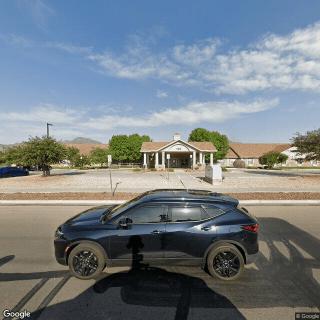
3113 Forney Lane, El Paso, TX 79935
For more information about senior living options: (866) 208-4318
Overall Review of Scottsdale Personal Care Facility
Cons
 The place doesn’t know how to do its job.
- The grandmother died because of them.
- They claimed she fell from her wheelchair, but the fall caused a black eye and knocked out her teeth, leading to hospitalization and death.
- Their handling of the situation was negligent and deadly.
Review
This community is best suited for residents who need only light assistance and for families prepared to provide close, ongoing oversight. The El Paso facility presents itself as a basic personal-care option, but with a single, highly troubling account attached to its record. The review raises serious questions about safety, responsiveness, and the credibility of incident reporting. For families that expect consistent monitoring, clear communication, and reliable protection against harm, this option should be seriously questioned. In short, this is a choice to consider only if the family can assume a substantial degree of hands-on supervision and is willing to accept substantial uncertainty around care quality.
Those with higher care needs or a priority on transparent, accountable operations should explicitly look elsewhere. The review’s core accusation, a death allegedly linked to a fall and to explanations that may misrepresent what happened, signals potential gaps in supervision, risk management, and incident follow-through. Alternatives to consider include facilities with demonstrated, well-documented safety protocols, higher staff-to-resident ratios, and third-party oversight in the form of regular inspections, accessible incident logs, and transparent parent-company or medical-director involvement. For families prioritizing reliability and clear communication, shifting to a provider with verifiable safety records is prudent.
The lack of positive, corroborated features in the report cannot offset the primary con: a serious safety failure with fatal consequences. In practical terms, the major risk here is not merely an isolated incident but the implication that staff may not accurately document or respond to events, leaving families with uncertain explanations and delayed or inadequate medical action. Without verified strengths, such as proactive fall-prevention measures, consistent supervision, and timely escalation to emergency care, the alleged incident stands as a decisive contraindication to recommending the community. Prospective residents should weigh any presumed affordability against an unclear safety horizon.
If evaluating similar facilities, demand concrete, observable safeguards. Insist on current staff-to-resident ratios, especially during peak activity hours and night shifts. Request detailed protocols for fall prevention, emergency response, and incident reporting, plus access to recent inspection reports and any corrective-action plans. Speak with caregivers, administrators, and, if possible, current residents about staffing consistency, handoff quality, and how concerns are escalated. Review the facility’s medical oversight arrangement, including the presence of a medical director and how medical documentation is shared with families. Above all, verify that there is a transparent, auditable trail of incidents and outcomes.
Decision-making should be guided by a clear risk–reward assessment. Given the sole, grave allegation and the lack of corroborating positives, caution dominates. Families should strongly consider alternatives that offer higher accountability, clearer safety records, and robust family-communication channels. For those who still explore this option, demand and document concrete assurances, comprehensive safety programs, guaranteed timely care, and written commitments to transparent incident handling. If peace of mind hinges on demonstrable, ongoing oversight, this Scottsdale facility does not appear to be the reliable foundation needed for a loved one’s daily life and long-term security.
In the end, the prudent stance is to pursue communities with verifiable safety performance and transparent care practices. Assisted living is too critical to gamble with uncertain incident handling and potentially withheld information. Families should prioritize options with tangible safety metrics, consistent staffing, and clear, real-time communication. Alternatives ranging from higher-quality assisted living facilities to in-home care arrangements or continuing-care communities offer more predictable accountability and less risk of the type of questions raised by the sole review. The goal is secure daily living, not hope for better management tomorrow.
 14 resident community capacity
 Assisted Living
 Board and Care Home
 Cable or satellite TV
 Dining room
 Fully furnished
 Garden
 Housekeeping services
 Move-in coordination
 Outdoor space
 Telephone
 Wi-Fi/high-speed internet available
 El Paso International (3 miles away)
 24-hour supervision
 Activities of daily living assistance
 Assistance with bathing
 Assistance with dressing
 Assistance with transfers
 Diabetes diet
 Meal preparation and service
 Medication management
 Special dietary restrictions
 Transportation arrangement (medical)
 Transportation to doctors appointments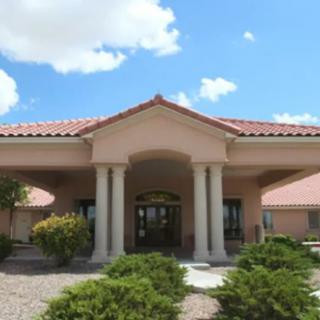
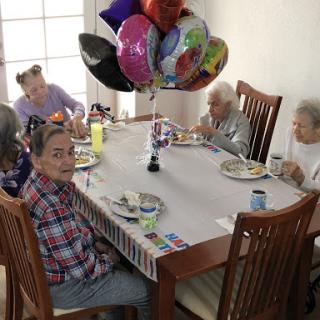
 Welcoming environment with attentive staff and clean, spacious rooms.


 Is Assisted Living Deductible on Your Taxes? Understanding the Complexities of Assisted Living Expenses and Deductions
 Assisted Living Support for Veterans: A Complete and Detailed Overview
 Exploring the Contrasts Between Assisted Living and Skilled Nursing