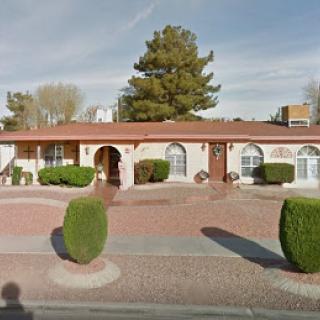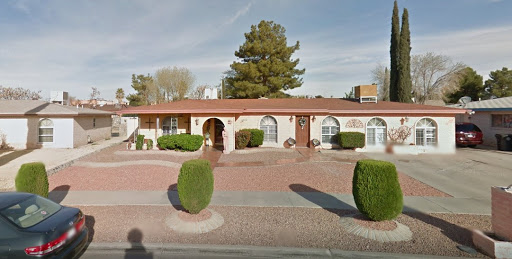
3111 Edgerock, El Paso, TX 79935
For more information about senior living options: (866) 208-4318
Overall Review of Rosedale Adult Foster Home
Pros
 The staff are very loving.
- The place is nice.
- The facility is clean, very spacious, and provides quality care.
- The price of admission is very fair compared to others in the city.
- The establishment is one of the finer homes the reviewer has visited.
- It offers a home-like atmosphere and premium service, described as the best in El Paso.
- It has a great setup and a homey feeling compared to a sterile nursing home.
Cons
 They described the facility as disgusting and vomit-stained, with vomit on a dying relative.
 - They stated the staff are rude and unprofessional.
- They asserted that the place should be closed down immediately.
- They claimed that money talks and families act selfishly, compromising safety.
- They questioned how any family member could place loved ones in an unsafe place.
Review
Rosedale Adult Foster Home in El Paso, TX is best suited for families seeking a small, home-like assisted living option where personal attention and a warm, relational caregiving model take priority over clinical formality. This community tends to attract residents who prefer a domestic atmosphere, clear daily rhythms, and direct access to caregivers who know them by name. It is especially appropriate for elders who value regular interaction with attentive staff, appreciate a house-like setting, and can function well with a more intimate care footprint than a large facility typically offers. For families prioritizing high-acuity medical oversight or a rigorously clinical environment, other options may deliver the predictability and oversight they require.
Those who may want to consider alternatives include families pursuing the most consistent cleanliness and must-avoid red flags across all shifts. The reviews show a stark contrast in experiences: some families report a loving, professional staff and a clean, spacious home, while at least one family cites severe lapses in cleanliness and perceived staff unprofessionalism. If a resident’s needs include strict infection control, formal incident reporting, or uniformly polished interactions at all hours, exploring larger, more standardized communities could yield fewer surprising inconsistencies. Likewise, if the care plan hinges on very high medical acuity or rapid escalation of clinical needs, alternatives with on-site nursing and clearer credentialing may be preferable.
The strongest positives here center on the human dimension: loving, respectful, well-educated staff; a home-like atmosphere; and a pricing structure that many families perceive as fair for the level of attention received. Several families emphasize that caregivers know the residents well, provide patient, attentive support, and create an environment that feels less institutional than a traditional nursing home. The emphasis on a spacious, clean setting further reinforces the sense of comfort and dignity for daily living. When these elements align, the small-scale model offers meaningful value, with residents enjoying continuity of care and strong relational ties to those responsible for their well-being.
Yet there are clear signals about what can go wrong and why some families may pause. The most serious red flags revolve around cleanliness lapses and concerns about staff demeanor in at least one negative account. The fear expressed in that review is not merely cosmetic; it touches safety and trust in the caregiving team. Even among otherwise positive reports, the existence of a markedly negative experience means a potential resident could encounter variability in quality from shift to shift or caregiver to caregiver. These gaps do not negate the strengths but they do necessitate proactive engagement: prospective families should insist on clear tours, direct conversations with the caregiving team, and candid discussions about how incidents are addressed and corrected.
In practical terms, this community can be a compelling choice for residents who want intimacy, ongoing companionship, and visible caregiver engagement that feels personalized. To determine fit, families should verify staffing levels at different times, request to meet the team who would be assigned to their loved one, and assess how transition plans are communicated. It is also wise to scrutinize the pricing framework: what is included, what may incur extra charges, and how the home handles unexpected needs. For those prioritizing memory support or specialized medical supervision, ask about staff training, emergency protocols, and the proximity of outside medical resources. If these assurances align with expectations, Rosedale delivers real value.
The takeaway is practical and decisive: Rosedale should be on the short list for families who prize a warm, homey setting with engaged, caring staff and a transparent, fair price. It is less suitable for those who cannot tolerate potentially inconsistent experiences, where a spotless environment and uniformly professional interactions across all shifts are non-negotiable. The decision should hinge on visiting the home, observing interactions firsthand, and probing for clarity on cleanliness standards and how staff respond to concerns. If satisfied with those assurances, this foster home offers a compelling blend of heart and practicality that can translate into meaningful quality of life for a beloved parent or grandparent.
 10 resident community capacity
 Assisted Living
 Board and Care Home
 Cable or satellite TV
 Dining room
 Fully furnished
 Garden
 Housekeeping services
 Move-in coordination
 Outdoor space
 Telephone
 Wi-Fi/high-speed internet available
 El Paso International (3 miles away)
 Transportation & parking
 24-hour supervision
 Activities of daily living assistance
 Assistance with bathing
 Assistance with dressing
 Assistance with transfers
 Diabetes diet
 Meal preparation and service
 Medication management
 Special dietary restrictions
 Transportation arrangement (medical)
 English




 Is Assisted Living Deductible on Your Taxes? Understanding the Complexities of Assisted Living Expenses and Deductions
 Assisted Living Support for Veterans: A Complete and Detailed Overview
 Exploring the Contrasts Between Assisted Living and Skilled Nursing