101 Posey Avenue, Clifton, TX 76634
For more information about senior living options: (866) 208-4318
Overall Review of Goodall Witcher Nursing Facility
Cons
 They were the rudest group of people the reviewer has ever dealt with.
- A doctor tried to kill them.
- They hate it and will not be returning.
Review
Goodall Witcher Nursing Facility in Clifton, TX is best suited for families that want a compact, potentially home-like care setting and are prepared to take an active role in overseeing day-to-day experiences. The facility may work for residents who donā€™t require perfect consistency across every shift and who can tolerate some variability in service, so long as there is a clear channel to raise concerns and a plan to monitor ongoing care. In short, it favors households willing to engage directly with administrators, ask pointed questions, and verify care through regular visits and conversations with staff.
Those who require consistently respectful treatment and airtight medical oversight should consider alternatives. A strongly negative review highlights a real red flag: perceived rude staff behavior and a serious allegation about medical harm associated with a physician. Until more corroborating feedback emerges, this combination makes reliability and safety the top question marks. For families prioritizing unwavering professionalism, predictable communication, and verifiable patient safety, other facilities with more transparent safety records and steadier reputations deserve vigorous comparison.
On the positive side, the favorable reflection in the limited feedback suggests that moments of genuine care and competence can occur. A clearly favorable experience implies that when staff are engaged and attentive, residents can benefit from attentive support and responsive assistance. That potential is meaningful, but it is inherently uneven if the overall tone of care varies widely by shift or by staff member. The contrast with the negative report underscores the importance of verifying consistency rather than counting on isolated good days.
The main con, the combination of perceived rudeness and a severe medical-safety allegation, should drive the decision-making calculus. Prospects for a good experience hinge on whether such issues are isolated incidents or symptomatic of broader patterns. Families that decide to explore this facility should insist on a thorough, face-to-face tour, observe interactions in common areas and meal times, and request candid updates on any past incidents, follow-up actions, and staffing changes. It is prudent to seek assurance that there is a robust incident-reporting process and clear accountability for patient safety.
A practical vetting path is essential. Review the most recent state inspections and complaint history, ask to speak with the administrator about what happened in the reported incident, and request concrete examples of how care plans are customized and monitored. Inquire about staff training, ongoing supervision, and nurse-to-resident ratios by shift. If available, solicit references from current families or residents who can speak to consistency and manners over time. Without these confirmations, the comfort of a single positive interaction does not outweigh the risk implied by the more serious claim.
Overall, this community should not be a default choice for families prioritizing safety, consistency, and consistently respectful care. It may be considered only after rigorous due diligence and when a comparative facility cannot meet other essential needs, such as proximity, cost, or specific service features, and after satisfactory evidence that patient safety and staff conduct have been strengthened. The best path forward is deliberate observation, transparent conversations with leadership, and a clear plan for ongoing quality checks. If those assurances cannot be secured, alternatives with stronger, demonstrable records are the prudent recommendation.
 43 resident community capacity
 Skilled Nursing Facility
 Beauty salon
 Cable or satellite TV
 Dining room
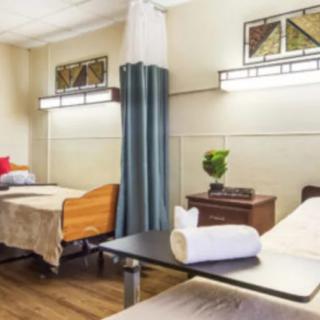
 Fully furnished
 Garden
 Housekeeping services
 Kitchenette
 Move-in coordination
 Outdoor space
 Restaurant-style dining
 Small library
 Telephone
 Wi-Fi/high-speed internet available
 Waco Regional (24 miles away)
 24-hour call system
 Activities of daily living assistance
 Assistance with bathing
 Assistance with dressing
 Assistance with transfers
 Diabetes diet
 Medication management
 Mental wellness program
 Special dietary restrictions
 Friendly, attentive staff with good communication and engaging activities.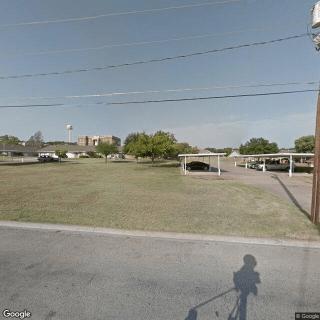




 Compassionate Conversations: How to Comfort Someone Who Is Grieving
 Home Health Care Aides: Understanding Their Role and Supporting Your Family
 Urinary Tract Infections in Older Adults: Comprehensive Insights on Symptoms, Treatment, and Prevention