


9808 Rawford, Austin, TX 78724
To contact a resident: (512) 272-5511
For more information about senior living options: (866) 208-4318
Oakcrest Manor Nursing Home Costs & Pricing
At Oakcrest Manor Nursing Home, the monthly cost for a private room is set at $4,562. This figure positions Oakcrest Manor slightly above both the Travis County average of $4,194 and the broader state average in Texas of $4,096. While Oakcrest Manor's rates are higher than those of its local and statewide counterparts, this premium may reflect the quality of care and services offered at the facility. Prospective residents and their families should consider not only the financial aspect but also the comprehensive care and environment that Oakcrest provides when evaluating their options for long-term care.
| Floor plans | Oakcrest Manor Nursing Home | Travis County | Texas |
|---|---|---|---|
| Private | $4,562 | $4,194 | $4,096 |
Skilled Nursing Facilities with a similar price nearby
-
from +$438 / mo

Arbor Terrace Lakeway
$5,000 to $7,000 / month13.3 miles away -
from -$562 / mo

The Watermark At Southpark Meadows
$4,000 to $5,000 / month10.1 miles away -
from +$313 / mo

Avalon Memory Care - Cedar Park
$4,875 to $6,475 / month12.6 miles away -
from +$228 / mo
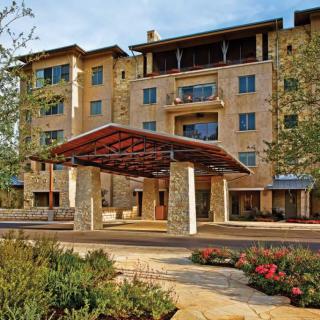
Querencia at Barton Creek
$4,790 to $6,670 / month7.2 miles away -
About the same

Belmont Village Senior Living Lakeway
$4,445 to $8,755 / month13.0 miles away
Overall Review of Oakcrest Manor Nursing Home
Pros
 Shannon and the staff do a great job, despite funding challenges.
- The resident and staff were welcoming.
- The food is good.
- The protective perimeter makes sense for the safety of all concerned.
Cons
 Oakcrest should be condemned or demolished and rebuilt from the ground up, as it is not a typical elderly care facility and residents deserve better.
- The place is very nasty and filthy, looking like an institution rather than a home.
- It is unsafe and unclean, with residents at risk and incidents of care being compromised.
- The facility should be shut down, described as disgusting and unfit for care.
- It feels prison-like, more like a correctional facility than a care facility.
- The state ought to be ashamed to allow a place like this to operate.
Review
Oakcrest Manor Nursing Home in Austin is best suited for budget-conscious families who are ready to manage a challenging environment with vigilant oversight. The reviews show a workforce that, despite funding gaps, delivers steady care on the ground, with Shannon and other staff earning praise for their diligence. The facility carries a protective perimeter, signaling that safety concerns exist and require active management rather than passive acceptance. The building itself feels more like an institution than a home, and the call for remodeling or overhaul recurs in consumer feedback. For residents whose families are committed to ongoing advocacy and to demanding improvements, Oakcrest can function as a hard-working, low-cost option rather than a polished retirement setting. The core value proposition hinges on price paired with a willingness to push for better care and to step in when gaps appear.
Those evaluating Oakcrest should clearly recognize who may want to consider alternatives. Anyone needing a consistently clean, home-like atmosphere with modern amenities and visible, reliable safety measures should look elsewhere. Several reviews describe dirt, outdated furnishings, and a setting that feels more prison-like than residential. Allegations of safety breaches, residents harmed, or unsafe individuals present, and questions about cameras and monitoring amplify concerns about stability and protection. If safety, cleanliness, and a humane, welcoming living environment are non-negotiables, keeping options open with other facilities is prudent and often necessary.
On balance, the practical positives at Oakcrest are real but do not counterbalance the dominant drawbacks. The staff’s commitment under financial strain matters: it signals that improvements could come with reinvestment and time, and some residents praise the warmth and attentiveness of individuals on duty. There is also occasional mention of satisfactory meals in related facilities and a sense that residents and staff can be welcoming. Yet those strengths are overshadowed by repeated accounts of dirt, outdated décor, and a pervasive impression of confinement. The fear of unsafe conditions, visitors and residents being unsafe, or worse, harmed, undercuts trust in daily operations. The contrast between moments of kindness and ongoing neglect creates a troubling dynamic that weighs heavily against confidence in consistent, high-quality care.
For families evaluating Oakcrest, the practical move is to probe specifics rather than rely on general impressions. Seek current cleanliness and maintenance records, ask for a transparent remodeling or modernization plan, and demand a credible timeline. Inquire about staff-to-resident ratios, incident history, and escalation procedures when concerns arise. Schedule consults across shifts to observe how care is delivered, and talk directly with current residents and their families about responsiveness and communication. If possible, compare with the sister facility noted by some reviewers to gauge whether that model of care translates here. Above all, insist on documented safety protocols and a concrete timetable for improvements so decisions aren’t left to hope.
If the decision is to stay in the near term, couple the choice with a formal risk-mitigation plan: designate a primary family contact to conduct weekly tours, maintain an issue log, and require routine care-plan updates. Confirm that emergency response systems are functioning and that a clear escalation path exists for complaints. Build in backup housing options and a contingency plan should conditions fail to improve within a defined period. Oakcrest may function as a last-resort option for those prepared to supervise directly and press for progress, rather than rely on the facility delivering the standard of care expected in a modern nursing home.
The bottom line is clear: Oakcrest Manor is not suitable for families seeking a clean, modern, consistently safe environment. It represents a difficult choice for cost-conscious households willing to engage in aggressive advocacy to address persistent shortcomings. The core positives, the dedication of frontline staff under funding pressure and occasional favorable aspects like food quality in related facilities, are real but not enough to overcome the most consequential flaws: dirty conditions, safety concerns, and an outdated, prison-like atmosphere. Alternatives should be seriously considered for anyone prioritizing safety, dignity, and a home-like setting. When choosing, prioritize facilities with demonstrable investment in upkeep, transparent safety practices, and a proven track record of responsive, resident-centered care.
 Skilled Nursing Facility
 Austin-Bergstrom International (9 miles away)





 Senior Move Management: Understanding the Role, Value, and Associated Costs
 Weight Training for Seniors: Building Strength and Vitality
 Understanding the Sandwich Generation: Stress and Responsibilities for Multigenerational Caregivers