Residents and families consistently describe the staff as caring, competent, and responsive.
A recurring theme in the reviews is how often residents and families mention the caregivers’ compassion and competence. Multiple reviewers say nurses, aides, and therapists were attentive during recovery or health changes, and that questions were answered quickly. Several also describe associates as professional and detail-focused, including support during moves and ongoing care coordination. One resident even highlights a wellness clinic visit and how the nurse practitioner followed up with recommendations.
common12 reviews mention this
Food stands out across dining
Dining quality and variety are repeatedly praised by residents and families.
Many reviews call out food quality as a consistent strength, describing meals as tasty, nutritious, and available in multiple dining venues. Several reviewers specifically mention using the dining rooms and note that food is good on an ongoing basis. Others describe attentive dining room service, including staff who remember preferences. The community also offers restaurant-style dining and multiple dietary support items like diabetes diet and special dietary restrictions.
common14 reviews mention this
Activities keep residents engaged
Residents regularly describe an active schedule with lots to do.
Reviews frequently mention an activity calendar that stays full, with options ranging from exercise classes and fitness to lectures, concerts, and discussion groups. Several residents describe day trips and outings, along with resident-run or group activities that help them meet people. A number of reviewers also point to on-site opportunities like workshops, entertainment programs, and frequent evening programming. The community lists planned day trips, scheduled daily activities, fitness programs, and concierge services that align with what residents describe.
differentiator6 reviews mention this
On-site clinic supports health care
An on-site health clinic is highlighted as a practical support for day-to-day wellness.
Several reviews connect peace of mind with the availability of health support on campus, including mention of a clinic and timely help for wellness needs. Reviewers describe staff at the clinic responding to concerns and providing guidance, and some tie that to reduced worry as health needs change. The community also offers a wellness center and includes medication management, mental wellness programming, and care coordination with health care providers.
caveat4 reviews mention this
Care and operations can be inconsistent
A small set of reviews report breakdowns in responsiveness, food service, or safety during the stay.
While most reviews are positive, a few mention issues that would matter to families: a long elevator delay, delays or mix-ups around lunch food, and construction-related safety concerns in hallways. Other negative reviews describe problems with health care quality, including medication and bathing concerns, and frustration with management follow-through. One review also notes dissatisfaction with the dining menu and activity planning choices for a more active resident. Taken together, these comments suggest potential variability in the day-to-day experience for some families.
common2 reviews mention this
Convenient nearby essentials
Nearby shopping and services are close enough to matter for errands.
Some reviews describe the location as convenient to shops and restaurants, and several also reference using transportation for outings. The surrounding area includes everyday options like pharmacies and dining spots at about 1–3 miles, which can make it easier to connect to community resources beyond the campus. The listing also provides community-operated transportation, including medical transportation arrangements.
How we summarize
Counts show how many written reviews mention each theme; a review can touch several themes, and only frequently mentioned themes are displayed.
Features
Housing
56 resident community capacity
Types of Care
Assisted Living
Continuing Care Retirement Community (CCRC)
Independent Living
Memory Care
Skilled Nursing Facility
Amenities
Air-conditioning
Beauty salon
Cable or satellite TV
Computer center
Dining room
Fitness room
Fully furnished
Gaming room
Garden
Housekeeping services
Kitchenette
Move-in coordination
Outdoor space
Private bathrooms
Restaurant-style dining
Small library
Telephone
Wellness center
Wi-Fi/high-speed internet available
Transportation
Austin-Bergstrom International (10 miles away)
Community operated transportation
Transportation arrangement
Care Services
24-hour call system
24-hour supervision
Activities of daily living assistance
Assistance with bathing
Assistance with dressing
Assistance with transfers
Coordination with health care providers
Diabetes diet
Hospice waiver
Meal preparation and service
Medication management
Mental wellness program
Special dietary restrictions
Transportation arrangement (medical)
Transportation to doctors appointments
Dining
Diabetes diet
Special dietary restrictions
Activities
Community-sponsored activities
Concierge services
Fitness programs
Planned day trips
Resident-run activities
Scheduled daily activities
Nearby Places of Interest
Pharmacies
Peoples Pharmacy (1 miles)
Tarrytown Pharmacy (1 miles)
CVS Pharmacy (1.1 miles)
38th Street Pharmacy (1.2 miles)
Walgreens (1.4 miles)
Walgreens (1.6 miles)
Walgreens (2.5 miles)
Restaurants
Uchiko (1 miles)
La Mancha Tex Mex Tavern (1 miles)
The Brewtorium (2.4 miles)
Chick-Fil-A (2.4 miles)
Raising Cane's Chicken Fingers (2.5 miles)
In-N-Out Burger (2.5 miles)
Tacodeli (2.6 miles)
Physicians
Austin Retina Associates - Main (1.1 miles)
Texas Fertility Center (2.1 miles)
Kind Clinic (2.2 miles)
Austin Regional Clinic (2.5 miles)
St. David's Medical Center (2.5 miles)
Dell Children’s Dermatology (3 miles)
Swish Dental - Mueller Family (3.3 miles)
Cafes
Merit Coffee (1.2 miles)
Mozart's Coffee Roasters (2.2 miles)
Epoch Coffee (2.9 miles)
Better Half Coffee & Cocktails (3.1 miles)
Starbucks (3.2 miles)
Merit Coffee (3.3 miles)
Houndstooth Coffee (3.6 miles)
Parks
Pease District Park (2.4 miles)
Waterloo Park (3 miles)
Mueller Lake Park (3.1 miles)
Mary Elizabeth Branch Park (3.3 miles)
Zilker Metropolitan Park (3.7 miles)
Auditorium Shores at Lady Bird Lake (3.7 miles)
Transportation
Highland Metrorail Station (2.5 miles)
Places of Worship
Saint Louis King of France Catholic Church & School (2.9 miles)
Cameron Road Church of Christ (3.4 miles)
Hospitals
Strictly Pediatrics Subspecialty Center (2.9 miles)
Emergency Room - Dell Seton Medical Center at The University of Texas (3 miles)
Dell Children's Medical Center of Central Texas (3 miles)
The features offered by Westminster are specifically designed to enhance the quality of life for residents with dementia or Alzheimer's disease, addressing their unique needs. Assistance with dressing and bathing fosters personal dignity while ensuring safety, while meal preparation and service provide nutritious options tailored to individual dietary requirements, promoting overall health. Medication management ensures residents receive the correct dosages at the right times, minimizing the risks associated with missed or improper medications. Transportation arrangements for medical appointments alleviate stress related to travel logistics, enabling access to necessary healthcare services. Coordination with health care providers guarantees that each resident's care plan is continually updated and monitored. Activities of daily living assistance supports independence in routine tasks, and 24-hour supervision ensures safety and responsiveness at all times. Finally, a mental wellness program promotes cognitive engagement and emotional well-being through structured activities designed to stimulate social interaction and memory retention.
Nearby Communities
Westminster Manor
Austin, TX
4.9 from 104 reviews
Well-maintained, clean facility with friendly staff and engaging activities.
Westminster Manor Assisted Living
Austin, TX
5 from 118 reviews
Diabetes-focused care with personalized meals and restaurant-style dining in a fully furnished, supportive setting.
Home at Bull Creek
Austin, TX
4.4 from 118 reviews
$3,400 / month
Affordable private rooms with personalized care and quick access to medical services.
Oakcrest Manor Nursing Home
Austin, TX
3 from 10 reviews
$4,562 / month
Prime location with abundant nearby amenities (healthcare, dining, parks, theaters, and transportation).
Starlite Caregivers
Austin, TX
Excellent access to nearby amenities and healthcare.
Home Helpers Home Care of South & Central Austin
Austin, TX
5 from 7 reviews
Excellent access to nearby healthcare, dining, and parks.
Right at Home Austin West
Austin, TX
4.4 from 51 reviews
Occasionally reliable, pleasant caregivers and responsive staff.
Brookdale Northwest Hills
Austin, TX
4.4 from 98 reviews
$5,280 to $8,810 / month
Caring, attentive staff in a well-maintained, active community with strong nursing and medication management.
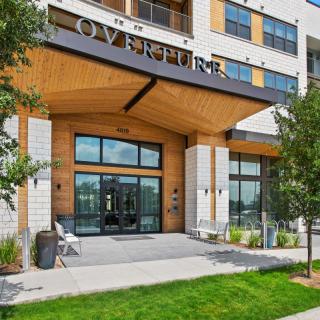
Overture Mueller 55+ Apartment Homes
Austin, TX
4.1 from 47 reviews
$1,098 to $1,700 / month
Active 55+ community with diverse activities and attentive staff.
Assisted living provides moderate support for seniors seeking independence, while memory care offers specialized support for individuals with dementia or cognitive impairments through structured routines and trained staff. Key differences include care approaches, environment security measures, staff training levels, activity types, and cost considerations.
Choosing between assisted living and nursing homes involves evaluating emotional and financial factors, with assisted living offering independence and support for daily activities at a lower cost, while nursing homes provide intensive medical care for individuals with significant health needs. The decision is influenced by personal preferences, health status, cognitive function, and varying Medicaid coverage across states.
The article presents eight strategies for preserving cognitive health and memory in older adults, emphasizing a nutrient-rich diet, regular exercise, intellectually stimulating activities, adequate sleep, social connections, stress management techniques, limiting harmful substances, and regular medical checkups to mitigate age-related memory decline.
Get PricingAsk A QuestionSchedule A TourContact Senior Advisor
By clicking submit, you agree to our Partner's Terms of Use. You
also consent to receive calls and texts, which may be autodialed, from our Partner. Your consent is not a condition to
using our Partner's service. Please visit our Partner's Privacy Policy for information about their privacy practices.

 56 resident community capacity
 Assisted Living
 Continuing Care Retirement Community (CCRC)
 Independent Living
 Memory Care
 Skilled Nursing Facility
 Air-conditioning
 Beauty salon
 Cable or satellite TV
 Computer center
 Dining room
 Fitness room
 Fully furnished
 Gaming room
 Garden
 Housekeeping services
 Kitchenette
 Move-in coordination
 Outdoor space
 Private bathrooms
 Restaurant-style dining
 Small library
 Telephone
 Wellness center
 Wi-Fi/high-speed internet available
 Austin-Bergstrom International (10 miles away)
 Community operated transportation
 24-hour call system
 Activities of daily living assistance
 Assistance with bathing
 Assistance with dressing
 Assistance with transfers
 Diabetes diet
 Hospice waiver
 Medication management
 Mental wellness program
 Special dietary restrictions
 Transportation arrangement (medical)
 Concierge services
 Planned day trips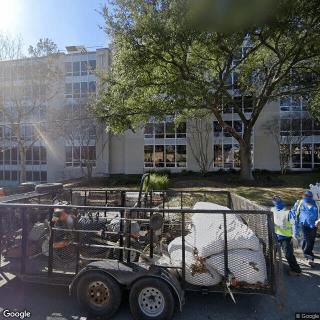
 Well-maintained, clean facility with friendly staff and engaging activities.

 Assisted Living and Memory Care: Understanding Their Core Differences
 Choosing the Right Senior Care: A Detailed Exploration of Assisted Living and Nursing Homes
 Safeguarding Your Memory Through the Golden Years: Eight Ways to Preserve Cognitive Health