

3800 North Lamar Blvd. Suite 200, Austin, TX 78756
To contact a resident: (512) 400-4337
For more information about senior living options: (866) 208-4318
Overall Review of Home Helpers Home Care of South & Central Austin
Pros
 HomeHelpers is instrumental in helping a family keep a loved one at home after a glioblastoma diagnosis.
- They interview well and match capable, compatible individuals to work in the home with the family.
- The caregiving relationship is intimate, and having smart, dedicated, dependable staffing is paramount during a medical crisis.
- The team fosters open communication, making a good experience in a terrible situation.
- Cammy has a wonderful, caring disposition and is highly recommended for home health.
- Vanessa is excellent—professional, efficient, and easy to work with, with a strong work ethic and caring attitude.
Review
This in-home care provider is best suited for families facing a medical crisis or progressive decline where staying in the home is a priority and the caregiver line-up can be precisely matched to the loved one’s daily routine. The reviews underscore a highly relationship-driven model: staff that is careful, capable, and personable, with a deep understanding that intimate, trust-based caregiving matters most when vulnerability is high. It is especially well suited for situations like serious neurological diagnoses or long-term assistance needs where showering, dressing, meal planning, and light housekeeping are the core supports. Those who value reliable staffing, personalized caregiver matching, and responsive administrative coordination will find this model compelling. It is not the right fit, however, for families requiring constant, high-intensity medical supervision at the level of 24/7 skilled nursing, nor for those seeking a more social, facility-based environment.
Those considering alternatives should note a few practical benchmarks. If the goal is round-the-clock, hospital-grade nursing care in a facility, or if the home environment presents safety concerns that exceed what in-home aides can manage, a residential or skilled-nursing setting will likely be a wiser choice. Costs, access to a broad continuum of care, and the desire for built-in social programming also push some families toward facility living or specialized programs. Additionally, when care needs escalate quickly and require rapid, uninterrupted escalation of services, a traditional home-care model may feel stretched unless backed by a robust 24/7 support framework. In short, for families needing intensive medical oversight or more structured social activities, alternatives deserve serious consideration.
The strongest pro strengths center on staff quality and the human glue that keeps care cohesive. The program consistently earns praise for smart, dependable matching, caregivers who align with the family’s routines and the patient’s personality, turning a fragile period into a manageable, dignified experience. Families repeatedly highlight specific aides who bring not only competence but warmth: caregivers who communicate openly, stay attentive to changing needs, and deliver care with kindness and respect. Administrative responsiveness reinforces these gains, with staff that are quick to respond and problem-solve, easing the caregiver’s burden. The sense that caregivers are part of a trusted team, backed by attentive owners, transforms what could be overwhelming logistics into a coordinated care plan.
Equally important is the ability to adapt as needs evolve. The reviews describe a care team that can shift from basic daily living assistance to a more intensive caregiving footprint when a loved one’s condition changes, all while maintaining continuity and a familiar routine. The owners, identified as compassionate and engaged, are cited as a source of reassurance for families navigating uncertainty. In practical terms, this translates to reliable scheduling, clear communication, and a humane approach that keeps the patient’s dignity intact while relieving family members from constant, anxiety-ridden supervision. For families walking through a medical crisis, that combination of dependable staff and proactive administration is a decisive offset to the inevitable ups and downs.
From a practical standpoint, the core value proposition is clear: in-home care that preserves independence, reduces hospitalization risk, and delivers tangible daily supports, dressing, bathing assistance, meal prep, light laundry, without sacrificing personal attention. The work-life relief for caregivers is substantial, and the consistent kindness shown to patients creates a safer, calmer home environment. Yet the model is not a universal remedy. Those needing full-time, on-site clinical oversight or a bustling social milieu with structured activities may still prefer a traditional community setting. Families should weigh the comfort of maintaining home life against the potential benefits of a more hands-on facility arrangement when choosing.
In the end, Home Helpers Home Care of South & Central Austin stands out for families prioritizing compassionate, high-touch in-home care, with a proven track record of thoughtful caregiver matching and responsive administration. It is a strong recommendation for bridging the gap between independent living and residential care, especially during medical crises, when keeping a loved one at home is central to quality of life. Pros offset the mentioned trade-offs through staff reliability, intimate caregiver relationships, and the proactive ownership that families consistently report as a stabilizing influence. For those whose priorities are safety, continuity, and a home-first care philosophy, this provider should be at the top of the short list, while acknowledging that if 24/7 hospital-level care or a more communal living experience is required, alternatives deserve careful consideration and planning.
 Austin-Bergstrom International (10 miles away)






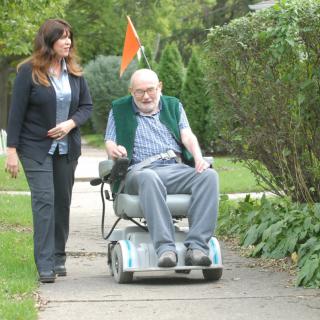

 Caring for Those Who Care: Recognizing, Understanding, and Overcoming Caregiver Burnout
 Caregiver Exhaustion: Recognizing the Signs and Restoring Your Well-Being
 Understanding Hospice Care at Home: Comprehensive Services, Key Benefits, and Eligibility