
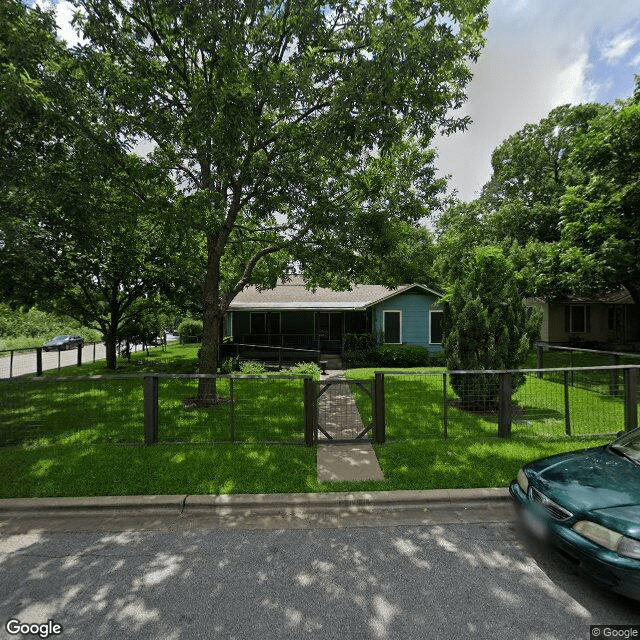
5000 Shoalwood Ave, Austin, TX 78756
To contact a resident: (512) 451-3822
For more information about senior living options: (866) 208-4318
Southern Hospitality Costs & Pricing
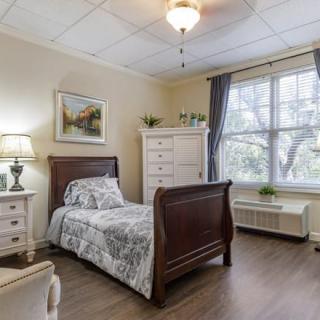
Southern Hospitality presents a competitive pricing structure for its care services, particularly in comparison to both Travis County and the broader Texas rates. For semi-private rooms, Southern Hospitality charges $4,500 per month, which is slightly above the county's average of $4,300 but below the state average of $3,680. In contrast, private room accommodations are offered at $5,500 monthly, a rate that surpasses both Travis County's cost of $4,194 and the state average of $4,096. This pricing reflects Southern Hospitality's commitment to providing quality care and an enriching environment for residents while acknowledging local market dynamics.
| Floor plans | Southern Hospitality | Travis County | Texas |
|---|---|---|---|
| Semi-Private | $4,500 | $4,300 | $3,680 |
| Private | $5,500 | $4,194 | $4,096 |
Senior living communities with a similar price nearby
-
from -$700 / mo
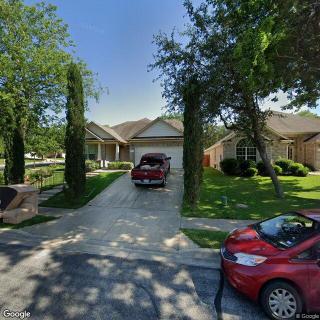
Kind Heart Home Personal Care for Elderly
$3,800 / month12.4 miles away -
from -$700 / mo

Tran's Senior Oasis
$3,800 to $4,500 / month14.7 miles away -
from -$350 / mo
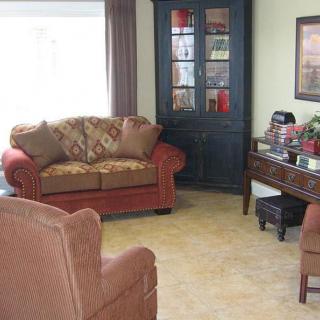
Cedar Ridge Alzheimers Special Care Center
$4,150 / month12.0 miles away -
from +$500 / mo

Arbor Terrace Lakeway
$5,000 to $7,000 / month13.7 miles away -
from +$350 / mo
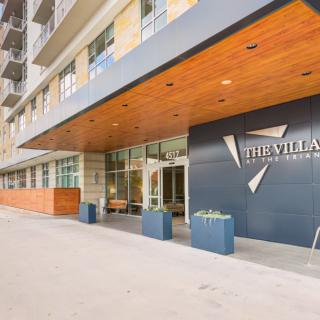
The Village at The Triangle
$4,850 to $7,000 / month0.8 miles away
Overall Review of Southern Hospitality
Pros
 The caregivers are described as angels with hearts of gold, delivering loving and attentive care.
- The home is small, homey, and staffed by friendly, positive people.
- Michelle and her staff are wonderful and caring, making residents feel treasured and well cared for.
- The SOHO staff and leadership provide wonderful, compassionate daily care, leaving residents happy and content.
- The residents and staff are enjoyable and welcoming.
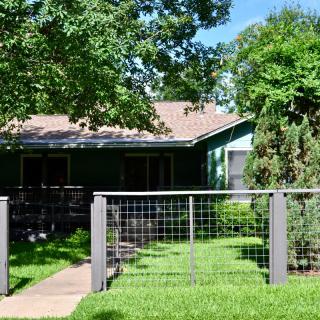
- The facility is beautiful and well-kept, with attentive, responsive staff and an inviting tour that highlights activities and amenities.
- The care team is kind and dedicated, helping residents move from loneliness to vibrant engagement.
- The community is presented as a genuine, local place near me that people would recommend.
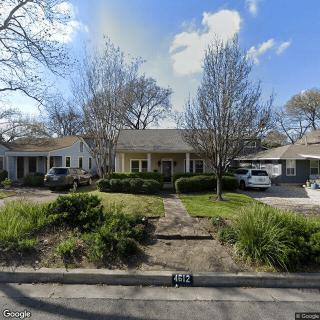
- The Austin location features a well-kept exterior, tranquility, and greenery that supports walking and visiting for residents.
Cons
 One reviewer was brushed off as a robo-call, describing it as a poor way to do business.
- The AL home was not a perfect place for the reviewer’s mother.
- The reviewer observed that residents were mostly sedentary and not active.
Review
This community is best suited for families seeking a truly intimate, home-like assisted living experience in central Austin, where care feels personal and relationships with the care team are the centerpiece. With a maximum of about 15 residents, Southern Hospitality operates like a private house rather than a campus, and that small scale translates into unusually attentive, hands-on caregiving. The reviews consistently crown the staff, leadership, and the sense that residents are treated like family. The setting is clearly valued by families who want comfort, routine, and the reassurance that memory care and dementia-friendly approaches can be woven into daily life without turning the place into a clinical or impersonal environment. For seniors who prize warmth, steady companionship, and a calm, homey rhythm, this is a strong match.
At the same time, some families will want to consider alternatives. The most salient caveat is the potential mismatch for those seeking a bustling, activity-packed community or extensive, 24/7 medical oversight. A few reviewers note concerns about activity levels, describing residents as mostly sedentary and indicating a desire for more interactive engagement or a more clearly defined program for social stimulation. For residents whose needs are rapidly progressing toward intensive skilled nursing, or who require a larger, more hospital-like facility with broad clinical resources, a bigger operator may deliver the breadth of services that a higher-acuity case demands. Those who prioritize expansive dining, on-site specialists, or a wide variety of neighborhood outings may find the scale here limiting.
The strongest positives, personalized attention, compassionate leadership, and a home-like atmosphere, do a lot to offset the cons. The intimate environment fosters deep, consistent relationships between residents and caregivers, a level of consistency that is often hard to sustain in larger homes. The presence of a full-time activity director helps ensure ongoing programs, outings, and creative engagement, while the facility’s demonstrated willingness to coordinate physical therapy and related services adds practical value for mobility and general wellness. Residents consistently speak highly of meals, social spaces, and the option to customize living arrangements (private, semi-private, or communal dining), all of which reinforce the sense of dignity and belonging. In short, the pros directly counterbalance the risk of limited social options by delivering quality, individualized care and meaningful daily structure.
That said, the realities of small-scale living matter. The chief trade-off is the potential narrowing of activity breadth and the risk of residents becoming sedentary without a more robust, institutionalized activity matrix. Families should test how the program adapts as memory or mobility evolves, and verify whether the activity director can tailor plans to evolving needs. The small size also means fewer on-site medical resources compared with larger ALFs, so it is essential to confirm what level of nursing support is available, how medications are managed, and whether routine clinical oversight can be scaled up if required. One aside in the reviews, an outreach encounter perceived as impersonal, serves as a reminder to evaluate communication and outreach processes alongside caregiving quality.
Decision-making here hinges on a clear read of needs versus what the home-style setting delivers. If priority is immediate, compassionate, consistent care in a warm, quiet environment with strong staff empathy and a proven ability to include memory-care needs, Southern Hospitality stands out as a compelling option. The small community size, intimate ambiance, and proven leadership translate into exceptional daily life for many residents, with activity programming that is practical and steady rather than dazzling. For families prioritizing high-energy social calendars, robust clinical depth, or expansive on-site services, it is wise to widen the search and compare several larger communities. Scheduling a tour and observing resident interactions firsthand will provide the best read on fit.
In the final assessment, this Austin offering excels for families seeking a dignified, affectionate, home-like setting where caregivers know residents well and daily life emphasizes comfort, meals, and meaningful activity within a tight-knit community. It is less ideal for those who require expansive medical resources, a high-intensity activity calendar, or a large, hotel-like campus experience. The recommendation is to engage in a hands-on visit, meet the care team, and specifically probe the durability of activity programming and the plan for escalating care if dementia or mobility needs advance. With thoughtful due diligence, Southern Hospitality can be the right home for seniors who value warmth, genuine connection, and a steady, human touch in everyday living.
 Board and Care Home
 Activities off-site
 Bath tubs
 Beautician on-site
 Indoor common areas
 Outdoor common areas
 Private
 Respite or short term stays offered
 Wheelchair accessible showers
 Austin-Bergstrom International (10 miles away)
 Ambulatory care
 High acuity care
 Incontinence care
 Meals provided


 Caregiver Exhaustion: Recognizing the Signs and Restoring Your Well-Being
 Understanding Hospice Care at Home: Comprehensive Services, Key Benefits, and Eligibility
 Understanding the Full Cost of 24/7 In-Home Care: A Detailed Overview