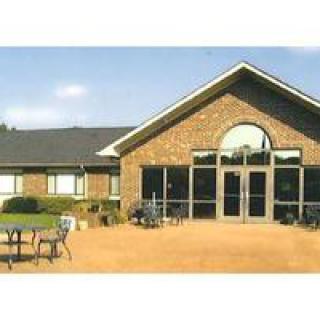
520 Old Highway 68, Sweetwater, TN 37874
For more information about senior living options: (866) 208-4318
Overall Review of Wood Presbyterian Home
Pros
 They cared for her mother during her last weeks, meeting comfort care needs and showing great care and sympathy toward the family.
- The facility offered very comfortable conditions for residents.
- The staff were considerate and showed concern for the residents.
- Wood Presbyterian Home was friendly and clean, with transparent operations.
- The rooms in the assisted living area are great and spacious.
- The staff were very courteous and good at taking care of residents.
- The resident is satisfied and has made many friends there.
- The mother-in-law is happy at Wood Village, with hot meals, on-site nursing staff, and timely medication administration.
- Aides work with residents daily, helping with exercise, ensuring meals, and ensuring medications are taken on time.
Cons
 Her mother was constantly drugged.
- Staff preferred residents who were sleeping, making care seem easier.
- The reviewer would not recommend the place unless someone could visit daily.
- They regretted letting their mother go there.
- It was a sad place for actual personal care.
- It is the worst nursing home the reviewer has ever visited.
- Nurses did not clean up after a patient became sick, leaving a towel for the next shift.
- They left her there without any way to contact the nurses' station.
- It takes about three hours for staff to respond to someone needing the bathroom.
- The reviewer warned others not to send their loved ones there.
- The staff were mostly miserable and lazy, with only one smiling worker.
Review
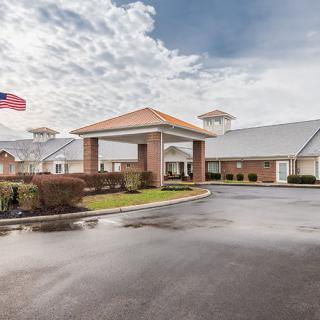
Wood Presbyterian Home in Sweetwater, Tennessee is best suited for families seeking an on-site continuum of care, rehabilitation, long-term nursing, and assisted living, on a single campus, at an approachable price. The campus consolidates multiple levels of care under one roof, with on-site nurses, a rehabilitation program, a dining room, library, activity spaces, and an outdoor courtyard. For residents whose families can commit to regular in-person oversight to supplement staffing, this arrangement offers practical, low-friction transitions between services without frequent moves. It is particularly aligned with seniors who anticipate post‑hospital rehab or ongoing skilled nursing while wanting a stable, home-like environment that preserves continuity within the same community.
There are clear reasons why some families would look at alternatives. The most persistent red flag across reviews is staffing inconsistency that translates into slow or missed responses to calls, delayed bathroom assistance, and perceived neglect on occasion. When staffing gaps widen, the risk of inadequate personal care rises, making daily supervision essential for anyone who cannot tolerate lapses in monitoring. For elders who require strong medical oversight, frequent physician rounds, or a consistently warm and proactive caregiving culture, better-staffed facilities may offer more reliable daily experiences. Those seeking a robust, varied activity calendar beyond routine bingo or church services may also want to compare other communities.
On balance, the facility’s positives do real work for residents who can leverage them. Clean facilities, a generally courteous staff, and a sense of safety in a well-kept environment come through in several accounts. The campus’ three-care-level structure, on-site nurses, and rehabilitative services create a practical spine for mobility and daily routines. The presence of a dining room, exercise equipment, a library, and common spaces supports social contact and physical activity, while affordable pricing helps families manage long-term costs. For seniors transitioning from hospital care, the ability to stay on the same campus through different levels can reduce disruption and help preserve routines important to recovery and morale.
Yet the negatives cannot be dismissed. Reports of disorganization, staff who seem overwhelmed, and occasional neglect demand serious consideration. Doctor visits are described by some as infrequent, and the cadence of care in the nursing and assisted-living units can vary widely by shift. When meals arrive cooled after transfers, or when aides and nurses appear disengaged, the risk of declines in comfort and independence grows. These experiences underscore how much care quality hinges on staffing stability and day-to-day leadership. In short, the outcomes residents experience are highly contingent on who is on duty and when.
For families moving forward, practical diligence is non-negotiable. A tour should be conducted with attention to how the nurses’ station operates, how quickly call bells are answered, and whether aides proactively assist with mobility, hydration, and personal care. Probing the care plan with the social services team, clarifying medication routines, and mapping activity scheduling helps set realistic expectations. If rehab is the primary goal, insist on a structured therapy timetable, explicit progress notes, and a clear pathway for transitioning to the appropriate level of care within the campus. Those prioritizing independent living should evaluate Cottage and Lodge options, confirming daily living supports, meals, and medication management, along with the anticipated cost implications.
The bottom line is that Wood Presbyterian Home can be a sound, budget-conscious choice for families seeking a campus-based continuum of care, provided proactive oversight is maintained. The strongest case rests on clean facilities, a legitimate range of care options, and the potential for a stable, home-like setting when staffing is reliable. The decisive caveat is staffing consistency: without steady, attentive caregiving and regular medical touchpoints, the advantages erode quickly. For families prepared to advocate and monitor care closely, this community offers practical value and a straightforward care path. For those who cannot commit to daily oversight or who require uniformly high-touch, consistently responsive care, it is prudent to explore options with stronger staffing records and more predictable day-to-day engagement.
 89 resident community capacity
 Continuing Care Retirement Community (CCRC)
 Skilled Nursing Facility
 Air-conditioning
 Beauty salon
 Cable or satellite TV
 Computer center
 Dining room
 Fitness room
 Fully furnished
 Gaming room
 Garden
 Housekeeping services
 Kitchenette
 Move-in coordination
 Outdoor space
 Private bathrooms
 Restaurant-style dining
 Small library
 Telephone
 Wellness center
 Wi-Fi/high-speed internet available
 Community operated transportation
 12-16 hour nursing
 24-hour call system
 Activities of daily living assistance
 Assistance with bathing
 Assistance with dressing
 Assistance with transfers
 Diabetes diet
 Medication management
 Mental wellness program
 Special dietary restrictions
 Concierge services
 Planned day trips


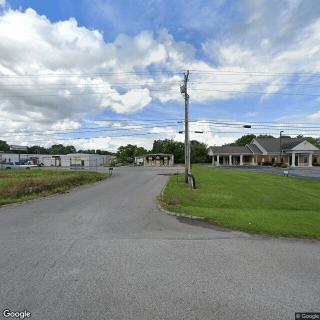
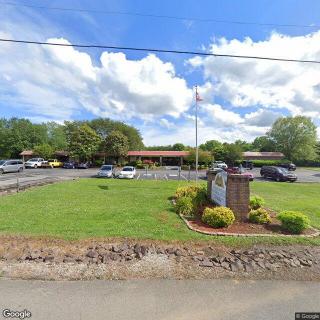


 Top Canine Companions for Older Adults
 Comprehensive Guide to Blood Pressure Charts for Older Adults: Understanding Normal and High Readings by Age
 Financing Long-Term Nursing Home Care Through Social Security: A Thorough Exploration