
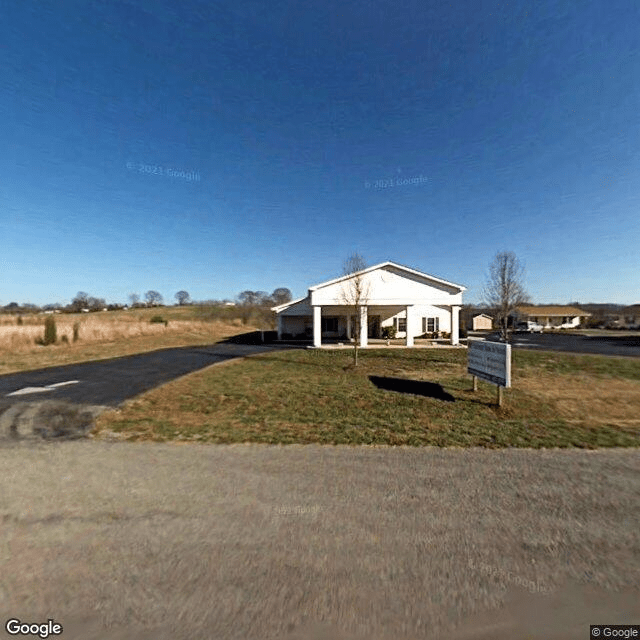
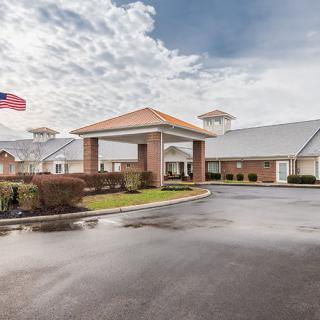
245 Butler Drive, Sweetwater, TN 37874
For more information about senior living options: (866) 208-4318
Sweetwater Living Costs & Pricing
Sweetwater Living offers competitive monthly rates for its residents, presenting a cost-effective solution in comparison to the broader market. For a semi-private room, residents pay $1,575, significantly lower than the Roane County average of $2,789 and the state average of $3,162. Private rooms at Sweetwater Living are priced at $3,000, which also undercuts both Roane County's average of $3,937 and Tennessee's statewide average of $3,696. This pricing strategy positions Sweetwater Living as an appealing option for those seeking quality care without the hefty price tag often associated with similar facilities in the region.
| Floor plans | Sweetwater Living | Roane County | Tennessee |
|---|---|---|---|
| Semi-Private | $1,575 | $2,789 | $3,162 |
| Private | $3,000 | $3,937 | $3,696 |
Overall Review of Sweetwater Living
Pros
 The facility prides itself on providing compassionate care for its clients every day.
- The residents and employees are fantastic here, with genuine love from both.
- Marvetta, the owner, has been wonderful to work with for families.
- All in all, this is a lovely place to live and visit, with a caring and compassionate staff.
- The facility is a small, well-organized 10-bed community with dedicated caregivers who care about the residents and the facility.
- The environment is clean and well organized, contributing to a positive experience for residents.
Cons
 The place is described as an awful place to live or work, with bed bugs and low pay for staff.
- Residents have nothing to look forward to but TV and little to do.
- The food quality is poor and meals are cheap, leaving residents with limited options.
- There is only one staff member on duty, so residents wait for help and lack timely medical attention.
- Bed bugs have persisted for a long time, and only two rooms are treated for four weeks.
- The owner is perceived to drain residents financially and neglect basic accountability, including payroll issues and unreturned calls.
- Admission was reportedly refused to a mentally disabled senior because his Social Security check would be deposited after admission.
- There is no heat in the facility.
Review
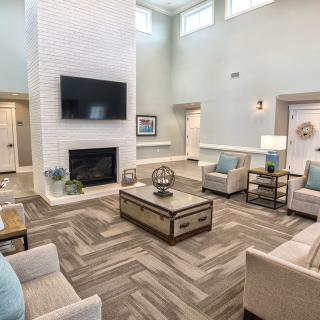
Sweetwater Living in Sweetwater, Tennessee, functions best for families seeking an intimate, home-like assisted living arrangement where care is highly personalized and daily interactions are hands-on. With a small footprint, roughly a 10-bed operation, the setting provides rapid access to caregivers and a routine built around familiar faces. Reviewers consistently point to owner involvement as a defining feature, and many families appreciate the sense that a responsive, accountable leader is shaping the residentā€™s daily experience. This arrangement suits a resident who thrives on predictable routines, close caregiver attention, and the reassurance that someone familiar is steering care decisions.
That said, clear reasons exist to consider alternatives. The small scale can feel restrictive for residents who need constant medical oversight, regular nurse availability, or a full slate of structured activities designed to stimulate social engagement. Several accounts describe periods when only one staff member is on duty, raising concerns about timely assistance and emergency response. Dining and daily programming appear uneven across reviews, with some residents receiving limited meal variety and few enrichment options. A notable policy-related incident, allegations of a denied admission based on timing of Social Security funds, signals potential fairness and access questions that prospective families will want to probe directly.
On the upside, the warmth and dedication of the caregiving team emerge as a core strength. Residents and families frequently praise compassionate, genuine care and the sense that staff truly know and attend to individual needs. The small setting fosters meaningful relationships, making it easier for families to stay engaged and for caregivers to notice subtle shifts in health or mood. When the owner is actively involved, problem resolution tends to be more direct and personalized, lending a sense of security about accountability and responsiveness. For families prioritizing a homey atmosphere and individualized attention, these elements translate into real, observable value.
The main drawbacks are substantial enough to influence the decision decisively. Bed bugs are a recurring concern in multiple accounts, paired with reports of limited ongoing pest control and sanitation efforts. Food quality is repeatedly described as lean or budget-conscious, which can affect both enjoyment and overall nutrition over time. The combination of limited staffing, absence of a dedicated nurse, and occasional under-staffing can slow response to needs, leaving residents waiting for help. Several reviews paint a picture of loneliness and isolation, with residents largely confined to their rooms and little in the way of meaningful, daily engagement beyond television. These factors collectively undermine quality of life for longer stays.
To navigate these realities, practical diligence matters most. Prospective families should request a candid tour that covers typical activity levels and meal service, and demand written schedules for programming, pest-control measures, and maintenance logs. It is essential to speak with multiple residents or family members to verify consistency of care and to confirm that any payroll or billing concerns have progressed toward resolution. Clarify licensure status, and obtain a straightforward explanation of admission criteria, including any exceptions or special cases. If medical oversight, stronger daily programming, or richer dining options are non-negotiables, use these inquiries to gauge whether Sweetwater Living can implement meaningful improvements or whether an alternative, larger community with more robust staffing and resources would be a better long-term fit.
Overall, Sweetwater Living is a viable option for seniors who want a tight-knit, family-like setting with attentive caregivers and visible owner involvement. The advantage of personalized care and intimate community life can offset certain limitations for families able to maintain active oversight and supplemental support, provided vigilance remains high regarding safety, staffing stability, and food quality. For those prioritizing consistent nurse coverage, a diverse activity calendar, and predictable, high-quality meals, more established, staffing-robust communities are prudent alternatives to explore first.
 10 resident community capacity
 Assisted Living
 Board and Care Home
 Memory Care
 Cats allowed
 Dogs allowed
 Activities off-site
 Cable or satellite TV
 Devotional services off-site
 Dining room
 Fully furnished
 Garden
 Housekeeping services
 Indoor common areas
 Move-in coordination
 Outdoor common areas
 Private
 Private bathrooms
 Respite or short term stays offered
 Telephone
 Wheelchair accessible showers
 Wi-Fi/high-speed internet available
 24-hour supervision
 Ambulatory care
 Assistance with bathing
 Assistance with dressing
 Assistance with transfers
 Diabetes diet
 High acuity care
 Incontinence care
 Meal preparation and service
 Medication management
 Special dietary restrictions
 Transportation arrangement (medical)
 Transportation to doctors appointments
 Christian services


 How and When Medicaid May Cover Assisted Living Costs
 A Detailed Exploration of Assisted Living Medicaid Waivers Across the United States
 Exploring the Contrasts Between Assisted Living and Skilled Nursing