
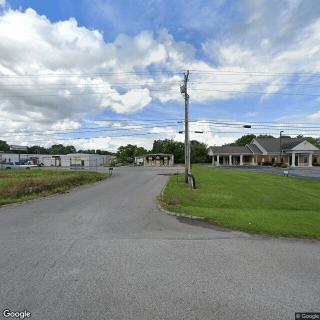
524 Old Highway 68, Sweetwater, TN 37874
For more information about senior living options: (866) 208-4318
Overall Review of The Lodge At Wood Village
Pros
 They cared for her mother in her last weeks of life with compassion amid the covid crisis.
- They did a wonderful job meeting her comfort care needs.
- They were very caring and sympathetic toward the family.
- They notified the family when they noticed decline, giving them time to be with her at bedside.
- The facility offered very comfortable conditions for residents.
- The rooms in the assisted living area were great and spacious.
Cons
 The mom was drugged constantly, making her sleep through care.
- The reviewer would not recommend this place unless they could be there daily to check on their loved one.
- The reviewer regrets allowing their mom to be placed there, calling it a big mistake and a sad place for real personal care.
- It is described as the worst nursing home they've visited, with neglect: nurses didn’t clean up after an incident, a towel was left for the next shift, and there was no way to contact the nurses' station.
- It takes about three hours for staff to respond to someone needing the bathroom.
- They warn not to send a loved one there; they will be neglected.
- The 30-day stay after a hip replacement felt like a third-world country experience.
Review
The Lodge At Wood Village is best suited for families prioritizing flexible senior care that can cover rehabilitation, nursing needs, and assisted living under one roof, while still allowing vigilant family oversight. It suits residents who value moderately comfortable, roomy assisted-living-style spaces and who can tolerate a care experience that may vary with staff and shifts. For families facing end-of-life decisions or transitions, the facility has demonstrated genuine warmth and a willingness to respond to comfort needs and to notify families as health declines occur. The multi-level care model can ease transitions for relatives who want a single place to coordinate care, rather than moving between providers as conditions change.
Those who should consider alternatives are families unable or unwilling to supervise care closely on a daily basis. The reviews paint a polarized picture: compassionate end-of-life support and attentiveness in some moments coexist with alarming reports of neglect, delays, and inconsistent care. Potential residents with higher needs for constant, hands-on assistance or those who need reliably rapid response to calls for help may find the variability untenable. Prospective caregivers should be prepared to visit often and to verify daily operations, rather than assume uniform quality across shifts or days.
On the positive side, the strongest earning point is genuine concern for residents during comfort-focused phases. When staff are attentive, families note that comfort care is delivered with sympathy and coordination, and staff are described as considerate and nice toward residents. The facility’s ability to provide a comfortable living environment is also reinforced by generally well-kept rooms and the presence of meaningful end-of-life communication, families are kept informed when decline becomes evident. For residents entering rehabilitation or needing nursing support, there is recognition of adequate space and a level of care that can support recovery goals when staffing aligns with resident needs.
The most troubling themes in the reviews center on inconsistent staffing and responsiveness. Accounts describe situations where basic needs went unaddressed for extended periods, and even more troubling claims of neglect or inadequate hygiene. One reviewer described a patient being left in unsanitary conditions, with long waits for bathroom assistance and a lack of a reliable way to summon help. A separate account cited medication mismanagement concerns, and others spoke of calls going unanswered for hours. Taken together, these reports suggest a pattern of variability that can undermine safety, especially for those with high dependence or cognitive challenges.
In weighing the pros and cons, the positive elements, humane comfort care, spacious rooms in the assisted-living framework, and a facility capable of handling rehabilitation, are meaningful but conditional. The offset hinges on consistent staffing quality and the ability of families to monitor care closely. If a family can commit to daily presence, participate in care planning, and insist on transparent, timely communication, the favorable aspects can meet practical needs and offer a workable balance between autonomy, comfort, and medical support. Without that level of oversight, the risk of subpar experiences grows considerably.
For families serious about choosing The Lodge At Wood Village, a disciplined, proactive approach is essential. Schedule multiple tours at different times and observe interactions across shifts. Request concrete data on staffing ratios, response times, and how often aides are assigned to the same residents. Speak with current residents and family members about their day-to-day experiences and request to observe the bedside routine, meal service, and assistance with activities of daily living. Consider securing a trial period or a clearly defined plan with measurable expectations, and prepare exit strategies if safety or quality concerns persist. In the end, this community can deliver compassionate, capable care for the right resident, provided careful oversight is in place and family partners actively throughout the journey.
 36 resident community capacity
 Assisted Living
 Skilled Nursing Facility
 Activities on-site
 Beauty salon
 Cable or satellite TV
 Devotional services off-site
 Dining room
 Fully furnished
 Garden
 Housekeeping services
 Indoor common areas
 Kitchenette
 Move-in coordination
 Outdoor space
 Telephone
 Wi-Fi/high-speed internet available
 24-hour call system
 Ambulatory care
 Assistance with bathing
 Assistance with dressing
 Assistance with transfers
 Diabetes diet
 Diabetic care
 Meal preparation and service
 Medication management
 Mental wellness program
 Special dietary restrictions
 Transportation arrangement (medical)
 Transportation to doctors appointments







 Securing Financial Support for Assisted Living: A Comprehensive Overview
 Social Security Benefits and Assisted Living: Navigating Options Across the U.S.
 An Extensive Exploration of the VA Aid and Attendance Benefit