For more information about senior living options: (866) 208-4318
3.2 from 63 reviews
5 stars
29
4 stars
7
3 stars
0
2 stars
2
1 stars
25
Overall Review of The Highlands Of Memphis Health & Rehabilitation
differentiator2 reviews mention this
Therapy support gets standout praise
Therapy is repeatedly described as caring and effective.
Several reviewers specifically highlight the therapy team as knowledgeable and encouraging, describing meaningful progress with mobility after a stroke. Another review also credits the facility for wound-care support and timely referrals when medical issues came up. While other reviews focus more broadly on staffing or daily care, therapy-focused comments are consistently positive.
caveat2 reviews mention this
Food quality draws strong criticism
Food is a recurring source of complaints from residents and families.
Some reviewers describe meals as poorly prepared or unappetizing, using very negative language about what was served. Others connect food complaints with broader concerns about attention and overall care. Taken together, food quality appears to be a weakness that comes up alongside dissatisfaction with daily support.
caveat2 reviews mention this
Cleanliness is mixed to negative
Reviews are divided on how clean the building feels.
A few reviewers say the facility is clean and describe a pleasant, home-like atmosphere. Others describe the environment as dirty or foul-smelling, including concerns about hygiene and odors. Because both viewpoints appear in the reviews, cleanliness seems inconsistent based on resident and visitor experiences.
How we summarize
Counts show how many written reviews mention each theme; a review can touch several themes, and only frequently mentioned themes are displayed.
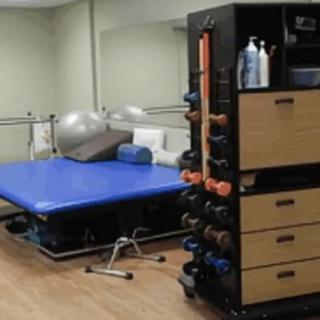
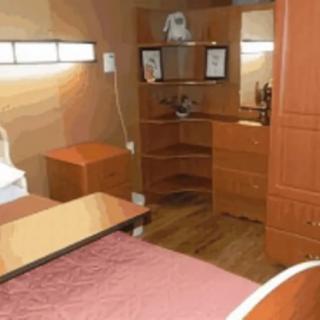
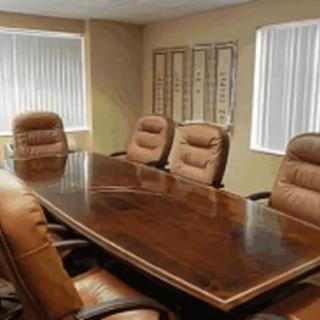
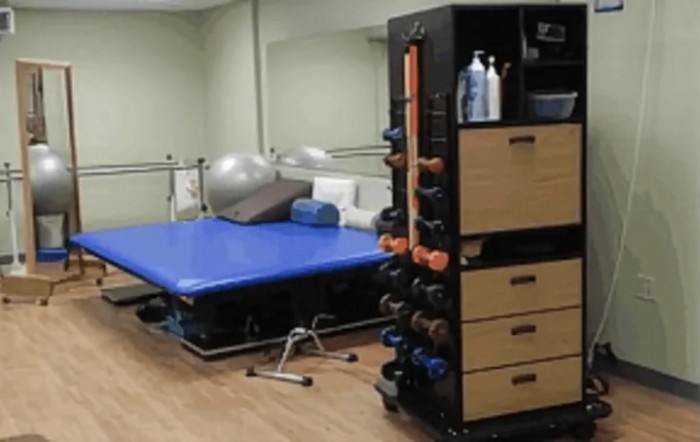
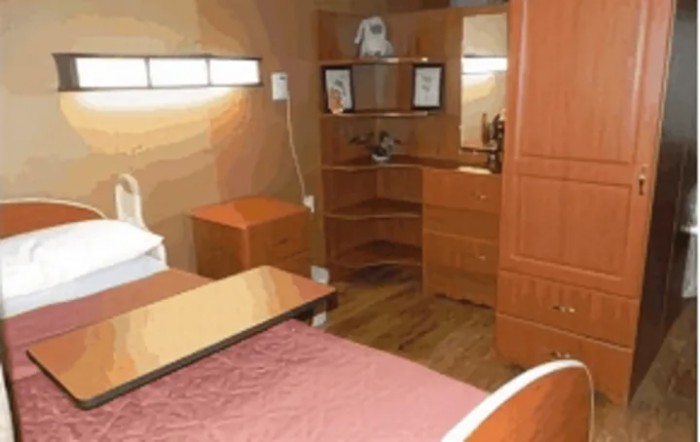
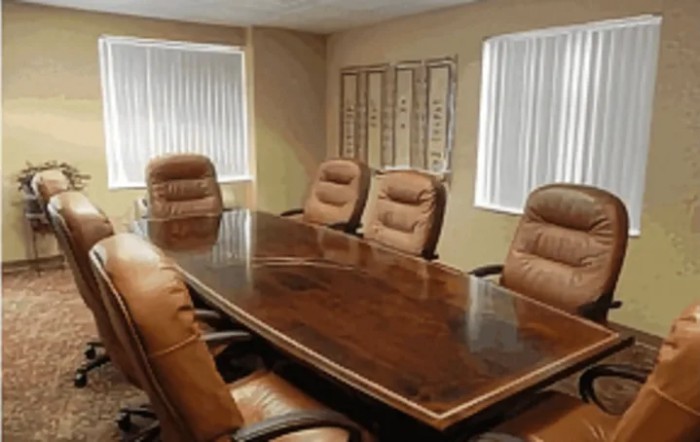
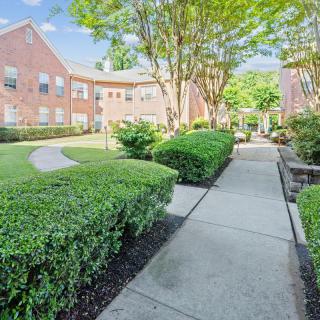
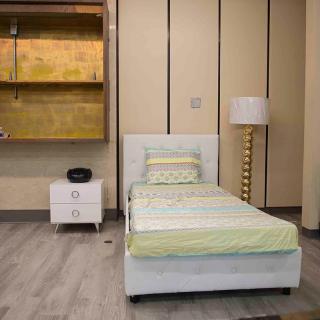
The Highlands Of Memphis Health & Rehabilitation on seniors.fyi includes 5 photos including images showing exercise equipment, interior, bedroom, gym, reception desk, office, decor, conference room, and more.
Nearby Communities
The Highlands of Memphis
Memphis, TN
3.2 from 89 reviews
$5,735 to $5,890 / month
Clean rooms; compassionate staff during a loved one's passing; and good meals.
Wesley Highland Place
Memphis, TN
4.5 from 2 reviews
$2,500 to $2,970 / month
Cozy, inviting atmosphere with attentive staff.
SerenityTowers
Memphis, TN
1.6 from 35 reviews
Utilities included and some resident camaraderie.
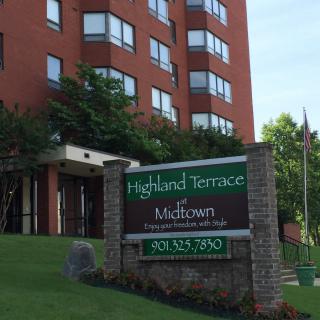
Highland Terrace at Midtown
Memphis, TN
3.9 from 46 reviews
$1,205 to $1,570 / month
Bright, clean facility with friendly staff and renovated, well-equipped apartments.
Luther Towers
Memphis, TN
3.4 from 127 reviews
$625 to $800 / month
Strong community feel with attentive management and affordable rents for the area.
Trezevant Manor
Memphis, TN
4.1 from 99 reviews
Comprehensive care options (independent, memory, skilled nursing) with engaging activities.
Town Village Audubon Park
Memphis, TN
4.7 from 161 reviews
$2,880 to $4,280 / month
Caring staff with engaging activities in a well-maintained, upscale setting in a convenient location.
Majestic Gardens at Memphis
Memphis, TN
3.7 from 142 reviews
$5,250 to $5,550 / month
Attentive, compassionate staff and clean, well-kept facilities.
St. Peter Manor
Memphis, TN
2.9 from 23 reviews
Clean facility with friendly, attentive staff and a varied activities program.
Palliative care focuses on alleviating distress at any stage of a serious illness and can accompany curative treatments, while hospice care is for those nearing the end of life with a prognosis of six months or less, emphasizing comfort over curative measures. Both prioritize holistic care for patients and families but differ in timing, goals, and scope.
Fecal incontinence, prevalent among older adults, arises from factors like weakened pelvic muscles and nerve damage, significantly affecting well-being and social interactions. Diagnosis involves clinical evaluation and tests to inform tailored treatments, while caregivers and preventive measures can aid in managing the condition effectively.
Gardening provides seniors with physical exercise, mental and emotional support, and social interaction opportunities, while accommodating their needs through raised beds and ergonomic tools. It promotes health benefits like improved dexterity and cardiovascular health, encourages sustainable practices, and allows for manageable upkeep with low-maintenance plants.
The Highlands Of Memphis Health & Rehabilitation photos
×
Interior
Decor
Building
Bedroom
Conference Room
Interior
Decor, Office, and Reception Desk
Bedroom
Building, Architecture, and Entrance
Exercise Equipment and Gym
Conference Room and Meeting Room
Get PricingAsk A QuestionSchedule A TourContact Senior Advisor
By clicking submit, you agree to our Partner's Terms of Use. You
also consent to receive calls and texts, which may be autodialed, from our Partner. Your consent is not a condition to
using our Partner's service. Please visit our Partner's Privacy Policy for information about their privacy practices.



 180 resident community capacity
 Skilled Nursing Facility
 Air-conditioning
 Beauty salon
 Cable or satellite TV
 Computer center
 Dining room
 Fitness room
 Fully furnished
 Gaming room
 Garden
 Housekeeping services
 Kitchenette
 Move-in coordination
 Outdoor space
 Private bathrooms
 Restaurant-style dining
 Small library
 Telephone
 Wellness center
 Wi-Fi/high-speed internet available
 Memphis International (6 miles away)
 Community operated transportation
 12-16 hour nursing
 24-hour call system
 Activities of daily living assistance
 Assistance with bathing
 Assistance with dressing
 Assistance with transfers
 Diabetes diet
 Medication management
 Mental wellness program
 Special dietary restrictions
 Concierge services
 Planned day trips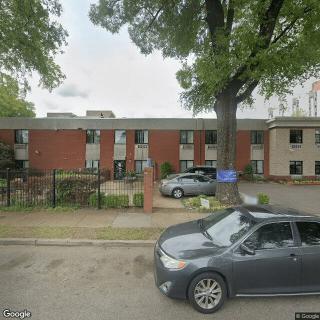
 Clean rooms; compassionate staff during a loved one's passing; and good meals.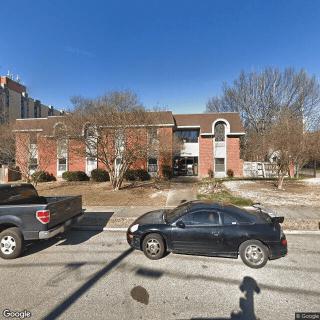

 Understanding the Nuances of Palliative Care and Hospice: A Comprehensive Exploration
 Fecal Incontinence in Older Adults: A Comprehensive Guide
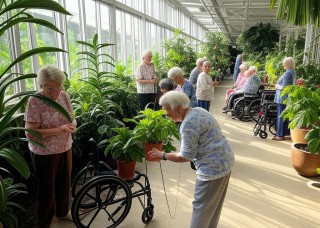 Nurturing Well-Being Through Gardening: A Detailed Guide for Senior Enthusiasts